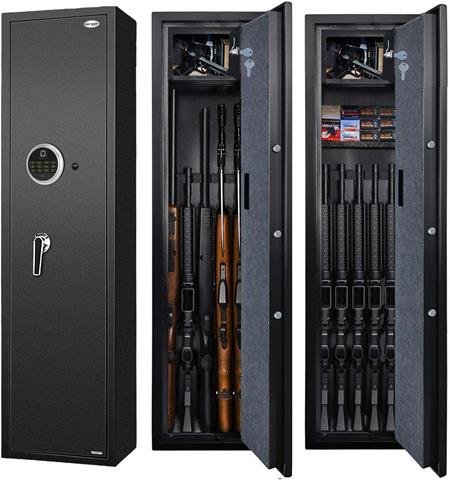
Security Film offers invisible impact protection while Window Bars provide visible physical barriers — each suits different security needs.
I have spent years advising homeowners and testing window protection options. I know how Security Film and Window Bars perform in real homes and businesses. This guide compares both clearly. You will learn how Security Film works, what Window Bars do well, real costs, installation tips, and which choice fits your situation. Read on to make a smart, safe decision for your windows.
Exclusive Deals
Limited-time Exclusive Deals. Check current discount on Amazon.
Check Price on Amazon As an Amazon Associate I earn from qualifying purchases.How Security Film and Window Bars work
Security Film is a clear polyester film. It sticks to glass and holds shards in place if the pane breaks. The film absorbs energy and slows down forced entry. Security Film comes in different thicknesses for different risks.
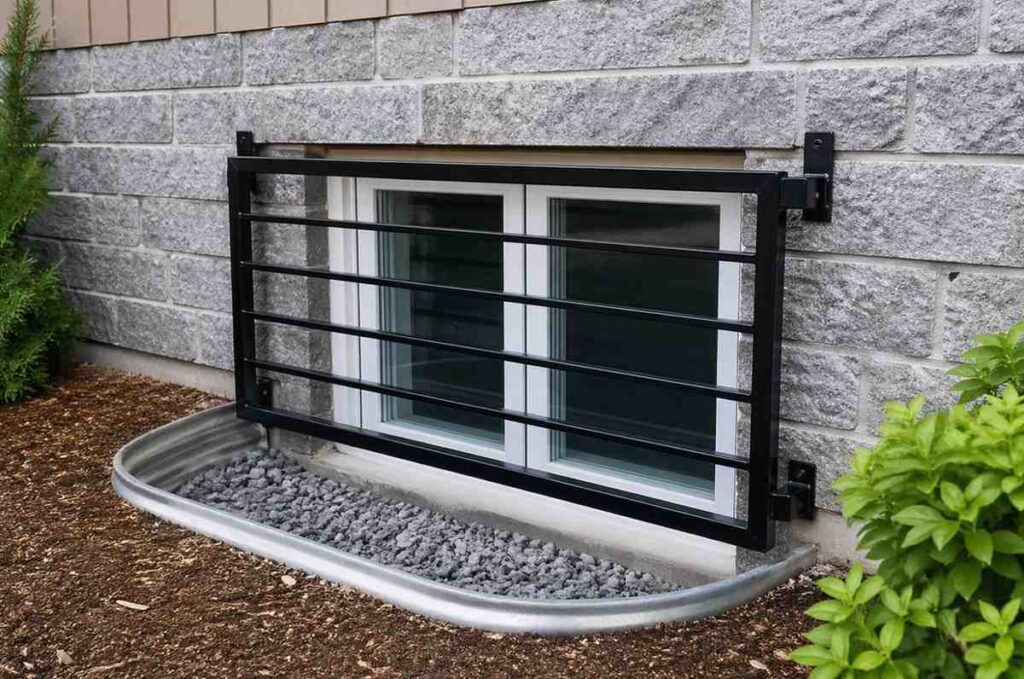
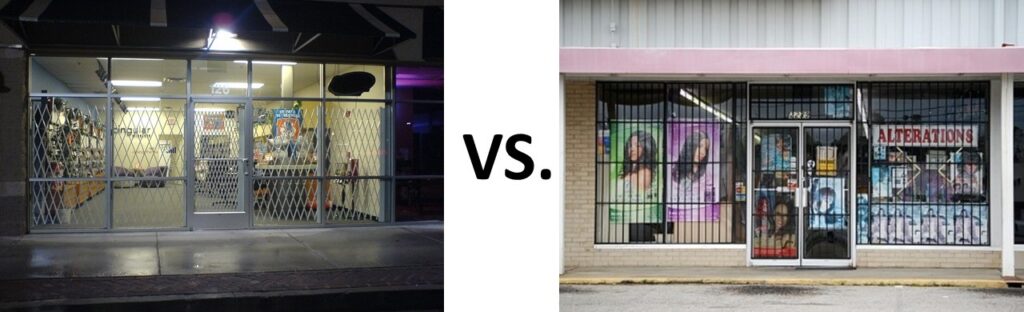
Window Bars are metal bars or grilles fitted across a window frame. They stop a person from entering through a broken pane. Window Bars are either fixed or hinged for escape. They block direct access and act as a visible deterrent.

Key benefits and limits: Security Film
Benefits of Security Film
Exclusive Deals
Limited-time Exclusive Deals. Check current discount on Amazon.
Check Price on Amazon As an Amazon Associate I earn from qualifying purchases.- Keeps glass intact and reduces flying shards after impact.
- Preserves view and lets light in because it is clear.
- Can be combined with window locks and sensors for layered security.
Limitations of Security Film
- It does not stop someone from reaching through a broken area if the frame is removed.
- Very thick film is needed for high-risk sites, which raises cost.
- Installation quality matters; poor adhesion reduces effectiveness.
Practical note: Security Film is great for preventing injuries from broken glass and for slowing smash-and-grab attacks. I once tested a 7-mil film on a storefront. The glass cracked but stayed in the frame, giving staff time to react. That small delay can matter.
Exclusive Deals
Limited-time Exclusive Deals. Check current discount on Amazon.
Check Price on Amazon As an Amazon Associate I earn from qualifying purchases.Key benefits and limits: Window Bars
Benefits of Window Bars
- Provide a strong, visible barrier that stops most intruders.
- Work well on ground-floor windows and in high-crime areas.
- Long-lasting and low maintenance when made from quality metal.
Limitations of Window Bars
- Can look institutional and block views.
- Must be installed to allow emergency escape or they become a safety hazard.
- Installation can be costly and may need building permits.
From experience, Window Bars give clear peace of mind. I helped clients add hinged bars with quick-release locks. They retained safety and met fire-code needs. Without quick release, bars can create serious escape risks.

Comparative analysis: Security Film vs Window Bars
Protection level
- Security Film: Slows entry and reduces shards, but may not stop a determined intruder.
- Window Bars: Physically blocks entry and usually stops forced access.
Aesthetics and light
- Security Film: Nearly invisible and keeps natural light.
- Window Bars: Visible and can reduce curb appeal and daylight.
Cost and installation
- Security Film: Usually lower material cost. Installation can be DIY but best done professionally.
- Window Bars: Higher upfront cost for materials and labor. May need permits.
Maintenance and longevity
- Security Film: Can last many years but may peel at edges if poorly installed.
- Window Bars: Durable with little upkeep if painted and inspected.
Use case recommendations
- Choose Security Film if you want minimal visual change and extra blast or impact protection.
- Choose Window Bars if you need a strong physical barrier and maximum delay to entry.
Safety, codes, and insurance impacts
Fire escape and safety
- Security Film keeps glass intact for rescue but does not block exits.
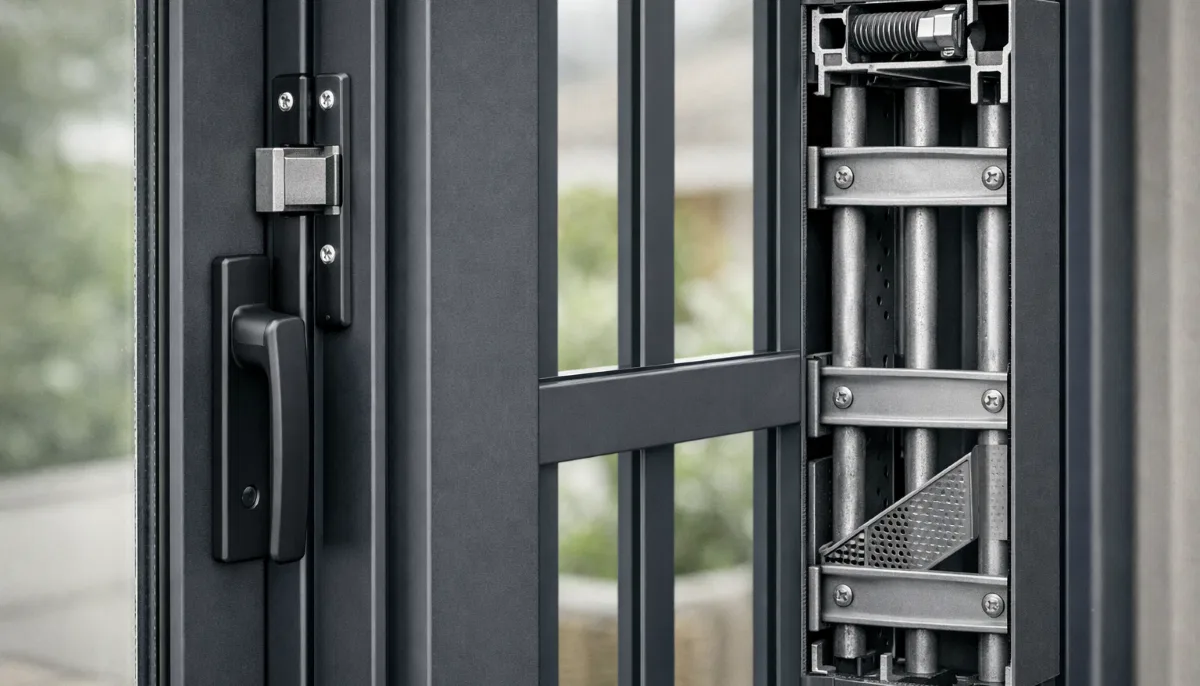
- Window Bars must offer quick-release mechanisms to comply with fire codes.
Building codes and permits
- Some cities require permits for exterior bars or fixed grilles.
- Security Film rarely needs permits but may need approval for historical buildings.
Insurance and claims
- Adding Security Film can lower glass-related injury claims.
- Window Bars may reduce burglary risk and sometimes lower premiums when installed correctly.
I always recommend checking local codes and talking with your insurer before making changes. A small oversite can cause inspection issues later.
Costs, lifespan, and return on investment
Typical cost range
- Security Film: Low to moderate cost per window, depending on thickness and labor.
- Window Bars: Higher upfront cost per window plus potential permit fees.
Lifespan
- Security Film: 7–15 years depending on sun exposure and quality.
- Window Bars: 20+ years with simple maintenance like painting.
ROI factors
- Crime rates, property value, and aesthetic impact affect ROI.
- For rental units, Window Bars may deter tenants. Security Film keeps units marketable.
As a rule: If you need cheap, invisible protection, start with Security Film. If you need long-term heavy-duty deterrence, invest in Window Bars.

How to choose: decision checklist
Assess risk
- Is your window on the ground floor? Are you in a high-crime area?
- Do you face smash-and-grab theft or long attempts at forced entry?
Consider use and appearance
- Do you want to keep the view? Do neighbors prefer a non-institutional look?
- Do you need bars for child safety as well?
Think about escape routes and codes
- Will window bars block a fire escape? Can they be quickly released?
Combine measures
- Security Film plus reinforced locks and alarms gives layered security.
- Window Bars plus sensors and quick-release hardware balance safety and access.
My tip: Walk to each window and imagine a break-in. Note lines of sight, tools an intruder could use, and how fast help could arrive. That simple mental test helps pick the right option.
Installation, maintenance, and common mistakes
Security Film installation tips
- Clean glass thoroughly before applying film.
- Hire a trained installer for large or laminated glass.
- Avoid stretching the film; it can peel.
Window Bars installation tips
- Ensure anchors are set into the structural frame, not just trim.
- Provide quick-release mechanisms for emergency egress.
- Paint and inspect bars yearly to avoid rust.
Common mistakes to avoid
- Buying thin film that won’t hold shards.
- Installing fixed bars without an emergency release.
- Ignoring local building codes or permits.
From hands-on work, I learned to always test the quick-release on a sample bar. Make sure it works under stress. For film, watch edge seals. Poor edges fail first.
Practical examples and scenarios
Scenario 1: Urban storefront
- Problem: Fast smash-and-grab theft after hours.
- Best fit: Security Film plus alarm and roll-down shutter. Film slows the smash. Shutter provides strong physical closure.
Scenario 2: Ground-floor family home
- Problem: Risk of break-in and need for escape.
- Best fit: Hinged Window Bars with quick-release plus Security Film on the glass. Bars block entry; film prevents cuts if glass breaks.
Scenario 3: Historic home with view concerns
- Problem: Preserve look and light.
- Best fit: Security Film and reinforced locks. This keeps the window appearance intact.
These real cases show how both options can work together. I have fitted film on vintage windows to keep the look and added internal bars only where needed.
Questions people often ask (integrated short answers)
Will Security Film stop a smash-and-grab quickly?
Security Film slows entry and keeps glass in place. It can delay a smash-and-grab long enough for alarms or people to respond.
Do Window Bars create fire hazards?
Window Bars can be a hazard if they lack quick-release hardware. Proper design and code-compliant releases avoid this risk.
Can you use both Security Film and Window Bars?
Yes. Using both gives layered protection: film holds glass, bars block access.
How long does Security Film last in sun?
Good quality Security Film lasts many years but may degrade faster in very sunny spots. Inspect annually.
Are Window Bars easy to remove later?
Removable or hinged bars can be taken off. Fixed bars need cutting or drilling out, which can be costly.
Personal lessons and practical tips
One lesson I learned was to never skip the escape check. I once saw a well-meaning owner install fixed bars without a release. That raised code issues and scared occupants. Another tip: test a small film sample before treating all windows. Installers vary a lot. When I worked with two installers, one did a clean job and the other left bubbles that shortened the film life. Inspect edges and anchors.
Frequently Asked Questions of Security Film vs Window Bars
What is the main difference between Security Film and Window Bars?
Security Film is a clear layer that holds glass together when it breaks. Window Bars are metal barriers that block physical entry through a window.
Which option is cheaper to install?
Security Film is generally cheaper per window. Window Bars cost more in materials and labor, and may need permits.
Can Security Film prevent all burglaries?
No. Security Film slows entry and reduces injuries but may not stop a determined intruder who can remove frames or reach through.
Are there building codes for Window Bars?
Yes. Many areas require quick-release features and permits. Check local fire and building codes before installing.
Can Security Film be combined with other security products?
Yes. Security Film works well with alarms, locks, laminated glass, and Window Bars for layered protection.
How long does Window Bars installation take?
Installation time varies by size and anchors. Most residential windows can be fitted in a few hours to a day.
Conclusion
Security Film and Window Bars both protect windows, but they do so in different ways. Security Film preserves view and slows breakage. Window Bars give a strong physical block and visible deterrence. Use a simple risk check to decide: prioritize film for aesthetics and impact resistance, bars for strong access control, or both for layered defense. Start by assessing your windows, check local codes, and consult a pro for installation. Take action today: inspect your windows, list priorities, and choose the option that fits your safety and style needs. If you found this helpful, leave a comment or subscribe for more practical security tips.