In today’s world, safety is not just a luxury—it’s a necessity. Whether you live in a bustling city or a quiet rural area, protecting your home or business matters. Yet, many people feel confused when they hear terms like security system and alarm system. Are they the same? What makes them different? You might see these words in advertisements, hear them from installers, or read them online. But if you don’t understand the difference, you could end up making the wrong choice for your safety needs.
This article clears up the confusion. You’ll learn what each system does, how they work, why they matter, and which is better for different situations. Along the way, you’ll see real-world examples, statistics, and practical advice. By the end, you’ll feel confident about choosing the right protection for your property and loved ones.
Understanding Security Systems
When people talk about a security system, they mean a complete network of devices and services that protect a property from threats. These threats can include burglary, fire, carbon monoxide, flooding, and even cyber attacks. The aim is broad: to keep your property, people, and valuables safe from many dangers—not just break-ins.
Exclusive Deals
Limited-time Exclusive Deals. Check current discount on Amazon.
Check Price on Amazon As an Amazon Associate I earn from qualifying purchases.What Makes Up A Security System?
A modern security system often includes several parts:
- Sensors: These detect movement, door/window openings, glass breaking, smoke, heat, or water leaks.
- Control Panel: The brain of the system. It connects devices, processes alerts, and communicates with users or monitoring centers.
- Cameras: Used for surveillance, recording video footage, and sometimes live streaming.
- Alarm: Loud sirens or flashing lights to scare off intruders and alert people nearby.
- Monitoring Service: A company watches alerts 24/7 and can contact police, fire, or medical responders.
- Smart Features: Remote controls via phone apps, automation, and integration with smart home devices.
Unlike traditional systems, today’s security setups often use wireless technology, cloud storage, and artificial intelligence. For example, some systems can tell the difference between a pet and a human, reducing false alarms.
Security System Example
Imagine a family in a suburban house. Their security system includes:
- Door and window sensors
- Outdoor and indoor cameras
- Smoke detectors
- Water leak sensors in the basement
- A control panel with a touchscreen
- A mobile app for remote access
- Professional monitoring
If a sensor triggers—say, a window opens unexpectedly—an alert goes to the control panel. The panel sends a notification to the homeowner’s phone and to the monitoring center. If it’s a real threat, the monitoring service calls the police. If it’s a fire, they call the fire department.
Exclusive Deals
Limited-time Exclusive Deals. Check current discount on Amazon.
Check Price on Amazon As an Amazon Associate I earn from qualifying purchases.Security System Statistics
- According to the FBI, properties with security systems are up to 60% less likely to be burglarized.
- The global home security market is expected to reach $84 billion by 2027 (Statista).
- Modern systems reduce false alarms by up to 70% compared to older models, thanks to smarter sensors.
Non-obvious Insights
- Security systems are not just for homes—they’re used in offices, stores, factories, and even public spaces.
- Many insurance companies give discounts if you have a certified security system installed.
Understanding Alarm Systems
An alarm system is more focused. It’s designed mainly to warn people about a specific event—usually a break-in, fire, or gas leak. The main goal is to alert, not necessarily to prevent or monitor. Many alarm systems are standalone devices, while others are part of larger security networks.
Core Features Of Alarm Systems
Most alarm systems include:
- Sensors: Detect unauthorized entry, smoke, or gas.
- Alarm Device: Siren, bell, or flashing light.
- Arming/Disarming Mechanism: Keypad, remote, or mobile app.
- Notification: Some systems alert the owner via phone, others are just audible alarms.
Alarm systems are often simpler than security systems. They may not have cameras, monitoring, or smart automation.
Exclusive Deals
Limited-time Exclusive Deals. Check current discount on Amazon.
Check Price on Amazon As an Amazon Associate I earn from qualifying purchases.Alarm System Example
Consider a small retail shop. The owner installs a basic alarm system:
- Door sensor
- Motion detector inside
- Loud siren
If someone tries to break in, the sensor triggers the siren. The noise scares off the intruder and tells people nearby something is wrong. The owner may get a call or text if the system is connected to their phone.
Alarm System Statistics
- Over 90% of burglaries happen in locations with no alarm or security system (FBI).
- Homes with only an alarm (no cameras or monitoring) are 30% less likely to be targeted than homes with no protection.
Non-obvious Insights
- Alarm systems can be customized for fire, gas, or water leaks—not just intruders.
- Many alarm systems are DIY-friendly and cost far less than full security systems.
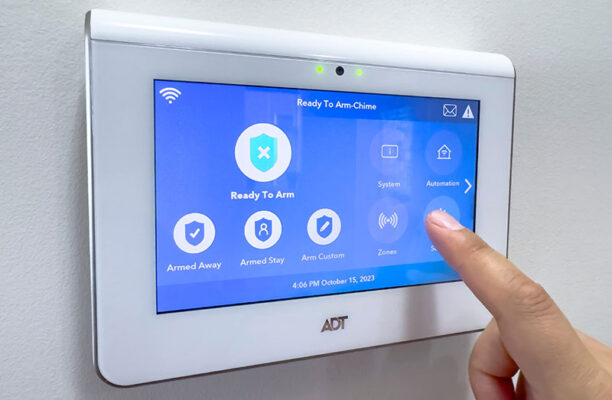
Core Differences Between Security Systems And Alarm Systems
Many people use the terms security system and alarm system as if they mean the same thing. They don’t. Let’s break down the main differences.
Comparison Table: Security System Vs Alarm System
Here’s a side-by-side look at their features:
| Feature | Security System | Alarm System |
|---|---|---|
| Scope | Multi-threat (intrusion, fire, flood, CO, etc.) | Usually single-threat (intrusion or fire) |
| Components | Sensors, cameras, alarms, control panel, monitoring | Sensors, alarm device, basic controls |
| Monitoring | Often professional, 24/7 | Rare, usually self-monitored or none |
| Smart Features | Remote access, automation, smart home integration | Limited or none |
| Cost | Higher, more complex | Lower, simple |
| Installation | Professional or DIY | Mostly DIY |
| Insurance Discount | Often available | Less common |
Key Distinctions Explained
- Security systems cover more risks. They combine alarms, cameras, sensors, and monitoring, giving full protection.
- Alarm systems focus on alerting you to a single problem—usually intrusion or fire.
- Security systems often connect to a monitoring center; alarm systems usually don’t.
- Security systems let you control and monitor remotely; alarm systems may not.
- Security systems can integrate with other smart home devices (lights, locks, thermostats).
Real-world Scenario
Suppose you’re renting an apartment. You want to protect yourself from break-ins, but you don’t need cameras or monitoring. A simple alarm system (door sensor and siren) may be enough.
But if you own a house and want to protect from burglary, fire, and water leaks—and you travel often—a full security system is best. It can alert you, record video, and call emergency services.
Security System Types
Not all security systems are the same. Here are some common types:
Wired Security Systems
These use physical cables to connect devices. They’re reliable and less prone to hacking, but harder to install and move.
Wireless Security Systems
Wireless systems use Wi-Fi or cellular signals. They’re easy to install and move, but can be affected by network issues.
Monitored Security Systems
A professional company watches your system 24/7. If something happens, they contact you and emergency services.
Unmonitored Security Systems
You get alerts and decide what to do. There’s no professional backup.
Smart Security Systems
These connect to your phone, smart speakers, and other devices. You can control them from anywhere.
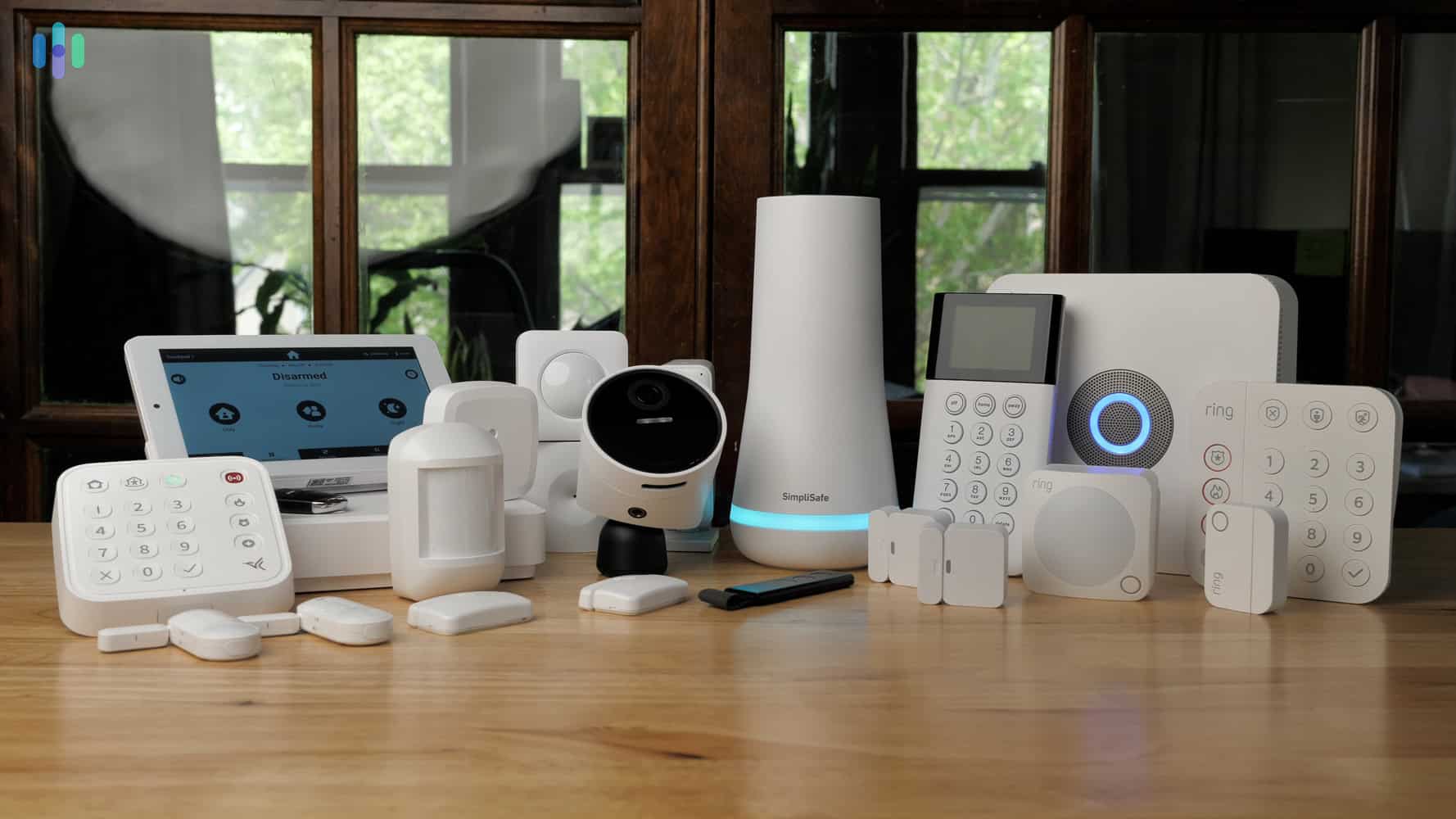
Alarm System Types
Alarm systems can also vary. Here are the main types:
Intrusion Alarm Systems
Detect unauthorized entry. Use door/window sensors and motion detectors.
Fire Alarm Systems
Detect smoke or heat. Sound sirens to alert people.
Gas/co Alarm Systems
Detect dangerous gases. Warn you before you face health risks.
Water Leak Alarm Systems
Detect flooding or leaks. Useful for basements and bathrooms.
Comparison Table: Security And Alarm System Types
| System Type | Main Use | Typical Devices |
|---|---|---|
| Wired Security System | Full property protection | Sensors, cameras, control panel |
| Wireless Security System | Flexible, rental properties | Wireless sensors, cameras, apps |
| Monitored Security System | 24/7 emergency response | All devices + monitoring service |
| Unmonitored Security System | Self-managed alerts | Sensors, cameras, alarms |
| Intrusion Alarm System | Break-in alert | Door/window sensors, sirens |
| Fire Alarm System | Smoke/fire warning | Smoke/heat sensors, sirens |
| Gas/CO Alarm System | Health hazard alert | Gas/CO sensors, alarms |
| Water Leak Alarm System | Flood/leak warning | Water sensors, alarms |
Choosing Between Security And Alarm Systems
Deciding which system you need depends on your situation. Here’s how to make a smart choice.
1. Assess Your Risks
Ask yourself:
- Do you want to protect against just burglary, or also fire, flooding, and other threats?
- Is your property large or small?
- Are you often away from home?
If you have multiple risks, a security system is better. If you only need basic intrusion or fire alerts, an alarm system may be enough.
2. Consider Your Budget
- Security systems cost more. Expect $300–$1,500 for equipment, plus monthly monitoring fees ($20–$60).
- Alarm systems are cheaper. Many DIY kits cost $50–$300.
3. Think About Monitoring
If you want emergency response, choose a system with professional monitoring. If you’re comfortable handling alerts yourself, a simple alarm system works.
4. Installation
- Security systems often need professional installation, especially wired setups.
- Alarm systems are usually DIY-friendly.
5. Smart Features
If you want remote control, automation, or integration with smart devices, go for a security system.
Common Mistakes To Avoid
- Buying a basic alarm when you need full coverage (fire, flood, etc.)
- Ignoring professional monitoring if you travel often
- Overpaying for features you don’t need
- Not checking compatibility with your property (wired vs wireless)
- Forgetting to update or maintain the system
Real-world Case Studies
Case 1: Family Home
A family installs a security system with cameras, sensors, and monitoring. One night, a smoke detector triggers. The monitoring center calls the fire department, saving lives and property. Later, a break-in attempt is caught on camera. Police use footage to arrest the suspect.
Case 2: Small Apartment
A student installs a basic alarm system—door sensor and siren. When someone tries to open the door at night, the loud alarm scares them away. No monitoring, but the immediate alert works.
Case 3: Retail Store
A store uses an alarm system for intrusion and fire. After hours, the alarm triggers due to a break-in. The siren scares off the thief. During business hours, the fire alarm goes off due to a kitchen mishap, letting staff evacuate safely.
Case 4: Vacation Home
Owners choose a smart security system. It includes cameras, sensors, and remote control. While away, they get an alert about a water leak. They call a neighbor to fix it, preventing damage.
Security And Alarm System Trends
Technology is changing how we protect our properties.
- Artificial Intelligence: Some security systems now use AI to identify threats, reduce false alarms, and learn from patterns.
- Cloud Storage: Video footage and alerts are stored online, making it easy to review history.
- Mobile Integration: Control your system from anywhere using your smartphone.
- DIY Systems: More alarm systems are easy to install yourself, lowering costs.
- Smart Home Integration: Security systems connect to lights, locks, and thermostats for automation.
According to a report by Statista, over 60% of new home security installations in the US are now wireless and include smart features.

Security System And Alarm System: Comparison Summary
For clarity, here’s a summary table of major differences:
| Aspect | Security System | Alarm System |
|---|---|---|
| Main Purpose | Comprehensive protection | Immediate alert |
| Coverage | Multiple threats | Single threat |
| Monitoring | Optional/professional | Rare/self |
| Smart Features | Yes | Limited |
| Installation | Professional/DIY | DIY |
| Cost | Higher | Lower |
Practical Advice For Buyers
- Understand your needs before buying. If you only need basic alerts, don’t pay for full security features.
- Check reviews and certifications. A system certified by organizations like UL (Underwriters Laboratories) is more reliable.
- Test your system regularly. Many people install alarms but forget to check them. A non-working system is useless.
- Update your software for smart systems. Hackers target outdated devices.
- Ask your insurance company about discounts. Many offer lower rates for security systems.
For deeper research and statistics on home security and alarm systems, you can visit Wikipedia.
Frequently Asked Questions
What Is The Main Difference Between A Security System And An Alarm System?
The main difference is scope. A security system offers broad protection against multiple threats (burglary, fire, flood, etc.) and often includes cameras, monitoring, and smart features. An alarm system usually focuses on alerting you to one threat, like a break-in or fire, with basic sensors and sirens.
Do Security Systems Always Include Alarms?
Yes, nearly all security systems include alarm devices. The alarm is a key part of the system, used to alert you and scare off intruders. However, security systems go beyond alarms with cameras, sensors, and monitoring.
Can I Install A Security Or Alarm System Myself?
Many alarm systems are DIY-friendly—you can install them with simple tools and instructions. Security systems, especially wired or monitored setups, may need professional installation for best results.
Are Security Systems Worth The Higher Price Compared To Alarm Systems?
If you want full protection, security systems are worth the cost. They offer better coverage, monitoring, and smart features. But if your risks are low and you only need basic alerts, an alarm system may be enough.
How Do I Reduce False Alarms?
To reduce false alarms, choose modern systems with smart sensors. Keep sensors clean and test them often. Set up user codes for family and friends to avoid accidental triggers.
Choosing between a security system and an alarm system comes down to your needs, budget, and property type. By understanding these differences, you can make a smart, confident decision that keeps your home or business safe.