Many people today are considering smart door locks for their homes and businesses. These advanced locks promise better security, keyless entry, and remote access, but one big question remains: How long does a smart door lock actually last? Understanding the lifespan of a smart door lock is important before investing your money and trust in this technology. This article explores the key factors that affect the longevity of smart door locks, how they compare to traditional locks, how to maintain them for maximum life, and what to expect from different brands and models.
What Is A Smart Door Lock?
A smart door lock is an electronic lock that can be controlled using a smartphone, keypad, biometric sensor, or even voice commands. These locks connect to your home network, often through Wi-Fi or Bluetooth, allowing you to lock and unlock your door remotely or give access to trusted people without handing over a physical key.
Some popular features include:
Exclusive Deals
Limited-time Exclusive Deals. Check current discount on Amazon.
Check Price on Amazon As an Amazon Associate I earn from qualifying purchases.- Remote locking and unlocking from your smartphone
- Temporary digital keys for guests or service people
- Activity logs that show who entered and when
- Integration with smart home systems like Amazon Alexa or Google Assistant
Smart door locks come in various designs, such as deadbolts, lever locks, and mortise styles. Some replace your existing lock, while others fit over the inside of your current lock.
Average Lifespan Of Smart Door Locks
Most smart door locks are designed to last between 5 to 10 years with regular use. However, the actual lifespan depends on several factors, such as the quality of the hardware, the type of batteries used, the local climate, and how often you use the lock.
Typical Longevity Data
Manufacturers usually claim a product life expectancy of up to 100,000 lock/unlock cycles, which can translate to 5 or more years in a regular home. In high-traffic commercial settings, smart locks may need replacement sooner.
Here’s a summary of typical lifespans:
Exclusive Deals
Limited-time Exclusive Deals. Check current discount on Amazon.
Check Price on Amazon As an Amazon Associate I earn from qualifying purchases.| Lock Type | Average Lifespan (Years) | Common Failure Points |
|---|---|---|
| Smart Deadbolt | 6–10 | Motor, electronics |
| Smart Lever Lock | 5–9 | Gears, battery contacts |
| Biometric Smart Lock | 4–7 | Sensor degradation |
| Wi-Fi Enabled Lock | 5–8 | Wi-Fi module, power drain |
Non-obvious insight: Even if the lock mechanism still works, software support or connectivity can end sooner, which may impact usability.
Key Factors That Affect Smart Lock Lifespan
1. Build Quality And Materials
High-quality locks use metal gears, strong motors, and weather-resistant materials. Cheaper models may use more plastic, which can wear out quickly—especially in outdoor environments.
2. Battery Life And Power Source
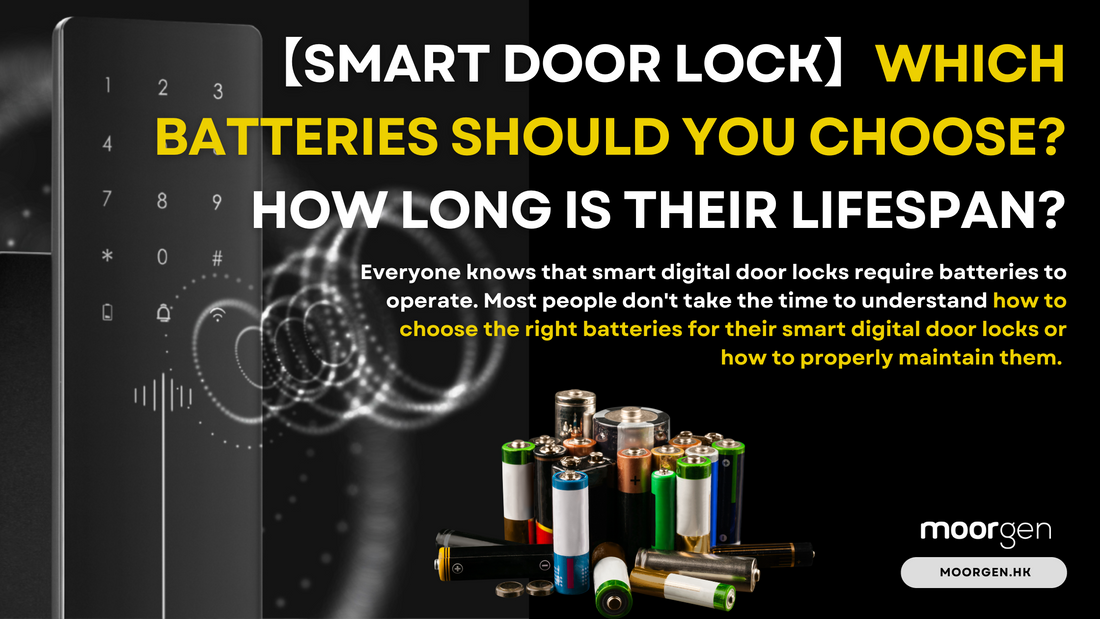
Most smart locks use AA or AAA batteries, lithium-ion rechargeables, or less commonly, built-in power packs. Battery-powered models typically need fresh batteries every 3–12 months.
Exclusive Deals
Limited-time Exclusive Deals. Check current discount on Amazon.
Check Price on Amazon As an Amazon Associate I earn from qualifying purchases.- Some locks warn you well before the battery is empty.
- Others may stop responding suddenly, risking lockouts.
A lock that constantly drains batteries may have a failing motor or poor firmware, both of which shorten lifespan.
3. Climate And Environmental Factors
Extreme temperatures, humidity, rain, or direct sunlight can affect both the electronics and the mechanical parts. For example, a lock exposed to freezing winters and hot summers will generally fail sooner than one installed indoors.
4. Usage Patterns
Locks on main doors that are used dozens of times a day wear out faster than those on back doors or guest rooms. If you have kids or frequent visitors, expect a shorter service life.
5. Firmware And Software Support
Firmware updates are important for security and bug fixes. If the manufacturer stops supporting your lock, you may lose features or expose yourself to security risks.
- Some locks become obsolete because the app or cloud service they depend on is discontinued.
- Always check if the brand has a reputation for long-term support.
6. Installation Quality
Improper installation can cause stress on the gears and motor, leading to early failure. Always follow the manual or hire a professional, especially for complex models.
7. Brand Reputation
Well-known brands tend to use better components, offer longer warranties, and provide regular updates. Cheap off-brand locks may work for a year or two but often fail suddenly.
Extra tip: Some locks have replaceable modules, letting you change only the failed part instead of the whole lock.
Comparing Smart Locks To Traditional Locks
Smart locks offer features that regular locks can’t match, but they also add electronics that may wear out or become outdated. Here’s how they compare:
| Feature | Smart Lock | Traditional Lock |
|---|---|---|
| Average Lifespan | 5–10 years | 15–30 years |
| Maintenance | Batteries, firmware | Lubrication, rekeying |
| Security Updates | Required | Not needed |
| Failure Points | Electronics, motor, app | Physical wear |
| Convenience | Very high | Medium |
Non-obvious insight: Most smart locks still have a physical keyway as backup. If the electronics fail, you can often use a regular key.
Common Signs Your Smart Lock Is Nearing End Of Life
Smart locks rarely fail without warning. Some signs suggest your lock may need repair or replacement soon:
- Short battery life—Batteries die much faster than before, even with new ones.
- Slow or noisy motor—The deadbolt moves slowly or makes unusual sounds.
- Connectivity problems—The lock frequently loses Wi-Fi or Bluetooth connection.
- App glitches—The app crashes, doesn’t update, or can’t communicate with the lock.
- Unresponsive keypad or sensor—Buttons or fingerprint readers stop working.
- Physical wear—The lock feels loose or the finish is badly worn.
If you notice these problems, it’s wise to start shopping for a replacement before a complete failure leaves you locked out.
How To Maximize The Lifespan Of Your Smart Door Lock
With proper care, you can extend the life of your smart lock well beyond the average. Here are the most effective steps:
1. Replace Batteries Promptly
Don’t wait for the lock to die—replace batteries as soon as you see a warning. Use only high-quality batteries recommended by the manufacturer.
2. Keep Firmware Updated
Regularly check for app and firmware updates. These can fix bugs, improve battery life, and patch security risks.
3. Clean And Lubricate
Dust, dirt, and moisture can get inside the mechanism. Clean the outside with a soft cloth. For mechanical parts, use a silicone-based lubricant once or twice a year—never use oil-based lubricants, as they can attract dust.
4. Protect Against Weather
If your lock is exposed to rain or direct sun, consider a weather cover. Some locks are rated for outdoor use (look for IP54 or higher). Indoor-only locks will fail quickly outside.
5. Check Installation
If the deadbolt doesn’t slide smoothly, the lock may be misaligned. Re-align the strike plate or consult a locksmith to prevent motor strain.
6. Limit Guest Access
Giving out too many digital keys can confuse the lock’s memory or app settings. Remove old users regularly.
7. Test Manual Key Backup
Make sure the physical key still works. Lubricate the keyway annually, even if you never use it.
8. Pay Attention To Warnings
Don’t ignore unusual beeps, lights, or notifications. These are early signs of trouble.
Extra tip: Keep a spare battery or portable charger nearby, especially if the lock supports USB backup.
How Different Brands And Models Compare
Smart locks vary greatly in durability and support. Here are examples from top brands, based on user reviews and industry tests:
| Brand/Model | Claimed Lifespan | Warranty Period | Special Features |
|---|---|---|---|
| August Wi-Fi Smart Lock | 6–8 years | 2 years | Wi-Fi, app support, retrofit |
| Schlage Encode | 7–10 years | 3 years (electronics), lifetime (mechanical) | Built-in alarm, key backup |
| Yale Assure SL | 5–9 years | 1 year (electronics), lifetime (mechanical) | Touchscreen, Z-Wave compatibility |
| Ultraloq U-Bolt Pro | 5–8 years | 18 months | Fingerprint, keypad, app |
Not all smart locks are created equal. Premium models tend to last longer, but even the best brands rely on electronics that naturally wear out.
When Should You Replace A Smart Door Lock?
There’s no universal rule, but you should consider replacing your smart lock when:
- The lock is 5–8 years old and out of warranty
- Software updates or app support have ended
- Battery life or performance has dropped sharply
- You experience repeated lockouts or glitches
- The brand has gone out of business
If you move into a new home with a smart lock, reset it and check its age. If it’s more than 5 years old, replacement is a wise safety step.
What Happens When A Smart Lock Fails?
Smart locks can fail in several ways:
- Electronics malfunction—The keypad, app, or motor stops working, sometimes suddenly.
- Battery dies—Without power, you may be locked out unless you have a manual key or emergency power port.
- Software bugs—A failed update can cause the lock to freeze or become unresponsive.
Most reputable smart locks have a physical key backup or some form of emergency access. Always keep at least one physical key in a safe place, or know how to use the backup power method.
Upgrading And Recycling Old Smart Locks
When your smart lock reaches the end of its life, don’t just throw it away. Many electronic locks contain recyclable metals and batteries. Check with your local electronics recycling center. Some brands also offer trade-in programs or discounts on new models.
When upgrading, consider new features such as:
- Fingerprint access for faster unlocking
- Longer battery life
- Better weather resistance
- Improved app support or integration with your smart home
Upgrading every 5–7 years helps you stay ahead of security risks and enjoy new conveniences.
Are Smart Door Locks Worth It Despite Their Lifespan?
Some people worry that the shorter lifespan means smart locks are not a good investment. However, the extra security, convenience, and control often outweigh the need to replace the lock every 5–10 years.
For example, you can:
- Let in guests while you’re away
- Monitor who enters your home in real time
- Avoid the cost and hassle of rekeying after lost keys
However, if you want a “set it and forget it” solution for decades, a traditional lock is still best. For most people, the benefits of a smart lock make it worthwhile—especially if you follow best practices to extend its life.
Practical Tips For First-time Buyers
Before buying your first smart door lock, consider these practical tips:
- Check compatibility—Not all locks fit all doors. Measure your existing deadbolt and thickness.
- Look for weather ratings if you need outdoor use.
- Choose a lock with manual key backup for emergencies.
- Read user reviews about battery life and app reliability.
- Pick a well-supported brand with regular updates.
- Understand warranty coverage—Longer is better for electronics.
- Plan for power outages—Some locks allow USB charging or 9V battery jump-start.
Don’t buy based on price alone. The cheapest lock may cost more in the long run if it fails early or leaves you locked out.
Frequently Asked Questions
How Often Do Smart Door Locks Need New Batteries?
Most smart locks require new batteries every 6 to 12 months, depending on usage and battery quality. Some high-end models last up to 18 months on one set, while Wi-Fi-enabled locks may need more frequent changes.
Can I Use A Smart Lock Outside In Any Weather?
Not all smart locks are suitable for outdoor use. Look for an IP rating (such as IP54 or higher) for weather resistance. Extreme cold, heat, or humidity can shorten the lifespan if the lock is not rated for those conditions.
What If My Smart Lock’s App Stops Working?
If the app is discontinued or loses support, you may lose remote access or advanced features. However, most smart locks still allow manual code entry or key access. Choose brands known for long-term software support.
Are Smart Locks More Secure Than Traditional Locks?
Smart locks offer extra features like activity logs and remote control, but their security depends on both hardware and software. Regular firmware updates and strong passwords are important. No lock is 100% secure, but smart locks can be as safe as high-quality traditional locks if used correctly. For more on lock security, visit the Consumer Reports Smart Lock Guide.
Do Smart Locks Work During A Power Outage?
Battery-powered smart locks continue to work during a power outage. However, Wi-Fi or app features may not function until power returns. Always keep a physical key or know the emergency power method for your lock.
Smart door locks are changing the way we secure our homes, but it’s important to understand their strengths, weaknesses, and realistic lifespan. By choosing the right model, following good maintenance habits, and planning for upgrades, you can enjoy safe and convenient entry for years to come.