Infrared offers active illumination; starlight amplifies ambient light for natural, covert night vision.
Exclusive Deals
Limited-time Exclusive Deals. Check current discount on Amazon.
Check Price on Amazon As an Amazon Associate I earn from qualifying purchases.I've spent years testing night-vision gear for wildlife surveys and security projects. I will walk you through Infrared vs Starlight Night Vision with clear explanations, real-world examples, and simple buying advice. Expect practical tips, common pitfalls, and an honest view of which tech fits which job.

Understanding Infrared vs Starlight Night Vision
Infrared vs Starlight Night Vision are two different ways to see in the dark. Infrared uses invisible light to illuminate a scene. Starlight technology amplifies tiny amounts of ambient light from stars, the moon, or distant lighting. Both help you see at night but work differently and suit different tasks.
Key terms to know:
Exclusive Deals
Limited-time Exclusive Deals. Check current discount on Amazon.
Check Price on Amazon As an Amazon Associate I earn from qualifying purchases.- Infrared: Active or near-infrared LED illumination that your camera or goggles sense.
- Starlight: Low-light sensors that amplify existing light without added illumination.
- Range: How far each system can reliably see.
- Contrast and detail: How clear objects appear at night.
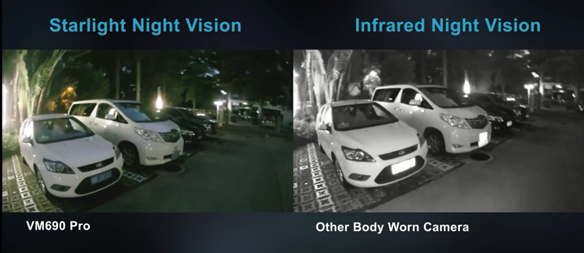
How Infrared vs Starlight Night Vision Work
Infrared systems emit IR light and capture its reflection. This gives clear images even in total darkness. Active IR systems may have visible glow from strong emitters, but most use near-infrared that humans can't see.
Starlight sensors use very sensitive photodetectors. They boost small amounts of ambient light into a visible image. The result is often color-tinged or low-contrast scenes, but without any extra light source.
Technical differences at a glance:
- Power: Infrared devices need energy for LEDs; starlight relies on sensor electronics.
- Stealth: Starlight is passive and harder to detect; IR can be detectable if illumination is strong.
- Performance: IR performs well in zero-light; starlight excels under moonlight or urban glow.

Exclusive Deals
Limited-time Exclusive Deals. Check current discount on Amazon.
Check Price on Amazon As an Amazon Associate I earn from qualifying purchases.Performance Comparison: Infrared vs Starlight Night Vision
Image quality
- Infrared offers crisp, high-contrast black-and-white images when illuminated.
- Starlight produces softer, more natural-looking scenes that may keep some color.
Range and clarity
- Infrared range depends on emitter power and optics. You can extend range with more powerful IR or better lenses.
- Starlight range depends on ambient light; with a full moon you may see far, but in very dark areas range drops.
Power and heat
- Infrared consumes more power and may heat up devices faster.
- Starlight is more energy-efficient since it avoids constant illumination.
Stealth and disturbance
- Infrared can be detected by animals and some sensors if emitters are strong.
- Starlight is quiet and undetectable, making it ideal for wildlife observation.
Weather and obstacles
- Infrared can reflect from fog, rain, or glass and lose clarity.
- Starlight is less impacted by simple reflections but still suffers in dense fog or heavy precipitation.
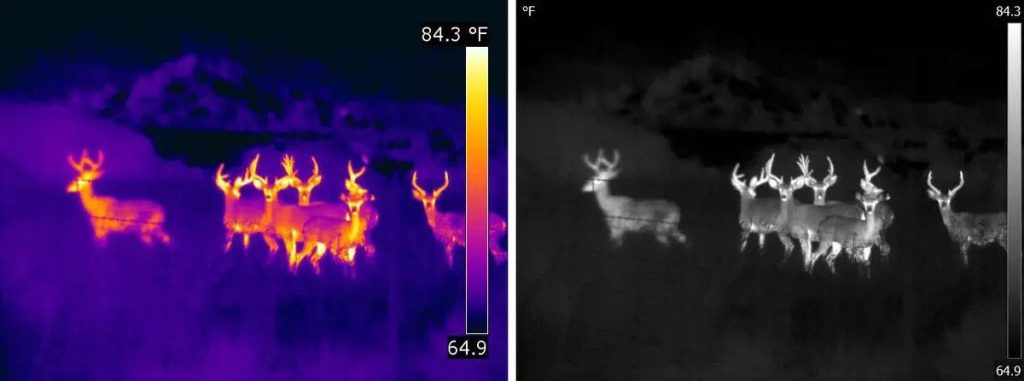
Use Cases and Best Choices for Infrared vs Starlight Night Vision
Security and surveillance
- Infrared is common for perimeter cameras and guarded sites. It keeps footage consistent at night.
- Starlight is preferred where stealth and natural appearance matter, like discreet surveillance or heritage sites.
Wildlife observation and research
- I used infrared for close-range camera traps; they gave sharp images of animals at night.
- For quiet, long-term observation, I favored starlight gear because it didn’t startle animals.
Hunting and tactical use
- Infrared is effective for short-range identification and tracking.
- Starlight is better when you need to stay hidden and preserve natural night vision.
Maritime and search
- Infrared helps spot objects in total darkness but reflects off water.
- Starlight can detect silhouettes against faint horizon light with less reflection.
How I choose in the field
- For a long camera trap session, choose starlight to avoid scaring wildlife.
- For security gates and clear IDs at night, choose infrared for consistent detail.
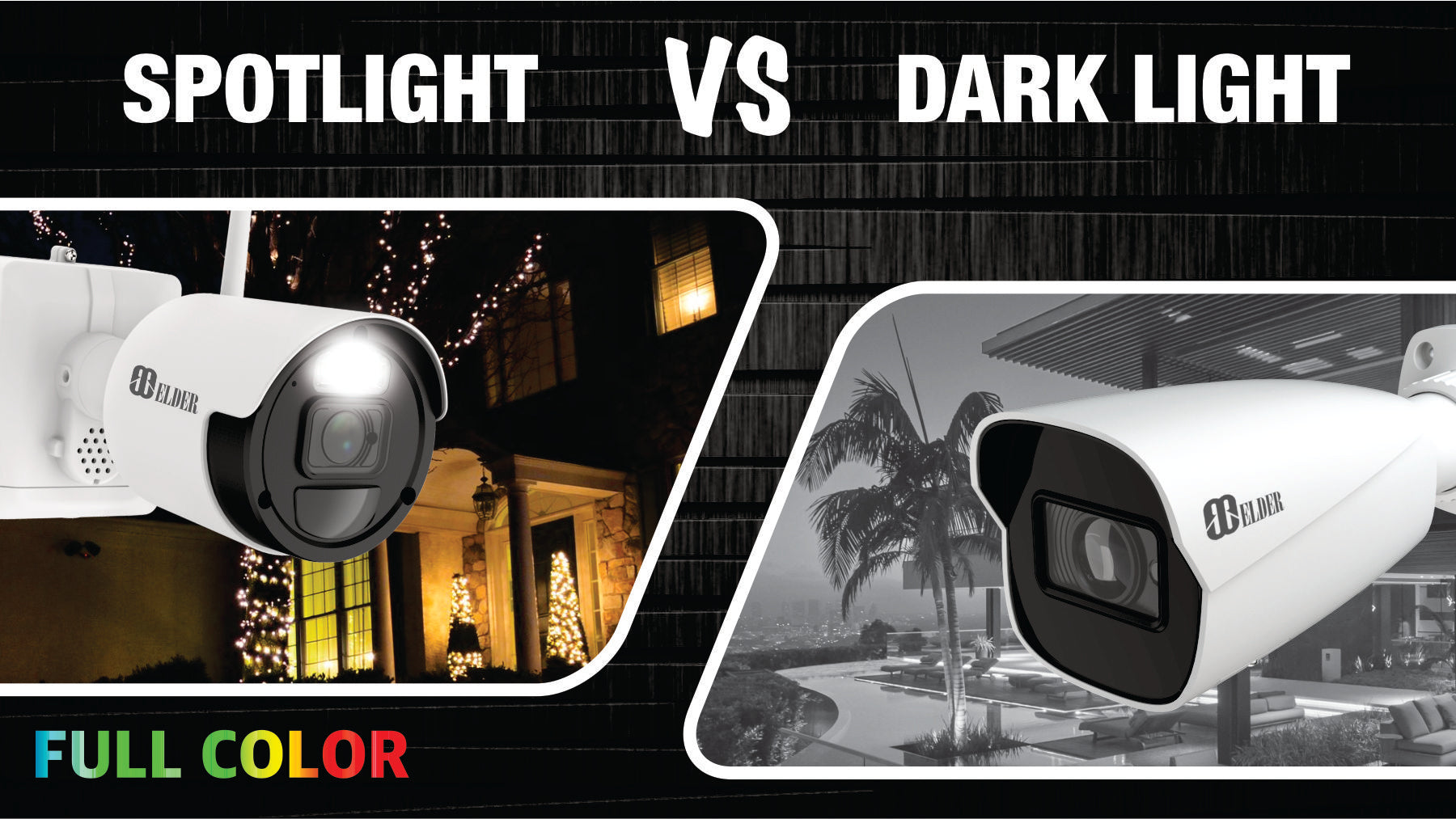
Buying Guide and Practical Tips for Infrared vs Starlight Night Vision
What to check before you buy
- Sensitivity rating: Look for low-lux or SNR numbers for starlight sensors.
- IR range and wavelength: For infrared, note if LEDs are 850 nm or 940 nm; 850 nm is brighter; 940 nm is stealthier.
- Lens quality: Glass optics improve clarity and range.
- Power draw: Important for battery-run setups.
Common mistakes to avoid
- Relying only on specs: Field tests matter more than claimed ranges.
- Ignoring environment: Urban light helps starlight; rural dark favors infrared.
- Overpowering IR: Too much illumination creates bloom and loss of detail.
Simple tests to try in-store or at home
- Turn off lights and test an IR camera in total darkness.
- Test starlight performance outdoors on a moonlit night.
- Photograph reflective surfaces to see how each handles glare.
Personal tips from my experience
- Keep spare batteries for IR systems in long deployments.
- Use adjustable IR emitters to dial back intensity and reduce spotting.
- Clean lenses regularly and protect sensors from condensation.
PAA-style quick questions
Is starlight better than infrared for wildlife?
Starlight is usually better for wildlife because it is passive and less likely to startle animals. Infrared can work but may trigger some species.
Can infrared cameras see through fog better?
No. Infrared often reflects off fog and rain, reducing clarity. Starlight also struggles, but both are limited in heavy weather.
Which is more power efficient, infrared or starlight?
Starlight is typically more power efficient since it does not run constant illumination. Infrared draw increases with stronger emitters.

Frequently Asked Questions of Infrared vs Starlight Night Vision
What is the main difference between infrared and starlight night vision?
Infrared uses active illumination that bounces off objects, while starlight amplifies tiny amounts of natural light. Infrared works in total darkness; starlight needs some ambient light.
Which technology gives better image detail at night?
Infrared generally gives sharper detail under its own illumination. Starlight gives a more natural look but can be softer and less detailed in very dark settings.
Are starlight systems detectable by others?
No, starlight systems are passive and hard to detect because they do not emit light. This makes them good for stealth observation.
Can infrared be used without being seen?
Some infrared at 940 nm is nearly invisible to humans and many animals, but sensitive detectors can still notice it. Strong IR at 850 nm may be faintly visible in some cases.
Do both systems work in all weather conditions?
Both systems degrade in heavy fog, rain, or snow. Infrared can reflect back from particles and lose contrast, and starlight needs clear or partially clear skies to work best.
Is one more expensive than the other?
Costs vary. High-end starlight sensors and professional IR systems can both be costly. Price often reflects sensor quality and optics rather than just the technology.
Conclusion
Infrared vs Starlight Night Vision each fill clear roles. Choose infrared when you need reliable detail in total darkness and don’t mind active illumination. Choose starlight when stealth, low power, and natural-looking scenes matter. My advice: test in conditions you will use most, and pick the system that matches your environment and goals. Try a side-by-side trial if possible, and share your experience or questions below to help others decide.