Smart cameras cover wide areas; smart doorbells focus on front-door interactions and visitor alerts.
I’ve tested and lived with both systems for years. This guide breaks down Smart Camera vs Smart Doorbell with clear advice. You’ll learn how each device works, when one beats the other, what to expect on cost and privacy, and how to pick the right setup for your home. Expect simple examples, real lessons from my tests, and a practical checklist to choose with confidence.

Source: amazon.com
Exclusive Deals
Limited-time Exclusive Deals. Check current discount on Amazon.
Check Price on Amazon As an Amazon Associate I earn from qualifying purchases.How smart cameras and smart doorbells work
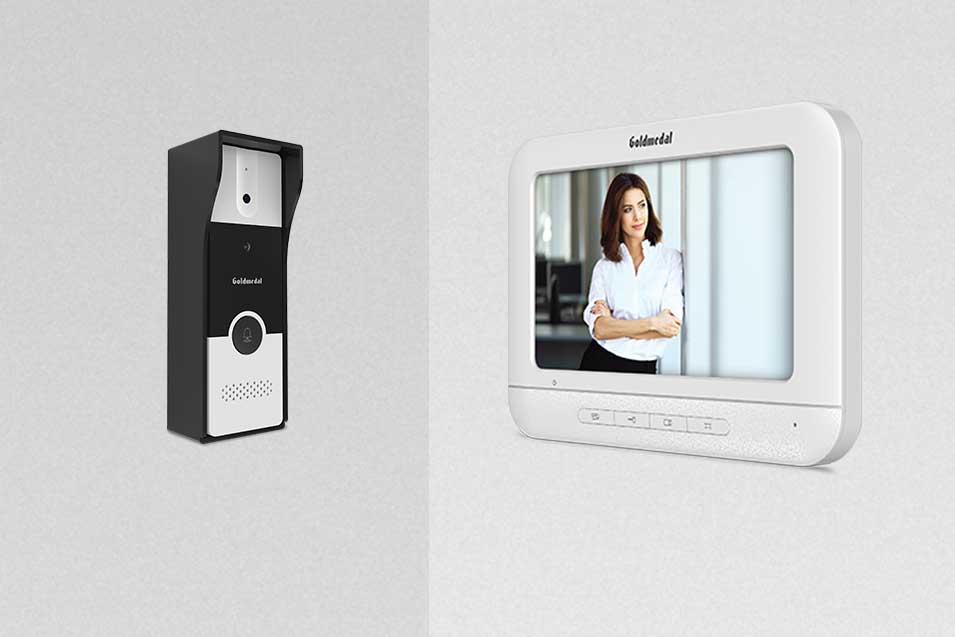
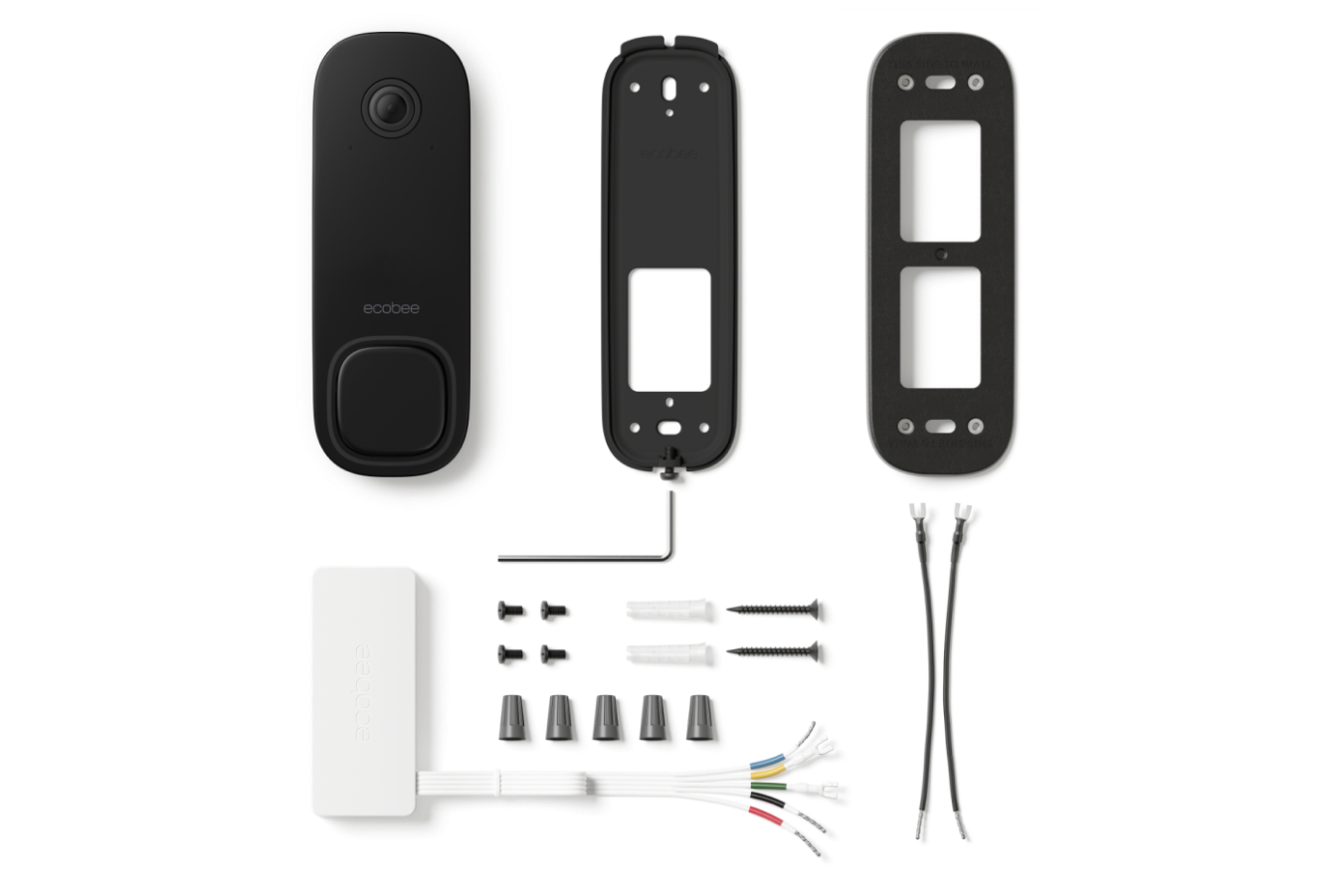
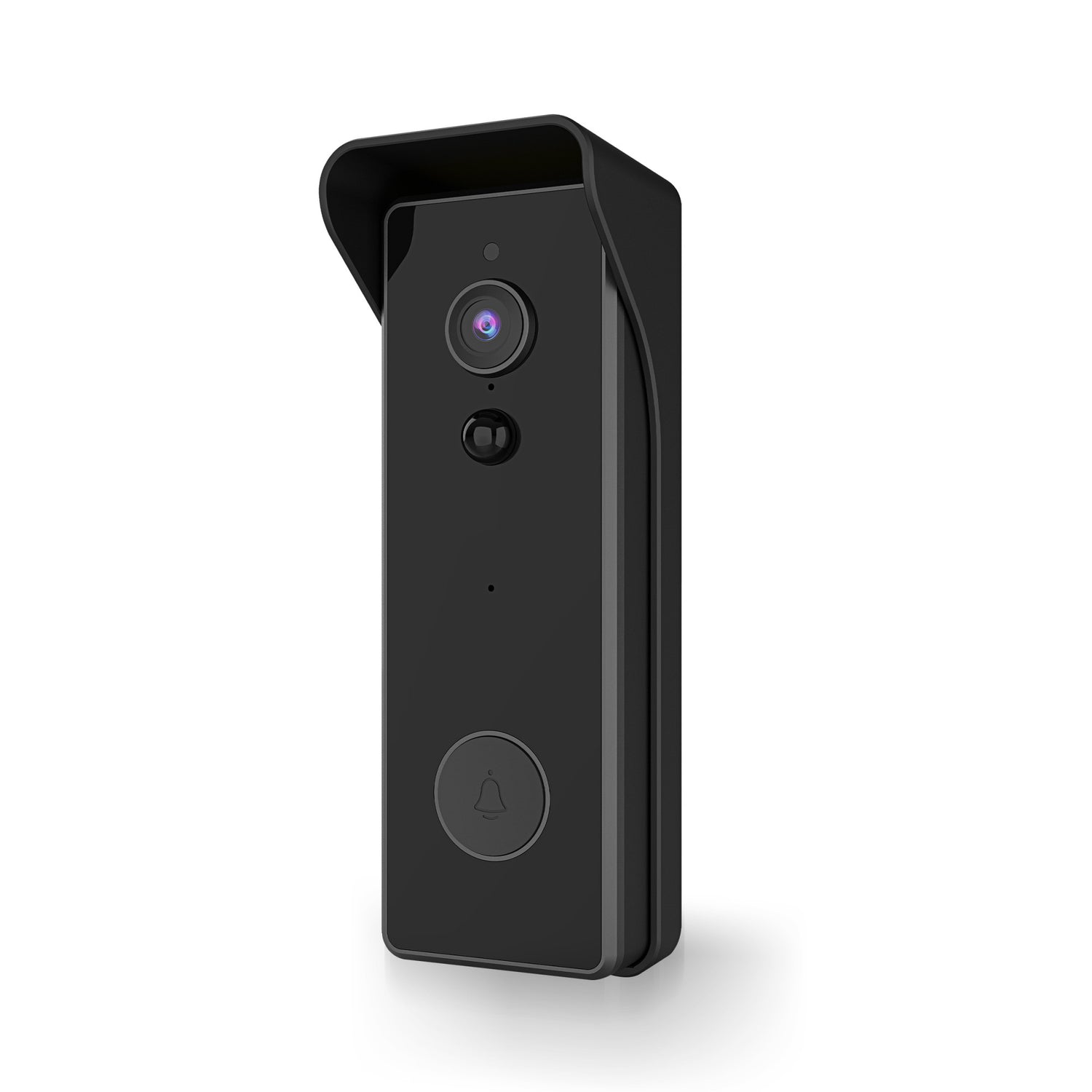
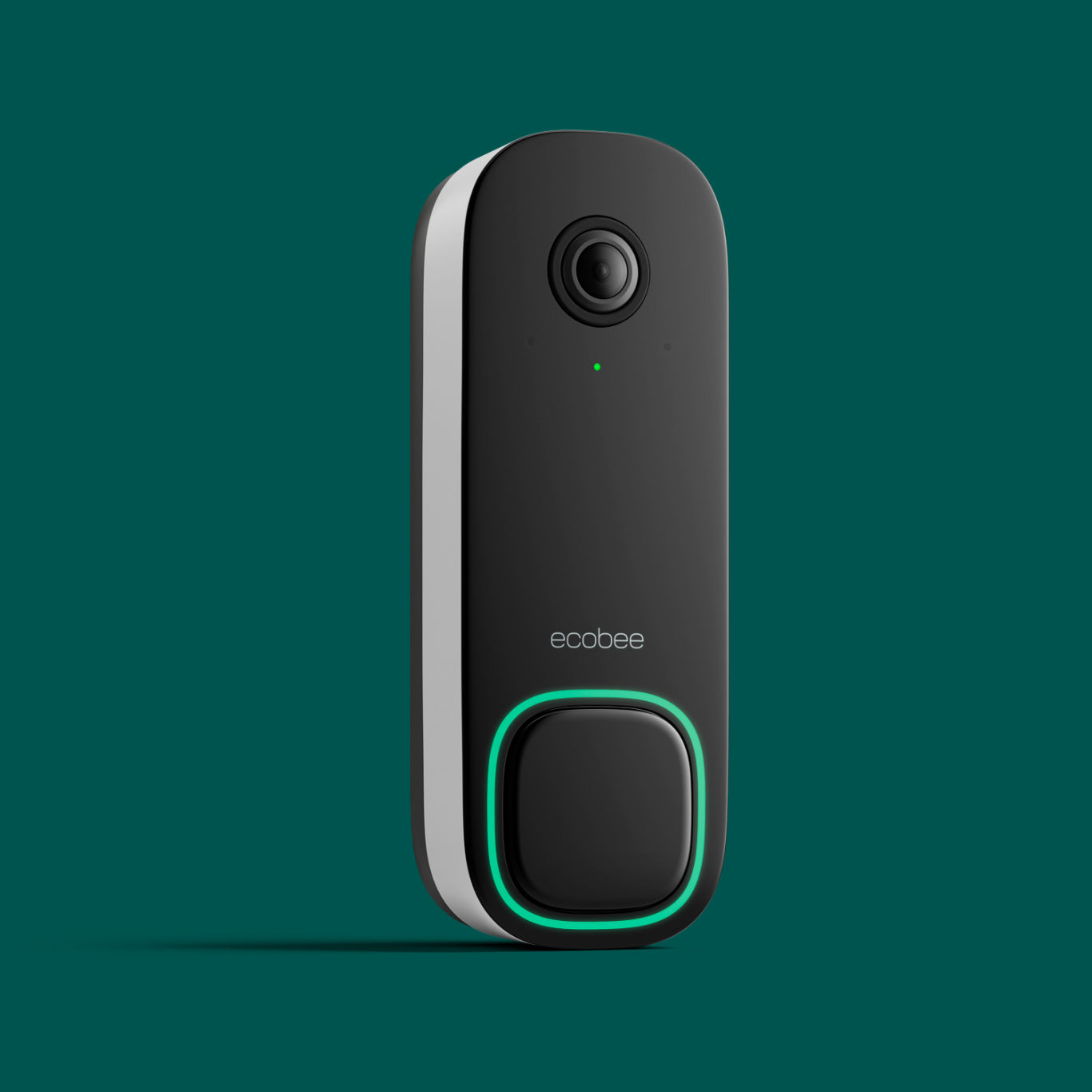
Smart cameras are cameras with networked video, motion detection, and cloud or local storage. They watch a zone and send clips or live streams to your phone. Smart doorbells combine a camera, a chime, and two-way audio at your front door. They ring the bell when someone presses it and alert you for motion or a visitor.
Both use Wi-Fi or wired connections and run software that detects motion and faces. Many link to smart home systems and voice assistants. I used both types for months. The camera watched my backyard. The doorbell handled every package and visitor at the porch. These hands-on tests shaped the practical tips in this article.
Source: goldmedalindia.com
Key differences: Smart Camera vs Smart Doorbell
- Placement and purpose: Smart cameras aim at wider areas like yards and driveways. Smart doorbells focus on the front door and immediate porch area.
- Field of view: Cameras often have adjustable lenses and wider coverage. Doorbells have a narrower, downward-facing view focused on packages and faces.
- Interaction: Doorbells include a chime and two-way talk for live conversations. Cameras may have two-way talk but lack a physical door chime.
- Power and wiring: Cameras can be battery, solar, or wired. Doorbells commonly use existing doorbell wiring or batteries.
- Alerts and detection: Doorbells tend to trigger for close-range motion and button presses. Cameras catch distant motion and can use advanced object detection.
- Installation: Cameras are easier to place in many spots. Doorbells require front-door access and sometimes wiring changes.
- Legal and privacy scope: Cameras watch broad spaces and need careful placement. Doorbells are focused and usually capture visitors only.
Smart Camera vs Smart Doorbell decisions come down to location and intent. If you want to monitor a yard, choose a smart camera. If you want to manage visitors and packages, the smart doorbell is best.
Exclusive Deals
Limited-time Exclusive Deals. Check current discount on Amazon.
Check Price on Amazon As an Amazon Associate I earn from qualifying purchases.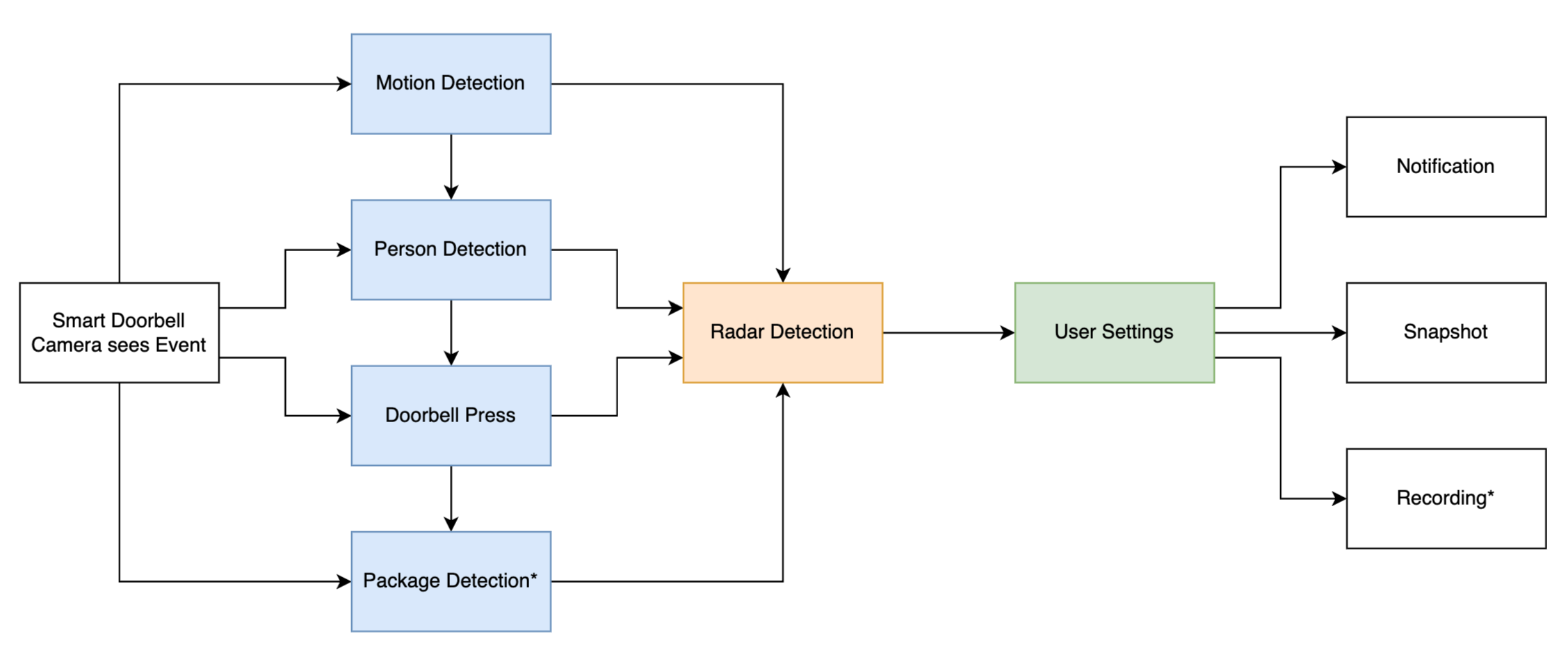
Source: ecobee.com
Features to compare
Video quality and night vision
- Resolution: Higher resolution gives clearer faces and license plates.
- Night view: Look for infrared or color night modes.
- My tip: For porches, 1080p is often enough; for long driveways, 2K or 4K helps.
Motion detection and alerts
- Basic motion vs smart detection: Smart alerts reduce false alarms by spotting people or vehicles.
- Sensitivity: Adjustable sensitivity cuts noise from trees or traffic.
- Real test: I tuned sensitivity down after false alerts from passing cars.
Two-way audio and intercom
- Doorbells include chimes and a clear talk path to the person at your door.
- Some cameras offer two-way audio for remote conversations.
- For delivery managers, two-way talk via a doorbell feels more natural.
Integration and automation
- Look for standard integrations: smart hubs, voice assistants, and IFTTT.
- Use automations like turning lights on with motion or locking doors with a camera event.
Storage and subscriptions
- Local storage keeps video on-device. Cloud storage costs monthly fees.
- Many smart doorbells require subscriptions for recorded history.
- Tip: Compare subscription costs before buying.
Power and battery life
- Battery devices offer easy placement but need charging.
- Wired devices run continuously and support higher performance features.
Weatherproofing and durability
- For outdoor cameras and doorbells, IP65 or better is ideal.
- Metal housings resist heat and freeze conditions better than plastic.

Source: amazon.com
Use cases and placement scenarios
- Front door monitoring: Smart doorbell for face-level view and visitor conversation.
- Backyard and perimeter: Smart camera for wide coverage and long-range detection.
- Garage and alley: Smart camera for motion-based recording and night clarity.
- Indoor rooms: Smart camera for nanny cams, pet watching, or baby monitoring.
- Package protection: Doorbell at the porch plus a camera on the driveway makes a strong combo.
PAA-style questions
Exclusive Deals
Limited-time Exclusive Deals. Check current discount on Amazon.
Check Price on Amazon As an Amazon Associate I earn from qualifying purchases.Which is better for package theft: smart camera or smart doorbell?
A doorbell records the package area closely and offers two-way talk. A smart camera adds wider coverage to catch thieves approaching from other angles.
Do smart doorbells need a subscription?
Basic live alerts often work without a plan, but recorded history and advanced alerts usually need a subscription.
Can a smart camera replace a smart doorbell?
Technically yes for video, but you may lose the physical chime and easy visitor interaction a doorbell provides.

Source: feit.com
Privacy, security, and legal considerations
- Data encryption: Choose devices with end-to-end encryption when possible.
- Account security: Use strong, unique passwords and two-factor authentication.
- Neighbor privacy: Aim cameras at your property only to avoid legal problems.
- Local laws: Some regions restrict audio recording or camera placement near public spaces.
- Vulnerabilities: Outdated firmware can be a risk; update devices regularly.
From my experience, enabling two-factor authentication and auto-updates stopped a lot of worry. Treat network security as part of your device plan.
Source: ecobee.com
Installation, cost, and maintenance
- Upfront cost: Cameras and doorbells range widely, from budget to premium models.
- Subscription cost: Factor in monthly fees for cloud storage and advanced features.
- DIY vs pro install: Doorbells with wiring or high-mounted cameras may need an electrician or ladder work.
- Maintenance: Battery swaps, cleaning lenses, and firmware updates are needed.
- Lifetime cost: Add the energy use, replacement batteries, and subscription to the sticker price.
I once underestimated subscription costs for face recognition. That taught me to tally first-year and long-term costs before buying.
Source: feit.com
Personal experience and practical tips
I installed a smart camera to watch my driveway and a smart doorbell at the porch. The camera alerted me to a van at night. The doorbell handled four package deliveries and an unexpected visitor call. Key lessons I learned:
- Mount cameras higher to reduce tampering.
- Angle doorbells slightly down to capture faces and packages.
- Test motion zones to cut down false alerts from street traffic.
- Start with trial subscriptions to test detection features before committing.
A mistake I made was relying on default settings. Tweaking sensitivity and zones improved accuracy and cut false alarms by half.
Source: ecobee.com
Choosing the right device for your needs
Follow this simple checklist:
- Define the problem: Do you want visitor interaction or wide-area surveillance?
- Pick location: Porch favors doorbell; yard favors camera.
- Compare features: Video quality, night vision, power, storage, and integrations.
- Calculate total cost: Include hardware, installation, and subscription fees.
- Check privacy and legal rules: Ensure your plan respects neighbors and laws.
- Test before full roll-out: Use trials and short-term placements to validate performance.
If you want both visitor interaction and wide coverage, get a smart camera and a smart doorbell together. They complement each other well.
Frequently Asked Questions of Smart Camera vs Smart Doorbell
What is the main difference between a smart camera and a smart doorbell?
A smart camera monitors a wider area and focuses on surveillance. A smart doorbell targets the front door and adds a chime and two-way talk for visitor interaction.
Do smart doorbells record continuously like cameras?
Most smart doorbells record on event triggers or button presses. Some models offer continuous recording with a subscription or local storage options.
Can I use a smart camera as a doorbell?
You can use a smart camera for video, but you may miss a physical chime and the ease of two-way guest conversations that a doorbell provides.
Are subscriptions required for advanced features?
Advanced features like cloud history, person detection, and package alerts often require a subscription. Basic live viewing sometimes works without one.
How do I protect privacy with these devices?
Place cameras to avoid recording public spaces and neighbors. Enable encryption, use strong passwords, and follow local laws on audio and video recording.
Will smart cameras alert me for every small motion?
No, good devices offer sensitivity zones and smart detection to limit alerts to people or vehicles. Adjust settings to reduce false alarms.
Conclusion
Smart Camera vs Smart Doorbell is a choice about purpose, not a single winner. Use cameras for broad surveillance and doorbells for close-up visitor handling. Combine both to cover blind spots and manage deliveries. Start by defining your needs, checking costs, and testing devices before long-term commitment. Try a short trial, tune motion and zones, and secure your accounts to get the best results. If this guide helped, leave a comment with your setup or subscribe for more hands-on tips and comparisons.