Outdoor Camera vs Trail Camera: Choose outdoor cameras for live monitoring; trail cameras for stealthy wildlife capture.
Exclusive Deals
Limited-time Exclusive Deals. Check current discount on Amazon.
Check Price on Amazon As an Amazon Associate I earn from qualifying purchases.As someone who has installed, tested, and hunted with both types, I know the real strengths and limits of Outdoor Camera vs Trail Camera. This article lays out clear comparisons, real-field tips, and buying guidance so you can pick the best tool for your goal—security, wildlife study, or hunting. Read on for practical advice you can use today.
How Outdoor Camera vs Trail Camera Differ at a Glance
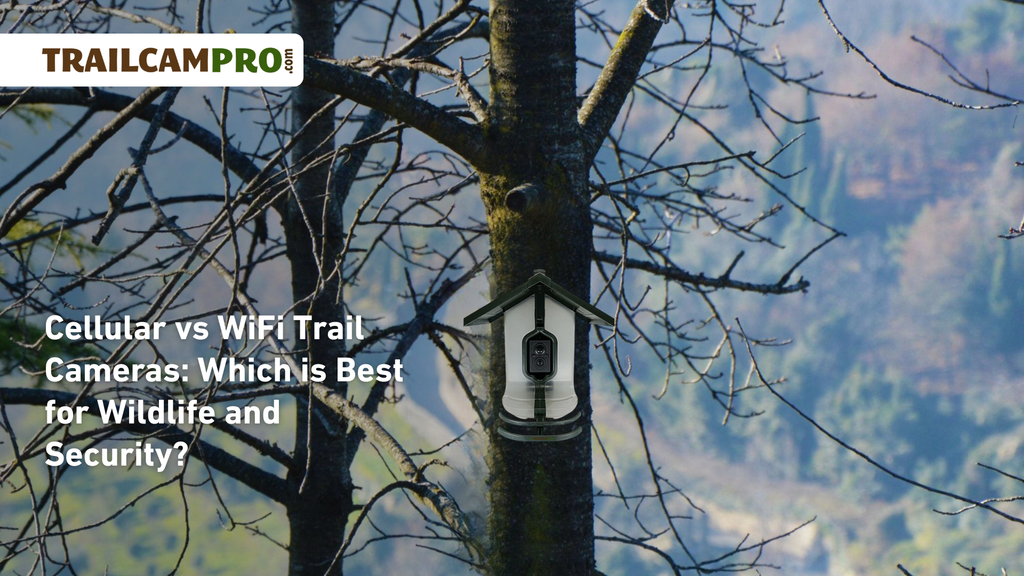
Outdoor Camera vs Trail Camera serve different purposes despite similar looks. Outdoor cameras focus on continuous monitoring, live feeds, and smart alerts. Trail cameras focus on stealth, battery life, and triggered stills or clips for wildlife capture. Choosing the right one means matching features to your use case and environment.

Exclusive Deals
Limited-time Exclusive Deals. Check current discount on Amazon.
Check Price on Amazon As an Amazon Associate I earn from qualifying purchases.Design, Build, and Camouflage
Outdoor Camera vs Trail Camera differ in build and look.
Outdoor cameras
- Often have sleek, weatherproof housings for wall or eave mounts.
- Prioritize visible presence for deterrence.
- Offer mounting brackets and adjustable angles.
Trail cameras
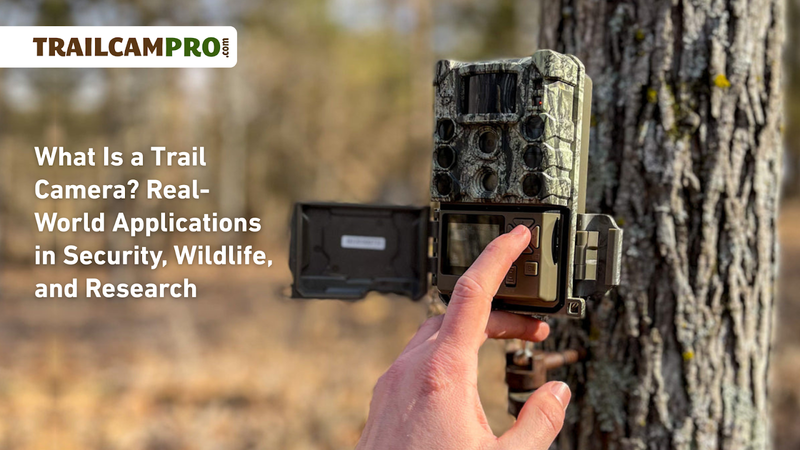
- Are compact and boxy to hide on trees or posts.
- Use camo patterns and lock slots to resist theft.
- Are built for rough field use and long idle periods.
In short, choose an outdoor camera when visibility and aesthetics matter. Choose a trail camera when concealment and ruggedness matter.

Exclusive Deals
Limited-time Exclusive Deals. Check current discount on Amazon.
Check Price on Amazon As an Amazon Associate I earn from qualifying purchases.Power, Connectivity, and Storage
Outdoor Camera vs Trail Camera approach power and data differently.
Outdoor cameras
- Usually draw mains power or use a large rechargeable battery.
- Offer Wi-Fi or wired Ethernet for live streaming and cloud backup.
- Store to cloud or local network storage.
Trail cameras
- Rely on AA batteries or internal packs for months.
- Often lack live streaming; they store on SD cards.
- Some models add cellular plans for remote image delivery.
If you need instant alerts, outdoor cameras with Wi‑Fi or cellular are best. If you need long-term field deployment without power, a trail camera is the better pick.
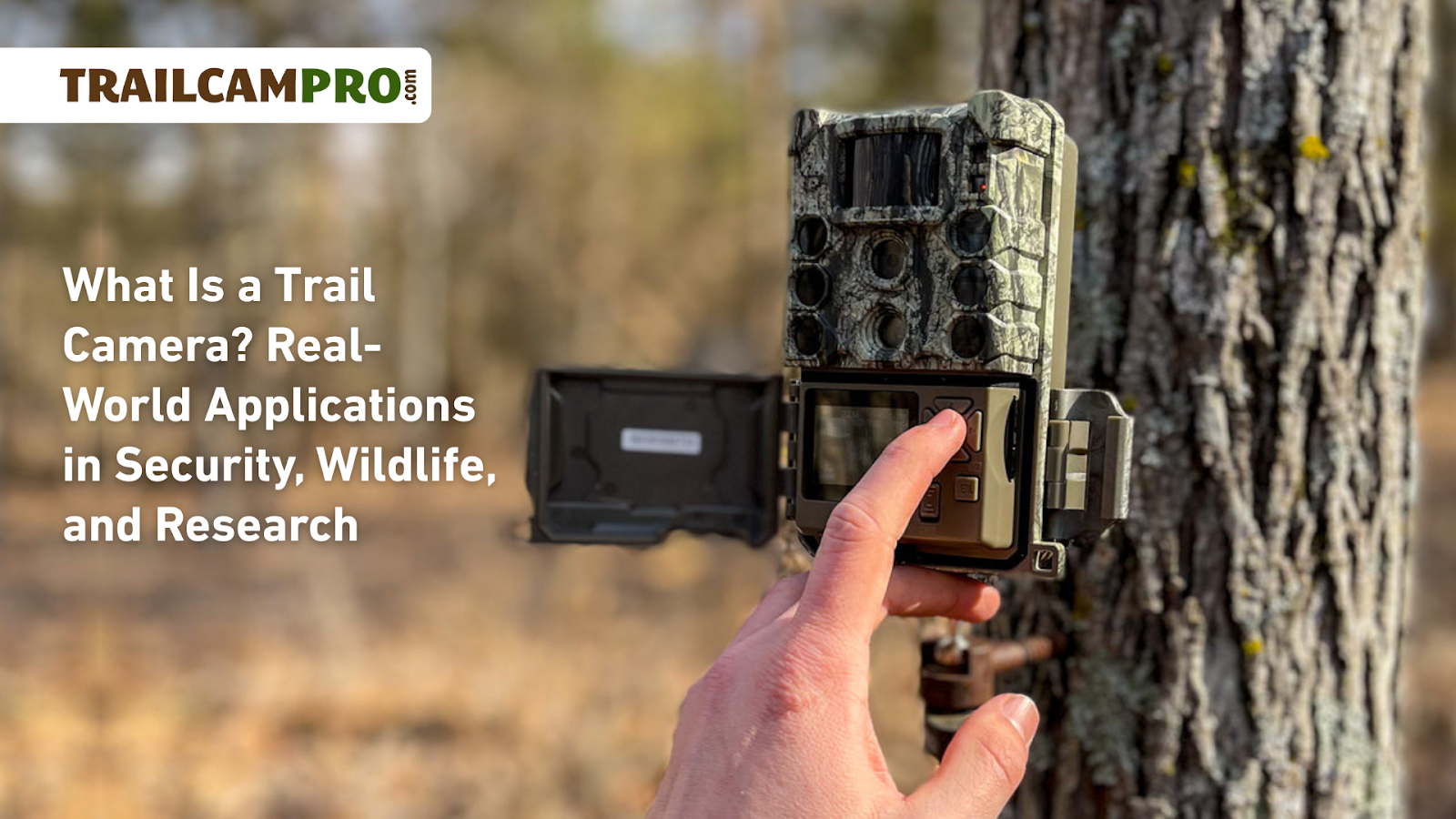
Image Quality, Night Vision, and Triggering
Image capture is central to Outdoor Camera vs Trail Camera choice.
Outdoor cameras
- Often use continuous video with higher resolutions and frame rates.
- Use infrared or low-light sensors for consistent night video.
- Have motion zones and smart detection to cut false alerts.
Trail cameras
- Prioritize sharp stills and short clips on trigger.
- Use invisible infrared or low-glow flash to avoid spooking animals.
- Offer very fast trigger speeds and long recovery times to capture quick subjects.
Think: video and live detail for security; stealthy stills and low power for wildlife.

Use Cases: Home Security, Wildlife Monitoring, Hunting, Research
Match Outdoor Camera vs Trail Camera to the job.
Home security
- Outdoor cameras are the top choice for continuous surveillance, doorbell integration, and immediate alerts.
Wildlife monitoring
- Trail cameras win with camouflage, long battery life, and motion-triggered photos.
Hunting
- Trail cameras help pattern game and confirm presence without human visits.
Research and conservation
- Trail cameras collect time-stamped, unobtrusive data for studies.
- Outdoor cameras can supplement habitats close to structures for behavioral studies.
Choose based on data needs. Use readers, timestamps, and consistent placement for reliable results.

Can I use a trail camera for home security?
Yes. Trail cameras can record motion-triggered images at entry points, but they lack live streaming and smart alerts. For active monitoring and quick response, pair with an outdoor security camera.
Will an outdoor camera disturb wildlife?
Some outdoor cameras use visible lights or audio that can disturb animals. Choose models with invisible IR or passive night sensors for wildlife work. Distance and placement also reduce disturbance.
Legal Considerations and Ethics
Both camera types raise privacy and legal concerns.
Privacy
- Avoid pointing cameras at neighbors, private property, or spaces where people expect privacy.
- Laws vary by region; check local statutes before installing.
Hunting and research permits
- Some areas restrict camera placement during certain seasons or on public land.
- Research projects may require permits or ethical review.
Always disclose surveillance where required and follow local rules. Transparency protects you and your data.
Price, Brands, and Buying Tips
Budget matters when deciding Outdoor Camera vs Trail Camera.
Price ranges
- Outdoor cameras: low-cost models to high-end systems with subscriptions.
- Trail cameras: budget trigger cams to rugged, cellular models with higher costs per image.
Buying checklist
- Battery life and power options.
- Connectivity: Wi‑Fi, Ethernet, or cellular.
- Image quality and night mode type.
- Mounting options and anti-theft features.
- Data storage: SD, cloud, or FTP.
Tips from the field
- Spend more on good weather sealing.
- For trail cams, buy extra batteries and a quality SD card.
- For outdoor cams, test Wi‑Fi range and latency before final placement.
My Field Experience and Practical Tips
I’ve used both camera types in backyards and deep woods. Here are hard-won tips.
Mounting height and angle
- For deer and large game, set trail cameras at 3 to 4 feet high and angled slightly downward.
- For security, mount outdoor cameras 8 to 10 feet high to avoid tampering and get a good field of view.
Trigger and delay settings
- Use short trigger speeds and minimal recovery time on trail cameras for fast animals.
- Set outdoor cameras to record clips and use motion zones to lower false alerts from trees or passing cars.
Weatherproofing and theft
- Use locks and cable ties for trail cameras on public land.
- Place outdoor cameras under eaves to reduce exposure and false alerts from rain.
Battery management
- For long trips, carry spare batteries for trail cams.
- Consider solar panels or power runs for outdoor cameras to avoid outages.
These tips saved me time and missed shots. Trial and adjust settings for your site.
Frequently Asked Questions of Outdoor Camera vs Trail Camera
What is the main difference between an outdoor camera and a trail camera?
The main difference is purpose: outdoor cameras are for live monitoring and security, while trail cameras are for stealthy, battery-efficient wildlife capture. Outdoor cameras favor connectivity; trail cameras favor concealment and long sleep times.
Can a trail camera send photos to my phone?
Some cellular trail cameras can send photos via a mobile network, but they require SIM plans and may incur data costs. Most basic trail cameras only store images locally on SD cards.
Which camera type is better for backyard wildlife?
For simple backyard observation, a trail camera gives clear, timestamped photos with low disturbance. An outdoor camera can stream live video and show continuous behavior if you want real-time viewing.
Do outdoor cameras need subscriptions?
Many outdoor camera manufacturers offer optional cloud subscriptions for storage and advanced features, but basic recording and local storage can work without a plan. Check the model details before buying.
Are trail cameras legal to use on public land?
Legality varies by state and land management rules; some public lands ban or restrict camera placement during hunts. Always check local regulations and obtain permits if needed.
How do I prevent false triggers on outdoor cameras?
Adjust motion sensitivity, set detection zones, and aim cameras away from moving branches or busy streets. Firmware updates and smart detection can also reduce false alerts.
Can I use solar power for trail cameras?
Some trail cameras support solar panels or external power packs, which extend deployment time. Ensure the panel is rated for the camera and placed where it gets sun without spooking wildlife.
Conclusion
Outdoor Camera vs Trail Camera each excel at different tasks. Choose an outdoor camera for real-time monitoring, smart alerts, and continuous video. Choose a trail camera for stealth, battery life, and triggered wildlife photos. Test placement and settings in your environment. Start with a clear goal, buy the core features you need, and iterate based on results. Try one of each if you can, compare outcomes, and then scale up. Share your experience below, subscribe for updates, or ask a question so I can help you pick the right camera.