
Combination Safe vs Biometric Safe: Mechanical codes are reliable; biometrics offer speed but need power and backup.
I’ve worked with vaults and home safes for years, testing locks, batteries, and real-world scenarios. This article on Combination Safe vs Biometric Safe walks you through how each type works, where they shine, and what to avoid. You’ll get clear, practical guidance to pick the right safe for your needs and budget.


Exclusive Deals
Limited-time Exclusive Deals. Check current discount on Amazon.
Check Price on Amazon As an Amazon Associate I earn from qualifying purchases.What are combination safes and biometric safes?
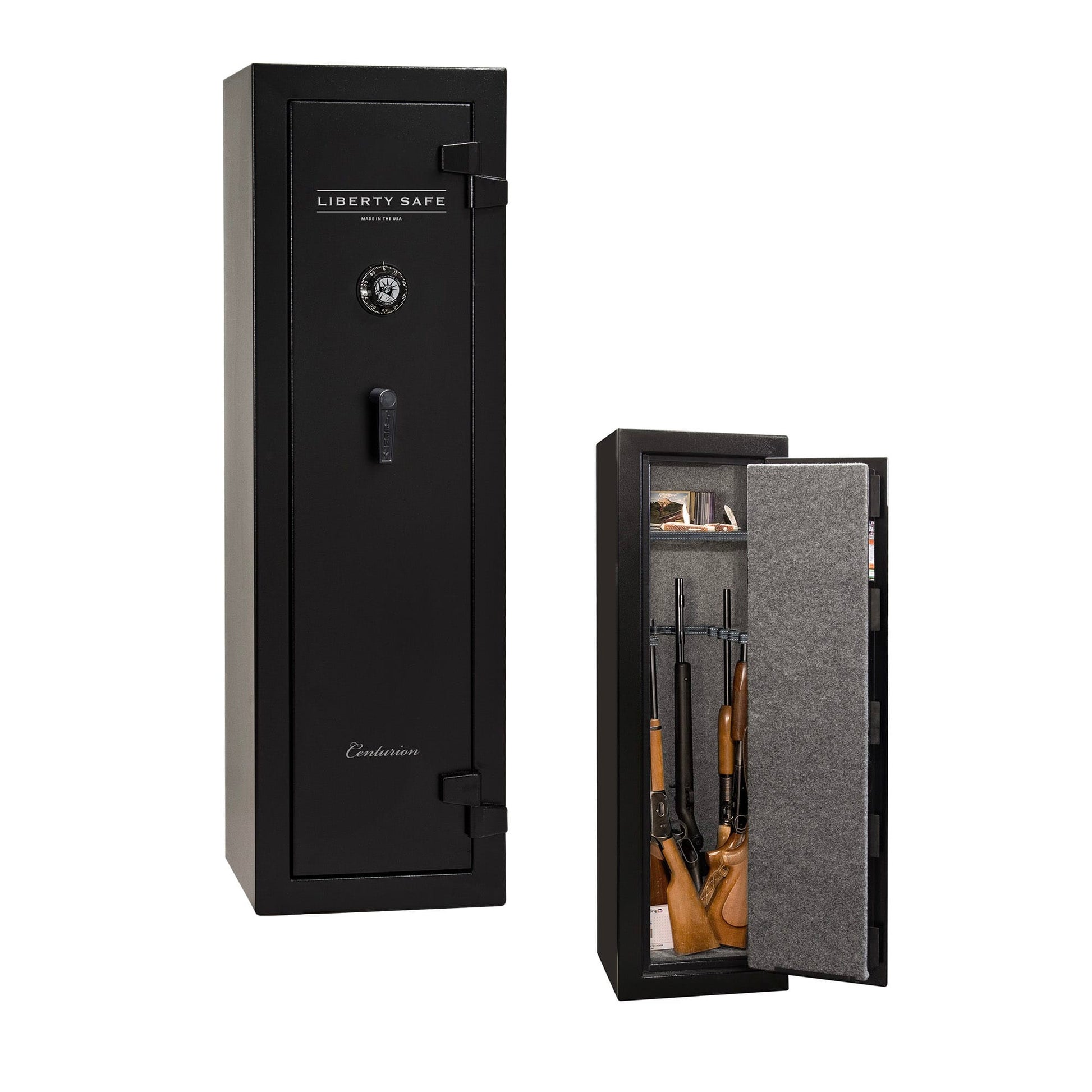
A combination safe uses a numeric code or rotating dial to lock and unlock. Many models are fully mechanical or electronic. Combination Safe vs Biometric Safe often comes down to whether you prefer memorized codes or a fingerprint.
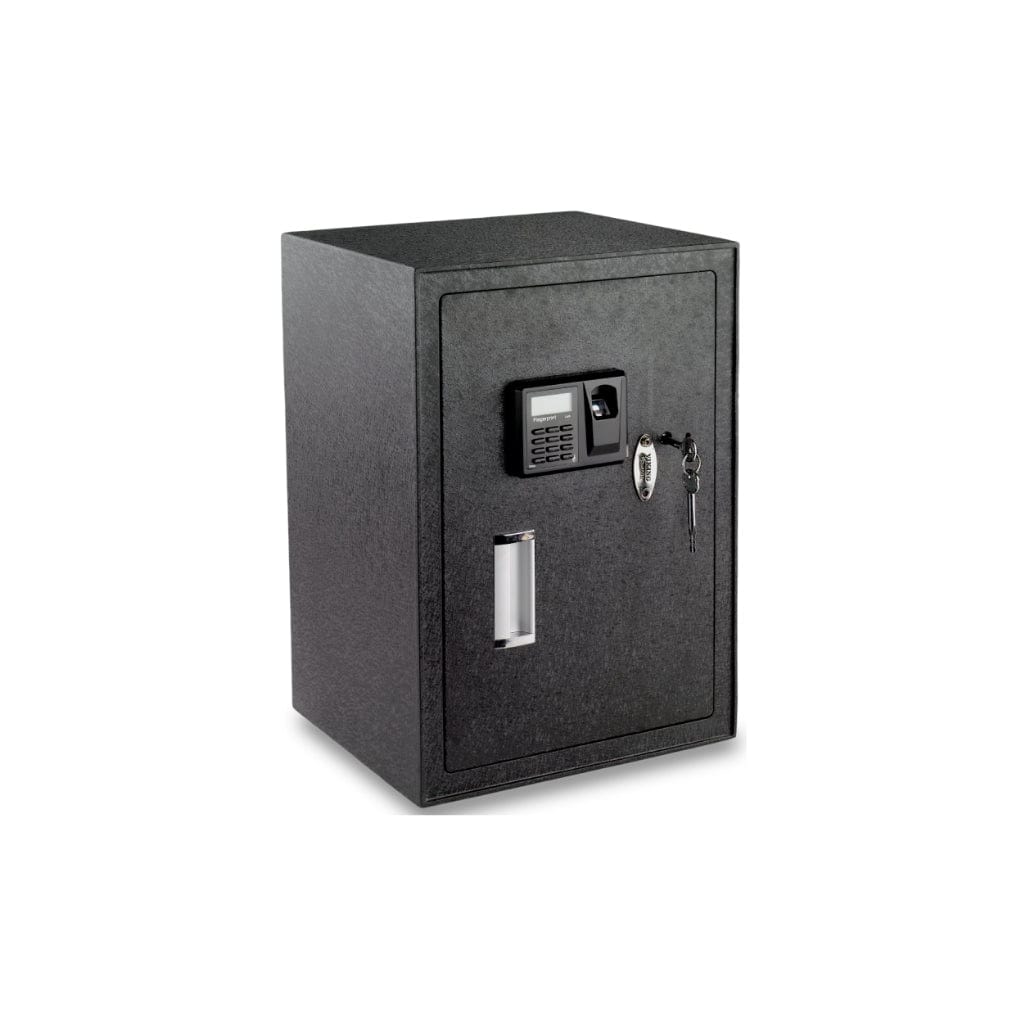
A biometric safe uses a fingerprint scanner or other biological reading to open. It reads unique physical traits. Biometric systems may also include PIN backups or physical keys. Both types aim to protect valuables, but they use different trust models and tech.

How they work: basics and differences
Exclusive Deals
Limited-time Exclusive Deals. Check current discount on Amazon.
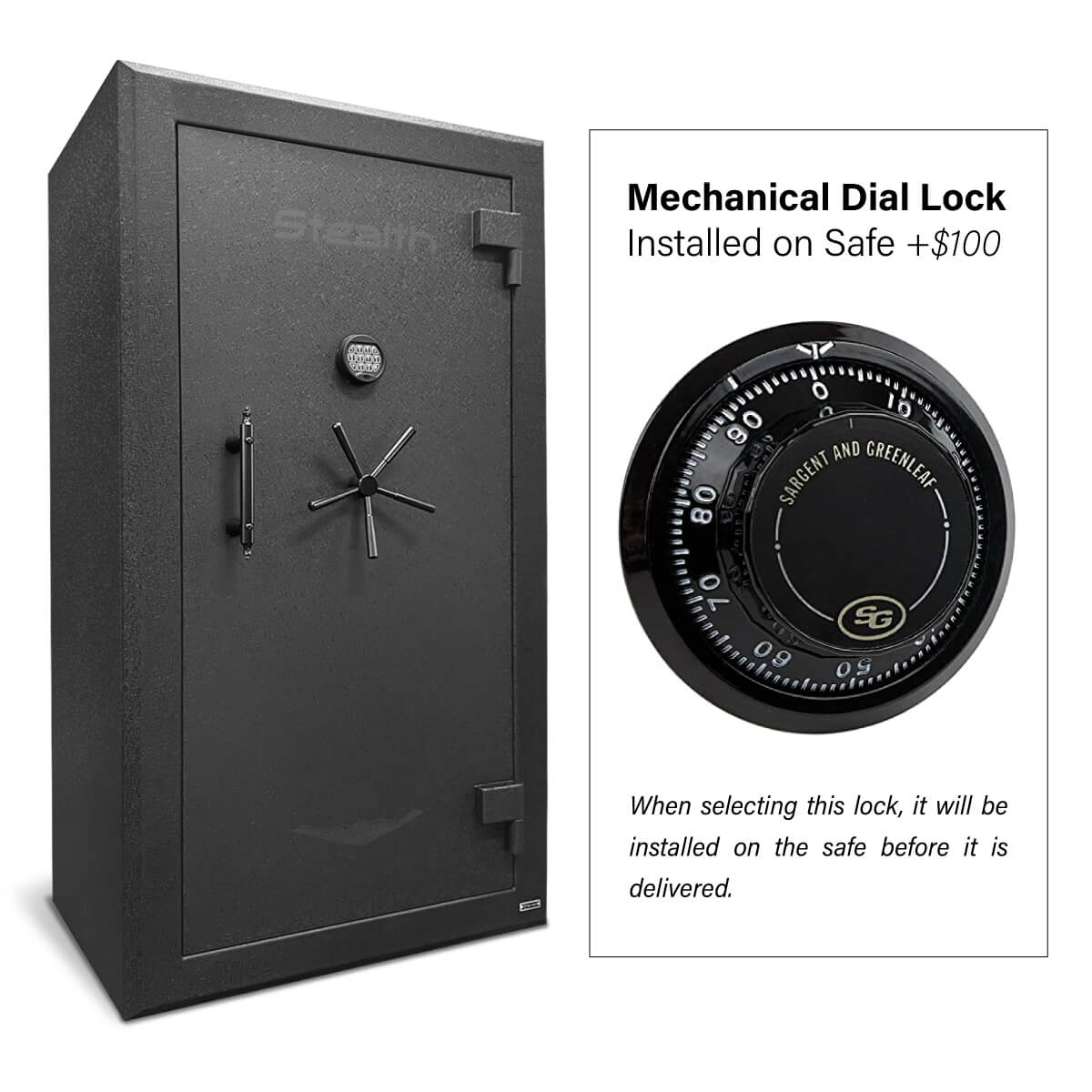
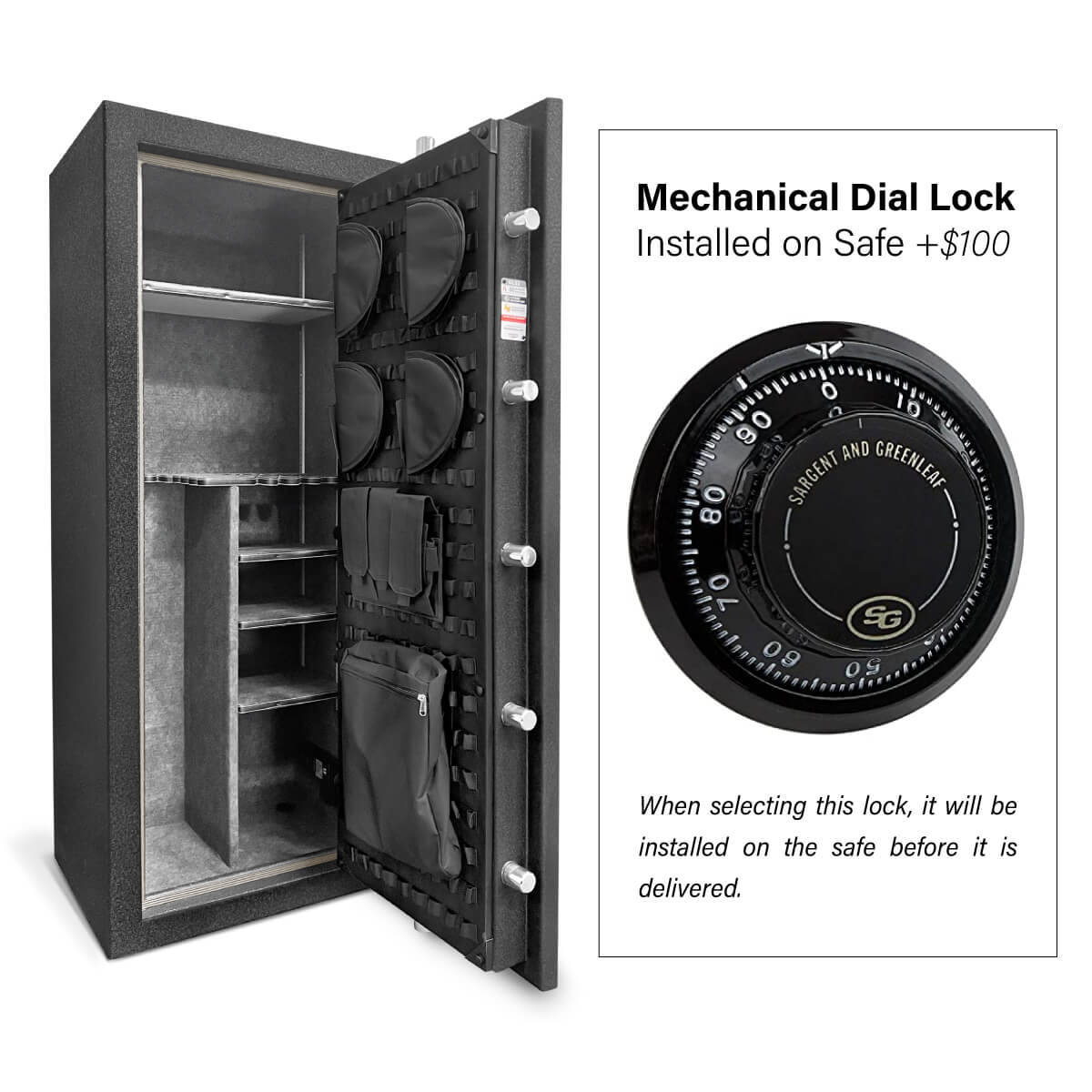
Check Price on Amazon As an Amazon Associate I earn from qualifying purchases.- Mechanical dial systems use gears and tumblers. You turn a dial through a set sequence to align internal parts.
- Electronic combos use a keypad and microcontroller. You press a code and the lock motor retracts a bolt.
- No power needed for true mechanical combos. Electronic combos need batteries or mains.
Biometric safes
- A scanner reads a fingerprint pattern or other biometric data. The system matches it to stored templates.
- Most models use capacitive or optical sensors. Once matched, an actuator opens the bolt.
- They need power. Many include battery backup, and a PIN or override key for emergencies.
Combination Safe vs Biometric Safe matters most when you consider access speed, reliability, and backup methods. Mechanical systems win in power-free reliability. Biometric systems win in speed and hands-free access.

Exclusive Deals
Limited-time Exclusive Deals. Check current discount on Amazon.
Check Price on Amazon As an Amazon Associate I earn from qualifying purchases.Pros and cons
Combination safes – pros
- No battery failure for mechanical models.
- Hard to duplicate by simple inspection.
- Familiar tech with long history.
Combination safes – cons - Slower to open than biometrics.
- Codes can be forgotten or observed.
- Electronic combos can fail if batteries die.
Biometric safes – pros
- Fast one-touch access. Useful in urgent needs.
- Harder to share; biometrics are uniquely tied to a person.
- Convenient for users who do not want to remember codes.
Biometric safes – cons - Need power and periodic maintenance.
- Sensors can fail or misread due to dirt or injury.
- Biometric templates can be spoofed if low-quality sensors are used.
On the debate of Combination Safe vs Biometric Safe, consider the trade-off between reliability and convenience. Both can be secure if chosen and used properly.
Use cases and best fit
Home use
- Combination Safe vs Biometric Safe for home often depends on who needs access.
- If multiple family members need access, biometrics or multi-code electronic combos work well.
- For long-term storage of documents, a mechanical combination safe avoids battery worries.
Business and retail
- Fast access and audit logs make biometric safes useful at tills and stock rooms.
- High-traffic sites may prefer electronic combos with multi-user codes and logs for accountability.
Travel and portable
- Lightweight combination locks are simple and durable.
- Portable biometric units exist but need battery care.
Special needs
- Elderly users may struggle with small keypads. Biometrics can help if fingerprints read reliably.
- In legal or forensic contexts, a mechanical combination may be preferred for chain-of-custody clarity.
Think about real daily use when choosing between Combination Safe vs Biometric Safe. Convenience is great, but it should not reduce security.
Security comparison and failure modes
Physical attack resistance
- Bolt strength and case thickness matter more than lock type.
- Both combination and biometric safes can be drilled or pried if thin steel is used.
Electronic vulnerabilities
- Electronic combos and biometric safes can suffer from firmware flaws.
- Cheap units might have backdoors or predictable reset methods.
Failure modes
- Combination Safe vs Biometric Safe failures: combos risk forgotten codes; biometrics risk dead batteries or unreadable prints.
- Always check for physical override keys or PIN backups.
Best practices
- Use a safe with certified ratings (TL, UL) for higher security.
- Choose a model with tamper alerts and reliable backups.
PAA-style question: Are biometric locks more secure than combination locks?
Biometric locks can be more secure against casual access because fingerprints are hard to share. However, high-grade combination locks with good physical construction can match or exceed biometric security when used correctly.
PAA-style question: What happens if the battery dies on a biometric safe?
Most biometric safes include a backup key or an external power port for temporary power. Always test backups before relying on the lock.
Cost, maintenance, and lifespan
Cost comparison
- Basic mechanical combination safes start low. Mid-range electronic combos cost more.
- Biometric safes often cost more due to sensors and electronics.
Maintenance
- Combination Safe vs Biometric Safe maintenance differs. Mechanical combos need occasional lubrication.
- Biometric safes need battery changes, sensor cleaning, and firmware updates if available.
Lifespan
- Mechanical combos can last decades with little service.
- Biometric systems may need sensor replacement or electronics servicing after several years.
Buying tips
- Check warranty and support. Electronics require better manufacturer backing.
- Evaluate replacement battery access and use quality batteries.
My experience, lessons learned, and practical tips
I installed several safes for clients and my home over the past decade. I have used both mechanical combos and fingerprint safes. Here are real lessons from those installs.
Lessons learned
- Test the biometric sensor with different fingers and in different conditions. Wet or cut fingers fail.
- Keep a written backup code in a sealed envelope at a separate location. This saved a client when batteries failed.
- For valuables, invest in thicker steel and certified locks rather than the cheapest model.
Practical tips
- Register multiple fingerprints on a biometric safe for trusted users.
- Change codes regularly on electronic combination safes for businesses.
- Place the safe where it can be anchored. Physical anchoring prevents theft of the entire unit.
These tips come from hands-on work. They make the choice between Combination Safe vs Biometric Safe clearer and safer.

Frequently Asked Questions of Combination Safe vs Biometric Safe
What is the main difference between a combination safe and a biometric safe?
A combination safe uses a numeric code or dial to unlock, while a biometric safe uses a fingerprint or other biological trait. The combo focuses on memorized secrets; the biometric focuses on unique physical traits.
Which safe is faster to open in an emergency?
Biometric safes are usually faster since they open with one touch. Combination safes can take longer because you must enter a code or dial a sequence.
Can biometric safes be hacked or spoofed?
Some low-quality biometric sensors can be spoofed by skilled attackers. High-quality sensors and multi-factor setups reduce the risk significantly.
What if I forget my combination or my fingerprint won’t read?
Most electronic combos have master resets or override keys. Biometric safes often include PIN backups or physical keys for such situations.
Which is better for long-term document storage?
A mechanical combination safe is often better for long-term storage because it does not depend on batteries or electronics. It stays accessible even after many years.
How often do I need to change batteries in a biometric safe?
Battery life varies, but expect to change batteries every 6–18 months under normal use. Some models alert you well before power is critical.
Conclusion
Choosing between a Combination Safe vs Biometric Safe comes down to your priorities. Pick a combination safe if you want long-term reliability and no dependency on power. Choose a biometric safe if you value speed and hands-free access, but plan for battery care and backups. Focus first on build quality, certification, and real-world testing over flashy features. Take one practical step today: write down your backup plan, test it, and anchor your safe. If you found this helpful, share your experience or ask a question below.


