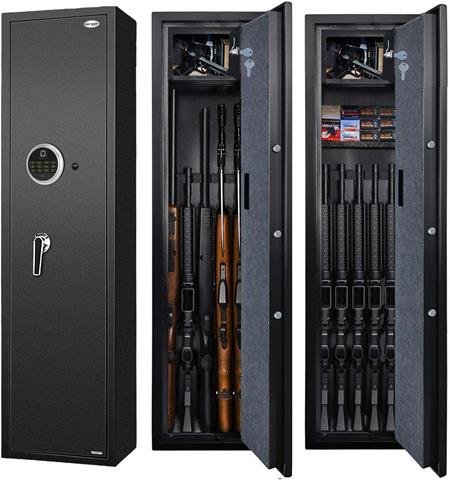
Keeping firearms secure is a responsibility every gun owner must take seriously. One of the simplest ways to prevent accidents or misuse is using trigger locks. But if you search for trigger locks online or at a store, you’ll see many types. Each offers unique features, levels of security, and ways to use. Picking the right one isn’t just about price—it’s about safety, convenience, and understanding which lock suits your gun and your situation best.
Exclusive Deals
Limited-time Exclusive Deals. Check current discount on Amazon.
Check Price on Amazon As an Amazon Associate I earn from qualifying purchases.This guide will help you understand the different types of trigger locks available today. You’ll learn how each type works, their strengths and weaknesses, and which could be the best fit for your needs. Whether you’re a new gun owner or someone looking to upgrade your safety tools, you’ll find clear, practical advice here.
What Is A Trigger Lock?
A trigger lock is a device designed to block the trigger of a firearm, making it impossible to fire. Most trigger locks clamp over the trigger guard, preventing access to the trigger itself. They don’t stop someone from stealing the gun, but they make accidental discharge much less likely.
Trigger locks come in many shapes and sizes. Some are simple mechanical devices; others use electronics or biometrics. The type you choose can depend on your gun, your household, and how you use your firearm.
Why Use A Trigger Lock?
Gun safety is a top concern for many reasons:
Exclusive Deals
Limited-time Exclusive Deals. Check current discount on Amazon.
Check Price on Amazon As an Amazon Associate I earn from qualifying purchases.- Preventing accidents: Trigger locks make it harder for children or untrained adults to fire a gun.
- Legal requirements: Some states or cities require trigger locks, especially where children are present.
- Peace of mind: Knowing your firearm can’t be fired without unlocking it gives extra security.
According to the Centers for Disease Control and Prevention, about 500 accidental gun deaths occur yearly in the US. Many involve children. Using a trigger lock is a simple step that can help prevent tragedy.
Main Types Of Trigger Locks
Let’s explore the main types of trigger locks available today. Each has pros and cons. Understanding these differences will help you pick the right one.
1. Keyed Trigger Locks
Keyed trigger locks are the most common. They use a physical key to unlock. Usually, the lock comes in two pieces that clamp around the trigger guard. You insert the key, turn, and the lock opens.
Advantages:
- Affordable—often $10–$30
- Easy to use
- Widely available
Drawbacks:
Exclusive Deals
Limited-time Exclusive Deals. Check current discount on Amazon.
Check Price on Amazon As an Amazon Associate I earn from qualifying purchases.- Keys can be lost or duplicated
- Not as fast to unlock in emergencies
- Some models can be picked
Non-obvious insight: Many keyed locks use similar keys, so it’s possible for one key to open multiple locks. This can be a security risk if you own several firearms.
Practical example: If you have a revolver, a keyed lock will fit most models. Just make sure the lock doesn’t press too tightly against the trigger, which could damage the mechanism.
2. Combination Trigger Locks
Combination trigger locks open with a numbered dial or push-button code. You set a code (usually 3–4 digits) and unlock without a key.
Advantages:
- No keys to lose
- Can be shared with trusted users
- Quick access if you remember the code
Drawbacks:
- Codes can be guessed or forgotten
- Children may observe and learn the code
- Some are easier to break than keyed locks
Data: In a survey by Project ChildSafe, about 22% of gun owners prefer combination locks because they don’t want to keep track of keys.
Example: For a family with older children, a combination lock allows parents access without needing a key. But it’s wise to change the code regularly.
Non-obvious insight: Some low-quality combination locks can be opened by feeling for the dial’s resistance, so invest in a sturdy model.
3. Biometric Trigger Locks
Biometric trigger locks use fingerprint scanners for access. You touch the scanner, and the lock opens if your fingerprint matches.
Advantages:
- Fast access—often under 2 seconds
- No keys or codes to remember
- Higher security
Drawbacks:
- Expensive ($70–$200)
- Batteries must be charged/replaced
- May not work with dirty or wet fingers
Data: According to a review in Guns & Ammo magazine, biometric locks had a 98% success rate with clean fingers, but only 83% with dirty or wet hands.
Example: If you keep a gun for home defense, a biometric lock can offer quick access. But test it regularly to ensure reliability.
Non-obvious insight: Some biometric locks let you store multiple fingerprints, which is useful if several adults need access.
4. Cable Trigger Locks
Cable locks are flexible cables threaded through the trigger guard and barrel, then locked with a key or combination. They’re not strictly “trigger locks,” but often used in the same way.
Advantages:
- Fits most guns, including rifles and shotguns
- Cheap (often under $10)
- Prevents firing and loading
Drawbacks:
- Can be cut with strong tools
- Not as secure as solid locks
- May not fit some small guns
Practical insight: Cable locks are often given away free at police stations or gun shows. They’re great for temporary storage but less secure for long-term.
Example: Use a cable lock when transporting a gun in your car—it’s a simple way to add a layer of safety.
5. Electronic Trigger Locks
Electronic trigger locks use digital codes or remote control to unlock. Some are connected to smart devices or have built-in alarms.
Advantages:
- Can be integrated with smart home systems
- Offer remote access or alerts
- Often have backup key or code
Drawbacks:
- More expensive ($50–$150)
- Batteries and electronics can fail
- May be complex for some users
Data: In a study from the National Shooting Sports Foundation, only 7% of gun owners use electronic locks, mostly for advanced home security.
Example: If you travel often, an electronic lock with remote monitoring can send alerts if someone tampers with your gun.
Non-obvious insight: Some electronic locks can log access times, which is useful for tracking who used the gun and when.
6. Universal Trigger Locks
Universal trigger locks claim to fit almost any gun, from pistols to rifles. They usually have adjustable parts and sometimes combine features like key or combination.
Advantages:
- Flexible—works with many models
- Good for mixed gun collections
Drawbacks:
- Fit may not be perfect on every gun
- Can be bulkier than standard locks
Practical example: If you own multiple types of firearms, a universal lock saves money. But always test fit before relying on it.
Non-obvious insight: Universal locks sometimes leave gaps that can allow access to the trigger, so check for tightness.
How Trigger Locks Work
Most trigger locks clamp over the trigger guard. Here’s a simple breakdown:
- Place one half of the lock on one side of the trigger guard.
- Place the other half on the opposite side.
- Secure with a key, code, or fingerprint.
- The lock blocks access to the trigger, making firing impossible.
Tip: Never install a trigger lock on a loaded gun. The process can press against the trigger and cause discharge.

Comparing Trigger Lock Types
You may wonder which lock is best for your needs. Here is a comparison of key features:
| Type | Price Range | Access Method | Security Level | Typical Use |
|---|---|---|---|---|
| Keyed | $10–$30 | Physical key | Moderate | General home use |
| Combination | $15–$40 | Dial/code | Moderate | Shared access |
| Biometric | $70–$200 | Fingerprint | High | Home defense |
| Cable | $5–$15 | Key/code | Low | Transport/storage |
| Electronic | $50–$150 | Digital/remote | High | Advanced security |
| Universal | $20–$50 | Key/code | Moderate | Mixed collections |
Choosing The Right Trigger Lock
Selecting the right trigger lock depends on your needs, gun type, and budget. Here’s what to consider:
- Type of firearm: Not all locks fit every gun. Check compatibility.
- Access speed: For home defense, fast access matters.
- Number of users: If several people need access, consider combination or biometric.
- Budget: Prices vary widely.
- Security level: Higher security often means higher cost.
Example: For a hunting rifle stored long-term, a keyed lock is fine. For a pistol kept for emergencies, biometric or electronic may be better.
Common mistake: Many buyers pick the cheapest lock, then discover it doesn’t fit their gun or is easy to break. Always check reviews and compatibility.
Trigger Locks Vs Other Gun Safety Devices
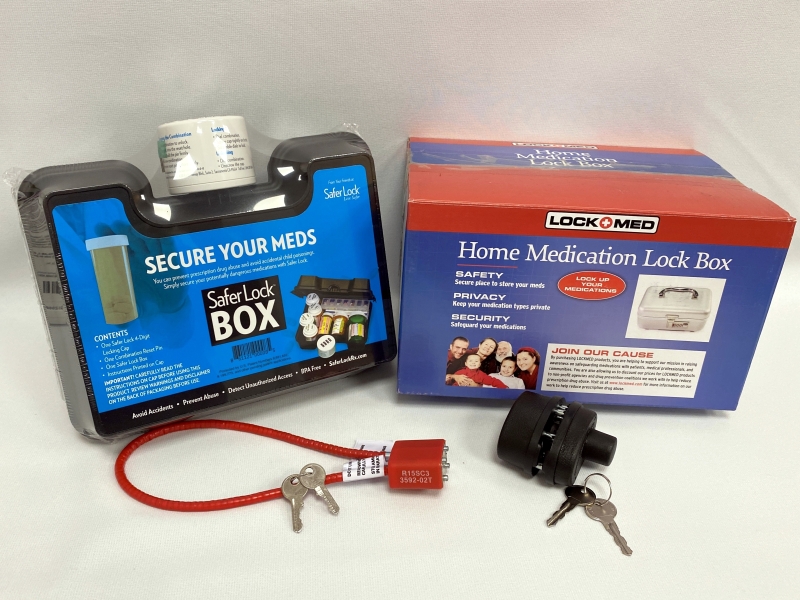
Trigger locks are just one part of gun safety. Other options include:
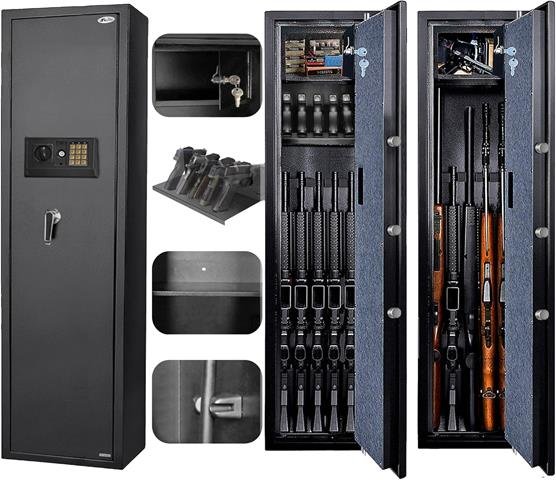
- Gun safes: Heavy, secure storage for multiple firearms
- Lockboxes: Portable boxes with locking mechanisms
- Smart safes: Biometric or electronic safes
Here’s how trigger locks compare:
| Device | Portability | Security Level | Cost | Ease of Use |
|---|---|---|---|---|
| Trigger lock | Very portable | Moderate | Low | Easy |
| Gun safe | Low | High | High | Moderate |
| Lockbox | Portable | Moderate | Medium | Easy |
| Smart safe | Low | High | High | Easy |
Practical advice: Use a trigger lock for basic safety and a gun safe for theft protection. Combining both offers the best security.
Legal Requirements For Trigger Locks
Laws about trigger locks vary by state and city. In California, Massachusetts, and New York, trigger locks are often required when storing guns at home, especially if children are present. Some federal programs also encourage using trigger locks.
Data: In Massachusetts, gun owners must use approved locks or storage devices. Violations can lead to fines or loss of gun rights.
Tip: Always check your local laws before buying or storing firearms. Some locks must meet specific standards.

Maintenance And Reliability
A trigger lock is only effective if it works reliably. Here are tips to keep your lock in good shape:
- Clean regularly to prevent dust or rust
- Check batteries for biometric/electronic locks
- Test unlocking method (key, code, fingerprint) monthly
- Replace damaged locks immediately
Non-obvious insight: Even high-tech locks can fail. Always have a backup method for emergency access.
Example: If your biometric lock battery dies, keep the backup key in a safe but accessible place.
Real-world Statistics
Let’s look at some numbers:
- About 1.7 million children live in homes with unlocked, loaded guns (CDC)
- Project ChildSafe has distributed over 37 million free gun locks in the US
- Gun locks can reduce unintentional firearm deaths by up to 31% (Journal of Injury Prevention)
Insight: Trigger locks are not perfect, but they are proven to reduce accidents.
Mistakes To Avoid When Using Trigger Locks
Many gun owners make these mistakes:
- Using the wrong size: Locks that don’t fit can damage the gun or fail to secure.
- Installing on loaded guns: Risk of accidental discharge.
- Leaving keys or codes accessible: Kids can find them.
- Not testing locks: A lock that jams is useless.
- Assuming locks prevent theft: Trigger locks only stop firing, not stealing.
Advice: Always follow manufacturer instructions and test your lock.
How To Install A Trigger Lock
Here’s a step-by-step guide:
- Unload the gun: Double-check the chamber and magazine.
- Open the lock: Separate the two halves.
- Position the lock: Place over the trigger guard, away from the trigger.
- Secure: Close and lock with key, code, or fingerprint.
- Test: Try to access the trigger. It should be completely blocked.
Tip: Watch for sharp edges on the lock that could scratch your firearm.
Pros And Cons Of Each Trigger Lock Type
To help you decide, here’s a quick summary:
| Type | Pros | Cons |
|---|---|---|
| Keyed | Cheap, easy to use | Keys lost, can be picked |
| Combination | No keys, shared access | Codes forgotten, less secure |
| Biometric | Fast, high security | Expensive, battery issues |
| Cable | Fits most guns, cheap | Easy to cut, not tight fit |
| Electronic | Smart features, alerts | Complex, battery fail |
| Universal | Flexible, cost-effective | Fit not perfect |
Safety Tips For Gun Owners
Trigger locks are just one step. Here are key safety tips:
- Always store guns unloaded
- Keep ammunition separate
- Store guns in locked cabinets or safes
- Teach children to never touch firearms
- Regularly review your safety practices
Non-obvious insight: Even if you use a trigger lock, curious children may try to access the gun. Education is as important as hardware.
For more safety guidance, visit the official National Shooting Sports Foundation.
Frequently Asked Questions
What Is The Safest Type Of Trigger Lock?
Biometric locks offer highest security and fastest access, but depend on battery life. For most people, a quality keyed or combination lock is sufficient if used correctly.
Can I Use A Trigger Lock On Any Firearm?
Most locks fit standard handguns and rifles, but some specialty guns may need universal or cable locks. Always check compatibility before purchase.
Are Trigger Locks Required By Law?
Some states and cities require trigger locks or other safety devices when storing firearms, especially where children are present. Check your local laws for details.
How Often Should I Check Or Replace My Trigger Lock?
Test your lock monthly and replace if it shows signs of wear, rust, or malfunction. For electronic or biometric locks, check batteries regularly.
Do Trigger Locks Prevent Gun Theft?
No. Trigger locks only stop the gun from firing. For theft protection, use a gun safe or lockbox along with your trigger lock.
Keeping your firearm secure is not just about following the law—it’s about protecting your loved ones and community. With a clear understanding of the types of trigger locks available, you can make a confident choice for safety and peace of mind.
Each lock has its place, and combining locks with proper storage and education is the best way to keep accidents and misuse at bay.