
How Do Combination Trigger Locks Work
Gun safety is a topic that touches millions of homes, whether people own firearms for sport, protection, or collection. One device that stands out for its balance of security and convenience is the combination trigger lock. These small, portable gadgets help reduce the risk of accidental shootings—especially by children or unauthorized users—by physically blocking the trigger from being pulled unless the correct code is entered. But how do these locks really work? What makes them a popular choice for gun owners, and what are their strengths and weaknesses? If you’re considering a combination trigger lock or just want to understand this safety tool, this guide will break down everything you need to know, in clear and simple language.
What Is A Combination Trigger Lock?
A combination trigger lock is a mechanical device designed to prevent a gun from firing by blocking access to the trigger. Instead of a traditional key, these locks use a rotating number dial (often three or four numbers) that must be set in the right sequence to unlock and remove the device. They can be used on many types of firearms—pistols, rifles, and shotguns—as long as the gun’s trigger guard fits inside the lock.
Why choose a combination lock over a keyed lock? Many people prefer combination locks because there’s no physical key to lose, hide, or have stolen. The owner sets the code, memorizes it, and can change it if needed. This means less risk of someone finding a hidden key and gaining access.

Exclusive Deals
Limited-time Exclusive Deals. Check current discount on Amazon.
Check Price on Amazon As an Amazon Associate I earn from qualifying purchases.Anatomy Of A Combination Trigger Lock
Understanding how a combination trigger lock works starts with its main parts. Each component has a specific job to do:
- Lock body: The hard outer shell, usually made from steel or strong alloy, that covers the trigger and part of the trigger guard.
- Combination mechanism: The set of rotating dials, usually three or four, each marked with numbers (0–9) or sometimes letters.
- Locking bar or post: This piece, when engaged, blocks the trigger’s movement. It is released only when the correct combination is entered.
- Release button or latch: After entering the correct code, pressing this button or moving the latch allows the lock to open.
How The Parts Fit On A Gun
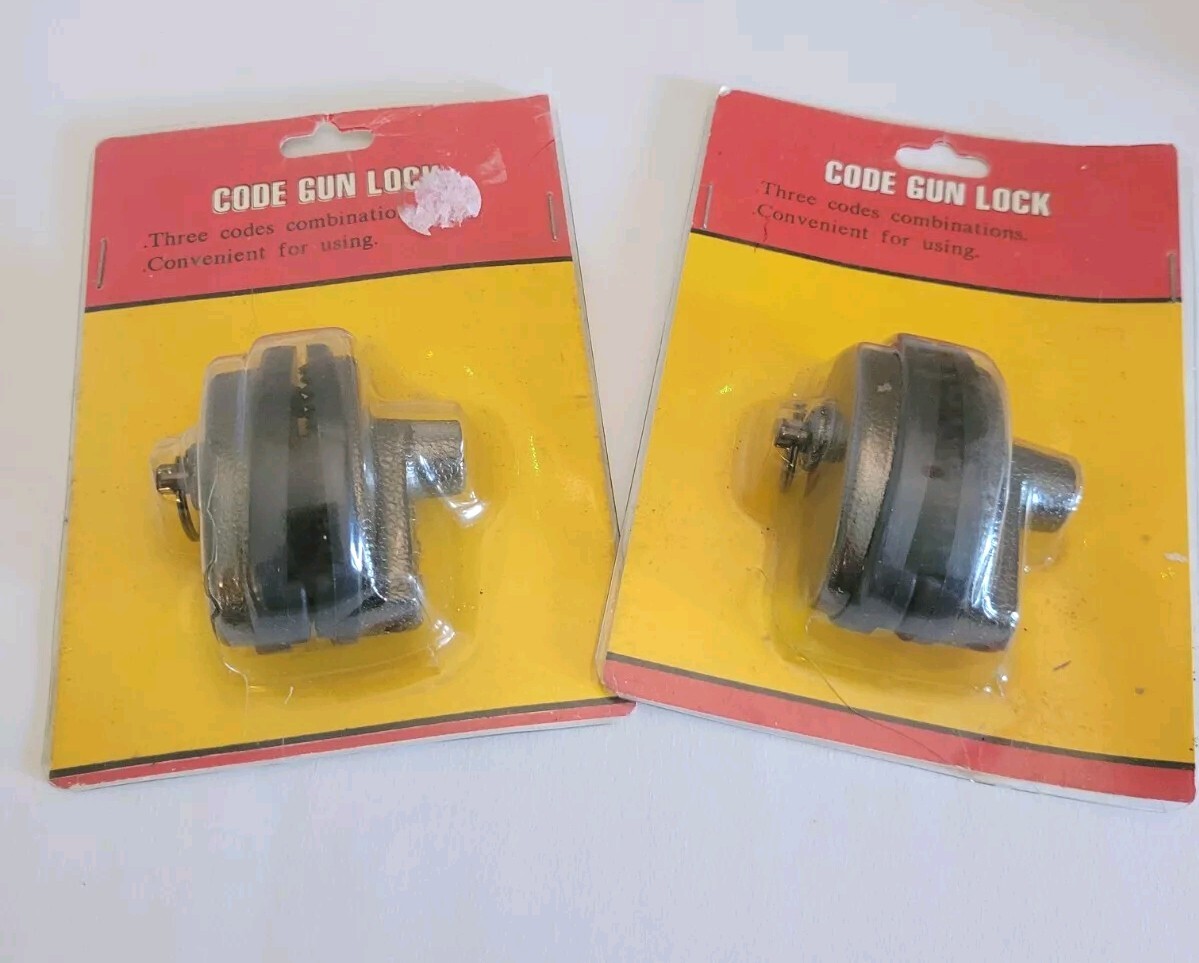
A trigger lock is not a one-size-fits-all item, but most combination models use a two-piece “clam shell” design. The lock splits into two halves. You place one half on each side of the trigger guard, then press them together until they click shut.
The locking bar fits snugly behind the trigger, stopping it from moving. If someone tries to pull the trigger or force the lock off, the hard shell and secure mechanism keep the gun from firing.
How Does The Combination Mechanism Work?
The heart of the combination trigger lock is the number dial system. Here’s what happens when you use it:
Exclusive Deals
Limited-time Exclusive Deals. Check current discount on Amazon.
Check Price on Amazon As an Amazon Associate I earn from qualifying purchases.- Setting the code: The owner chooses a sequence (like 2-4-6) and sets the dials. The lock “remembers” this code.
- Locking: You close the lock around the trigger guard. Unless the dials are set to the correct combination, the internal locking bar stays in place, holding the lock shut.
- Unlocking: When you turn the dials to the correct numbers, the internal pieces (called tumblers or cams) line up perfectly. This releases the locking bar, so you can pull the lock open and remove it.
- Securing again: To relock, close the halves around the trigger guard and scramble the dials.
One insight people often miss: The design doesn’t just rely on the numbers. The internal cams must physically line up, which makes the lock hard to pick or force open without knowing the code.
Types Of Combination Trigger Locks
While most combination trigger locks look similar, there are some differences:
Three-digit Vs. Four-digit Dials
Three-digit locks offer 1,000 possible combinations (000–999), while four-digit models have 10,000 (0000–9999). The more digits, the harder it is to guess the code. Most home users find three digits enough, but high-security settings may prefer four.
Exclusive Deals
Limited-time Exclusive Deals. Check current discount on Amazon.
Check Price on Amazon As an Amazon Associate I earn from qualifying purchases.Universal Vs. Model-specific Locks
Some locks fit almost any gun, while others are designed for specific firearm shapes or brands. Universal locks are versatile, but model-specific ones may fit better and be harder to remove.
With Or Without Reset Features
Some locks let you change the combination easily; others require a tool or must be left on the factory code. Always check if your lock allows resets, especially if you need to share access or worry about forgetting your code.

How To Use A Combination Trigger Lock: Step-by-step
Attaching and removing a combination trigger lock is simple, but doing it the right way ensures safety. Here’s a clear, step-by-step guide:
- Unload the gun: Always make sure the firearm is unloaded before handling or locking it.
- Open the lock: Set the dials to the current combination and press the release button or pull the halves apart.
- Position the lock: Place one half on each side of the trigger guard, so the locking bar sits behind the trigger.
- Lock it: Press the halves together until you hear a click.
- Scramble the dials: Turn the dials off the combination so no one else can open it.
- To unlock: Turn the dials back to the code, press the button or release, and remove the lock.
Tip: Always double-check that the lock is secure and the trigger cannot be moved.
Combination Trigger Lock Vs. Other Gun Locks
Is a combination trigger lock the right choice? It depends on your needs. Here’s a comparison with other common gun safety devices.
| Lock Type | How It Works | Pros | Cons |
|---|---|---|---|
| Combination Trigger Lock | Blocks trigger; opens with code | No key needed, fast access | Can be bypassed with enough time/tools |
| Keyed Trigger Lock | Blocks trigger; opens with key | Simple, no code to remember | Keys can be lost or stolen |
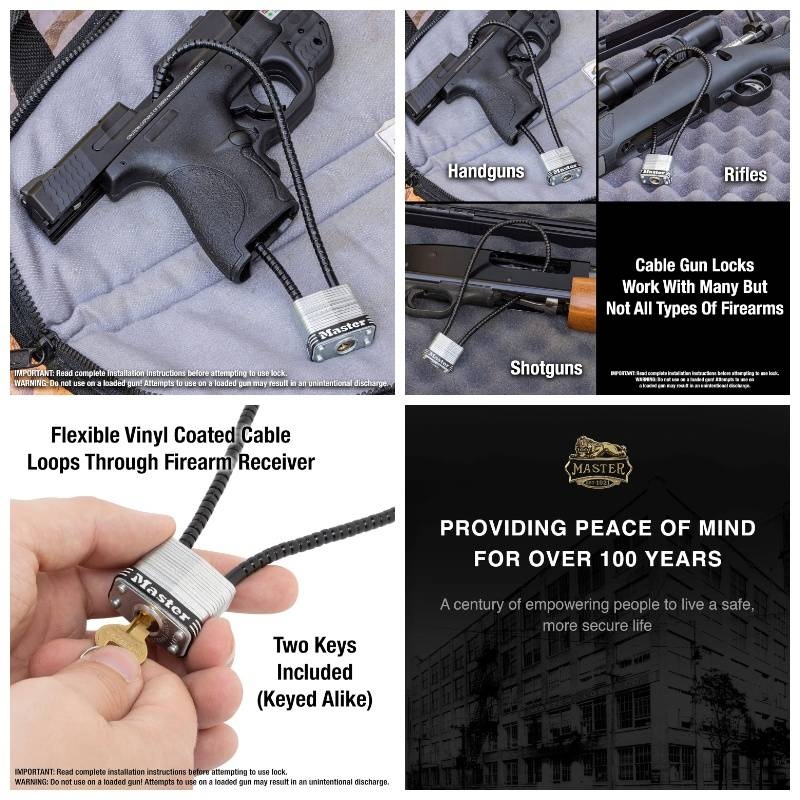
| Cable Lock | Cable runs through gun action | Prevents loading and firing, fits many guns | Slower to remove, key needed |
| Gun Safe | Locks firearm inside a box | Highest security, protects from theft | Expensive, less portable |
How Secure Are Combination Trigger Locks?
Combination trigger locks are a strong first step in gun safety, but they have limits. They stop casual or untrained users—especially children—from firing a gun. The metal body and internal mechanism make them hard to remove without the code.
However, no lock is perfect. With tools and enough time, a determined thief might break or cut the lock. Also, some cheap models have been shown to be vulnerable to “shimming” (sliding a thin piece of metal inside to pop the lock) or being forced open with a screwdriver.
For most home settings, a quality lock offers real protection, but for high-security needs, a gun safe or reinforced storage is better.
A non-obvious fact: The real value of a trigger lock is in fast, everyday protection—like when you leave a gun in a drawer or closet for a short time, not for long-term unattended storage.
Advantages Of Combination Trigger Locks
Many gun owners prefer combination trigger locks because of their unique strengths:
- No keys: You don’t have to hide, carry, or worry about losing a key.
- Quick access: If you remember the code, you can unlock the firearm in seconds.
- Shareable: Codes can be given to trusted adults if needed (though this does reduce security).
- Simple to install: Most people can use a trigger lock with no training.
- Affordable: Prices often range from $10 to $30, making them accessible for most users.
Limitations And Common Mistakes
Despite their benefits, combination trigger locks have weaknesses—and users often make mistakes:
- Forgetting the combination: If you forget your code, you may have to cut the lock off, possibly damaging the gun.
- Poor fit: Not all locks fit all triggers. A loose lock can be wiggled off.
- Cheap locks: Low-quality locks can be forced or picked more easily.
- Not securing the gun: A trigger lock does not stop theft. A thief can take the whole gun and remove the lock later.
- Leaving the gun loaded: A trigger lock is not a replacement for unloading your firearm when storing it.
Remember, a lock is only as strong as your overall safety habits.
How To Choose The Right Combination Trigger Lock
Picking the best lock for your needs takes a little research. Here are the most important factors:
Fit And Compatibility
Always check that the lock fits your specific firearm model. Some guns have triggers or guards that are too thick or shaped oddly for certain locks.
Number Of Dials
Three digits is standard, but four digits is more secure. If you want extra peace of mind, choose four.
Build Quality
Look for locks made from hardened steel or high-quality alloy. Avoid cheap plastic or thin metal.
Reset Feature
If you want to change your code, make sure the lock allows this. Some locks require a special tool or must be destroyed to reset.
Brand Reputation
Stick with brands known for quality and safety. Read reviews and look for certifications.
Price Vs. Value
Don’t just buy the cheapest lock. Spending a few more dollars often means better quality and security.
Real-world Examples
Let’s look at a few actual products to see how they compare:
| Brand/Model | Number of Dials | Resettable? | Material | Average Price |
|---|---|---|---|---|
| Master Lock 94DSPT | 3 | Yes | Steel/Zinc | $15 |
| Remington Safety Lock | 3 | No | Alloy | $12 |
| Allen Company Trigger Lock | 4 | Yes | Steel | $20 |
As you can see, spending a little more can give you a tougher lock and the ability to reset the code if needed.
How To Set And Change A Combination
Changing your code is usually easy, but always check the manual for your lock. Most models follow these steps:
- Unlock the lock: Set the dials to the current code.
- Press the reset lever: This is often a small button or lever inside the lock body.
- Set the new code: Turn the dials to your new numbers.
- Release the reset lever: The new code is now set.
Tip: Write your code down and keep it in a safe, separate place. Don’t use easy-to-guess codes like 1-2-3.
Keeping Children Safe: Why Trigger Locks Matter
Statistics from the U. S. Centers for Disease Control and Prevention show that hundreds of children are injured or killed each year by accidental shootings in the home. In nearly every case, the gun was loaded and accessible. A combination trigger lock, used together with safe storage and education, can greatly reduce these risks.
A survey by the Brady Center to Prevent Gun Violence found that guns stored with a locking device were 73% less likely to be used by a child without permission. This is why many local laws now require locks to be sold with new guns.
Practical Tips For Using Combination Trigger Locks
- Check fit before buying: Take your gun to the store (if possible) to try different locks.
- Practice unlocking: In an emergency, you want to open the lock quickly. Practice your code.
- Clean the lock: Dust and dirt can jam the mechanism. Wipe it down regularly.
- Use with other safety: Combine trigger locks with locked cabinets or safes for extra protection.
- Teach family members: Make sure all trusted adults in your home know how to use the lock.
Are Combination Trigger Locks Legal Everywhere?
Most U.S. states allow the use and sale of combination trigger locks. In fact, some places require gun sellers to provide a lock with every firearm. However, the rules about gun storage and locking devices can change by state or city. Always check your local laws before buying or relying on a trigger lock for legal compliance. For more on gun safety laws, the Wikipedia Gun Safety page is a good resource.
When Should You Not Use A Trigger Lock?
There are times when a combination trigger lock is not the best option:
- For self-defense guns: If you need instant access in an emergency, a trigger lock slows you down. Consider a quick-access safe instead.
- For long-term storage: If you plan to store a gun for months or years, a strong gun safe offers better protection from theft, fire, and tampering.
- With antique or delicate guns: Some locks can scratch or damage fine finishes.
Non-obvious Insights For Better Safety
Two tips many gun owners miss:
- Never trust only the lock: Even with a trigger lock in place, always point the gun in a safe direction and treat it as if loaded. Locks are a layer, not a substitute for safe handling.
- Rotate your codes: Change your combination every few months—especially if someone you no longer trust knew the code.
Frequently Asked Questions
How Many Combinations Does A 3-digit Trigger Lock Have?
A 3-digit lock has 1,000 possible combinations (000 to 999). This makes it difficult, but not impossible, for someone to guess your code. For higher security, consider a lock with four digits, which has 10,000 combinations.
Can Trigger Locks Damage My Gun?
High-quality trigger locks are designed to avoid scratching or denting your firearm. However, very cheap or poorly fitting locks can rub off finish or press too tightly. Always test the lock and use one with protective padding if possible.
What If I Forget My Combination?
If you forget the code, you may need to cut the lock off with special tools. Some manufacturers can help you recover or reset your combination if you prove ownership, but not all offer this service. Keep your code in a secure place.
Are Combination Trigger Locks Childproof?
Combination trigger locks are highly effective at stopping young children from firing a gun, but no lock is 100% childproof. Older children or teens with enough time and motivation might defeat a lock. Always use multiple safety methods.
Is A Trigger Lock Enough To Stop Gun Theft?
A trigger lock can slow a thief down, but it’s not a substitute for a gun safe or secure storage. Thieves can take the locked gun and remove the lock later with the right tools. For maximum security, use both a safe and a lock.
Combination trigger locks offer a simple, affordable way to add a layer of safety to your firearms. By understanding how they work, choosing a quality lock, and using safe storage practices, you can help protect your family and community from accidental harm.
Remember, no device replaces safe habits and responsible gun ownership.


