Children are naturally curious. They explore everything around them—sometimes without understanding danger. Guns in the home can be especially risky. Many gun owners use trigger locks to help keep firearms safe, but are these devices truly childproof? The answer is more complex than it may seem. This article looks closely at trigger locks, how they work, their real-world effectiveness, and what families should consider for true safety.
What Is A Trigger Lock?
A trigger lock is a small device made to block the trigger of a gun. It is designed to prevent a person from pulling the trigger and firing the gun. Trigger locks come in different shapes and sizes, but the goal is the same: to make it harder for anyone—especially children—to use the firearm.
Most trigger locks are made of metal or strong plastic. They usually have a key or a combination that must be used to remove the lock. Some types cover only the trigger, while others wrap around more parts of the gun.
Exclusive Deals
Limited-time Exclusive Deals. Check current discount on Amazon.
Check Price on Amazon As an Amazon Associate I earn from qualifying purchases.There are three main types of trigger locks:
- Keyed trigger lock: Uses a small key to unlock.
- Combination trigger lock: Opens with a number code.
- Cable lock: A cable passes through the gun to block the trigger and loading mechanism.
Trigger locks are cheap, easy to use, and found at most gun stores. But their simplicity can be both a strength and a weakness.
How Trigger Locks Work
Trigger locks are placed over the trigger of the gun, stopping it from moving. To use a trigger lock:
- Open the lock and fit it around the trigger area.
- Make sure the lock fits tightly. It must cover the trigger completely.
- Lock the device using the key or code.
- Check that the gun cannot fire with the lock in place.
Different models fit different guns. Some are universal, but many are made for certain types (like handguns or rifles).
Exclusive Deals
Limited-time Exclusive Deals. Check current discount on Amazon.
Check Price on Amazon As an Amazon Associate I earn from qualifying purchases.Trigger locks do not block all parts of the gun. They only cover the trigger. The gun can still be loaded and sometimes even cocked. This is important because it means the gun is not fully disabled—only harder to fire.
Childproof Vs. Child Resistant: What’s The Difference?
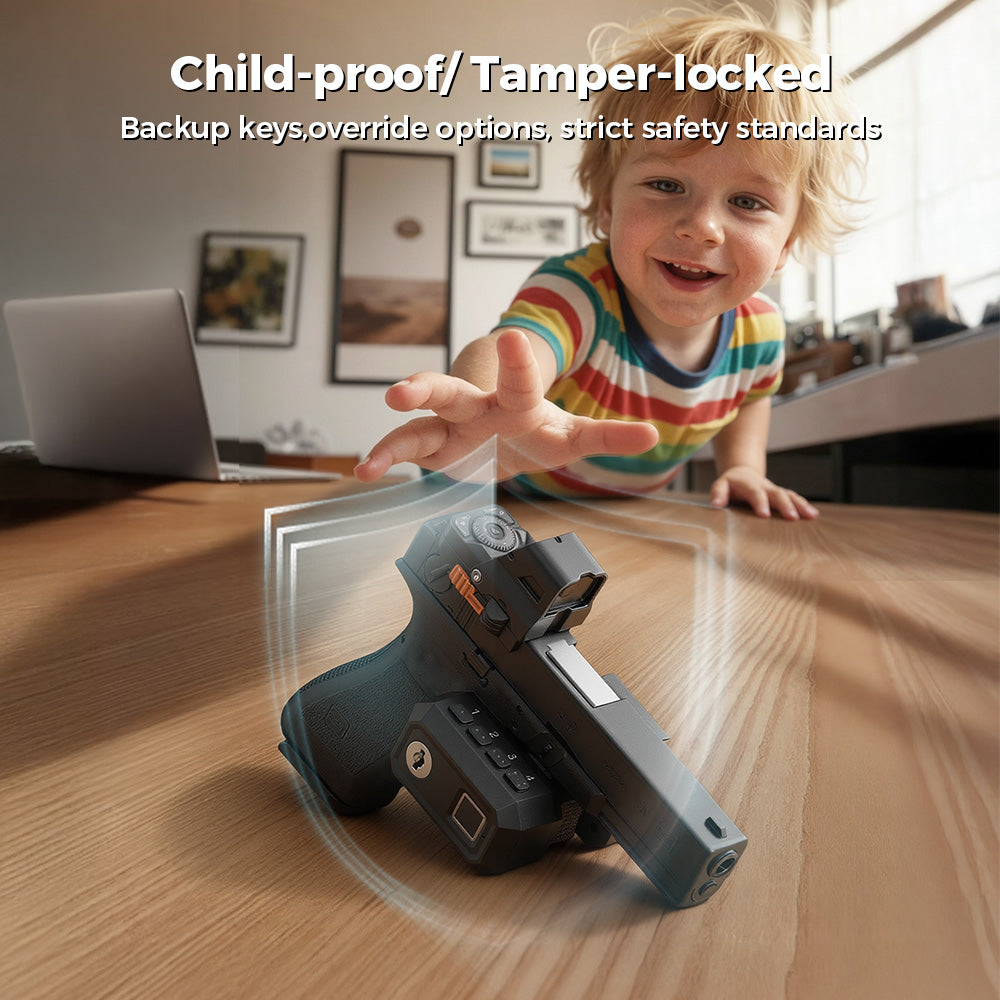
Many people believe “childproof” means a device is impossible for a child to defeat. But in reality, few products are truly childproof. Most are child resistant—meaning they are harder for children to open or use, but not impossible.
Trigger locks are usually advertised as child resistant, not childproof. This is an important difference. Even with a lock, a determined child with enough time, tools, or skill may still be able to remove it.
Exclusive Deals
Limited-time Exclusive Deals. Check current discount on Amazon.
Check Price on Amazon As an Amazon Associate I earn from qualifying purchases.Key Points
- Childproof: Impossible for a child to open or use.
- Child resistant: Makes it harder, but not impossible.
Manufacturers use “child resistant” because children vary in age, strength, and creativity. Older kids may be able to figure out locks, especially if they have seen adults use them.
Real-world Effectiveness Of Trigger Locks
Do trigger locks actually prevent children from firing guns? Studies and real-life tests show mixed results. While trigger locks can slow down access, they are not foolproof.
Studies And Data
- The U.S. Consumer Product Safety Commission (CPSC) tested various trigger locks and found that many could be removed using common household tools or by applying force.
- In a test by the National Shooting Sports Foundation (NSSF), children under 10 were able to open some locks in less than 5 minutes using screwdrivers or by twisting the lock.
- A report from the Brady Campaign showed that trigger locks may reduce risk, but should not be the only safety method.
Here’s a comparison of different safety devices, including trigger locks:
| Safety Device | Childproof? | Can be Defeated? | Average Cost |
|---|---|---|---|
| Trigger Lock | No | Yes (with tools or force) | $5–$20 |
| Cable Lock | No | Yes (with tools) | $10–$25 |
| Gun Safe | No | Much harder | $100–$500 |
| Biometric Safe | No | Very difficult | $200–$1000 |
As shown, trigger locks are not completely childproof. Stronger options, like safes, offer more protection.
Real-life Examples
There have been cases where children were able to remove trigger locks and fire guns. In one widely reported incident, a 7-year-old used a butter knife to unlock a trigger lock on a handgun. In another case, a teenager guessed the combination code after watching adults use the lock.
These examples show that while trigger locks help, they are not enough by themselves.
Common Weaknesses Of Trigger Locks
Trigger locks have several weaknesses that make them less than childproof:
- Can be picked or forced open: Many locks can be opened with simple tools like screwdrivers, pliers, or even paperclips.
- Combination codes can be guessed: Children may watch adults enter codes, or try common combinations.
- Locks can break: Cheap locks can crack or break under pressure.
- Trigger is still visible: Some locks do not cover the trigger fully, making it easier for curious fingers to reach.
- No protection against loading: A gun with a trigger lock can still be loaded or cocked, making accidents possible.
Some locks are better than others. Metal locks tend to be stronger than plastic, and complex key systems are harder to defeat than simple combinations. But none are totally childproof.
Here’s a table showing common ways children have defeated trigger locks:
| Method Used | Time Needed | Age Range | Lock Type |
|---|---|---|---|
| Twisting with force | 2–10 minutes | 6–12 years | Plastic trigger locks |
| Using household tools | 5–15 minutes | 8–15 years | Keyed locks |
| Guessing combination | Up to 30 minutes | 10–16 years | Combination locks |
Are All Trigger Locks Equal?
No. Not all trigger locks offer the same level of security. Some are made with stronger materials and better designs.
Factors That Make A Trigger Lock More Secure
- Material: Metal is stronger than plastic.
- Locking mechanism: Complex keys or codes are harder to guess or pick.
- Fit: A lock that fits tightly is harder to remove.
- Brand reputation: Well-known brands often make better products.
Poor quality locks can give a false sense of security. Always check reviews and look for locks that have passed independent safety tests.
Alternatives To Trigger Locks
Trigger locks are just one way to secure a firearm. Other options offer more protection, especially for homes with children.
Gun Safes
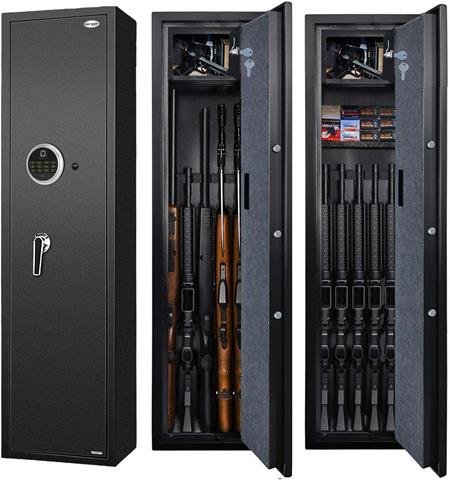
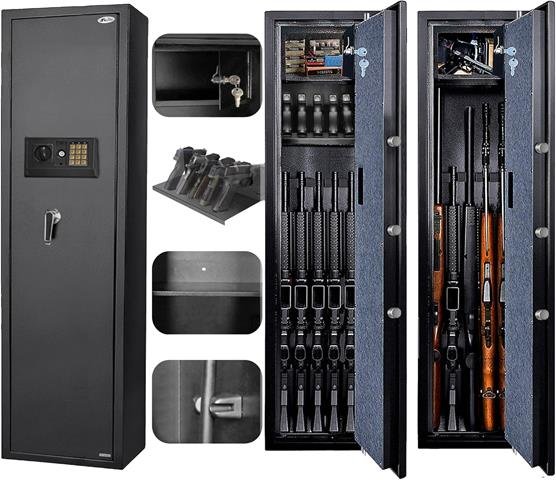
A gun safe is a locked box made of steel, designed to store guns securely. Most safes use keys, codes, or biometric (fingerprint) scanners. They are much harder for children to open, and also protect against theft.
Biometric Safes
Biometric safes open only with a fingerprint or sometimes a face scan. This makes it nearly impossible for children or strangers to access the gun. These safes are expensive but provide high security.
Cable Locks
Cable locks pass through the gun and block both the trigger and loading mechanism. They are more effective than simple trigger locks but can still be defeated with tools.
Smart Gun Technology
Some guns are now made with technology that only allows the owner to fire the gun, using fingerprints or RFID chips. This is a new field and not widely available, but may be the future of gun safety.
Here’s a comparison of trigger locks and gun safes:
| Feature | Trigger Lock | Gun Safe |
|---|---|---|
| Cost | Low ($5–$20) | High ($100–$1000) |
| Ease of Use | Easy | Moderate |
| Childproof | No | No, but much safer |
| Theft Protection | None | Yes |
| Fire Protection | No | Some models |
Why Trigger Locks Alone Are Not Enough
Relying only on trigger locks is risky. They are a helpful tool, but not a complete solution. Children may still find ways to unlock them, especially as they get older or more curious.
Experts recommend using multiple layers of security:
- Store guns unloaded.
- Use a gun safe or lockbox.
- Add a trigger lock as an extra layer.
- Keep ammunition separate from firearms.
- Teach children about gun safety.
This approach is called “layered defense”. It reduces the risk, but nothing can replace adult supervision and education.
How To Make Your Home Safer
If you own guns and have children in your home, follow these steps to improve safety:
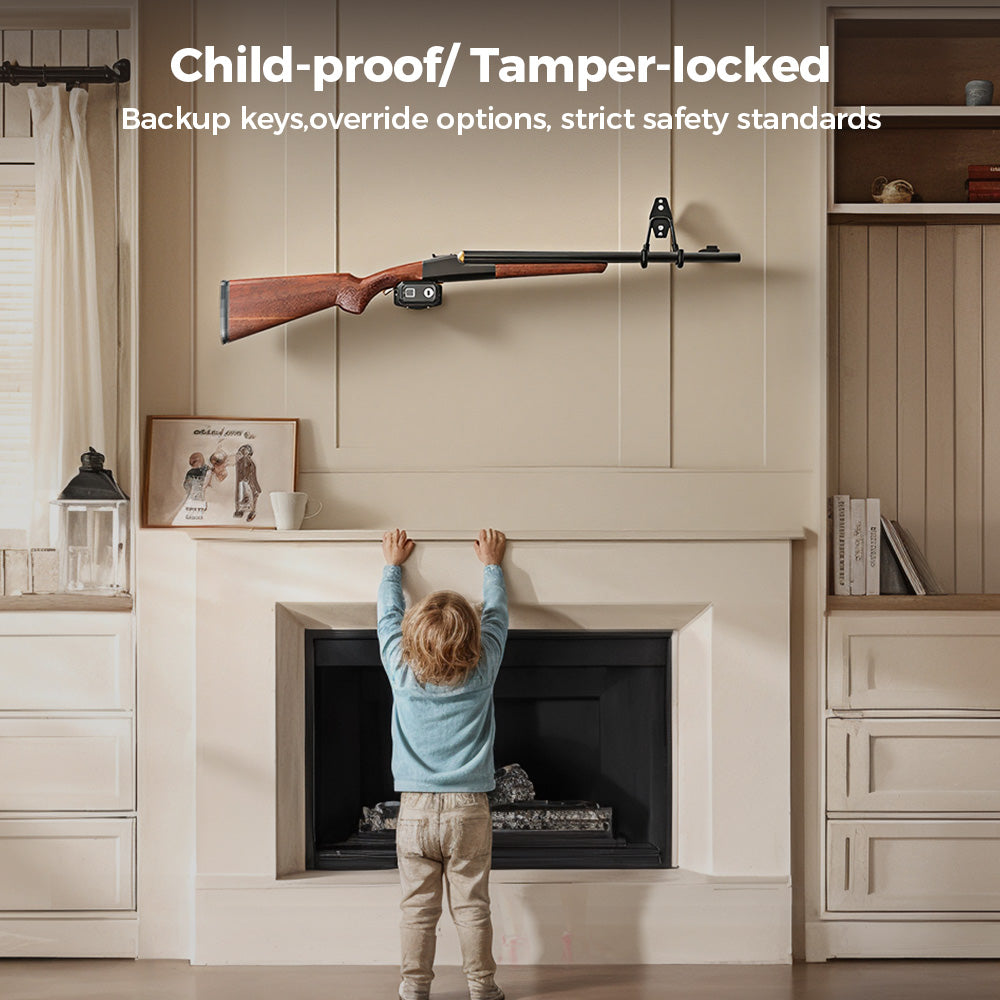
- Store guns in a locked safe: This is the strongest protection.
- Use trigger locks as a backup: Combine locks with safes.
- Keep ammunition locked away: Never store bullets with the gun.
- Teach children about gun dangers: Explain that guns are not toys.
- Check locks regularly: Make sure locks and safes work properly.
- Never leave guns unattended: Always know where your firearms are.
Many accidents happen because adults believe “my child would never touch the gun. ” But studies show children often explore when adults are not watching. It’s better to be safe than sorry.
Common Mistakes Gun Owners Make
Even well-meaning gun owners sometimes make mistakes with trigger locks:
- Leaving keys or codes accessible: Children may find keys or learn codes.
- Using low-quality locks: Cheap locks are easier to break.
- Not checking locks often: Locks can wear out or loosen over time.
- Believing “childproof” means safe: No lock is truly childproof.
- Storing loaded guns: Always unload guns when not in use.
Avoiding these mistakes can make your home much safer.

Legal Requirements And Trigger Locks
In the United States, laws about gun storage and trigger locks vary by state. Some states require gun owners to use trigger locks, especially if children are present. Others recommend but do not require them.
- Massachusetts: Requires all guns be stored with a lock.
- California: Requires gun dealers to sell a lock with every firearm.
- New York: Requires locks when children are present.
Failure to follow these laws can result in fines or criminal charges. Always check your local laws before buying or storing guns.
For more details, see the official guidance at Wikipedia: Gun Safety.
Psychological Factors: Why Kids Try To Defeat Locks
Children are naturally curious, and sometimes that curiosity leads them to try opening locks. If a child sees a parent using a lock, they may try to copy the actions. Some children see guns as forbidden or exciting objects, which can increase their interest.
Teaching children about gun safety and explaining why guns are dangerous can help. Never assume your child will not try to defeat a lock. Kids are often smarter and more determined than adults expect.
Two Insights Most Beginners Miss
- Trigger locks do not prevent loading or cocking: Many new gun owners believe a trigger lock makes the gun completely safe. But the gun can still be loaded or cocked, making it dangerous if the lock is removed.
- Older children may be able to defeat locks: Trigger locks are mainly designed to stop young children. Teenagers, especially those familiar with tools or locks, may be able to open them easily.
Recognizing these points is key for making informed choices about gun safety.
Talking To Children About Gun Safety
Communication is one of the best ways to prevent accidents. Parents should:
- Explain the real dangers of guns.
- Make clear rules about not touching firearms.
- Ask children to tell adults if they see a gun.
- Teach them to leave the area and find help if they see a gun unattended.
Some families use role-play to teach these lessons. The goal is not to scare children, but to help them understand why guns are not toys.
What To Look For When Buying A Trigger Lock
If you decide to use a trigger lock, consider these factors:
- Material: Choose metal over plastic for strength.
- Locking type: Keyed locks are usually stronger than combinations.
- Fit: Make sure the lock fits your gun model tightly.
- Brand: Look for trusted brands with good reviews.
- Independent testing: Check if the lock passed safety tests.
Avoid locks with simple codes or weak plastic. Spend a bit more for higher quality—it is worth it for safety.
Frequently Asked Questions
Is A Trigger Lock Enough To Protect Children From Guns?
No. Trigger locks can slow down access, but are not fully childproof. Use a gun safe and store ammunition separately for best protection.
Can Children Remove Trigger Locks?
Yes, especially older children or those with tools. Studies show some children can open locks in just minutes. Choose strong locks and add other safety measures.
Are Trigger Locks Required By Law?
It depends on where you live. Some states require trigger locks, especially if children are in the home. Check local laws to be sure.
What Is Better: Trigger Lock Or Gun Safe?
A gun safe offers much stronger protection. Trigger locks are helpful as a backup, but safes are the best option for families.
How Can I Teach My Child About Gun Safety?
Talk openly about the dangers. Set clear rules: never touch guns, tell an adult if they see one, and leave the area. Use role-play or stories to help children understand.
Final Thoughts
Trigger locks are a useful tool for gun safety, but they are not childproof. Children are clever, and locks can be defeated with effort or tools. For real protection, use layered security: gun safes, trigger locks, separate ammunition, and clear education for children. Gun safety starts with awareness—never assume a lock alone will keep kids safe. Take extra steps, check your locks often, and always put safety first.