Every gun owner wants safety. Many choose trigger locks to secure their firearms, thinking this is a simple and quick way to prevent accidents. But are trigger locks as reliable as they seem? While they are affordable and easy to use, trigger locks have some disadvantages that many users and even experts overlook. If you’re considering a trigger lock, or already use one, understanding these drawbacks is essential for real safety.
Trigger locks are designed to block the trigger of a gun, making it harder to fire. But relying on them can create a false sense of security, and in some cases, they may even increase the risk of harm. In this article, I’ll break down the main disadvantages of trigger locks, share real examples, and provide insights that go beyond what most guides cover.
By the end, you’ll have a complete picture to make better decisions about firearm safety.

Exclusive Deals
Limited-time Exclusive Deals. Check current discount on Amazon.
Check Price on Amazon As an Amazon Associate I earn from qualifying purchases.What Is A Trigger Lock And How Does It Work?
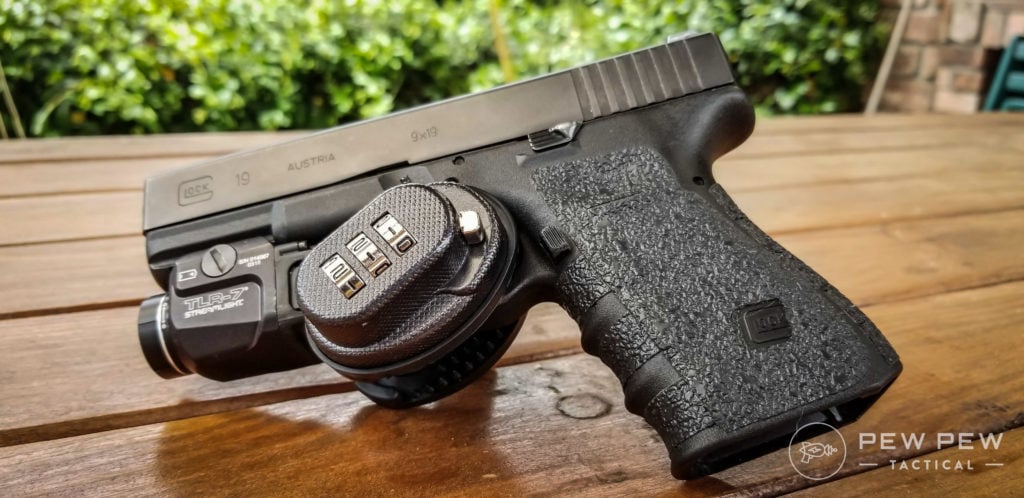
A trigger lock is a device that fits over the trigger of a firearm. Usually, it comes in two pieces that lock together, covering the trigger and preventing access. There are two main types:
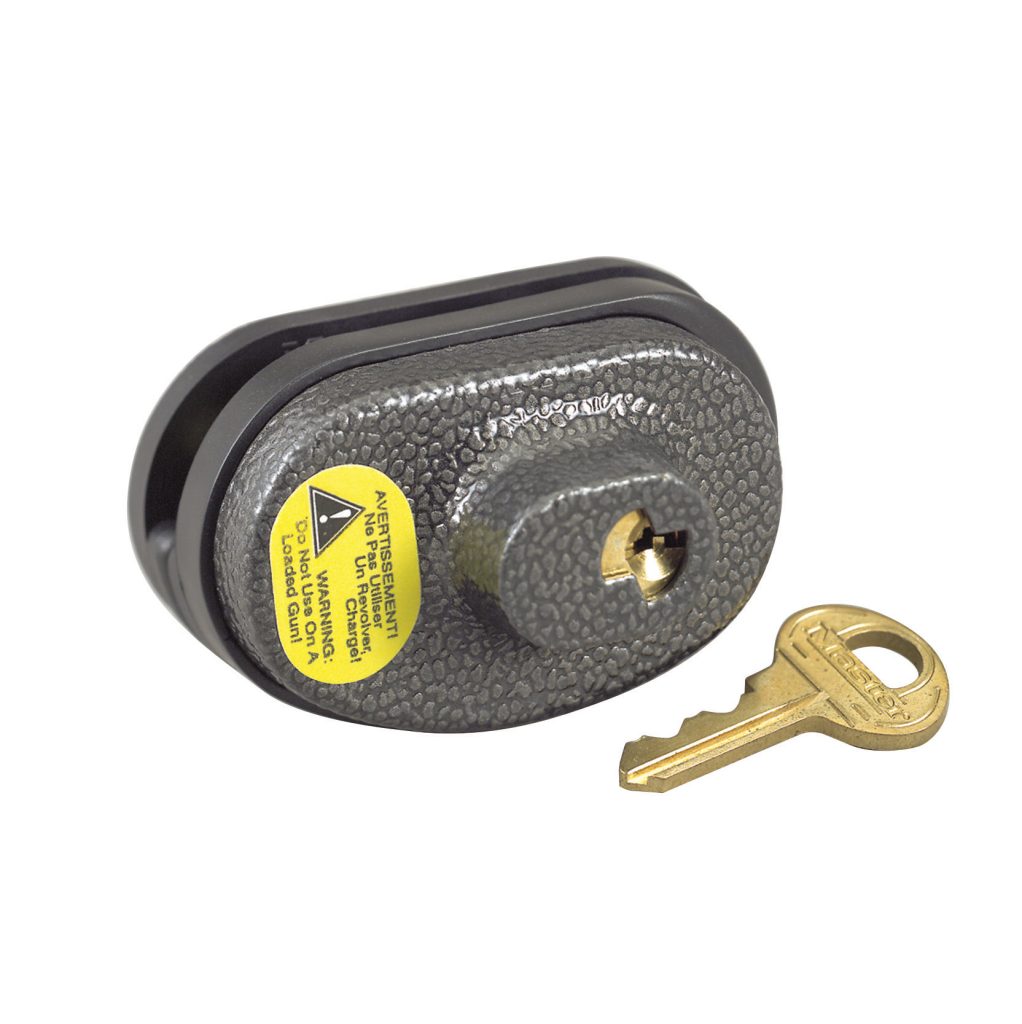
- Keyed trigger locks: Open with a physical key.
- Combination trigger locks: Open with a code.
Most trigger locks are designed for handguns, rifles, and shotguns. They are not universal—different locks fit different models, and some guns may not accept trigger locks at all.
The main goal is simple: block the trigger so the gun cannot fire, at least not easily. But does this really keep your gun safe? Let’s look deeper.
Physical Security Limitations
Trigger locks are often marketed as a solid safety tool. However, their physical security is limited in several ways.
Exclusive Deals
Limited-time Exclusive Deals. Check current discount on Amazon.
Check Price on Amazon As an Amazon Associate I earn from qualifying purchases.Can Be Easily Removed Or Bypassed
Many trigger locks can be picked, broken, or even removed with basic tools. A 2018 study by the National Shooting Sports Foundation showed that most inexpensive trigger locks could be opened in under two minutes with common household items. Even combination locks, if poorly made, can be guessed or manipulated.
Here’s a comparison of typical trigger lock resistance:
| Type of Lock | Time to Bypass (Average) | Tools Needed |
|---|---|---|
| Basic Keyed Lock | 1-3 minutes | Paperclip, screwdriver |
| Combination Lock | 2-5 minutes | Guesswork, thin tools |
| High-End Lock | 5-10 minutes | Drill, pliers |
If a child or thief has a few minutes and basic tools, they may defeat the lock. This is a major weakness.
Exclusive Deals
Limited-time Exclusive Deals. Check current discount on Amazon.
Check Price on Amazon As an Amazon Associate I earn from qualifying purchases.Not Effective Against Determined Intruders
If someone is determined, especially adults or older teens, the trigger lock offers little resistance. Unlike a strong gun safe or cabinet, trigger locks are not designed to withstand force. They only delay access, not prevent it.
Vulnerable To Wear And Tear
Over time, the parts of many trigger locks can wear out. Cheap models may break or jam, making them unreliable. Locks that stick can even prevent the owner from accessing their firearm in emergencies.
Risk Of Accidental Discharge
Many people think that adding a trigger lock makes their gun completely safe. But the process of installing and removing the lock can increase the risk of accidental discharge.
Installing And Removing Can Cause Mistakes
When attaching or removing a trigger lock, your hand is often close to the trigger. If the firearm is loaded, there is a real risk that pressure or movement could fire the gun. The National Safety Council reports several accidents each year caused by improper handling during lock installation.
Can Interfere With Safety Mechanisms
On some firearms, a trigger lock may block access to the safety switch or prevent safe operation. This can confuse users, especially those less familiar with guns, leading to mistakes.
False Sense Of Security
A locked trigger does not mean the gun cannot fire. If the lock is not properly attached, or if the gun has a sensitive trigger, it may still discharge. Many gun owners assume a locked trigger is “safe,” but this is not always true.
Not Childproof Enough
Trigger locks are often promoted as a way to keep guns away from children. But they are not foolproof.
Children Can Sometimes Defeat Locks
Some trigger locks are easy for clever or older children to open. In tests, children as young as 10 have managed to unlock simple trigger locks using household items.
Here’s how trigger locks compare to gun safes for child protection:
| Device | Average Time for Child to Access | Protection Level |
|---|---|---|
| Trigger Lock | 2-10 minutes | Low |
| Gun Safe | Hours to never | High |
No Protection Against Mishandling
Even if the trigger is locked, a child can still handle the gun. They may point it at others, drop it, or try to force the lock off, leading to accidents.
No Control Over Ammunition
Trigger locks do not secure ammunition. If a child finds bullets or shells, they may try to load the gun, creating new risks.
Emergency Access Problems
One of the main reasons gun owners keep firearms is for self-defense. But trigger locks can make fast access difficult.
Slows Response Time
In an emergency, every second matters. Unlocking a trigger lock means finding the key or remembering the combination, then carefully removing the lock. This process can take several seconds or even minutes, especially under stress.
A 2021 survey by Gun Owners of America found that 70% of people using trigger locks felt they could not access their gun quickly in a home invasion.
Keys And Codes Can Be Lost
If you lose the key or forget the code, you cannot use your firearm when needed. This is a common problem, especially for combination locks.
Risk Of Jammed Locks
Some trigger locks, especially older or cheaper models, can jam. In a crisis, a jammed lock can mean you are defenseless.
Compatibility Issues
Not every trigger lock fits every gun. This can lead to security gaps.
Not Universal
Firearms come in many shapes and sizes. A lock that fits one model may not fit another. Buying the wrong lock can leave your gun unprotected.
May Damage Gun Parts
Some trigger locks can scratch or damage the finish of your gun. If forced or poorly made, they may bend or break parts, leading to expensive repairs.
Problems With Aftermarket Modifications
If your gun has custom parts or modifications, standard trigger locks may not fit at all. Owners often find out too late, after buying the lock.
Durability And Quality Concerns
Trigger locks vary in quality. Some are sturdy, but many are made from cheap materials.
Cheap Materials Are Common
Many inexpensive trigger locks are made from plastic or thin metal. These materials can break easily under force or during rough handling.
Risk Of Rust And Corrosion
If the lock is metal, exposure to moisture can cause rust. Rusted locks are harder to open, and may even damage your gun.
Short Lifespan
Most trigger locks last only a few years. After that, they may not function reliably, especially combination models.
Legal And Regulatory Issues
Trigger locks are sometimes required by law, but legal requirements vary.
Not Always Legally Sufficient
Some states require gun safes, not just trigger locks. Relying only on a trigger lock may mean you are not following local laws.
No Proof Of Use
It’s hard to prove you used a trigger lock after an accident. Unlike a safe, which leaves clear signs, a removed trigger lock does not show evidence.
Legal Risks After Accidents
If a child or intruder accesses your gun despite a trigger lock, you may still be liable. Courts may decide that the lock was not enough, especially if you ignored safer options.
False Sense Of Security
Many gun owners believe that a trigger lock alone is enough to prevent accidents, theft, or misuse. This belief can be dangerous.
Overconfidence Can Lead To Carelessness
If you think your gun is fully secure, you may leave it in unsafe places, such as a drawer or closet. This increases the risk that someone unauthorized finds it.
Ignoring Other Safety Measures
Relying on a trigger lock may mean you skip using a gun safe, securing ammunition, or educating your family. A layered approach is always safer.
Limited Use For Theft Protection
Trigger locks are not designed to prevent theft.
Easy To Steal And Remove
A thief can take your gun—even with the lock—and remove the trigger lock later at their own pace.
No Deterrent To Professional Thieves
Professional thieves know how to bypass trigger locks quickly. They target homes with visible guns, often ignoring locks entirely.
Practical Drawbacks In Daily Life
Using trigger locks can create day-to-day problems.
Inconvenient For Frequent Use
If you use your gun often, unlocking and locking the trigger every time is annoying. Many people stop using the lock after a few weeks.
Difficult For People With Disabilities
Trigger locks can be hard to operate for people with limited hand strength or mobility. This limits their usefulness.
Can Reduce Trust In Safety
If a lock fails or jams, users may lose trust in their safety tools, leading to risky behavior.
Comparison With Other Gun Safety Devices
It’s helpful to see how trigger locks compare to other options.
| Device | Security Level | Ease of Access | Childproof | Cost |
|---|---|---|---|---|
| Trigger Lock | Low | Moderate | Low | Low ($5-$25) |
| Gun Safe | High | Low to Moderate | High | High ($100-$1000+) |
| Lock Box | Medium | Moderate | Medium | Medium ($30-$150) |
Trigger locks are cheap and easy to use, but offer the lowest security and childproofing.
Non-obvious Insights Most People Miss
Many guides skip these points, but they are important:
- Trigger locks can damage sensitive triggers. On some firearms, especially older models, the pressure from a trigger lock can bend or break parts inside. This is rarely mentioned, but can result in expensive repairs or safety risks.
- Insurance may not cover accidents with trigger locks. Some homeowners’ policies exclude coverage if only a trigger lock was used, especially after a theft or child accident. Always check your policy before relying on trigger locks.
Common Mistakes With Trigger Locks
Gun owners often make these mistakes:
- Using a trigger lock on a loaded gun. Always unload before locking.
- Leaving keys in obvious places. This defeats the purpose.
- Not checking the fit. A loose or ill-fitting lock offers no security.
- Using only one lock for multiple guns. Each gun needs its own lock.
Practical Advice For Gun Owners
If you choose to use a trigger lock, follow these steps for better safety:
- Always unload the firearm before installing or removing the lock.
- Test the lock for a tight, secure fit.
- Store keys and codes in a safe, hidden place.
- Combine trigger locks with other safety devices, such as a gun safe or lock box.
- Teach family members about gun safety, not just about locks.
For more in-depth information, you can check out the National Institutes of Health gun safety research.
Frequently Asked Questions
Are Trigger Locks Effective For Preventing Gun Accidents?
Trigger locks can reduce some risks, but they are not foolproof. Many accidents happen during installation or removal, and children or intruders can bypass cheap locks.
Can Trigger Locks Be Used On All Types Of Firearms?
No. Some models do not accept trigger locks, especially guns with unusual shapes or custom modifications. Always check compatibility before purchase.
How Do Trigger Locks Compare To Gun Safes?
Gun safes provide higher security, better childproofing, and stronger protection against theft. Trigger locks are cheaper but much less reliable.
Are Trigger Locks Required By Law?
Some states or cities require trigger locks, but many prefer gun safes. Legal requirements vary, so check your local laws to avoid penalties.
What Should I Do If My Trigger Lock Jams?
If your trigger lock jams, do not force it. Contact the manufacturer or a gunsmith for help. Forcing the lock can damage your gun or cause accidental discharge.
Trigger locks are simple and cheap, but they have serious disadvantages. For real safety, combine them with other tools and education. The best protection comes from using several layers of security and teaching everyone in your home about gun safety.