Are Keyed Trigger Locks Better Than Combination Locks
Keeping firearms secure is a top priority for gun owners. Trigger locks are one of the simplest ways to prevent accidental discharge or unauthorized use. But when you look for a trigger lock, you quickly face a choice: keyed trigger locks or combination locks. Both types offer unique benefits, but which is actually better? This question matters for families, hunters, collectors, and anyone concerned about safety and legal responsibility. Let’s break down the details and compare these two lock types so you can make a confident decision.
What Are Keyed Trigger Locks And Combination Trigger Locks?
Before we compare, let’s clarify what each lock type is.
Keyed trigger locks use a physical key. You insert the key, turn it, and the lock opens. The lock fits around the trigger guard, blocking access to the trigger. Only someone with the correct key can unlock and remove it.
Exclusive Deals
Limited-time Exclusive Deals. Check current discount on Amazon.
Check Price on Amazon As an Amazon Associate I earn from qualifying purchases.Combination trigger locks use a set of numbers (usually three or four). To open the lock, you must enter the right code. No key is needed. Like keyed locks, they attach to the trigger guard and block trigger movement.
Both types are designed to prevent the gun from firing, but the unlocking method is different.
Why Trigger Locks Are Important
Trigger locks are not just accessories—they are safety devices. Their main purpose is to:
- Prevent accidental discharge
- Block unauthorized access
- Help comply with local laws
- Make firearms safer for homes with children
According to the Centers for Disease Control and Prevention (CDC), unintentional firearm deaths in the US affect hundreds of families each year. Many of these accidents happen when children find unsecured guns. Using a trigger lock is one of the simplest ways to reduce this risk.
Exclusive Deals
Limited-time Exclusive Deals. Check current discount on Amazon.
Check Price on Amazon As an Amazon Associate I earn from qualifying purchases.Comparing Keyed Vs Combination Trigger Locks
Now let’s dive into the main differences, advantages, and disadvantages between keyed and combination trigger locks.
| Feature | Keyed Lock | Combination Lock |
|---|---|---|
| Unlock Method | Physical Key | Number Code |
| Risk of Losing Access | Lost key = locked out | Forgot code = locked out |
| Speed of Access | Quick with key | Quick with code |
| Ease of Sharing | Multiple keys possible | Share code verbally |
| Security | Can be picked | Can be guessed |
| Maintenance | Risk of key breakage | Risk of dial failure |
This simple table shows the main points to consider. But let’s go deeper.
Security And Reliability
Security is the reason you buy a trigger lock. You want a lock that cannot be easily bypassed.
Exclusive Deals
Limited-time Exclusive Deals. Check current discount on Amazon.
Check Price on Amazon As an Amazon Associate I earn from qualifying purchases.Keyed Trigger Locks
Keyed locks depend on the physical key. If the key is lost, you cannot open the lock unless you have a backup. Keys can be copied, but this also means someone could make a duplicate. Most keyed locks use basic lock mechanisms, which can sometimes be picked by skilled individuals.
Cheap locks are more vulnerable to picking, while higher-quality locks offer better resistance.
Another issue: keys can break or bend. If the lock jams, it might be hard to open, even with the right key.
Combination Trigger Locks
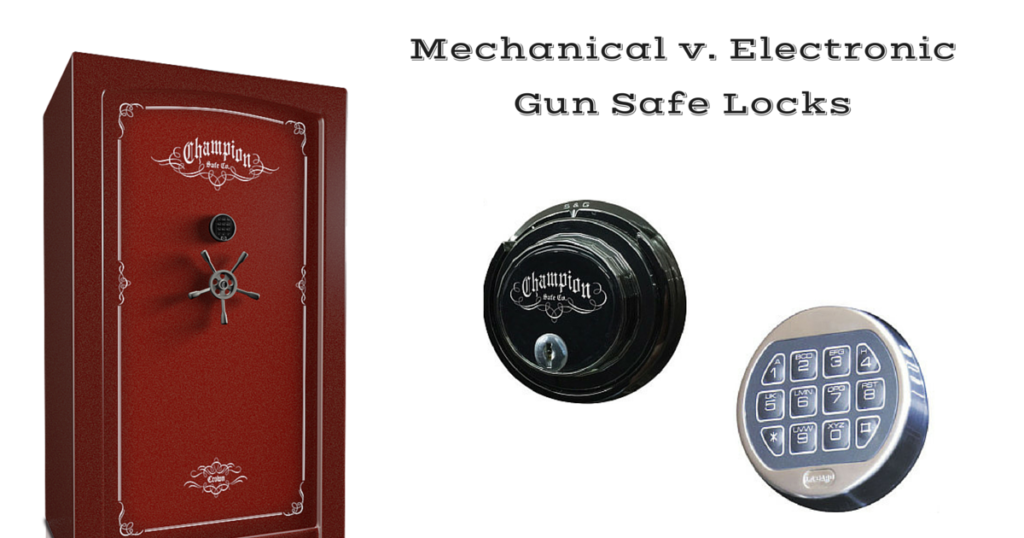
Combination locks use a numeric code. If you forget the code, the lock stays closed. Some locks have a reset function, but usually you need the original code to reset. Stronger locks use more numbers (e. g. , four-digit instead of three), making them harder to guess.
One risk: people often pick simple codes (like 123 or 000). This makes the lock easier to open by anyone trying random combinations. The dials can wear out over time, especially if made from cheap materials.
Real-world Security
Neither lock type is 100% secure against determined thieves. Trigger locks are mainly designed to prevent accidents and unauthorized access, not to stop professional burglars. For true security, locks should be used with other safety measures, like gun safes.

Ease Of Use And Access
Gun owners often need quick access to their firearms. In an emergency, unlocking the gun should be fast and simple.
Keyed Locks
With a key, you can open the lock instantly—if you have the key nearby. Many people keep the key on a chain or hidden in a drawer. But if you misplace the key, you can’t open the lock. Some locks come with extra keys, which helps.
A common mistake: storing the key with the gun. If someone finds the gun, they may find the key too, making the lock useless.
Combination Locks
With a code, you don’t need a key. Just remember the numbers and dial them in. If you forget the code, access becomes impossible. If you share the code with family, they can open the lock too. But sharing the code increases the risk that someone unauthorized learns it.
Some users report that combination dials can be tricky, especially in the dark or under stress.
Practical Example
Imagine a parent needing quick access during a home emergency. If the key is lost or the code forgotten, the lock delays access. For this reason, some gun owners prefer having backup methods, like keeping a spare key elsewhere or using an easy-to-remember code.
Durability And Maintenance
You want a lock that lasts for years, not one that breaks after a few months.
Keyed Locks
Keyed locks are usually made of metal. They are simple and have few moving parts. But the keyhole can get dirt inside, making it harder to turn. Keys can bend or break, especially if made from cheap materials.
High-quality keyed locks often use brass or hardened steel, improving durability. Cheap locks may rust or jam.
Combination Locks
Combination locks have dials and internal gears. If the lock is exposed to dust, sand, or moisture, the mechanism may jam. Plastic dials wear out faster than metal dials.
Some locks allow you to change the code, which is useful if you think someone unauthorized knows the code. But changing codes can be confusing for some users.
Data And Statistics
A 2021 study by the National Shooting Sports Foundation found that 27% of gun owners had experienced lock failure (could not open with key or code) at least once. Combination locks were slightly more likely to jam, especially after two years of use.
Cost And Value
Price is important for many buyers. Let’s compare average costs.
| Lock Type | Average Price (USD) | Typical Lifespan |
|---|---|---|
| Keyed Trigger Lock | $10–$25 | 5–10 years |
| Combination Trigger Lock | $15–$30 | 3–8 years |
Keyed locks tend to be cheaper and last longer. Combination locks cost more, but offer flexibility (no key needed). Expensive locks usually have better materials and longer warranties.
Sharing Access And Family Safety
Some gun owners want to share access with family members. This is common for home defense or hunting.
- Keyed locks: You can give spare keys to family members. But if too many keys exist, it’s easy to lose track. If a child finds a key, they could open the lock.
- Combination locks: You can share the code. But children might remember and use the code without permission. Codes can also be written down, increasing risk.
A non-obvious insight: Some families create a “code word” system for sharing the combination only in emergencies. Others use key safes to store spare keys away from children.
Common Mistakes And How To Avoid Them
Many gun owners make mistakes that reduce lock effectiveness:
- Leaving the key with the gun – This defeats the purpose of the lock.
- Using simple codes – Codes like 111 or 123 are easy to guess.
- Buying low-quality locks – Cheap locks jam or break easily.
- Not checking lock regularly – Locks can jam over time. Test every few months.
- Sharing access too widely – More people knowing the code or having keys increases risk.
To avoid these mistakes, buy a lock from a respected brand, use a strong code, and keep keys secured in a separate place.
Legal Considerations
In many states, gun owners must secure firearms. Trigger locks help comply with these laws. Some states specifically require keyed locks, while others accept combination locks. Always check your local regulations.
A non-obvious insight: Insurance companies sometimes ask about lock type when giving coverage. Using a lock can reduce liability in case of accidental discharge.
Real User Stories
Let’s look at how real people use trigger locks.
- Tom, a father of two: Uses a keyed lock for his shotgun. Keeps the key in a locked drawer, separate from the gun. Chose keyed lock because he worries his kids might guess a code.
- Angela, a hunter: Prefers combination locks. She sometimes forgets her keys, so a code is easier. Keeps her code complex and only shares it with her spouse.
- Steve, collector: Uses both types. Keyed locks for valuable guns, combination locks for daily-use guns. Says combination locks are more likely to jam after years of use.
These stories show that personal habits and family needs often guide the choice.
Which Lock Is More Secure?
Security depends on several factors:
- Quality of the lock: Cheap locks are easy to bypass.
- How you store keys or codes: Poor storage increases risk.
- How often you maintain the lock: Regular checks prevent jams.
In general, keyed locks are harder to guess but can be picked or lost. Combination locks are easy to share but codes can be guessed. For maximum security, use a lock with a strong mechanism and combine with safe storage practices.
Situations Where Each Type Is Best
Let’s break down which lock fits different situations.
- Homes with children: Keyed locks are safer if keys are stored away from kids. Combination locks can work if the code is complex and not shared.
- Multiple users: Combination locks are easier, since you can share codes quickly.
- Frequent travel: Combination locks avoid key loss during trips.
- Collectors: Keyed locks are better for valuable guns, since you can control key access.
- Emergency access: Keyed locks are faster if the key is nearby. Combination locks can be slow under stress.
A practical advisor tip: For best results, combine a trigger lock with a gun safe.
Advanced Features And Innovations
Some modern locks offer extra features:
- Tamper alerts: Some combination locks beep if someone tries the wrong code too many times.
- Resettable codes: Lets you change the code anytime.
- Weatherproofing: Locks with sealed mechanisms resist moisture and dirt.
- Smart locks: A few high-end models use fingerprint or smartphone access, but these are rare.
These features cost more but can improve safety.
How To Choose The Right Lock
When shopping, look for:
- Material: Metal is stronger than plastic.
- Brand reputation: Read reviews and choose brands with good warranties.
- Ease of use: Try the lock before buying, if possible.
- Size: Make sure the lock fits your firearm.
- Compliance: Check local laws for lock requirements.
Avoid buying the cheapest lock. Saving a few dollars now can cost more later if the lock fails.
Maintenance Tips
To keep your lock working:
- Check the lock monthly for jams or rust.
- Clean keyholes with compressed air.
- Lubricate moving parts with silicone spray.
- Replace locks every 5–10 years.
- Store locks in dry places.
If your lock fails, contact the manufacturer for support.
Trigger Locks Vs Other Safety Devices
Trigger locks are not the only option. Other safety devices include:
- Cable locks: Run through the barrel, stopping firing.
- Gun safes: Offer full security for multiple guns.
- Biometric safes: Use fingerprints for access.
Trigger locks are simple and cheap but work best with other safety tools.
Expert Opinions And Research
Firearm safety experts agree: locks should never be the only safety measure. A lock reduces risk, but education and safe storage matter too.
A study published in the Journal of Injury Prevention found that homes using both locks and safes had 68% fewer accidental discharges than homes using locks alone.
If you want more data, visit the CDC Firearm Injury Data.
Pros And Cons Summary
Here’s a quick summary:
| Lock Type | Pros | Cons |
|---|---|---|
| Keyed | – Simple to use – No code to remember – Cheap and durable |
– Key can be lost – Can be picked – Sharing access is harder |
| Combination | – No key needed – Easy to share – Resettable code |
– Code can be forgotten – Dials may jam – Codes can be guessed |
Final Thoughts: Are Keyed Trigger Locks Better?
There’s no single answer. Keyed trigger locks are better for people who want simplicity and don’t mind keeping track of keys. They are often more durable and cheaper. Combination locks are better for those who prefer not to worry about keys or need to share access with others.
For maximum safety, choose a high-quality lock, use strong codes or keep keys secure, and combine trigger locks with other safety tools. Think about your family, your habits, and your legal requirements before buying.

Frequently Asked Questions
Are Keyed Trigger Locks Easier To Use Than Combination Locks?
Keyed locks are simple—just insert the key and turn. Combination locks need you to remember and dial a code. For some, keys are easier; for others, codes are better. It depends on your habits.
Can A Keyed Trigger Lock Be Picked?
Yes, basic keyed locks can be picked by skilled individuals. High-quality locks are harder to pick, but no lock is totally pick-proof.
What Happens If I Forget The Code To My Combination Lock?
If you forget the code, the lock stays closed. Some locks have a reset function if you know the original code. Without it, you may need professional help or replacement.
Are Trigger Locks Enough For Gun Safety?
Trigger locks are good for preventing accidents but are not enough for total security. Combine them with gun safes, proper storage, and education.
Which Lock Type Is Best For Families With Children?
Keyed locks are often better if you keep the key away from children. Combination locks work if the code is complex and not shared. Always supervise and teach gun safety.
Trigger locks play a key role in firearm safety, but the best lock depends on your needs. Choose wisely, maintain your lock, and keep your family safe.