Are Universal Trigger Locks Safe For All Firearms?
Universal trigger locks are everywhere in gun stores, online shops, and even some police stations. They promise a quick, cheap way to secure any firearm—pistol, rifle, or shotgun—against accidents or theft. But are these devices truly safe for every type of gun?
Can a single lock design fit all guns and actually protect people? Many gun owners assume so, but the reality is more complex.
In this article, you’ll discover how universal trigger locks work, why people trust them, and where their safety strengths and weaknesses really lie. We’ll look at scientific studies, real-life examples, and the unexpected risks that many beginners overlook. By the end, you’ll know whether universal trigger locks are safe for all firearms—or if you should consider other options.
Exclusive Deals
Limited-time Exclusive Deals. Check current discount on Amazon.
Check Price on Amazon As an Amazon Associate I earn from qualifying purchases.What Are Universal Trigger Locks?
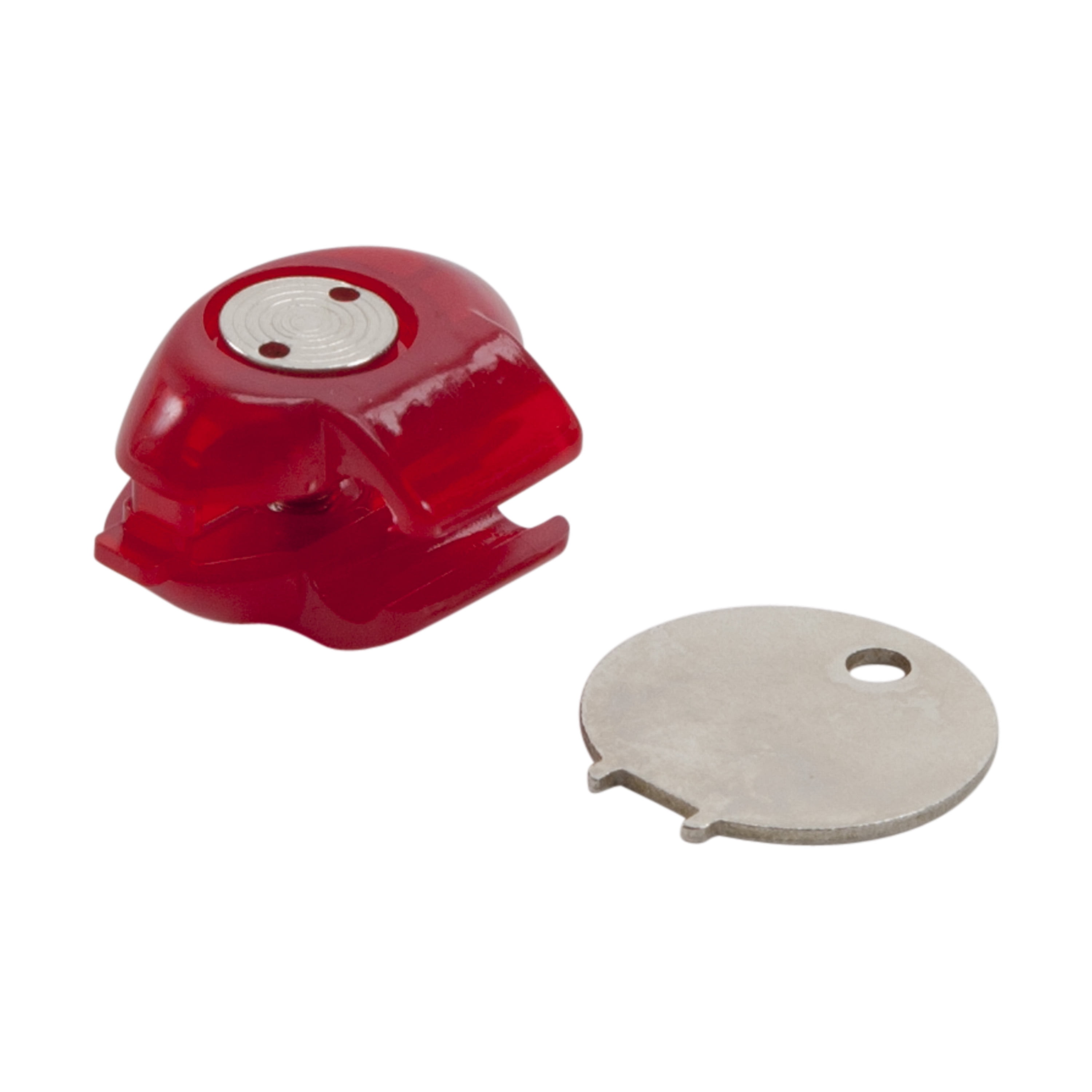
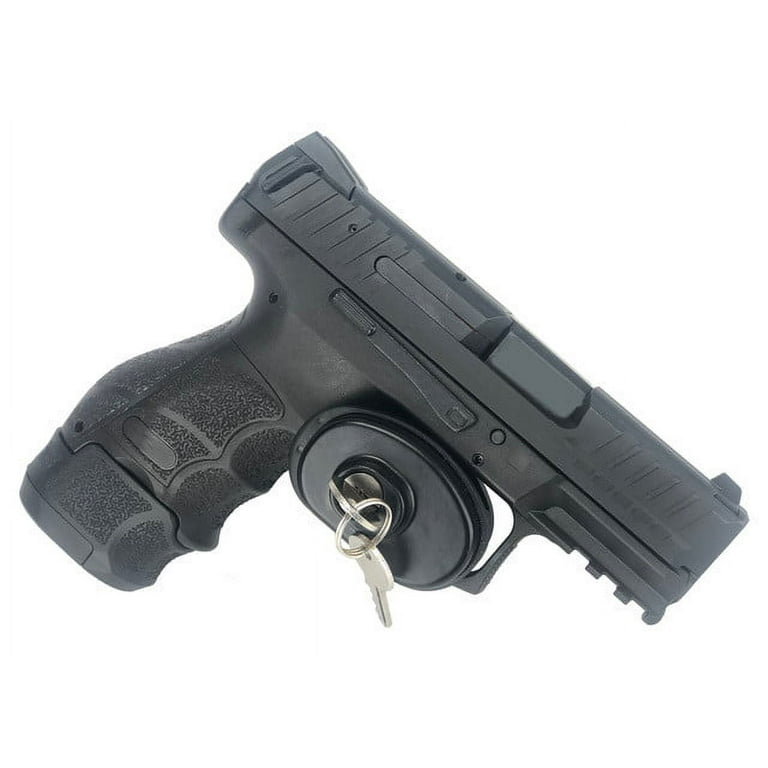
Universal trigger locks are small devices designed to fit around the trigger of a firearm, preventing it from being pulled. Most models use two metal or plastic plates that clamp together, blocking finger access. A key or combination unlocks the plates, allowing removal.
These locks are called “universal” because they claim to fit almost any gun—handguns, shotguns, rifles. The idea is simple: one lock, many guns, easy safety. They’re often affordable, costing between $5 and $30. Many gun manufacturers include a universal trigger lock with new firearms.
Common Types Of Universal Trigger Locks
- Keyed trigger locks: Open with a small key; popular for their simplicity.
- Combination trigger locks: Use a dial or buttons; no key to lose.
- Cable trigger locks: A flexible cable goes through the trigger guard and locks at both ends.
Why Are They “universal”?
The lock’s plates are designed to adjust to different trigger guard shapes. Many brands advertise “fits all models,” but this is mostly true for standard-sized guns. Oddly-shaped triggers or oversized guards may not fit as well.
Who Uses Universal Trigger Locks?
- New gun owners who want basic safety
- Parents trying to keep firearms away from children
- Travelers who need a quick way to secure guns during transport
- Retailers and manufacturers, as a cheap way to meet legal requirements
How Universal Trigger Locks Work
Universal trigger locks are meant to prevent the trigger from being pulled, so the gun can’t fire accidentally. Here’s how they function:
Exclusive Deals
Limited-time Exclusive Deals. Check current discount on Amazon.
Check Price on Amazon As an Amazon Associate I earn from qualifying purchases.- Locking mechanism: Two plates close around the trigger guard, covering the trigger. The lock (key or combination) holds them together.
- Blocking access: The plates make it hard or impossible for fingers or objects to reach the trigger.
- Quick removal: Unlocking the lock lets the plates come apart, freeing the trigger.
Most trigger locks are designed for easy installation—no tools needed. You simply place the plates around the trigger, snap them shut, and lock.
Are All Firearms Compatible?
In theory, yes. In practice, not every gun fits perfectly. For example:
- Some revolvers have small guards that don’t fit large lock plates.
- Certain shotguns have oversized trigger guards, making locks loose.
- Custom or antique guns may have odd shapes that don’t match standard locks.
Locking Strength And Materials
Universal trigger locks are usually made from hardened steel, zinc alloy, or strong plastics. The strength depends on the material and the lock’s design. Keyed locks are more common, but combination locks are growing in popularity.
Exclusive Deals
Limited-time Exclusive Deals. Check current discount on Amazon.
Check Price on Amazon As an Amazon Associate I earn from qualifying purchases.
Safety Benefits Of Universal Trigger Locks
Universal trigger locks offer several safety advantages, especially for gun owners who don’t want more complex security systems.
Key Safety Benefits
- Prevent accidental discharge: If a child or inexperienced person finds the gun, they can’t pull the trigger.
- Quick, affordable protection: Trigger locks are cheap and easy to use, making safety accessible to everyone.
- Legal compliance: Many states require guns to be secured when not in use; trigger locks are an accepted solution.
- Temporary storage solution: For travel or short-term storage, a trigger lock provides basic protection.
- Deterrent for theft: While not thief-proof, a locked trigger slows down someone trying to fire or steal a gun quickly.
Statistics And Studies
According to a 2021 CDC report, about 500 accidental gun deaths happen yearly in the US, with many involving children. Studies show that simple safety devices—like trigger locks—can reduce these accidents by up to 30%. A survey from the National Shooting Sports Foundation found that 57% of new gun owners use trigger locks as their first safety device.
Real-life Example
In one case, a family in Texas avoided tragedy when a child found a handgun with a locked trigger. The child couldn’t fire the gun, and the parents later credited the lock for saving their child’s life.
Limitations And Risks Of Universal Trigger Locks
While universal trigger locks are helpful, they aren’t perfect. There are risks and weaknesses that aren’t obvious at first glance.
Compatibility Issues
- Not truly universal: Some guns simply don’t fit the lock, or the lock is loose and can slip off.
- Trigger access: In some cases, a thin object (like a pen) can still reach the trigger through gaps in the plates.
Mechanical Weaknesses
- Weak materials: Cheap locks can break or be forced open with basic tools.
- Lock picking: Many keyed locks use simple tumblers that are easy to pick. Combination locks are often vulnerable to “brute force” attempts.
Unintended Activation
- Pressure on trigger: If the lock is installed incorrectly, it can press against the trigger. In some guns, this could cause the gun to fire while the lock is being attached or removed.
- Loaded firearms: If the gun is loaded, installing or removing a lock can be risky. Some guns may discharge if disturbed.
False Sense Of Security
Many owners believe a universal lock makes their gun completely safe. In reality, determined thieves or curious children can sometimes bypass the lock.
Data Table: Common Compatibility Problems
Here’s a look at which gun types often have compatibility issues with universal trigger locks.
| Firearm Type | Compatibility | Notes |
|---|---|---|
| Modern Handgun | High | Fits most models, but some compact guns are too small |
| Revolver | Medium | Small trigger guards, may leave gaps |
| Shotgun | Medium | Oversized guards, lock may be loose |
| Rifle | Medium | Some hunting rifles have unique shapes |
| Antique/Custom Guns | Low | Unusual trigger guards, poor fit |
Universal Trigger Locks Vs. Other Gun Safety Devices
Universal trigger locks aren’t the only option. Let’s compare them to other popular safety devices.
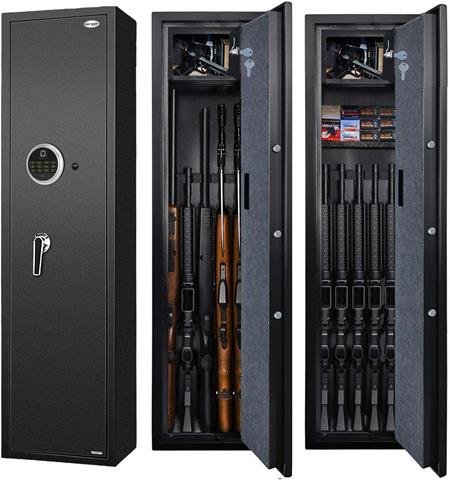
Gun Safes
- Protection level: Highest. Safes lock away the entire gun, not just the trigger.
- Cost: $100–$2,000+
- Access speed: Slowest, but safest for homes with children.
Cable Locks
- Protection level: Medium. Cable locks block the action and the trigger.
- Cost: $10–$50
- Access speed: Moderate.
Smart Locks
- Protection level: High. Uses fingerprint or code for access.
- Cost: $50–$300
- Access speed: Fast, but may fail if batteries die.
Comparison Table: Safety Devices
| Device | Protection Level | Cost Range | Ease of Use | Speed of Access |
|---|---|---|---|---|
| Universal Trigger Lock | Basic | $5–$30 | Easy | Fast |
| Gun Safe | High | $100–$2,000 | Moderate | Slow |
| Cable Lock | Medium | $10–$50 | Easy | Moderate |
| Smart Lock | High | $50–$300 | Easy | Fast |
Key Insights
- Universal trigger locks are best for quick, temporary protection.
- Safes offer the best overall security, but are expensive and slow.
- Cable locks are stronger than trigger locks and work for most guns.
- Smart locks are innovative but depend on batteries and electronics.
Practical Tips For Safe Use Of Universal Trigger Locks
If you decide to use a universal trigger lock, follow these tips to maximize safety:
- Always unload the gun first: Never install or remove a lock on a loaded firearm.
- Check fit: Make sure the lock fits tightly and covers the trigger completely.
- Test security: Try to insert a thin object past the lock. If you can, the lock isn’t safe.
- Don’t rely on one lock: Combine trigger locks with other safety measures, like storing guns in a locked cabinet.
- Teach family members: Make sure everyone understands gun safety and never tries to remove the lock without permission.
- Inspect regularly: Locks can wear out or loosen over time. Check for cracks, rust, or damage.
- Store keys separately: Don’t keep the lock key with the gun.
Non-obvious Insights
- Trigger locks can interfere with gun maintenance: Some guns require trigger access to clean or check parts. Remove the lock before maintenance.
- Legal requirements change: Some states require more than just a trigger lock. Always check local laws.
Case Studies: Real-world Safety Outcomes
Examining real incidents helps clarify the safety value of universal trigger locks.
Case 1: Child Access Prevented
In 2020, a Florida family reported that a universal trigger lock stopped their child from firing a handgun found in a closet. The lock was correctly installed and fit tightly. The child couldn’t remove it or reach the trigger.
Case 2: Lock Failure
A 2018 report from California highlighted a case where a trigger lock failed to prevent access. The gun was a custom revolver, and the lock left a gap. The child inserted a pencil through the gap and fired the gun.
The lock was not truly universal and didn’t fit the gun properly.
Case 3: Theft And Bypass
In 2019, a burglar stole several firearms with trigger locks. Using basic tools, the thief broke the plastic locks in seconds. The guns were not stored in a safe, so the locks alone were not enough.
Expert Opinions And Research
Safety experts and gun organizations have mixed opinions about universal trigger locks.
Expert Views
- National Shooting Sports Foundation: Supports trigger locks for basic safety but recommends combining them with locked storage.
- American Academy of Pediatrics: Warns that trigger locks alone are not enough for homes with children. Locked storage is essential.
- Gun safety trainers: Many suggest trigger locks as a first step, but not as the only safety device.
Research Findings
A study in the Journal of Public Health (2019) found that trigger locks reduced accidental shootings by about 25% in households with children. But homes with only trigger locks had higher risk than those using locked storage or safes.
Another study showed that up to 15% of universal trigger locks didn’t fit certain guns well enough to block access to the trigger.
Table: Lock Fit Test Results
Here’s data from a 2022 test of universal trigger locks on popular firearms.
| Gun Model | Lock Fit Quality | Trigger Accessibility | Time to Remove (Unskilled) |
|---|---|---|---|
| Glock 19 | Good | Blocked | 2 minutes |
| Smith & Wesson .38 Revolver | Poor | Partially blocked | 1 minute |
| Mossberg Shotgun | Average | Blocked | 3 minutes |
| Remington 700 Rifle | Average | Blocked | 2 minutes |
| Antique Colt Pistol | Poor | Accessible | 30 seconds |
Choosing The Right Trigger Lock
When selecting a trigger lock, focus on:
- Fit: Try the lock on your gun before buying, if possible. Check for gaps.
- Material: Choose steel or strong alloy over plastic.
- Lock type: Keyed locks are simple but easy to lose; combination locks can be more secure.
- Brand reputation: Buy from brands with good safety records.
- Reviews and tests: Look for independent tests showing the lock’s strength and fit.
Common Mistakes
- Buying the cheapest lock without checking fit
- Using trigger locks on loaded guns
- Assuming a lock is “universal” without testing
Alternatives To Universal Trigger Locks
If you need better security, consider these alternatives:
- Gun safes: Secure the whole firearm.
- Biometric locks: Fingerprint-based, quick access but high security.
- Cable locks: Block the gun’s action, not just the trigger.
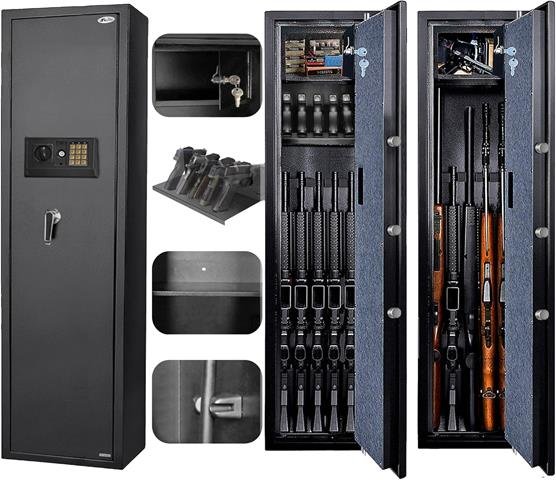
- Locked storage cabinets: For multiple firearms.
Each option has pros and cons. For high-risk homes (children, frequent visitors), a safe or biometric lock is best.
Are Universal Trigger Locks Safe For All Firearms?
The answer is: Universal trigger locks are safe for many firearms, but not all.
They provide a basic level of safety, especially for standard handguns and some rifles or shotguns. However, they are not truly universal. Oddly-shaped, antique, or custom guns may not fit well. Cheap locks can be bypassed or broken. Trigger locks are best used as part of a layered safety approach—not as your only protection.
For maximum safety, combine trigger locks with other methods: locked storage, cable locks, and smart technology. Always check the fit, unload guns before locking, and educate your household on gun safety. The lock is only as safe as its installation and use.
For further reading on gun safety standards and device effectiveness, see the Wikipedia Gun Safety page.
Frequently Asked Questions
Are Universal Trigger Locks Legal In All States?
Most states allow universal trigger locks, and some even require them for home storage or transport. However, laws differ. Some states require more secure devices (like gun safes) for homes with children. Always check your local laws before relying solely on a trigger lock.
Can Universal Trigger Locks Be Used On Loaded Guns?
It’s strongly recommended not to use trigger locks on loaded guns. Installing or removing the lock can press on the trigger, leading to accidental discharge. Always unload your firearm before attaching or removing any safety device.
How Easy Is It To Bypass A Universal Trigger Lock?
Cheap locks can be forced open with basic tools or picked by someone with skill. Some models can be bypassed with thin objects if they don’t fit tightly. High-quality locks are harder to bypass, but no trigger lock is completely foolproof.
What’s The Best Alternative To Universal Trigger Locks?
The safest option is a locked gun safe. These secure the whole firearm and are hard to break into. Cable locks and biometric locks are also strong alternatives, especially for homes with children or frequent visitors.
Do Universal Trigger Locks Work On Antique Or Custom Firearms?
Most universal trigger locks do not fit antique or custom guns well. Their shapes and sizes can leave gaps that allow trigger access. For these guns, look for specialty locks or use a locked cabinet or safe instead.
Universal trigger locks have their place in gun safety, but knowing their limits is essential for keeping your household safe. Always choose the right tool for your firearm and your situation.