
Eufy offers local storage and no monthly fees; Blink focuses on simple, battery-powered cloud systems.
I’ve spent years testing home cameras and helping friends choose systems. In this Blink vs Eufy guide I break down real strengths and trade-offs. You’ll get clear comparisons on video quality, storage, privacy, smart home support, pricing, and use cases. I’ll share what I learned during hands-on testing so you can pick the right system for your home.


Exclusive Deals
Limited-time Exclusive Deals. Check current discount on Amazon.
Check Price on Amazon As an Amazon Associate I earn from qualifying purchases.Overview: Blink vs Eufy at a glance
Blink and Eufy both make popular home security cameras. Blink is known for easy setup, long battery life, and tight Alexa integration. Eufy shines with local storage, richer features, and stronger on-device processing. When deciding between Blink vs Eufy, think about where you want data stored, how much you want to spend long term, and what smart features matter most.
Key quick differences:
- Blink suits renters and low-maintenance setups.
- Eufy fits users who want privacy and no monthly fees.
- Both brands support Alexa and some level of voice assistant control.

Design, build, and installation
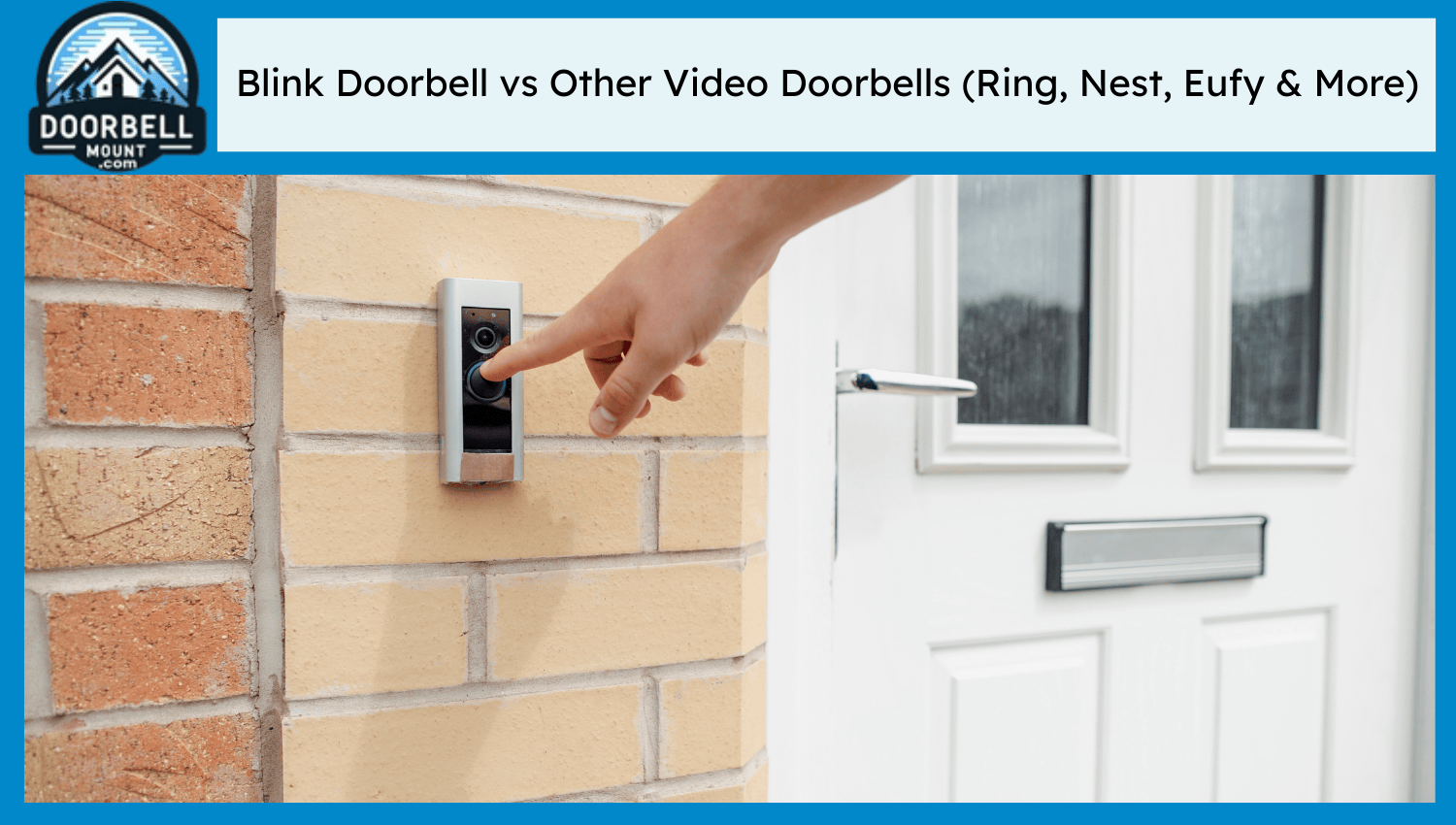
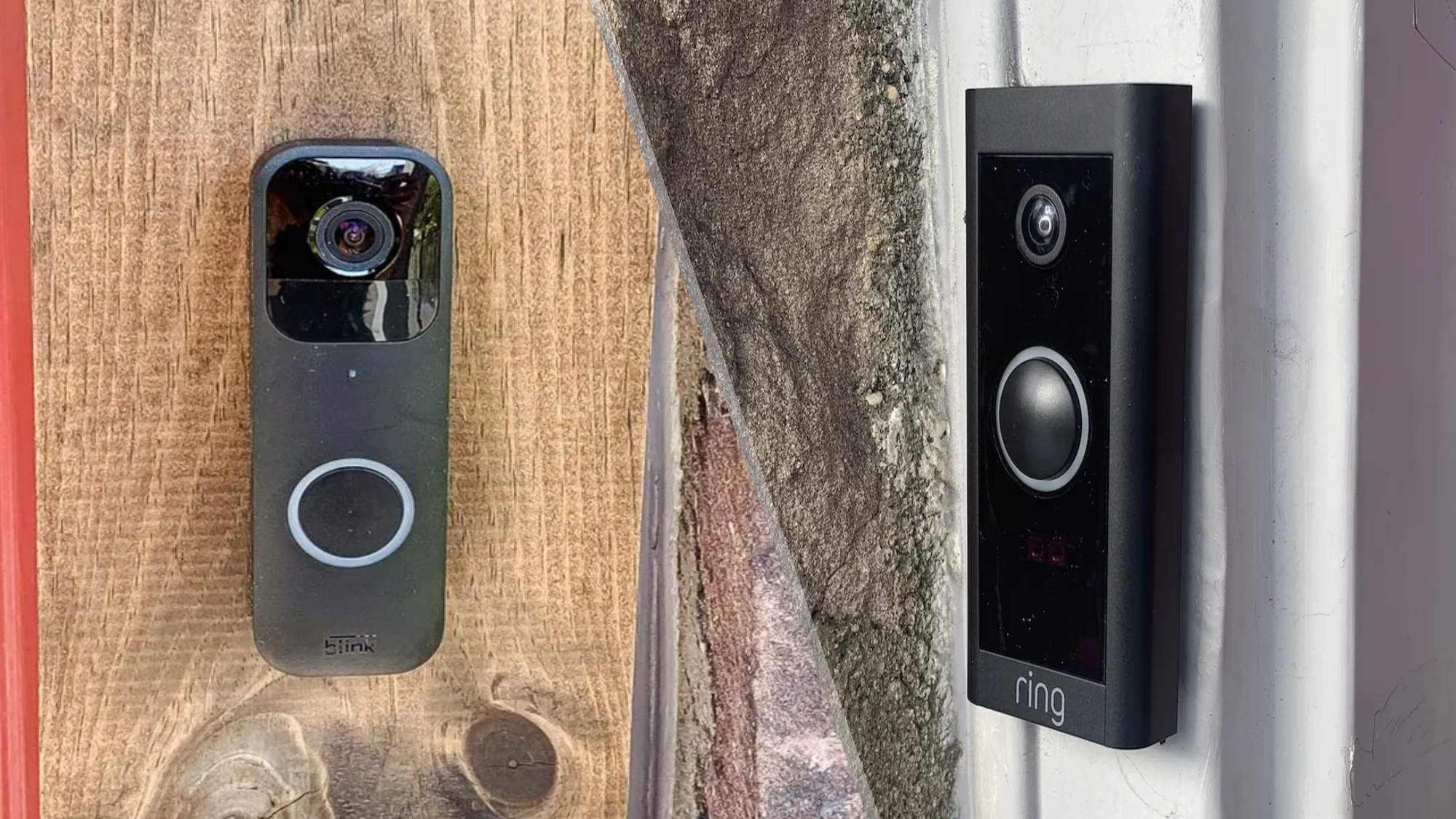
Blink and Eufy follow different design philosophies. Blink favors minimal hardware. Cameras are light, compact, and battery-focused. Installation is usually a few screws or a magnetic mount. Blink systems often run for many months on two AA batteries in real use.
Exclusive Deals
Limited-time Exclusive Deals. Check current discount on Amazon.
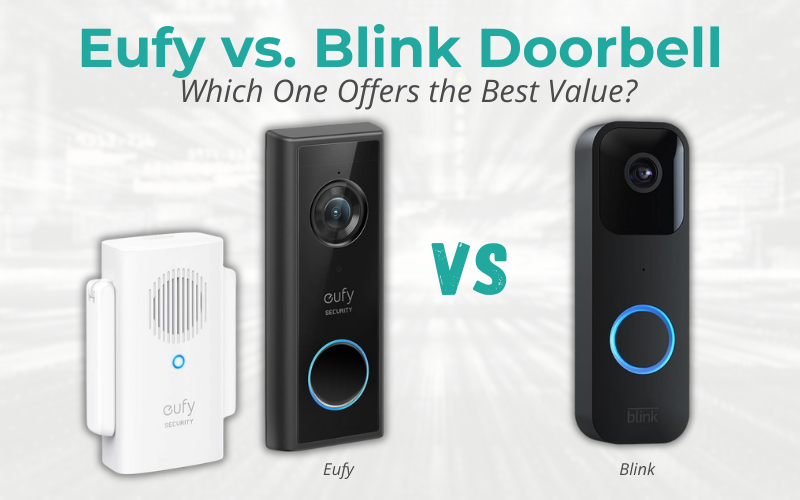
Check Price on Amazon As an Amazon Associate I earn from qualifying purchases.Eufy leans toward more solid hardware. Many models include HomeBase hubs for local storage and strong Wi-Fi handling. Cameras are heavier and often need a plug or a larger battery. Installation is still friendly but may require plugging the HomeBase into your router.
Practical notes from testing:
- Blink installation took under 10 minutes for each camera.
- Eufy setup took a little longer but felt sturdier and more stable.
Exclusive Deals
Limited-time Exclusive Deals. Check current discount on Amazon.
Check Price on Amazon As an Amazon Associate I earn from qualifying purchases.Video quality and performance
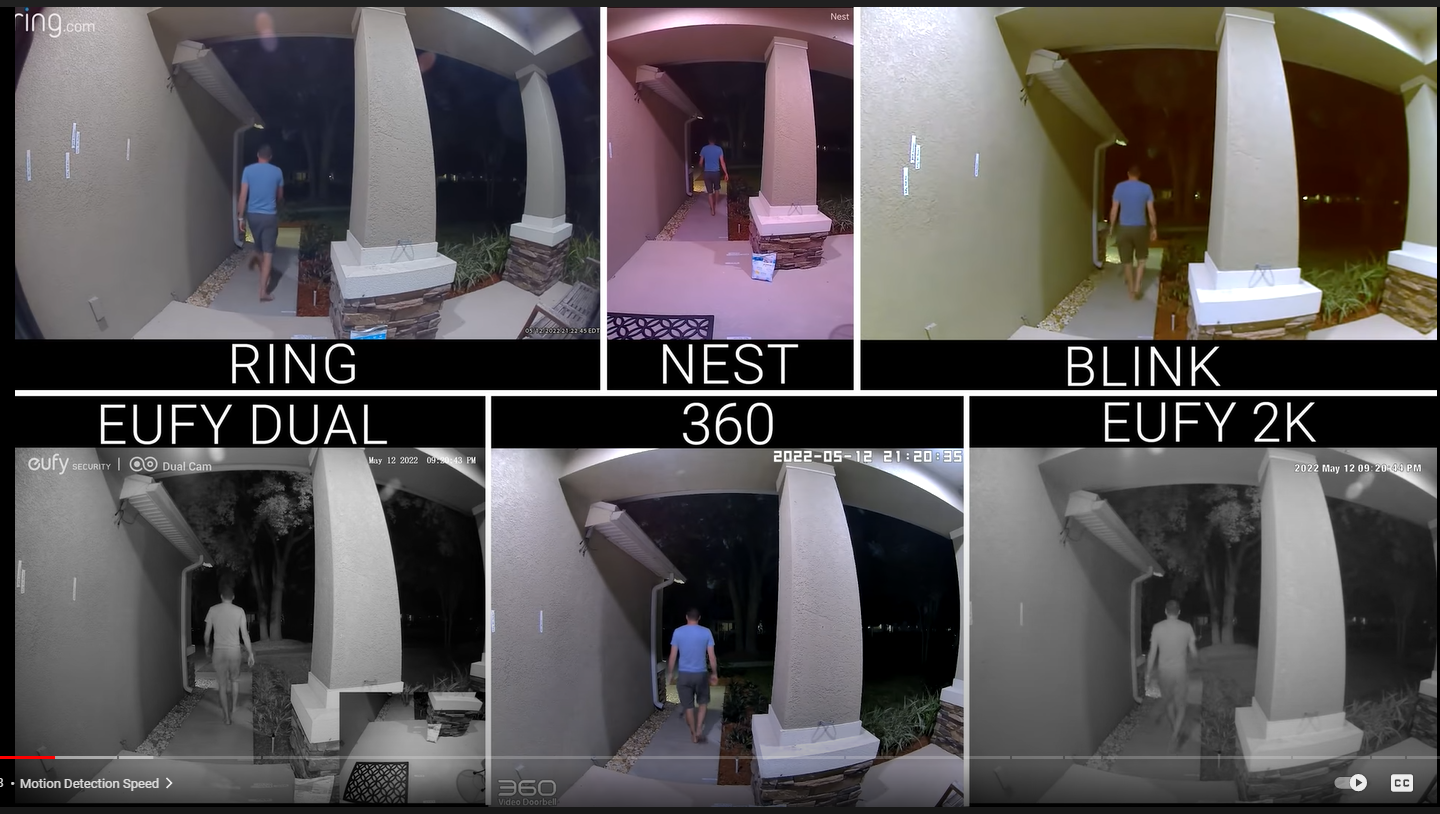
Video matters most for security. Eufy generally offers higher-resolution video and smoother frame rates. Many Eufy models record at 2K or higher and have clear color at night with good IR performance. Eufy’s on-device processing reduces false alerts and speeds up event recognition.
Blink cameras typically record at 1080p with efficient compression. The video is good for general monitoring and face detection in good light. Blink’s strengths are low power use and longer battery life rather than ultra-high resolution.
Real-world takeaways:
- For clear license-plate or face detail, Eufy usually wins.
- For casual monitoring and long battery life, Blink is fine.
Storage, privacy, and data control
Storage and privacy are core to the Blink vs Eufy debate. Eufy emphasizes local storage. Most Eufy systems include a HomeBase that stores video locally on an included drive or local SD. This means no mandatory cloud subscription and more privacy control. Eufy also supports optional cloud backup.
Blink focuses on cloud storage as the primary option. Blink offers a cloud subscription for extended video history and features. Some Blink models support local backup through a sync module, but the cloud is central to the user experience. Blink is owned by a major tech company, which shapes its cloud approach and integrations.
What I noticed during testing:
- Eufy local storage gave me fast playback without cloud lag.
- Blink cloud playback was simple but depended on subscription status.

Smart home integration and features
Both brands work with smart home systems, but in different ways. Blink integrates tightly with Alexa. You can view live feeds on Echo Show devices and use Alexa routines easily. Blink’s app is straightforward but less feature-dense.
Eufy offers broader local control and tends to support both Google Assistant and Alexa. Eufy’s on-device AI can reduce false alarms and offer person detection without cloud processing. Features like customizable detection zones and richer notifications are common on Eufy models.
Feature comparison highlights:
- Blink: simpler app, strong Alexa support, basic motion alerts.
- Eufy: advanced detection, local processing, multi-assistant support.
Pricing, subscriptions, and cost of ownership
Upfront and ongoing costs can sway your choice. Blink cameras tend to be cheaper to buy. However, Blink often nudges you toward a cloud subscription for longer video retention and some features. This can add monthly costs over time.
Eufy usually has a higher initial price but advertises “no monthly fees” for local storage setups. That can mean lower total cost of ownership over several years. Factor in hard drive replacements or optional cloud plans for Eufy if you want backups.
Money advice from experience:
- Add up 2–3 years of subscription costs for Blink when comparing.
- With Eufy, expect a larger up-front investment that pays off if you avoid subscriptions.

Reliability, updates, and long-term support
Long-term reliability matters. Eufy pushes firmware updates for the HomeBase and cameras, and their local-first approach reduces downtime from cloud outages. Blink benefits from a larger corporate infrastructure for updates and global servers, but reliance on cloud services can be a downside if policies change.
During months of use:
- Eufy remained stable and handled network hiccups well.
- Blink updated frequently and offered consistent cloud playback.
Use cases: which system fits your needs?
Choosing Blink vs Eufy depends on priorities. Match them to common use cases:
-
Renters and low-effort setups:
- Blink is a great fit. Battery life and simple mounts make it easy to move.
-
Privacy-focused households:
- Eufy is better. Local storage and on-device AI keep data off external servers.
-
Small business or detailed monitoring:
- Eufy’s higher resolution and local control help capture important details.
-
Budget buyers who accept subscription:
- Blink delivers solid value upfront and simple cloud options.
Personal note: I installed Blink in a rental for six months. Batteries lasted and the system was nearly invisible. For my main home, I prefer Eufy because I want local clips and no monthly fee.

Practical tips and mistakes to avoid
From hands-on experience, here are practical tips:
- Check Wi-Fi strength before buying. Cameras need stable signals.
- Place cameras with simple fields of view to cut false alerts.
- For Blink, budget for a subscription if you want long-term cloud storage.
- For Eufy, plan where to place the HomeBase for best coverage.
- Test motion sensitivity when installing to tune alerts.
Avoid these common errors:
- Don’t rely on a single camera for all entry points.
- Don’t ignore firmware updates; they often fix bugs.
- Don’t overdemand battery cameras with constant live view.
Common search questions answered (short)
What is the main difference between Blink vs Eufy?
- Blink focuses on simple, battery-powered cameras with cloud features. Eufy focuses on local storage and more advanced on-device processing.
Does Eufy really have no monthly fee?
- Yes, Eufy allows local storage via HomeBase so you can avoid recurring fees. Optional cloud plans are available if you want backups.
Are Blink cameras good for outdoor use?
- Blink Outdoor cameras are designed for the elements and offer good battery life. They work well for basic outdoor monitoring.
Which system is better for smart home integration?
- Blink is excellent with Alexa. Eufy works with Alexa and Google Assistant and offers more local control.
How do motion alerts compare?
- Eufy’s on-device AI tends to produce fewer false alerts. Blink’s alerts are fast but may need tuning.
Frequently Asked Questions of Blink vs Eufy
What is the difference between Blink and Eufy cameras?
Blink emphasizes battery life and cloud-based simplicity. Eufy emphasizes local storage, higher resolution, and on-device intelligence.
Which system costs more over time?
Blink can incur monthly cloud fees that add up. Eufy often costs more upfront but can be cheaper long term due to local storage.
Are Eufy cameras truly private?
Eufy’s local storage model increases privacy since clips can be stored on a local hub. Cloud backup is optional, so privacy choices are in your hands.
Can Blink and Eufy work with Alexa or Google Assistant?
Both brands work with Alexa. Eufy has better support for Google Assistant than Blink, which is tightly integrated with Alexa.
Which is better for battery life?
Blink is typically better for battery life. Blink cameras are tuned for low power and often last many months on standard batteries.
Is local storage reliable on Eufy?
Yes. Eufy’s HomeBase provides reliable local storage, which often results in faster playback and less reliance on external servers.
Do either systems require internet for basic recording?
Eufy can record locally even if the internet is down. Blink usually relies on cloud connectivity for full feature access and remote playback.
Which is easier to set up for beginners?
Blink is slightly easier for beginners due to a simpler app and lightweight hardware. Eufy is still user-friendly but more feature-dense.
Can I mix Blink and Eufy in one smart home?
Yes, you can run both brands in the same home, but you’ll manage them through separate apps and integrations may vary.
Which offers better night vision?
Eufy cameras generally offer clearer night-time footage and better color retention in low light compared to Blink models.
Conclusion
Blink vs Eufy comes down to priorities. Choose Blink for low-cost, easy installation, and long battery life. Choose Eufy for higher video quality, local storage, and fewer subscriptions. I recommend listing your top three needs—privacy, budget, or picture clarity—and match them to the system strengths. If you want a quick win, test one camera model from each brand in your home before committing to a full set.
Take action: pick the key feature you care about most and try a single camera from the chosen system. Share your experience or questions in the comments, or subscribe for more hands-on home security reviews.


