When people talk about gun safety, two products often come up: trigger locks and gun safes. Both are designed to prevent accidents, theft, or unauthorized access to firearms. But how do they work? Which one is right for your needs? Many gun owners, especially new ones, find these questions confusing. Let’s explore the key differences, advantages, and limitations of trigger locks and gun safes—so you can make a smart, safe choice.
What Is A Trigger Lock?
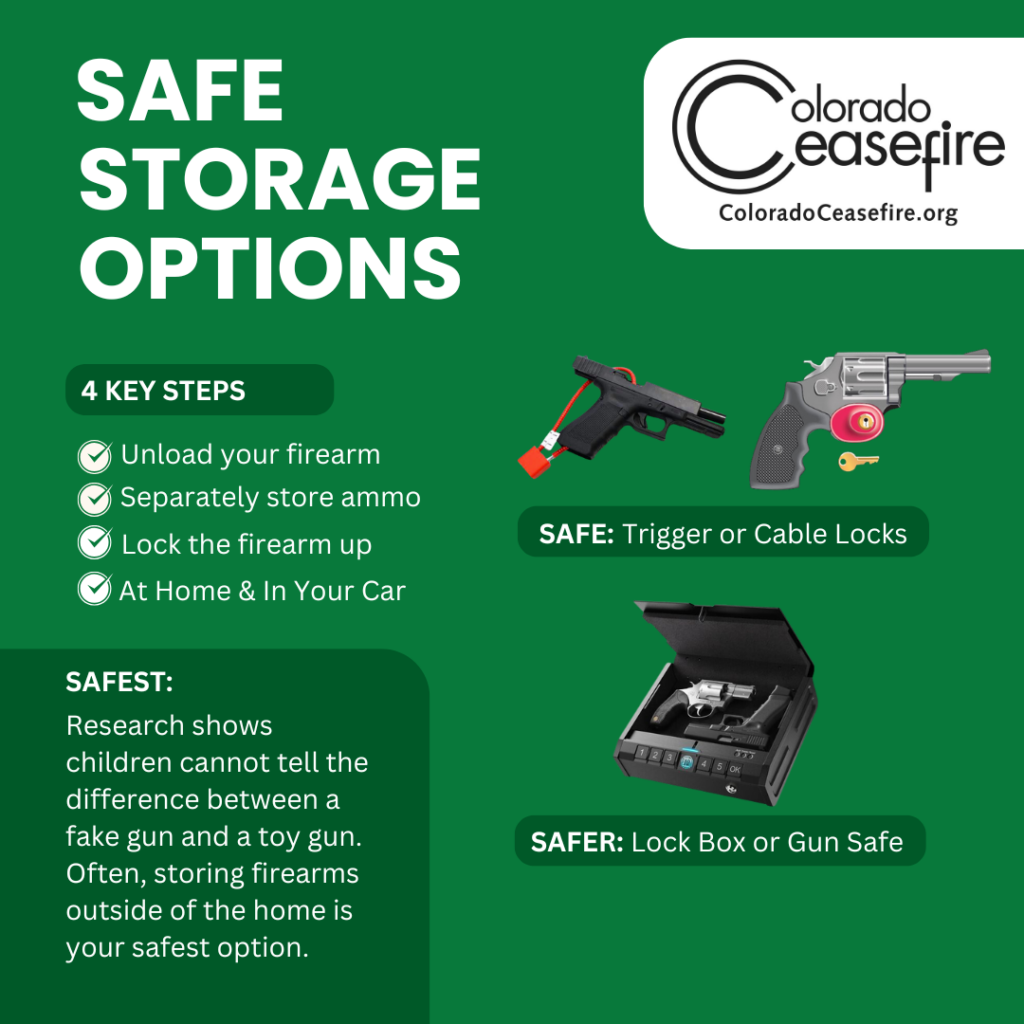
A trigger lock is a small device that fits over the trigger or inside the trigger guard of a firearm. Its main job is to stop the trigger from being pulled. This makes the gun unable to fire, even if someone tries. Trigger locks come in a few types:
- Cable locks: A strong cable passes through the gun’s action, blocking the trigger or chamber.
- Padlock-style locks: These clamp around the trigger, stopping movement.
- Key or combination locks: You need a key or code to remove them.
Trigger locks are usually made from metal or tough plastic. They are compact and light, so you can use them at home or when traveling. Most new guns in the US come with a basic trigger lock included.
Exclusive Deals
Limited-time Exclusive Deals. Check current discount on Amazon.
Check Price on Amazon As an Amazon Associate I earn from qualifying purchases.What Is A Gun Safe?
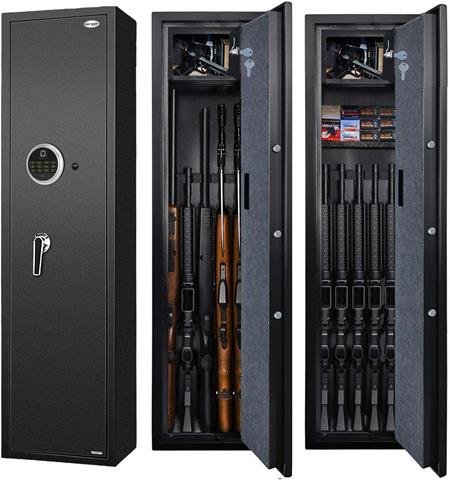
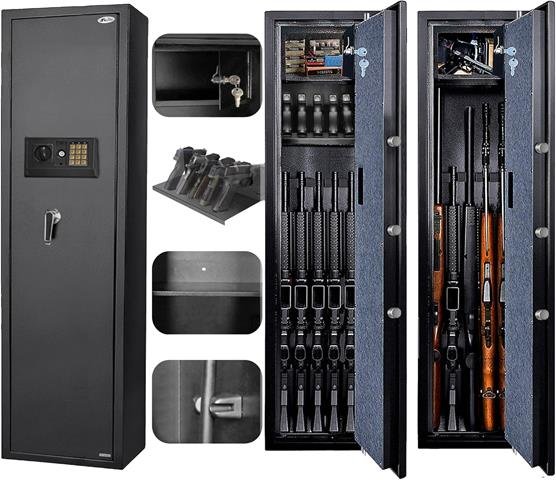
A gun safe is a strong, locked container designed to hold firearms and sometimes other valuables. Safes are made from thick steel and have advanced locking systems, like:
- Mechanical combination dials
- Electronic keypads
- Biometric (fingerprint) readers
- Traditional keys
Gun safes range in size from small boxes (for one handgun) to large cabinets that can hold 20 or more rifles. Some are fireproof or waterproof, adding extra protection for your valuables. Most gun safes are heavy and meant to stay in one place.
Core Differences At A Glance
To quickly compare trigger locks and gun safes, see the table below:
| Feature | Trigger Lock | Gun Safe |
|---|---|---|
| Purpose | Blocks trigger use | Secures entire gun(s) |
| Size | Very small | Small to very large |
| Security Level | Basic | High |
| Cost | Low ($5–$30) | Medium to high ($60–$3,000+) |
| Portability | Very portable | Usually stationary |
| Protection Against Theft | Poor | Strong |
| Child Safety | Some | Strong |
| Fire/Water Protection | None | Possible |
How Trigger Locks Work
Trigger locks are simple. You place the device over or through the trigger area and lock it. The key or code is needed to open it. This means that even if someone holds the gun, they cannot fire it until the lock is removed.
Exclusive Deals
Limited-time Exclusive Deals. Check current discount on Amazon.
Check Price on Amazon As an Amazon Associate I earn from qualifying purchases.Trigger locks do not unload the gun or block the magazine—so a loaded gun with a trigger lock can still be dangerous if the lock fails or is removed.
Common Use Cases
- Quick safety solution for homes with children or visitors.
- Traveling with firearms, as some states require guns to be locked during transport.
- Added layer with other security (like a gun safe).
Pros And Cons
Pros
- Low cost: Most trigger locks cost less than $20.
- Easy to use: Takes seconds to attach or remove.
- Portable: Fits in a pocket or gun case.
- Legal compliance: Meets laws in some states for storage or transport.
Cons
- Limited security: Can be broken or picked by determined thieves.
- No theft protection: Does not stop someone from stealing the whole gun.
- No fire/water protection: Gun can still be damaged.
- Possible accidents: If installed on a loaded gun, can cause accidental discharge during removal.

How Gun Safes Work
A gun safe is a locked container. You open it with a key, code, or fingerprint, depending on the model. Inside, guns are fully enclosed. Some safes let you bolt them to the floor or wall. High-end safes resist fire, water, and even drilling or prying.
Common Use Cases
- Home firearm storage: Especially for multiple guns or valuable collections.
- Child safety: Keeps guns completely out of reach.
- Protection from theft or disaster: Stores guns, documents, and valuables.
Pros And Cons
Pros
- High security: Difficult for thieves to move or open.
- Full gun protection: Guns and ammo are completely enclosed.
- Fire and water resistance: Many models offer disaster protection.
- Meets most laws: Satisfies strict storage rules in many states.
Cons
- Expensive: Good safes start around $200 and can cost thousands.
- Heavy and bulky: Not easy to move or travel with.
- Slower access: Takes longer to open in emergencies.
- Needs space: Large safes require room in your home.
Security: Which Is Safer?
When it comes to security, gun safes are clearly superior. Trigger locks mainly prevent quick, casual use, like a child grabbing a gun. But anyone with basic tools—or enough time—can remove or break a trigger lock. Thieves can also just take the whole gun and deal with the lock later.
Exclusive Deals
Limited-time Exclusive Deals. Check current discount on Amazon.
Check Price on Amazon As an Amazon Associate I earn from qualifying purchases.Gun safes, especially those bolted down, are a much bigger challenge for criminals. They also protect against fire or water, which trigger locks cannot do. If you want the highest level of security, a gun safe is the better choice.
Real-world Data
- Trigger locks: According to the National Shooting Sports Foundation, most trigger locks can be picked or removed in under 5 minutes by someone with basic skills.
- Gun safes: The American Firearms Institute found that 90% of home gun thefts involve unlocked or poorly stored guns—not those in quality safes.
Child Safety: What’s Best For Families?
Child safety is one of the main reasons people use trigger locks or gun safes. Both help, but in different ways.
- Trigger locks can stop small children from firing a gun if they find it. But older children or teens may figure out how to remove them.
- Gun safes keep guns completely out of reach, unless a child knows the code or finds the key. This is a much stronger safety measure.
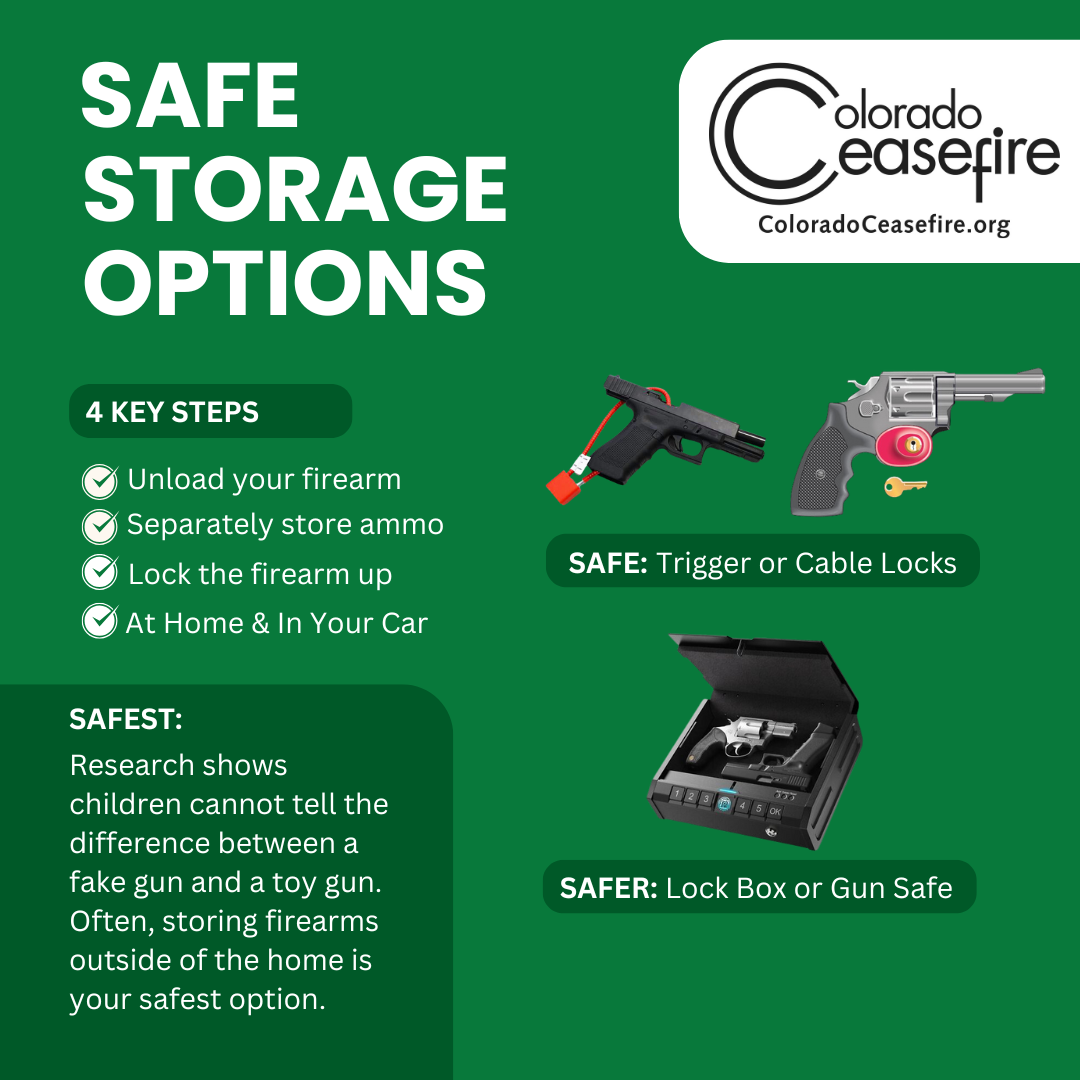
The American Academy of Pediatrics recommends storing all guns unloaded, locked, and separate from ammunition. Only gun safes make this easy to do in one step.
Speed Of Access: Emergencies And Self-defense
Many gun owners want fast access to their guns in an emergency. Here, trigger locks have an advantage: they’re quick to remove if you have the key or code ready. Gun safes, especially large ones, can take more time to open.
But modern technology is changing this. Some gun safes now have biometric locks that open in seconds with a fingerprint. Small bedside safes are also fast and easy to use. However, a trigger lock on a loaded gun can actually slow you down—especially if you lose the key or have trouble removing the lock quickly.
Portability: Taking Guns On The Go
Trigger locks are very portable. They fit in your pocket and add almost no weight. This makes them good for travel or temporary storage. Many gun owners use trigger locks when transporting guns in cars, as required by law in some states.
Gun safes, by contrast, are usually heavy and meant to stay in one place. There are small “lockboxes” that hold a single handgun, which are portable—but they are not as secure as full-size safes.
Cost: What Will You Pay?
Budget is a big factor for many people. Here’s a comparison:
| Product | Typical Price Range | What You Get |
|---|---|---|
| Trigger Lock | $5 – $30 | Basic lock for one gun |
| Small Gun Safe | $60 – $300 | Holds 1–2 handguns |
| Large Gun Safe | $300 – $3,000+ | Holds 10–40+ guns |
Most new gun owners start with a trigger lock, then upgrade to a safe as their collection grows or their security needs change.
Legal Requirements And Insurance
Many states in the US have laws about gun storage. Some require trigger locks or gun safes, especially in homes with children. Failing to follow these laws can lead to fines or even criminal charges if a child or criminal gets access to your gun.
Some insurance policies also require guns to be stored in a safe to qualify for coverage. Check your state and local laws, as well as your homeowner’s policy, to make sure you are protected.
Choosing The Right Option For Your Needs
The choice between a trigger lock and a gun safe comes down to your goals, budget, and situation. Here are some practical tips:
- For homes with children: A gun safe is strongly recommended. Trigger locks are better than nothing but not as secure.
- For single gun owners on a budget: Start with a trigger lock, but save for a safe.
- For collectors or valuable firearms: Invest in a high-quality safe with fire and water resistance.
- For travel: Use a trigger lock or a small portable safe to meet legal requirements.
- For quick self-defense access: Consider a small biometric safe, which is faster than a traditional safe or a trigger lock.
Common Mistakes To Avoid
- Storing a loaded gun with only a trigger lock: This is risky, as removing the lock can sometimes pull the trigger accidentally.
- Leaving keys or codes unsecured: Kids or thieves may find them.
- Assuming a trigger lock stops theft: It does not.
- Buying a safe that is too small: Many people outgrow their first safe quickly.
Real-life Scenarios
Let’s look at how different people use these devices:
- Parent with young children: Uses a gun safe for all firearms, keeping keys and codes hidden. May use trigger locks as a backup when cleaning guns.
- Hunter: Keeps hunting rifles in a large safe. Uses trigger locks when transporting guns in a vehicle, as required by law.
- Handgun owner for self-defense: Uses a small bedside biometric safe for quick access. May add a trigger lock for extra protection when guests visit.
- Collector: Invests in a fireproof safe for all guns and valuables, with individual trigger locks for rare or historic pieces.
Maintenance And Care
Both trigger locks and gun safes need some care to work well.
Trigger Locks
- Check for rust or damage regularly.
- Keep the key or code secure and don’t lose it.
- Replace if worn: Old locks can break or fail.
Gun Safes
- Lubricate locks and hinges as recommended by the maker.
- Change batteries in electronic or biometric safes.
- Test the lock every few months.
- Keep the safe clean and dry inside to prevent rust.
A poorly maintained lock or safe can fail when you need it most.
Additional Insights Beginners Often Miss
1. Trigger locks are not universal. Not every trigger lock fits every gun. Some guns, especially older models or custom firearms, need special locks. Always check compatibility before buying.
2. Gun safes are not all equal. The cheapest safes can sometimes be opened quickly with basic tools. Look for safes with solid steel walls, good locking bolts, and a trusted brand name. Independent certifications, like UL ratings, are a sign of real quality.
3. Insurance value. Storing guns in a safe may lower your insurance premium or make claims easier. Many people don’t realize this until after a loss.
4. Dual-layer security is best. Using both a safe and a trigger lock provides extra safety—especially if you have kids or visitors in your home.
5. Fire and water risks. Even in safe neighborhoods, fires and floods are common. Only a safe with certified protection can keep guns and documents safe from disaster.
Which One Should You Choose?
If you can only choose one, a gun safe offers the most complete protection—for your guns, your family, and your peace of mind. A trigger lock is better than nothing and useful for travel or as a backup, but it’s not enough by itself for most homes.
For many gun owners, the best answer is both: use trigger locks for quick, basic safety and a gun safe for storage and theft protection.
If you want more details on storage laws and safety studies, the Wikipedia page on Gun Safety offers a wealth of information.
Frequently Asked Questions
What Is The Main Difference Between A Trigger Lock And A Gun Safe?
A trigger lock blocks the trigger of a gun, making it hard to fire. A gun safe completely locks the gun (and often other valuables) inside a strong, secure box. A safe gives better overall protection, while a trigger lock is a simple, quick solution.
Are Trigger Locks Enough For Child Safety?
Trigger locks help, but they are not perfect. Curious children or teens can sometimes find keys or figure out how to remove them. A gun safe is much harder for kids to access and is a stronger safety measure.
Can I Use Both A Trigger Lock And A Gun Safe At The Same Time?
Yes, and this is often recommended. Using both gives you two layers of protection—making accidents or theft even less likely.
Do Gun Safes Protect Against Fire And Water?
Some gun safes are built to resist fire and water. Always check the safe’s ratings. Most trigger locks offer no protection against fire, water, or other disasters.
Which Is Faster For Emergency Access: A Trigger Lock Or A Gun Safe?
A trigger lock can be fast if you have the key handy, but a small biometric safe is often just as quick and more secure. Large gun safes take longer to open, so consider your needs and situation.
Keeping guns secure is a responsibility all owners share. Whether you use a trigger lock, a gun safe, or both, smart storage choices protect you, your family, and your community.