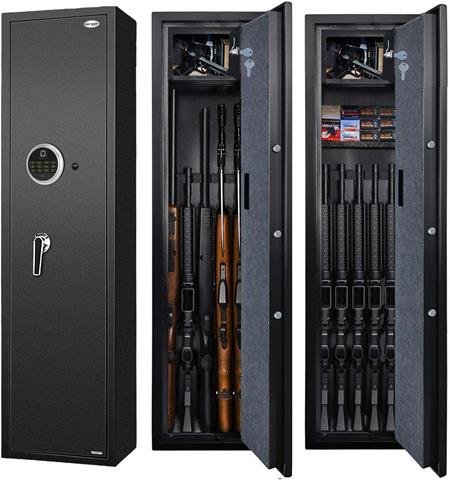
Gun Safe vs Home Safe: Choose a gun safe for firearms, or a home safe for valuables and documents.
I have worked with security products and tested safes for years, so I know what matters when you compare a Gun Safe vs Home Safe. This article breaks down how each safe is built, what they protect, and which one fits your needs. I will share clear tests, real-life tips, and a buying checklist so you can decide with confidence.
Exclusive Deals
Limited-time Exclusive Deals. Check current discount on Amazon.
Check Price on Amazon As an Amazon Associate I earn from qualifying purchases.Why choose a Gun Safe vs Home Safe?
A gun safe is built mainly for firearm storage. A home safe focuses on documents, jewelry, cash, and small valuables. Each type has choices in lock style, fire rating, and size. Knowing the core purpose helps you avoid buying the wrong model.
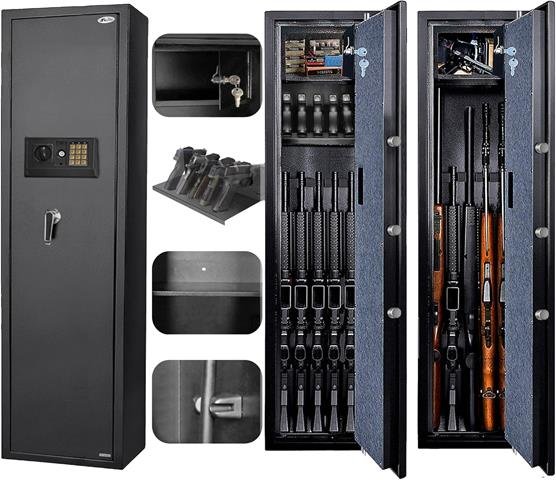
Gun safes often include racks or racks and long-latch designs for rifles. Home safes usually offer flat shelves and drawers. If you own guns, a dedicated gun safe helps with proper storage and legal compliance. If not, a home safe may be more practical and space friendly.
Security features and construction
Security starts with the steel and locks used. Gun safes and home safes vary in thickness and bolt layout. Higher security models use thicker plates, stronger bolts, and certified ratings.
Exclusive Deals
Limited-time Exclusive Deals. Check current discount on Amazon.
Check Price on Amazon As an Amazon Associate I earn from qualifying purchases.Common features to compare:
- Solid steel body — Thicker steel resists pry attacks better.
- Lock types — Mechanical dial, keyed lock, electronic keypad, or biometric readers.
- Bolt work — Multiple solid bolts add resistance to forced entry.
- Certification — Look for RSC, UL, or TL ratings for tested protection.
I saw a mid-range gun safe fail at the hinge after poor installation. That taught me to check hinge placement and internal boltwork. Always inspect the build and test the locking action before final placement.

Exclusive Deals
Limited-time Exclusive Deals. Check current discount on Amazon.
Check Price on Amazon As an Amazon Associate I earn from qualifying purchases.Fire and environmental protection
Fire ratings matter for both safes. Ratings show how long a safe keeps internal temps low. Home safes often emphasize fire protection for paper and media. Gun safes may have less fire insulation if the focus is on storage and size.
Key points:
- Fire rating basics — Ratings are usually in minutes (30, 60, 120). Higher is better.
- Media vs paper — Media protection aims for lower internal humidity and temp than paper protection.
- Water and humidity — Look for seals and desiccant options for long-term storage.
I once stored family documents in a small gun safe with no fire rating. After a false alarm with smoke, I switched to a fire-rated home safe for those items. Match the safes to the items you want to protect.

Size, capacity, and internal layout
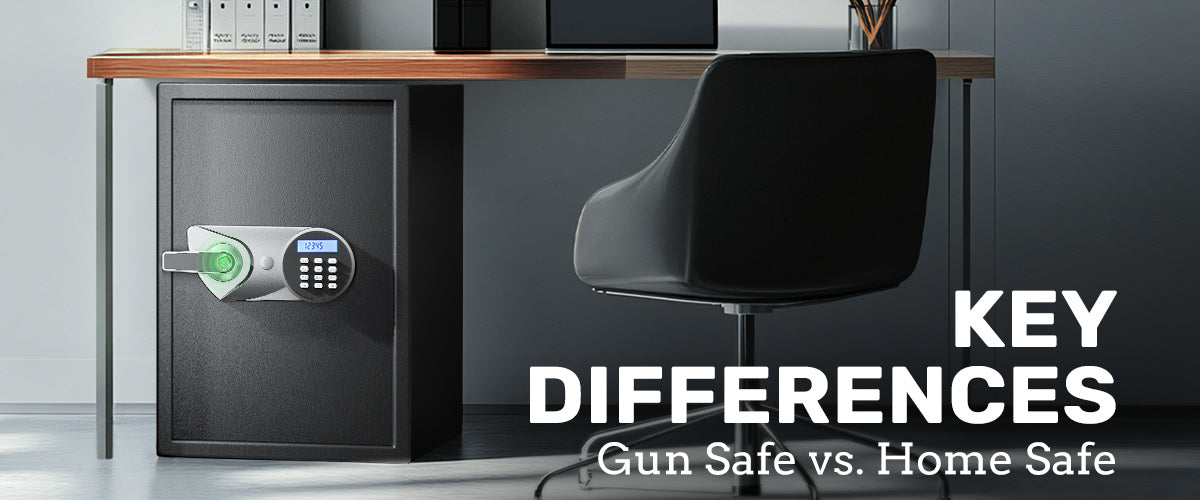
Size is a major difference between Gun Safe vs Home Safe. Gun safes are tall and deep to hold rifles. Home safes tend to be smaller and stack-friendly for shelves and drawers.
What to consider:
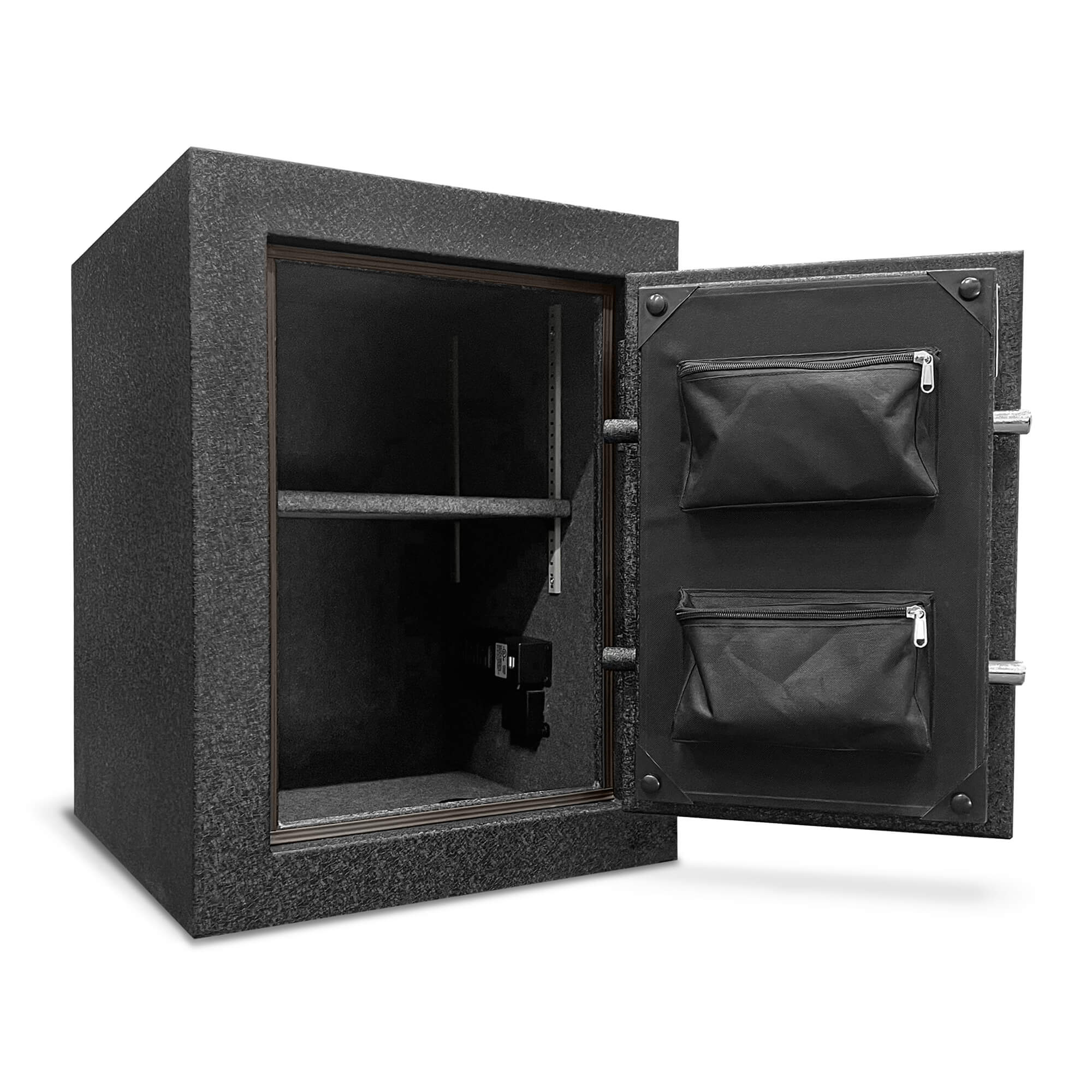
- Item type — Rifles need height and racks. Handguns can fit in smaller safes or lock boxes.
- Internal organizers — Adjustable shelves help with valuables and documents.
- Weight and footprint — Bigger safes offer more protection but may need professional moving and floor support.
Measure your space and items before buying. I recommend making a photo inventory of what you plan to store. That makes sizing clear and helps avoid wasted money.
Installation, placement, and accessibility
Where you place a safe affects both security and convenience. A safe should be accessible to authorized users and hidden from casual thieves.
Placement tips:
- Anchoring — Bolt to the floor or wall to deter theft of the whole unit.
- Concealment — Install in a closet, behind furniture, or in a closet floor for stealth.
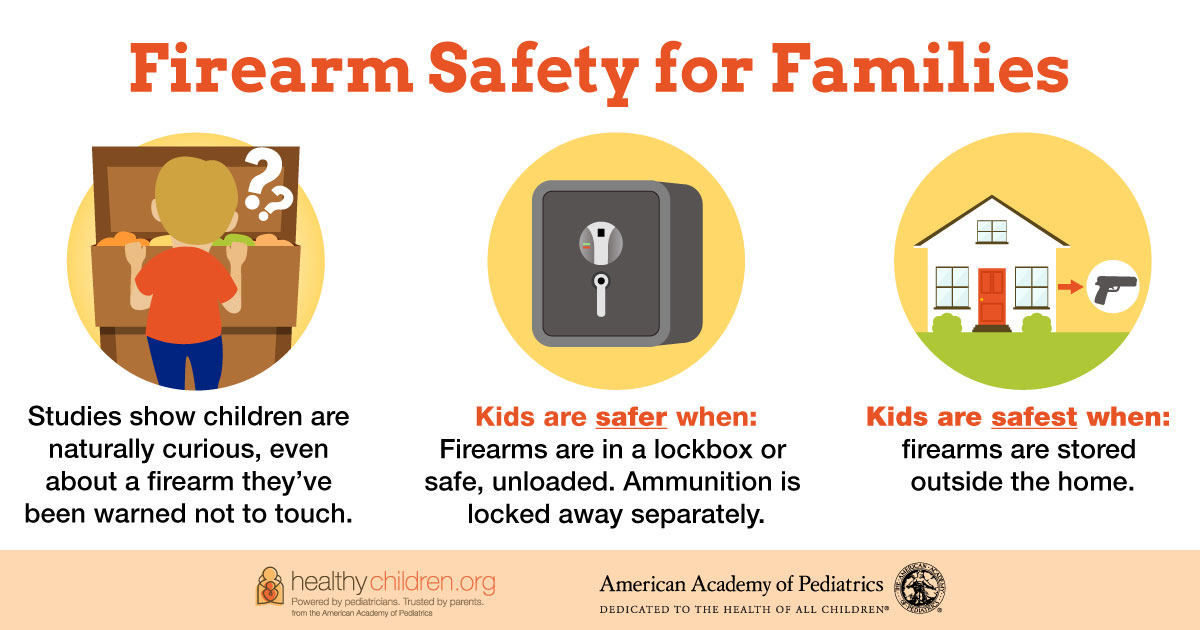
- Accessibility — Balance safety with the need for quick access, especially for self-defense firearms.
I once mounted a home safe on a concrete floor. Anchoring made a big difference in theft resistance. If you rent, consider a secure but reversible installation method.

Cost, value, and insurance considerations
Cost ranges from small lockboxes to heavy, certified safes. The right choice depends on value of contents and risk level. Insurance companies may require certain ratings for coverage.
Considerations:
- Budget — Expect to pay more for higher fire and security ratings.
- Insurance — Check if your policy offers lower premiums for certified safes.
- Long-term value — A well-made safe provides protection for decades.
When I priced two safes, the premium for certification was worth it. Think of the safe as insurance you can see and touch.
How to choose: practical buying checklist
Use a checklist to compare models and avoid buyer regret. Keep needs and budget in focus.
Checklist:
- Define contents — List guns, documents, cash, jewelry, and electronics.
- Check ratings — Look for fire minute rating and security certifications.
- Try the lock — Test electronic and mechanical locks for feel and speed.
- Size and weight — Ensure it fits the space and entryways.
- Anchoring options — Confirm bolt holes and hardware are included.
- Warranty and service — Longer support signals manufacturer confidence.
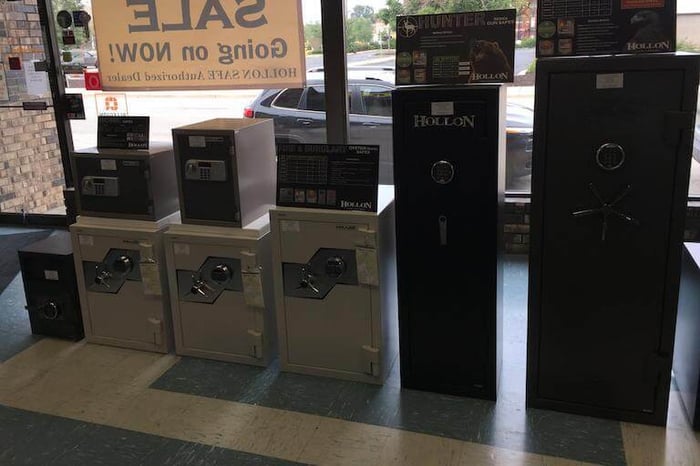
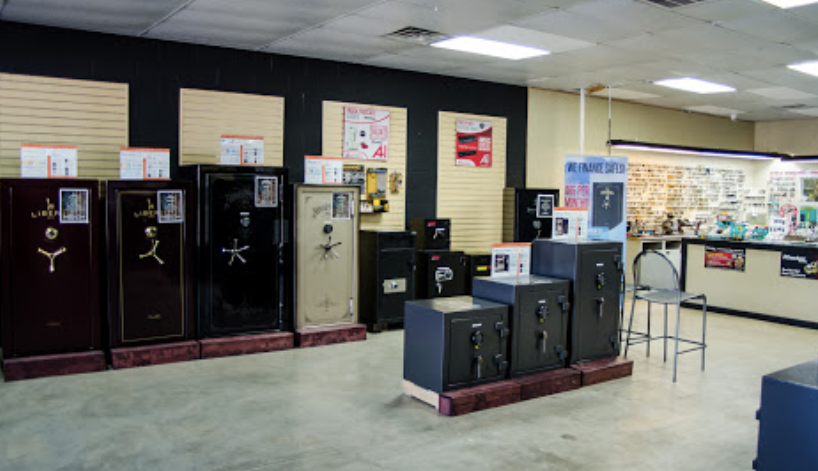
My top tip: visit a showroom if possible. Handling a safe gives a real sense of build quality and lock smoothness.
Maintenance and longevity
A safe is a long-term product. Proper care extends its life and reliability.
Maintenance tips:
- Test locks and bolts periodically to ensure smooth action.
- Replace batteries annually for electronic locks.
- Use desiccants to control internal moisture and protect metals and papers.
- Re-check anchor bolts for tightness after moving or structural work.
I once neglected an electronic keypad battery and got locked out. Regular checks prevent that avoidable stress.
Common use cases and examples
Different households need different safes. Here are practical examples.
Examples:
- Family with rifles — Choose a tall gun safe with racks and quick access for legal storage.
- Home office — Use a fire-rated home safe for documents, backup drives, and cash.
- Small apartment — A compact home safe or certified lockbox may be the best fit.
- Mixed needs — Consider two safes: a gun safe for firearms and a home safe for papers.
I used a dual-approach in one house: a gun safe in the garage for rifles and a smaller fire-rated safe indoors for documents.
Risk trade-offs and limitations
No safe is perfect. Understand limits to make a wise choice.
Limitations to know:
- Fire ratings are tested on empty units; packed conditions may change performance.
- Thicker steel does not always equal better security if boltwork is weak.
- Home safes can be stolen if not anchored properly.
- Biometric locks offer speed but may fail under stress or with dirty fingers.
Be honest about threats. If you face high risk, invest in a certified, heavy unit and professional installation.
Buying and installation resources
Plan the purchase and setup. Use experts where needed.
Steps to follow:
- Read specs and ask about test data and certifications.
- Compare warranty coverage and service network.
- Arrange delivery and professional installation for heavy safes.
- Register the safe and keep backup entry methods secure.
I recommend asking the dealer for a demo of the lock and a written fire and security spec. That saved me time and worry later.
Frequently Asked Questions of Gun Safe vs Home Safe
What is the main difference between a gun safe and a home safe?
A gun safe is shaped and built to store firearms and ammo, often with racks and bigger interior height. A home safe focuses on documents, small valuables, and fire protection.
Do gun safes offer good fire protection for documents?
Some gun safes have fire insulation, but not all are rated for paper protection. For important documents, choose a safe with a clear fire rating for paper or media.
Can a small home safe protect firearms legally?
Laws vary, but many jurisdictions require firearms to be stored in approved containers or locked away. Check local law; a small home safe may meet requirements for handguns but not long guns.
Is a certified safe worth the extra cost?
Yes. Certifications mean the safe passed independent tests for attack or fire resistance, which improves protection and can help with insurance claims. The extra cost often buys real added security.
How do I maintain my safe?
Test locks and bolts regularly, replace electronic batteries yearly, and use desiccants to control moisture. Keep the safe anchored and inspect seals and hinges periodically.
Are biometric locks reliable for safes?
Biometric locks offer fast access but can be affected by wet or dirty fingers and battery issues. They are practical for everyday use when paired with a backup key or code.
Should I anchor my safe to the floor or wall?
Yes. Anchoring deters thieves from removing the whole safe and improves security. Use the bolt points recommended by the manufacturer and secure to solid structure when possible.
How much should I spend on a safe?
Budget depends on what you store and your risk. For firearms and high-value items, prioritize security and ratings over the lowest price. A mid-range certified safe often balances cost and protection.
Can I store electronics and media in a gun safe?
Only if the safe has proper media protection. Electronics are sensitive to heat and humidity, so look for safes rated for media or add desiccants and climate control.
How do I choose between a single safe or multiple safes?
Use a single safe if your needs match one unit’s strengths. Consider multiple safes when you need specialized protection for firearms, documents, and jewelry in different locations.
Conclusion
Choosing between a Gun Safe vs Home Safe comes down to what you need to protect. Match the safe type to your items, check fire and security ratings, and plan for proper installation. My experience shows that clarity about needs and hands-on inspection avoid costly mistakes. Take action: list your items, set a budget, and shop with the checklist above. Share your thoughts or ask questions below to get targeted advice.