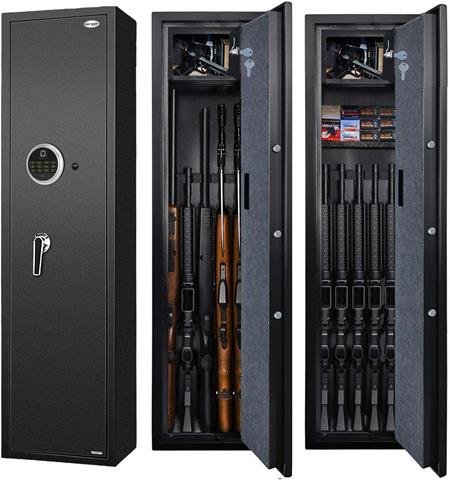
Hidden safes hide in plain sight; traditional safes are visible, heavy, and overtly secure.
I’ve spent years working with home security products and installing both hidden safes and traditional safes. This guide compares Hidden Safe vs Traditional Safe with clear, practical advice. I explain how each type works, where they shine, and where they fall short. Read on to make a smart choice that matches your needs, budget, and peace of mind.

Exclusive Deals
Limited-time Exclusive Deals. Check current discount on Amazon.
Check Price on Amazon As an Amazon Associate I earn from qualifying purchases.Key Differences: Hidden Safe vs Traditional Safe
Hidden safe vs Traditional safe is a comparison of strategy. Hidden safes rely on concealment. Traditional safes rely on visible deterrence and brute strength. Each approach answers a different threat model.
Key contrasts at a glance:
- Concealment versus visibility.
- Light, built-in designs versus heavy, freestanding units.
- Best for casual theft vs best for determined burglars.
- Easier to hide versus easier to insure and rate for fire.
I’ve installed both for clients. Hidden safes often stop the casual intruder. Traditional safes resist theft attempts and fire better. Your choice depends on what you protect and how you live.

Exclusive Deals
Limited-time Exclusive Deals. Check current discount on Amazon.
Check Price on Amazon As an Amazon Associate I earn from qualifying purchases.Design and Concealment
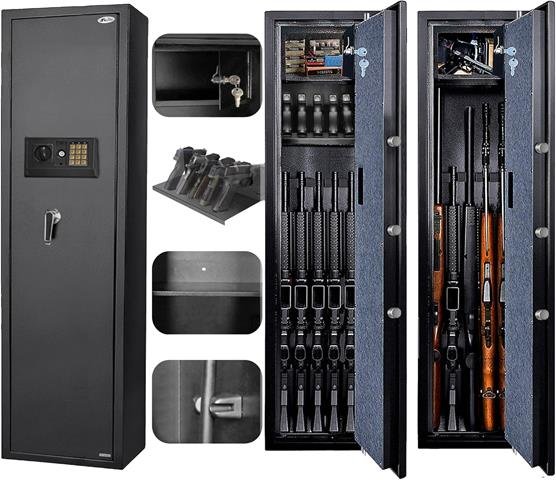
Hidden safe vs Traditional safe differs most in design. Hidden safes hide inside furniture, walls, floors, or everyday items. Traditional safes are bulky metal boxes you bolt down or leave as stand-alone units.
Design features of hidden safes:
- Thin profiles that fit behind panels or bookshelves.
- Camouflage as vents, picture frames, or outlet boxes.
- Often lighter and easier to install.
Design features of traditional safes:
Exclusive Deals
Limited-time Exclusive Deals. Check current discount on Amazon.
Check Price on Amazon As an Amazon Associate I earn from qualifying purchases.- Thick steel walls and heavy bolts.
- Lock types from mechanical to digital and biometric.
- Built to be hard to move or pry open.
From my installs, hidden safes are great for passports and small cash. Traditional safes are better for jewelry, guns, and large document stacks.
Security Features and Theft Resistance
Hidden safe vs Traditional safe also means different security trade-offs. A hidden safe counts on being overlooked. A traditional safe counts on being too hard to break.
Common security features:
- Traditional safes: multiple locking bolts, thick steel, relocking mechanisms.
- Hidden safes: deceptive covers, recessed mounts, and sometimes simple locks.
Pros and cons:
- Hidden safe pros: stealth, lower cost, quick access.
- Hidden safe cons: smaller capacity, limited resistance to focused attacks.
- Traditional safe pros: high theft resistance, higher insurance acceptance.
- Traditional safe cons: heavy, expensive, visible target.
Tip from experience: pair a hidden safe with an alarm or camera. That covers the chance someone finds the concealment.

Fire and Water Protection
Hidden safe vs Traditional safe often differs in environmental protection. Many hidden safes are not rated for fire or water. Many traditional safes come with fire ratings.
What to expect:
- Traditional safes: UL fire ratings, insulation, and tighter seals.
- Hidden safes: minimal fireproofing unless specifically built for it.
PAA-style question: Can a hidden safe resist fire?
A: Most hidden safes are not fire-rated. If you need fire protection, choose a traditional safe with a certified rating.
PAA-style question: Do traditional safes keep contents dry during floods?
A: Some traditional safes offer water resistance, but full flood protection is rare. Check manufacturer specs for water seals.
I once lost family papers stored in a hidden safe after a ceiling leak. Since then I advise clients to separate valuables: keep fireproof copies in a rated traditional safe and small, daily items in a hidden safe.

Installation, Accessibility, and Practical Use
Hidden safe vs Traditional safe varies by where and how you install them. Hidden safes are flexible in placement. Traditional safes need planning and often two people to move.
Installation points:
- Hidden safe: cut-in, built-in, or hidden behind objects. Quick to place. Less invasive in many homes.
- Traditional safe: bolt to floor or wall. Professional delivery or heavy-duty equipment may be required.
Accessibility trade-offs:
- Hidden safe: faster access in daily use. Less obvious for guests.
- Traditional safe: heavier locks may slow access. Better for long-term storage.
Practical tip: If you need regular access to cash or a handgun, a hidden safe in a nearby cabinet can be faster. For heirlooms, choose a traditional safe bolted to concrete.

Cost, Value, and Insurance Considerations
Hidden safe vs Traditional safe varies by price and value. Hidden safes are often cheaper. Traditional safes cost more but offer higher rated security.
Cost factors:
- Size and material.
- Lock type (mechanical, electronic, biometric).
- Fire and water ratings.
- Installation and delivery.
Insurance and value:
- Insurers prefer rated traditional safes for high-value items.
- Hidden safes may not meet insurance clauses for theft claims.
- Keep receipts and valuation for any safe contents.
From my work: a client saved on a hidden safe but later paid more after a theft claim was denied. If insurance matters, pick a safe that meets policy requirements.

Use Cases and Best Fit
Hidden safe vs Traditional safe fits different user needs. Think about why you need the safe and who your likely threats are.
Best uses for hidden safes:
- Quick access items like spare keys, small cash, or passports.
- Hiding valuables from opportunistic intruders.
- Situations needing discreet storage in small homes.
Best uses for traditional safes:
- High-value items, guns, and legal documents.
- Protection against professional theft attempts and fire.
- Items requiring insurance coverage and official ratings.
Personal example: I installed a hidden wall safe for a client who wanted a stash for travel cash. For their jewelry, we used a UL-rated traditional safe in the basement.

Maintenance and Upgrades
Hidden safe vs Traditional safe both need care. Regular checks keep locks working and prevent failures.
Maintenance tips:
- Test locks and hinges every six months.
- Change batteries for electronic locks each year.
- Re-seal or replace gaskets on fire-rated units as needed.
- Keep keys and backup codes in a separate secure place.
Upgrades to consider:
- Add an alarm sensor to a hidden safe.
- Upgrade to biometric or dual-lock on a traditional safe.
- Bolt a traditional safe to concrete to increase security.
I once upgraded a mechanical lock to a dual electronic and key system. It added convenience and backup if one method failed.
Which One Should You Choose?
Hidden safe vs Traditional safe boils down to your priorities. If stealth and quick access matter, start with a hidden safe. If rated protection, insurance compliance, and fire resistance matter, choose a traditional safe. Many households benefit from both.
Decision path:
- List what you will store.
- Rank threats: casual thief, determined burglar, fire, flood.
- Check insurance needs and local laws for firearms.
- Balance budget, size, and convenience.
If you can, use a hidden safe for low-value, frequently used items and a traditional safe for irreplaceable items. That mix combines the strengths of both systems.
Frequently Asked Questions of Hidden Safe vs Traditional Safe
What is a hidden safe and how does it work?
A hidden safe is a storage unit disguised within furniture, walls, floors, or objects. It works by blending in and avoiding detection rather than resisting heavy attack.
Are traditional safes better at preventing theft?
Yes. Traditional safes are built with thicker steel, locking bolts, and relocking features, making them more resistant to forced entry than most hidden safes.
Can I get fire protection with a hidden safe?
Most hidden safes lack certified fire protection. If fire safety is required, choose a traditional safe with an official fire rating.
How should I choose between a hidden safe and a traditional safe?
Decide based on what you store, your typical threats, insurance needs, and budget. Many people use both for different items.
Do hidden safes affect home resale value?
Hidden safes usually do not affect resale value. Traditional safes, if bolted down, may need to be removed for some buyers but can be a selling point for security-conscious buyers.
Is a hidden safe enough for firearms?
A hidden safe can meet local secure storage needs for short-term concealment, but many jurisdictions require rated gun safes. Check local laws and choose a compliant traditional safe if needed.
How often do I need to service a safe?
Inspect locks and seals every six to twelve months. Change batteries yearly for electronic locks and lubricate mechanical parts as recommended by the maker.
Final thoughts
Choosing between hidden safe vs traditional safe means balancing stealth, strength, and protection. Use hidden safes for quick access and concealment. Use traditional safes when you need rated protection, fire resistance, and insurance acceptance. Mix both if you want layered security.
Take action today: list your valuables, check insurer rules, and pick the right safe for each item. Share your experience or questions below, or subscribe for more practical security tips.