Every gun owner knows how important it is to keep their firearms in top shape. Whether you own a classic hunting rifle, a prized shotgun, or a modern handgun, protecting your investment goes beyond simple cleaning. One often-overlooked tool is the gun sock—a humble-looking cover that can make a big difference. Many new and even experienced gun owners ask: How do gun socks protect firearms, and are they really necessary? The answer, as you’ll see, is more interesting than you might think.
What Is A Gun Sock?
A gun sock is a soft, stretchy sleeve made from fabric—usually a mix of polyester and silicone-treated fibers. It slides over a firearm, covering it from end to end. Gun socks come in different lengths and widths, fitting everything from short pistols to long rifles and shotguns. Unlike bulky hard cases, gun socks are lightweight, easy to store, and simple to use.
The main purpose of a gun sock is to create a barrier between your firearm and the outside world. This barrier helps prevent scratches, dust buildup, and—most importantly—rust. But the value of a gun sock goes deeper than just surface protection.

Exclusive Deals
Limited-time Exclusive Deals. Check current discount on Amazon.
Check Price on Amazon As an Amazon Associate I earn from qualifying purchases.How Gun Socks Prevent Rust And Corrosion
Rust is the enemy of all metal objects, and firearms are no exception. Even a small amount of moisture can start the corrosion process. That’s where gun socks come in.
Moisture Protection
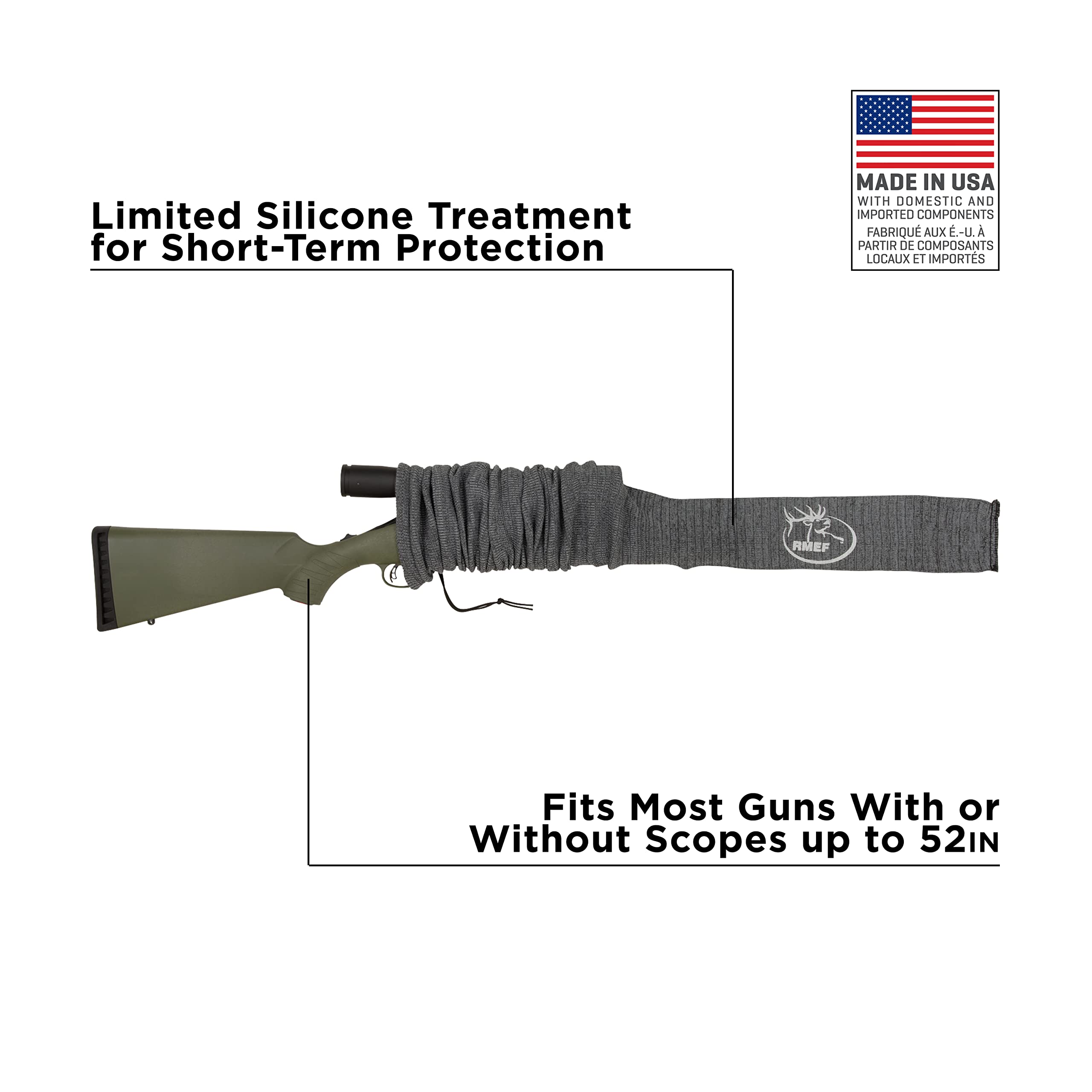
Most gun socks are silicone-treated. Silicone is water-repellent. When a firearm is wrapped in a silicone-treated gun sock, it is shielded from humid air and small amounts of moisture. This is especially important if you live in a damp climate or store your guns in a basement or garage.
It’s important to understand that while a gun sock does not create an airtight seal, it slows down the movement of moisture. This gives you extra time to notice and fix humidity problems before they damage your gun. For long-term storage, many gun owners use gun socks together with silica gel packs or dehumidifiers in their safes.
Preventing Condensation
Temperature changes can cause condensation on metal surfaces. For example, if you bring a cold gun indoors, water droplets can form. A gun sock helps by acting as a thermal buffer, reducing the rate at which temperature changes reach your firearm. The result: less condensation and a lower risk of rust.
Exclusive Deals
Limited-time Exclusive Deals. Check current discount on Amazon.
Check Price on Amazon As an Amazon Associate I earn from qualifying purchases.Guarding Against Fingerprints
Human fingers leave behind oils, salts, and acids. Over time, these can eat away at bluing or metal finishes, leading to rust spots. Gun socks create a barrier, so you’re less likely to touch the metal directly when storing or moving your firearms.
Protection From Scratches And Dings
Even careful gun owners sometimes bump their firearms into door frames, safe walls, or other equipment. Minor scratches and dings can quickly reduce the resale value of a gun and ruin its appearance. Gun socks offer a simple way to minimize this risk.
- The soft fabric cushions the gun against light impacts.
- When stored in a safe with other firearms, gun socks prevent guns from rubbing against each other.
- During travel, a gun sock inside a hard case adds extra padding.
While a gun sock won’t protect against hard drops or severe impacts, it does a great job with everyday bumps and scrapes.
Exclusive Deals
Limited-time Exclusive Deals. Check current discount on Amazon.
Check Price on Amazon As an Amazon Associate I earn from qualifying purchases.Dust, Dirt, And Debris Defense
Dust and dirt can work their way into gun actions, barrels, and moving parts. This leads to malfunctions and extra cleaning work. A gun sock keeps out most airborne dust and dirt. If you store firearms in a closet, under a bed, or in a safe that isn’t perfectly sealed, this feature is especially valuable.
Another subtle benefit: gun socks block pet hair, pollen, and small debris that might be floating around your home or vehicle.
Easy Identification And Organization
If you own more than one firearm, you know how quickly a safe can become crowded. Gun socks make it easier to organize your collection.
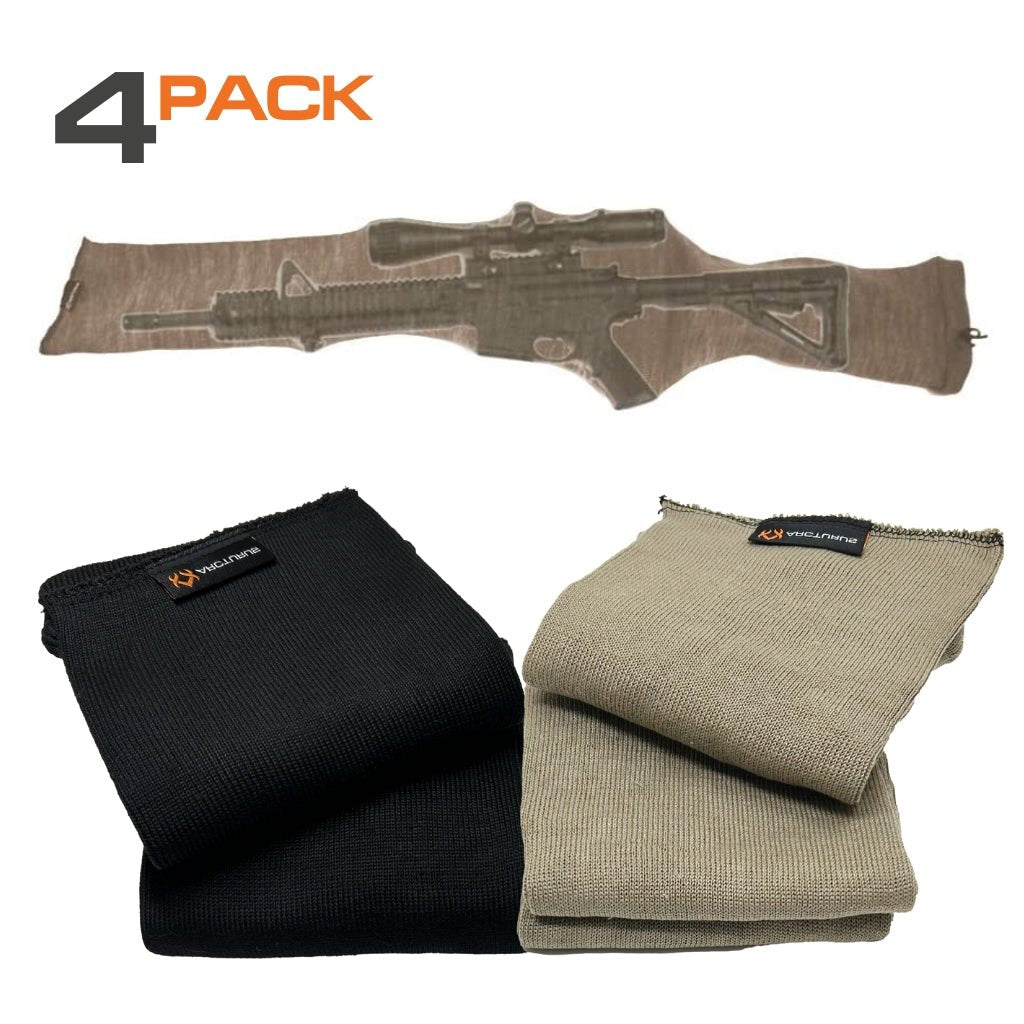
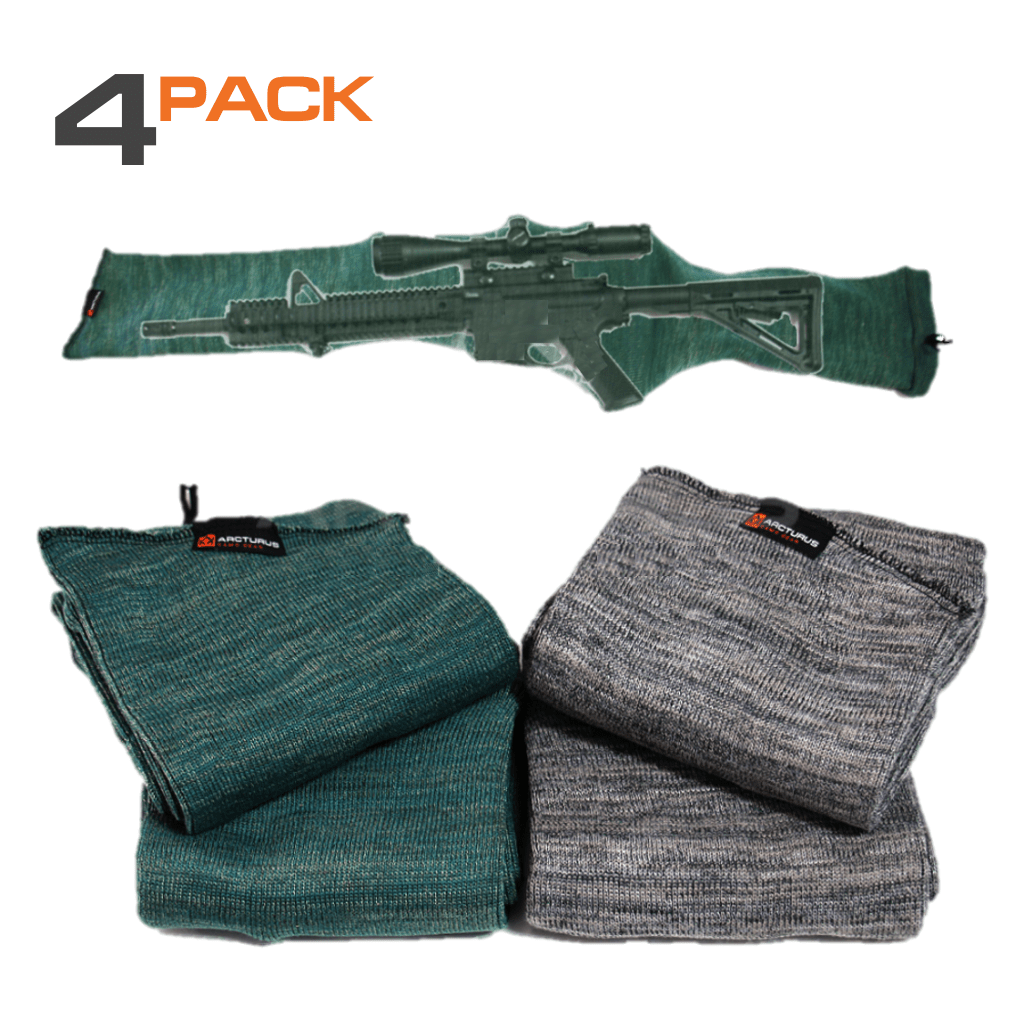
- Many gun socks come in different colors, so you can quickly tell which gun is which.
- You can add labels or write on the sock itself for even better tracking.
- When stacking guns in a safe or cabinet, socks prevent them from snagging on each other.
This might sound like a small benefit, but it saves time and reduces the risk of dropping or mishandling a firearm when searching for the right one.
Gun Socks Vs. Other Storage Options
It’s helpful to compare gun socks with other popular storage solutions. Here’s a quick breakdown:
| Storage Method | Rust Protection | Scratch Protection | Dust Protection | Portability | Cost |
|---|---|---|---|---|---|
| Gun Sock | Good | Good | Good | Excellent | Low |
| Hard Case | Very Good | Excellent | Excellent | Fair | High |
| Soft Case | Fair | Good | Good | Good | Medium |
| Gun Safe (bare) | Depends on climate | Fair | Fair | Poor | Very High |
As you can see, gun socks offer a strong balance of protection, convenience, and cost. They work well alone or as part of a larger storage strategy.
How To Use A Gun Sock Effectively
Getting the most out of your gun sock involves a few simple steps. Beginners often overlook these details, which can make a big difference.
1. Clean Before You Cover
Always clean and dry your firearm before sliding on a gun sock. Dirt or moisture trapped inside the sock can still cause damage. Wipe down metal surfaces with a soft, lint-free cloth. If storing for a long time, add a thin layer of gun oil to metal parts.
2. Check For Proper Fit
Gun socks come in different sizes. A sock that’s too tight can be hard to use and might not cover the entire gun. One that’s too loose can slip off or bunch up. Make sure to choose a sock that matches your firearm’s length and width.
3. Store In A Safe Place
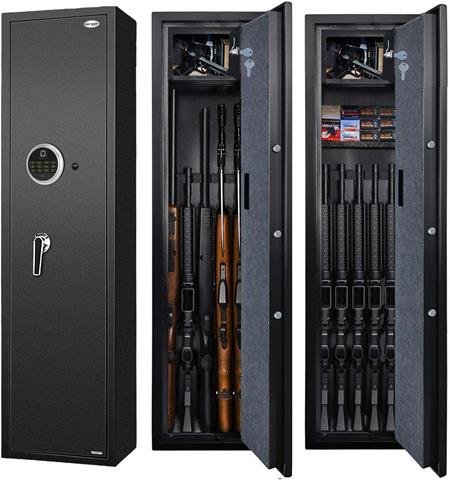
A gun sock adds protection, but it’s not a replacement for secure storage. Always keep firearms in a locked safe or cabinet, especially if children are present. Gun socks work best as a layer of protection within a secure environment.
4. Avoid Overuse Of Oil
Some gun owners believe more oil is always better. In fact, too much oil inside a gun sock can trap dirt and form a sticky residue. Use only the recommended amount of lubricant, and avoid storing a “wet” gun for long periods.
5. Inspect Regularly
Even with a gun sock, check your firearms every few months. Look for signs of moisture, rust, or fabric wear. If you notice a problem, address it right away.
Benefits For Different Types Of Firearms
Not all firearms are the same, and gun socks offer different advantages depending on the type.
For Collectible And Antique Guns
Older firearms often have delicate finishes and rare woods. Scratches or rust can drastically reduce their value. A silicone-treated gun sock is one of the best ways to protect these treasures from environmental damage.
For Hunting And Sporting Guns
Hunters and sport shooters often move guns in and out of vehicles, cases, and racks. Gun socks prevent scratches during transport and keep out dust on the trail. Some hunters even use brightly colored socks to avoid leaving a gun behind in the woods.
For Home Defense And Carry Guns
If you store a defensive firearm in a safe, a gun sock prevents accidental bumps and keeps it clean. Just remember: in an emergency, you want quick access, so choose a sock that’s easy to remove.
For Military And Law Enforcement
Agencies sometimes use gun socks for long-term storage of backup weapons. The reduced risk of corrosion and scratches helps maintain readiness.
Materials: What Makes A Good Gun Sock?
Not all gun socks are equal. The quality of materials can affect performance.
Fabric Composition
The best gun socks use a blend of polyester and silicone-treated fibers. Some cheaper socks are made only of cotton or plain polyester. These still help prevent scratches but offer less moisture resistance.
Weave And Thickness
A tight weave blocks more dust and keeps out small debris. Thicker socks offer more padding but may not fit in tight spaces. Choose based on your storage setup.
Length And Closure
Some gun socks have drawstrings or elastic closures at one end. This keeps the sock from slipping off during movement. Others are simply open-ended for quick access.
Color And Labeling
While color does not affect protection, it makes identification easier. Some brands offer camo patterns or bright colors for specific uses.
Common Gun Sock Mistakes To Avoid
Many gun owners make simple errors with gun socks. Here are a few pitfalls:
- Storing a dirty or wet gun: Always clean and dry first.
- Using a sock that’s too small: This can stretch the fabric and leave parts exposed.
- Ignoring humidity: In very damp climates, gun socks should be combined with safe dehumidifiers.
- Assuming full waterproofing: Gun socks resist moisture but are not 100% waterproof.
- Neglecting regular checks: Out of sight is not out of mind—inspect guns periodically.
Do Gun Socks Work With All Firearms?
Most modern firearms fit well in standard gun socks. However, extra-large scopes, pistol grips, or custom stocks may require specialty socks. Some manufacturers offer oversized or shaped options for these guns.
For very compact pistols, a full-length sock may be too large. Look for handgun-specific models that fit snugly.
If you have a firearm with attached accessories (like lights or lasers), check the dimensions before buying.
Gun Socks And Legal Compliance
In the US, gun socks do not count as secure storage under most state or federal laws. They are not a substitute for a locked case or safe. However, using a gun sock can help you comply with travel and storage rules by protecting guns inside approved cases.
For international travel, always check local laws. Some countries have strict requirements about how firearms must be packed—even inside luggage.
Longevity And Care Of Gun Socks
A good gun sock can last for years, but only with proper care.
- Wash occasionally (by hand, with mild soap) if the sock becomes dirty.
- Air dry completely before reuse. Never store a damp sock.
- Replace if the sock develops holes, tears, or loses its stretch.
Some gun owners keep a few extra socks on hand for replacements or to cover optics and accessories.
Comparing Popular Gun Sock Brands
With so many choices, it helps to see how leading brands stack up. Here’s a side-by-side look at three well-known options:
| Brand | Material | Silicone-Treated | Length Options | Closure Type | Price Range |
|---|---|---|---|---|---|
| Bore Stores | Non-woven polyester, silicone treated | Yes | Handgun to shotgun | Velcro | Medium |
| Sack-Ups | Knit cotton/polyester, silicone treated | Yes | Pistol, rifle, shotgun | Drawstring | Low |
| Allen Company | Polyester, silicone treated | Yes | Various | Elastic | Low |
User reviews and field tests show that all three brands offer reliable protection, but the small details (like closure style or material thickness) can make a difference based on your needs.
Non-obvious Insights Most Beginners Miss
- Gun socks can reduce wear on optics and accessories. Many shooters only think about the gun itself, but scopes and red dots are vulnerable to dust and scratches. A gun sock can cover the whole setup, especially if you choose an oversized model.
- Gun socks are useful for air travel. While they don’t replace a hard case, using a gun sock inside your TSA-approved case adds a layer of protection against rough baggage handling.
- Silicone can wear off over time. The silicone treatment isn’t permanent. If you notice your gun sock feels dry or less slippery, it may be time to replace it for maximum moisture resistance.
Practical Tips For Maximum Protection
- For high-value guns, use a gun sock inside a hard case with a silica gel pack.
- Label gun socks with a piece of masking tape for quick identification.
- Keep extra socks in your range bag for unexpected needs.
- If you hunt in wet conditions, remove the gun sock to dry as soon as you return home.
When Not To Use A Gun Sock
There are a few situations where a gun sock isn’t the best choice:
- If you need instant access to your firearm (for home defense), a sock may slow you down.
- In extremely wet environments (flood risk), choose a fully waterproof case.
- For display guns, a sock hides the firearm from view.
The Bottom Line: Are Gun Socks Worth It?
For a small investment, gun socks offer a lot of value. They protect against rust, scratches, dust, and even help with organization. While not a replacement for secure storage, they are an essential accessory for any gun owner who wants to extend the life and beauty of their firearms.
If you’re interested in more details about how to care for your gun collection, the Wikipedia Firearm Page has a wealth of information.
Frequently Asked Questions
How Do Gun Socks Prevent Rust?
Gun socks work by creating a barrier that slows down moisture and air contact with metal parts. Most are treated with silicone, which helps repel water and humidity. This makes it harder for rust to form, especially during long-term storage.
Can I Use Gun Socks With Scopes Or Optics Attached?
Yes, many gun socks are stretchy enough to fit over guns with scopes or other attachments. For large optics, choose an oversized sock or one designed for tactical rifles. This keeps both the gun and the optic protected.
Do Gun Socks Replace The Need For A Gun Safe?
No, gun socks do not provide security against theft or unauthorized access. They are designed for protection against environmental damage. You should always use a proper safe or lockable case for secure storage.
How Often Should I Clean Or Replace My Gun Sock?
Clean your gun sock if it becomes dirty or after exposure to moisture. Most last for years, but you should replace them if they develop holes, lose stretch, or the silicone coating wears off.
Are Gun Socks Safe For All Firearm Finishes?
Yes, high-quality gun socks are safe for most finishes, including blued, stainless, and synthetic stocks. Avoid socks that shed fibers or are not silicone-treated, as they may trap moisture or scratch delicate finishes.
Gun socks are a simple, effective way to protect your firearms. With the right care and smart use, they help preserve your guns for years to come—making them a smart addition to any gun owner’s toolkit.