Every home wants to feel safe. Fire is one of the biggest risks, and smoke detectors are the most common defense. But what happens if a fire starts in one room and the smoke detector there goes off—will anyone in another room hear it?
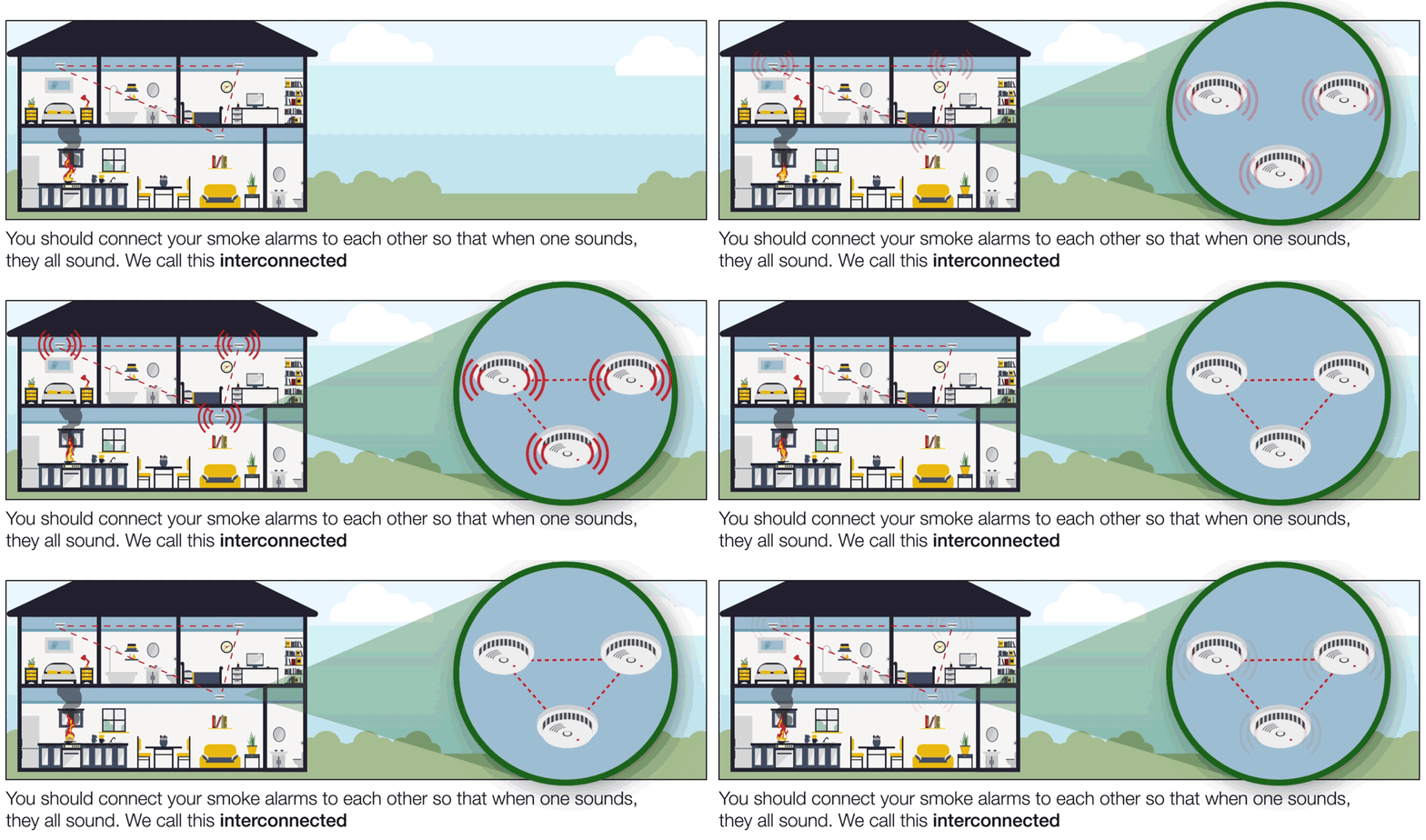
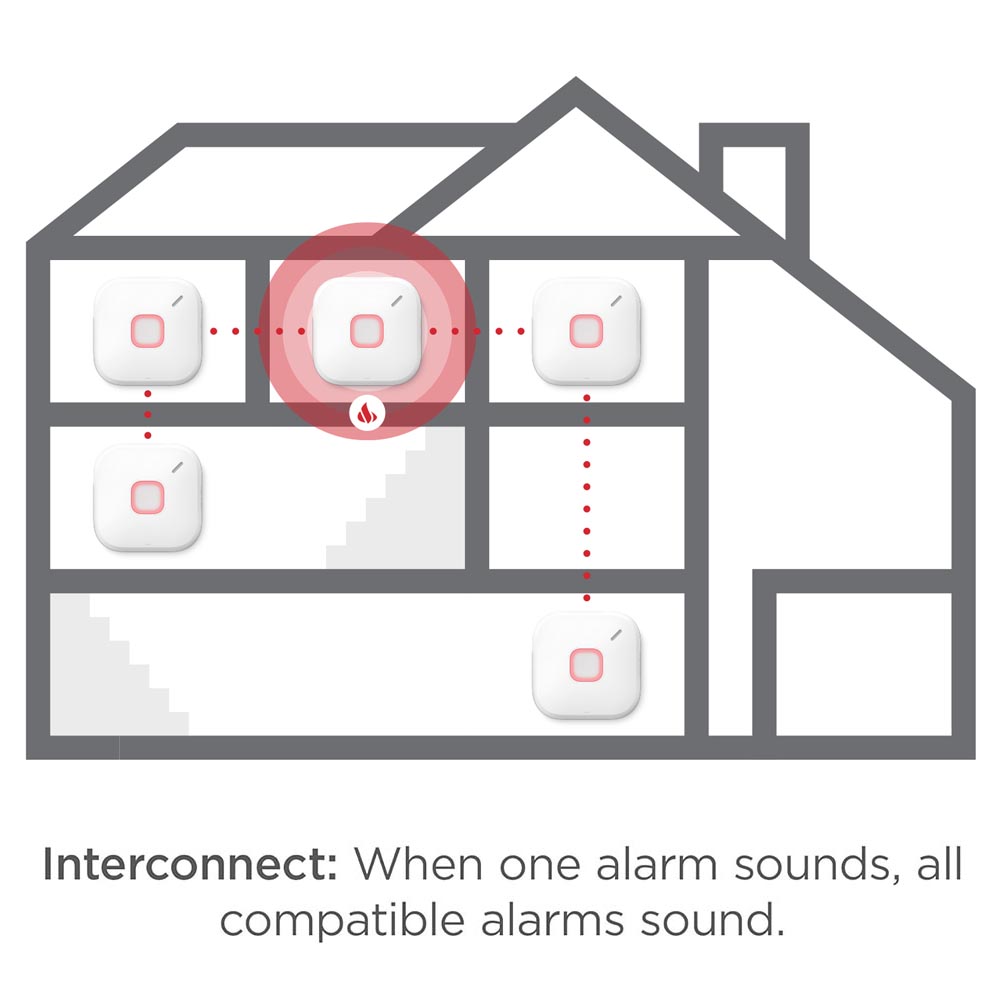
This is where interconnected smoke detectors make a huge difference. These devices link together, so when one senses smoke, all alarms in the system sound. This simple but powerful idea can save lives, especially in larger homes, offices, or buildings.
In this article, we’ll explore how interconnected smoke detectors work, their benefits, installation tips, common mistakes, and even compare types and systems. Whether you’re upgrading your home or planning a new installation, understanding these devices can give you peace of mind and help you protect your loved ones.
Exclusive Deals
Limited-time Exclusive Deals. Check current discount on Amazon.
Check Price on Amazon As an Amazon Associate I earn from qualifying purchases.What Are Interconnected Smoke Detectors?
Interconnected smoke detectors are a group of alarms wired or paired together. When one detector senses smoke or fire, it sends a signal to all others, making every alarm sound at once. This ensures everyone in the building hears the warning, no matter where the fire starts. There are two main ways detectors connect: hardwired and wireless.
- Hardwired interconnected detectors use electrical wires to link alarms.
- Wireless interconnected detectors use radio signals or Wi-Fi.
Both types achieve the same goal: fast, building-wide alerts.
Why Interconnection Matters
Imagine a fire starts in a basement, but the people sleeping upstairs don’t hear the alarm. With interconnected detectors, everyone gets the same warning, giving more time to escape. Studies show that fires can double in size every minute. The National Fire Protection Association (NFPA) reports that having interconnected smoke alarms increases the chance of surviving a home fire by over 50%.
This system is especially important in multi-story homes, apartments, and offices.
Exclusive Deals
Limited-time Exclusive Deals. Check current discount on Amazon.
Check Price on Amazon As an Amazon Associate I earn from qualifying purchases.The Technology Behind Interconnected Smoke Detectors
Understanding how these detectors communicate helps you choose the right system and avoid mistakes.
Hardwired Interconnection
Hardwired systems connect each detector using dedicated wires, usually installed during construction or renovations. A typical setup involves:
- Three wires: One for power, one for ground, and one for interconnect signal.
- When any detector senses smoke, it sends a voltage signal through the interconnect wire, triggering all alarms.
Wireless Interconnection
Wireless detectors use radio-frequency (RF) signals, often in the 868MHz or 915MHz bands, or connect via Wi-Fi for smart systems. When one alarm detects smoke, it sends a coded signal to all paired units.
Exclusive Deals
Limited-time Exclusive Deals. Check current discount on Amazon.
Check Price on Amazon As an Amazon Associate I earn from qualifying purchases.- Battery-powered: Most wireless alarms use batteries, making them easy to install without rewiring.
- Pairing process: Detectors must be manually paired or assigned to the same network.
Comparison Of Interconnection Methods
Here’s a simple comparison of hardwired vs wireless systems:
| Type | Installation | Reliability | Maintenance | Cost |
|---|---|---|---|---|
| Hardwired | Requires electrical wiring | Very reliable | Needs professional | Higher initial cost |
| Wireless | Easy, no wires needed | Depends on signal | DIY-friendly | Lower initial cost |
Hardwired systems rarely suffer from interference, but wireless systems are much easier to add to existing buildings.
How Do Interconnected Smoke Detectors Communicate?
Wired Signal
For hardwired detectors, communication happens through the interconnect wire. When smoke is detected:
- The sensor inside one detector triggers the alarm.
- That detector sends a voltage (usually 9V or 12V) through the interconnect wire.
- All connected detectors recognize the signal and sound their alarms.
This process takes less than a second, ensuring everyone hears the warning almost instantly.
Wireless Signal
Wireless detectors use RF or Wi-Fi. Here’s how communication works:
- The alarm detects smoke and triggers its internal buzzer.
- It broadcasts a coded signal to other detectors in the same group.
- The paired detectors receive the signal and activate their alarms.
Some smart detectors also send notifications to smartphones or smart home systems.
Safety Features
Modern interconnected detectors include extra features:
- Battery backup: Ensures alarms work during power failures.
- Low battery warning: Alerts you when batteries need changing.
- Signal repeat: Wireless systems may repeat signals to ensure coverage in large buildings.
Types Of Smoke Detectors Used In Interconnected Systems
Not every smoke detector is the same. There are two main sensor types:
- Ionization detectors: Best for fast-flaming fires (like paper or wood).
- Photoelectric detectors: Better for smoldering fires (like burning fabric).
Many homes use dual-sensor detectors for broader protection.
Comparison Of Sensor Types
| Sensor Type | Best For | Speed | False Alarm Rate |
|---|---|---|---|
| Ionization | Flaming fires | Fast | Higher (steam, cooking) |
| Photoelectric | Smoldering fires | Moderate | Lower |
| Dual-sensor | Both types | Fast | Moderate |
Choosing the right sensor type matters. Many experts recommend using both for maximum safety.
Installation: How To Set Up Interconnected Smoke Detectors
Proper installation is vital for the system to work correctly. Let’s break down the steps for each type.
Hardwired Installation Steps
- Plan locations: Place detectors in bedrooms, hallways, living rooms, and on each floor.
- Turn off power: Before wiring, always switch off the circuit.
- Install mounting plates: Secure plates to ceilings or walls.
- Connect wires: Match power, ground, and interconnect wires.
- Attach detectors: Snap alarms onto plates and connect wires.
- Restore power and test: Turn power back on, press test buttons to check interconnection.
Hardwired installations often require a licensed electrician. Mistakes can lead to false alarms or missed warnings.
Wireless Installation Steps
- Choose locations: Same as hardwired—every floor, bedroom, main living areas.
- Install batteries: Ensure each detector has fresh batteries.
- Pair detectors: Follow manufacturer instructions to link alarms.
- Mount alarms: Attach to ceilings or high walls.
- Test the system: Use the test button to confirm all alarms sound together.
Wireless systems are easier for DIY installation. Still, following instructions is crucial.
Common Mistakes When Installing Interconnected Smoke Detectors
Even with the best technology, mistakes can lead to dangerous gaps in protection.
- Wrong placement: Detectors too close to kitchens or bathrooms can cause false alarms.
- Not testing after installation: Always test every alarm to confirm interconnection.
- Ignoring battery warnings: Dead batteries mean no warning.
- Mixing incompatible brands: Not all detectors work together. Stick to the same manufacturer.
- Skipping bedrooms: Fires often start at night. Bedrooms must have alarms.
A non-obvious mistake: forgetting the basement or attic. These areas are often overlooked but can be sources of fire.
Benefits Of Interconnected Smoke Detectors
Having interconnected smoke detectors is one of the smartest safety upgrades for any building. Here’s why:
- Early warning everywhere: All alarms sound at once, no matter where the fire starts.
- Increased survival rates: More time to escape means fewer injuries and deaths.
- Peace of mind: You know your entire home is protected.
- Smart integrations: Many systems work with smart home devices, sending alerts to your phone.
Data shows homes with interconnected alarms have 38% fewer fire-related fatalities compared to homes with single, stand-alone detectors.
Smart Smoke Detectors: The Latest Advances
Technology keeps improving. Smart interconnected smoke detectors now offer features like:
- Phone alerts: Get notifications if smoke is detected, even when you’re away.
- Voice warnings: Some alarms announce which room has smoke.
- Integration with home security: Connect with systems like Google Home or Amazon Alexa.
These features make it easier to respond quickly and share information with emergency services.
Example Of Smart Detector Features
| Feature | Benefit |
|---|---|
| Phone Notification | Immediate alert anywhere |
| Voice Warning | Room-specific alert |
| Smart Home Integration | Automated response |
Maintenance Tips For Interconnected Smoke Detectors
Keeping your detectors in good shape is as important as installing them. Regular maintenance includes:
- Monthly testing: Press the test button to confirm all alarms sound.
- Battery replacement: Change batteries every 6–12 months, or sooner if warned.
- Cleaning: Dust and insects can block sensors. Clean detectors every few months.
- Replace old detectors: Most last 8–10 years. Check the date and replace as needed.
- Check interconnection: Test that all alarms respond together—not just individually.
Non-obvious tip: Use compressed air to clear sensors. This prevents false alarms caused by dust.
How Many Interconnected Smoke Detectors Do You Need?
The number of detectors depends on the size and layout of your building. The NFPA recommends:
- One detector in every bedroom
- One in each hallway outside sleeping areas
- One on each level, including the basement
For larger homes, more detectors are needed. Each should be within 30 feet of any sleeping area.
Example: Detector Placement For A 2-story Home
- 4 bedrooms: 4 detectors (one per room)
- Upstairs hallway: 1 detector
- Downstairs living room: 1 detector
- Downstairs hallway: 1 detector
- Basement: 1 detector
Total: 8 Interconnected Detectors
Choosing The Right Interconnected Smoke Detector System
Selecting the best system means balancing needs, budget, and building type.
Key Factors To Consider
- Wired or wireless: Wireless is easier for existing buildings; hardwired is best for new builds.
- Sensor type: Dual-sensor offers the broadest protection.
- Smart features: Useful for remote alerts and integrations.
- Brand compatibility: Stick to one brand for guaranteed interconnection.
- Certification: Look for UL-listed or similar certifications.
Common Buyer Mistakes
- Choosing the cheapest option without checking compatibility.
- Ignoring smart features if you travel often.
- Not considering future expansion (adding more detectors later).
Case Study: Real-world Impact
In 2022, a family in Illinois experienced a fire in their basement at 2:30 AM. The interconnected detectors upstairs sounded seconds after the basement detector went off, waking everyone. The family escaped safely before the fire spread. Without interconnection, only the basement alarm would have sounded, likely unnoticed by those sleeping upstairs.
A fire department report showed that in homes with interconnected alarms, evacuation times were cut in half compared to homes with single alarms.
Legal Requirements And Recommendations
Many states and countries now require interconnected smoke detectors in new homes. For example, California law mandates interconnected systems for new builds and major remodels. The NFPA recommends interconnected alarms for all residential buildings.
Building codes often specify:
- Wired interconnection for new homes
- Wireless upgrades allowed for older homes
You should always check local regulations before installing.
Interconnected Smoke Detectors In Apartments And Offices
Multi-unit buildings benefit greatly from interconnected detectors. In apartment complexes, detectors can be linked within each unit or across common areas.
Offices often use interconnected systems tied to fire panels, which alert security or fire departments automatically. This setup improves evacuation times and helps emergency responders.
Example: Office Building System
- Each floor has detectors in every room and hallway.
- Detectors connect to a central fire panel.
- Panel triggers alarms throughout the building and notifies emergency services.
Are Interconnected Smoke Detectors Worth It?
For most homes and buildings, interconnected detectors are a smart investment. The cost is higher than single alarms, but the safety boost is significant. If you have a multi-story home, large apartment, or office, interconnected systems are strongly recommended.
According to the NFPA, homes with interconnected smoke alarms reduce fire-related deaths by almost half. You can learn more about fire safety and statistics at NFPA Smoke Alarm Safety.
Frequently Asked Questions
How Do Interconnected Smoke Detectors Work?
When one detector senses smoke, it sends a signal to all connected alarms. For hardwired systems, this is done through a dedicated wire. For wireless systems, a radio signal or Wi-Fi message is sent. All alarms sound together, alerting everyone in the building.
Can I Mix Hardwired And Wireless Detectors In The Same System?
Usually, you cannot mix types directly. However, some brands offer hybrid systems where a wireless bridge connects hardwired detectors with wireless ones. Always check compatibility before mixing.
Do Interconnected Smoke Detectors Work During Power Outages?
Yes, most detectors include battery backup. This keeps alarms working even if the power fails. Always test backup batteries regularly.
Are Smart Smoke Detectors Better Than Basic Interconnected Ones?
Smart detectors offer more features, like phone alerts and voice warnings. But basic interconnected alarms are still very effective. Choose smart detectors if you want remote alerts or smart home integration.
How Often Should I Test Interconnected Smoke Detectors?
Test your alarms every month. Press the test button on any detector—if all alarms sound, the system works. Replace batteries every 6–12 months, or sooner if you get a low battery warning.
Interconnected smoke detectors are a proven way to protect lives and property. Investing in a reliable system, installing it correctly, and maintaining it regularly will give you the strongest defense against fire. Whether you choose hardwired, wireless, or smart systems, the key is making sure every person in the building gets the warning they need—fast.