How To Choose The Best Trigger Lock For Safety
Every gun owner wants to keep their weapons safe. Whether you have children at home, worry about theft, or simply want peace of mind, a good trigger lock is an important step. But choosing the right one isn’t as simple as picking the first lock you see. There are many types, features, and quality levels. If you’re new to gun safety or want to upgrade your security, this guide will help you make the smartest choice.
Why Trigger Locks Matter
Firearms are powerful tools, but they can be dangerous if handled incorrectly. Accidental shootings are a real risk, especially in homes with kids. In the US, nearly 500 children die each year from accidental gunfire. Many of these tragedies can be prevented with basic safety steps like using a trigger lock.
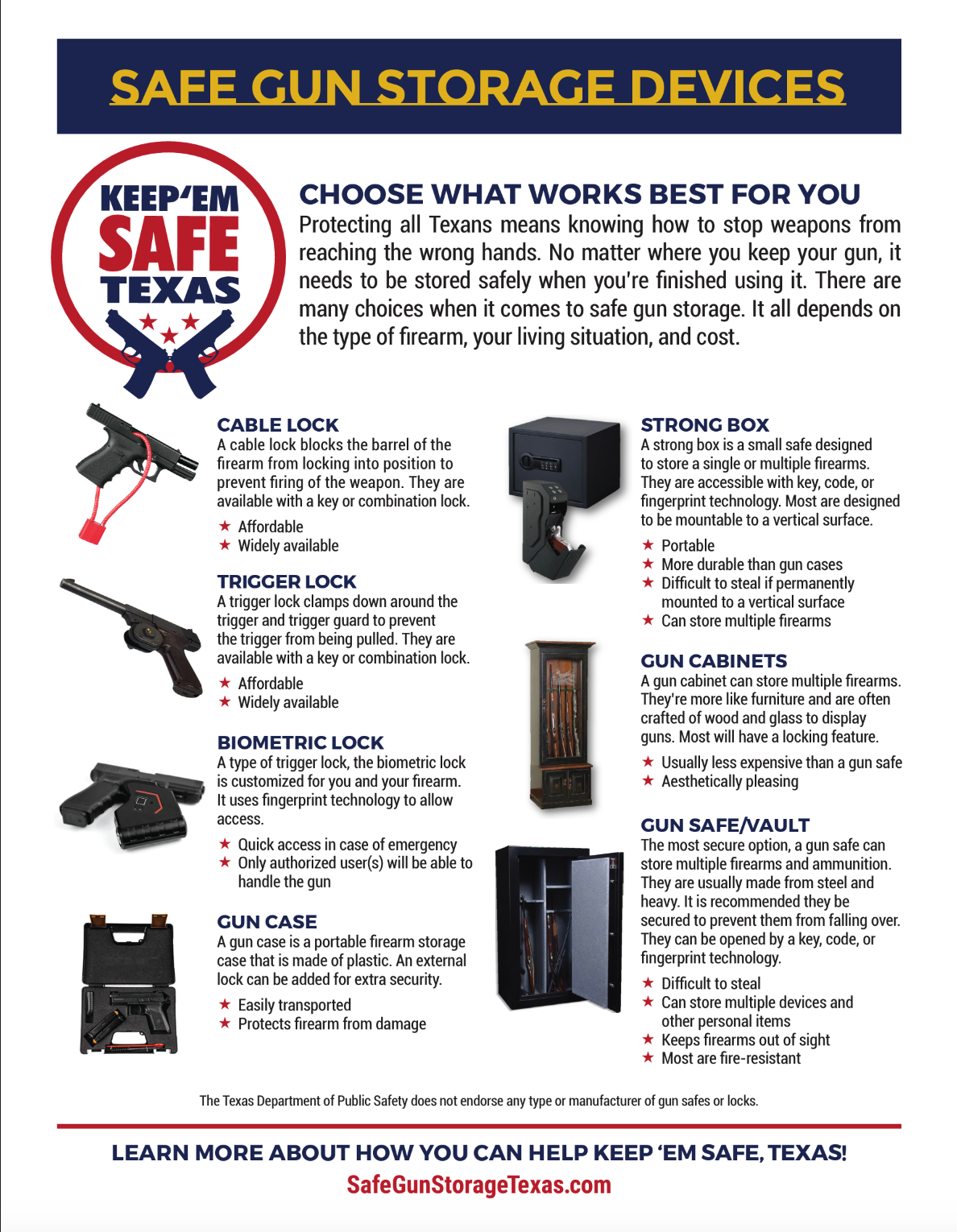
A trigger lock is a device that fits around your gun’s trigger, blocking access. It’s not designed to stop professional thieves, but it does prevent casual, accidental firing. For families, renters, and anyone who wants extra security, a trigger lock is a simple, affordable solution.
Exclusive Deals
Limited-time Exclusive Deals. Check current discount on Amazon.
Check Price on Amazon As an Amazon Associate I earn from qualifying purchases.Types Of Trigger Locks
The first step in choosing a trigger lock is understanding the different types. Each one has pros and cons. Here’s a breakdown:
| Type | How It Works | Best For | Key Weakness |
|---|---|---|---|
| Keyed | Uses a physical key to unlock | Homes without children, basic security | Keys can be lost, picked, or copied |
| Combination | Uses a numeric code | Quick access, no keys needed | Codes can be guessed, lock can jam |
| Biometric | Uses fingerprint scanner | High-tech, fast access | More expensive, battery issues |
| Cable Lock | Cable threaded through gun | Universal fit, prevents loading | Bulky, not true trigger lock |
Keyed Trigger Locks
These are the most common and affordable. You unlock them with a small key. They work well for people who don’t want to remember codes or fuss with electronics. However, losing the key can be a problem. Also, some cheap models can be picked with basic tools.
Combination Trigger Locks
These locks use a code, usually 3-4 digits. There’s no key to lose, which is great for busy families. They offer quick access if you know the code. But if you forget the code or someone guesses it, the lock can be bypassed.
Biometric Trigger Locks
For those who want advanced security, biometric locks are a good option. They read your fingerprint, so only approved people can unlock the gun. These locks are fast and reliable, but they cost more and need batteries. If the battery dies, you might be locked out.
Exclusive Deals
Limited-time Exclusive Deals. Check current discount on Amazon.
Check Price on Amazon As an Amazon Associate I earn from qualifying purchases.Cable Locks
While not a true trigger lock, cable locks are often included with new guns. The cable threads through the action, making the gun impossible to load or fire. They fit most guns, but can be bulky and are less convenient for quick access.
What Makes A Good Trigger Lock?
Not every trigger lock is created equal. Some are strong and reliable; others are flimsy and easy to remove. Here are the main things to look for:
- Material strength – A good lock should be made from tough metal, not cheap plastic. Hardened steel resists cutting and tampering.
- Fit and compatibility – The lock must fit your specific gun model. Some locks are universal, others are designed for certain types (handgun, rifle, shotgun).
- Ease of use – Can you lock/unlock quickly? Is it simple for adults but hard for kids?
- Tamper resistance – Quality locks are hard to pick or break. Look for models with anti-tamper features.
- Reliability – Locks should work every time. Cheap models may jam or fail.
- Price and warranty – More expensive locks often have better build quality and longer warranties. Look for brands that stand behind their products.
Key Features To Compare
When shopping for a trigger lock, keep these features in mind. Not all features matter equally to every buyer, so focus on what’s important for your situation.
Exclusive Deals
Limited-time Exclusive Deals. Check current discount on Amazon.
Check Price on Amazon As an Amazon Associate I earn from qualifying purchases.| Feature | Why It Matters | Common Mistake |
|---|---|---|
| Material | Strong metals resist tampering | Choosing cheap plastic for price |
| Locking Mechanism | Key, combo, biometric | Forgetting ease-of-use issues |
| Compatibility | Fits your gun model | Ignoring fit, buying universal blindly |
| Warranty | Confidence in quality | Skipping warranty for lower cost |
| Certification | Meets safety standards (e.g., CA DOJ) | Missing official approvals |
| Battery Life | Biometric locks need reliable power | Overlooking battery failure risks |
Material
Most high-quality trigger locks are made from hardened steel. This material is tough and resists cutting or tampering. Avoid locks made of thin metal or plastic, as these can break easily.
Locking Mechanism
Choose the type that suits your needs. If you prefer keys, make sure you keep them safe. For combination locks, pick a code that’s hard to guess but easy for you to remember. Biometric locks are fast but require regular battery checks.
Compatibility
Not all locks fit every gun. Some are made for pistols, others for rifles or shotguns. A universal lock is convenient, but may not provide a tight fit. Always check the manufacturer’s compatibility guide.
Warranty And Certification
A good warranty shows the maker stands behind their product. Also, look for certification, such as California Department of Justice (CA DOJ) approval. This means the lock meets strict safety standards.
Battery Life
If you choose a biometric lock, check the battery life. Some models last for months, others need regular charging. A dead battery can lock you out in an emergency.
Safety Standards And Laws
Different states have their own rules for gun storage and trigger locks. For example, California requires all firearms to be sold with a CA DOJ-approved lock. In other states, there are no requirements. Still, following the highest standards is smart. You can check official rules at CDC Injury Data.
Some insurance companies also require locks for coverage. If you travel with firearms, check local laws in advance. Never assume one lock will meet every standard.
Common Buyer Mistakes
People often make simple mistakes when buying trigger locks. Avoid these to save money and stay safe:
- Buying the cheapest model – Low price often means low quality.
- Not checking fit – A lock that doesn’t fit your gun is useless.
- Ignoring certification – Official approval means the lock is tested.
- Forgetting about quick access – In an emergency, a jammed lock can be dangerous.
- Neglecting battery checks – For biometric locks, always monitor battery life.
Real-world Examples
Let’s look at some real situations where trigger locks made a difference.
Case 1: A family in Texas bought a cheap plastic lock for their handgun. Their child found the gun and easily broke the lock. Thankfully, the gun was unloaded. This shows why strong materials matter.
Case 2: In California, a gun owner bought a CA DOJ-approved combination lock. When a friend visited, the lock prevented casual handling of the weapon. The owner felt safer knowing that only they knew the code.
Case 3: A hunter used a biometric lock on their shotgun. The battery died during a trip, making the gun impossible to unlock. After this, they started carrying a backup battery.
How To Install A Trigger Lock
Once you choose a lock, installation is key. Here’s a simple step-by-step guide:
- Unload the gun – Always start with an empty firearm.
- Open the lock – Use the key, code, or fingerprint to unlock.
- Position the lock – Place it around the trigger guard, covering the trigger.
- Secure the lock – Close and lock it tightly. Make sure it cannot move.
- Test for movement – The trigger should not move. If it does, reposition.
- Store keys/codes safely – Keep keys out of reach of children. Memorize codes.
Installation Tips
- Never install a lock on a loaded gun.
- Double-check that the lock does not interfere with other parts of the firearm.
- Practice unlocking quickly so you’re ready in an emergency.
Comparing Popular Trigger Lock Brands
To help you decide, here’s a quick comparison of top brands:
| Brand | Type | Material | Certification | Average Price |
|---|---|---|---|---|
| Master Lock | Keyed/Combination | Steel | CA DOJ | $10-$25 |
| Remington | Keyed | Steel | CA DOJ | $15-$30 |
| Identilock | Biometric | Steel/Polymer | CA DOJ | $100-$200 |
| GunVault | Combination | Steel | CA DOJ | $20-$40 |
| Hornady | Cable | Steel | CA DOJ | $10-$20 |
Maintenance And Care
A trigger lock is only useful if it works. Here’s how to keep it in top shape:
- Clean regularly – Dirt and dust can jam the mechanism. Wipe with a dry cloth.
- Check for rust – Metal locks can rust over time. Apply light oil as needed.
- Test often – Unlock and relock to ensure smooth operation.
- Replace batteries – For biometric locks, replace batteries before they die.
- Inspect for damage – If the lock is bent or cracked, replace immediately.
Advanced Safety Tips
For those who want extra safety, consider these advanced steps:
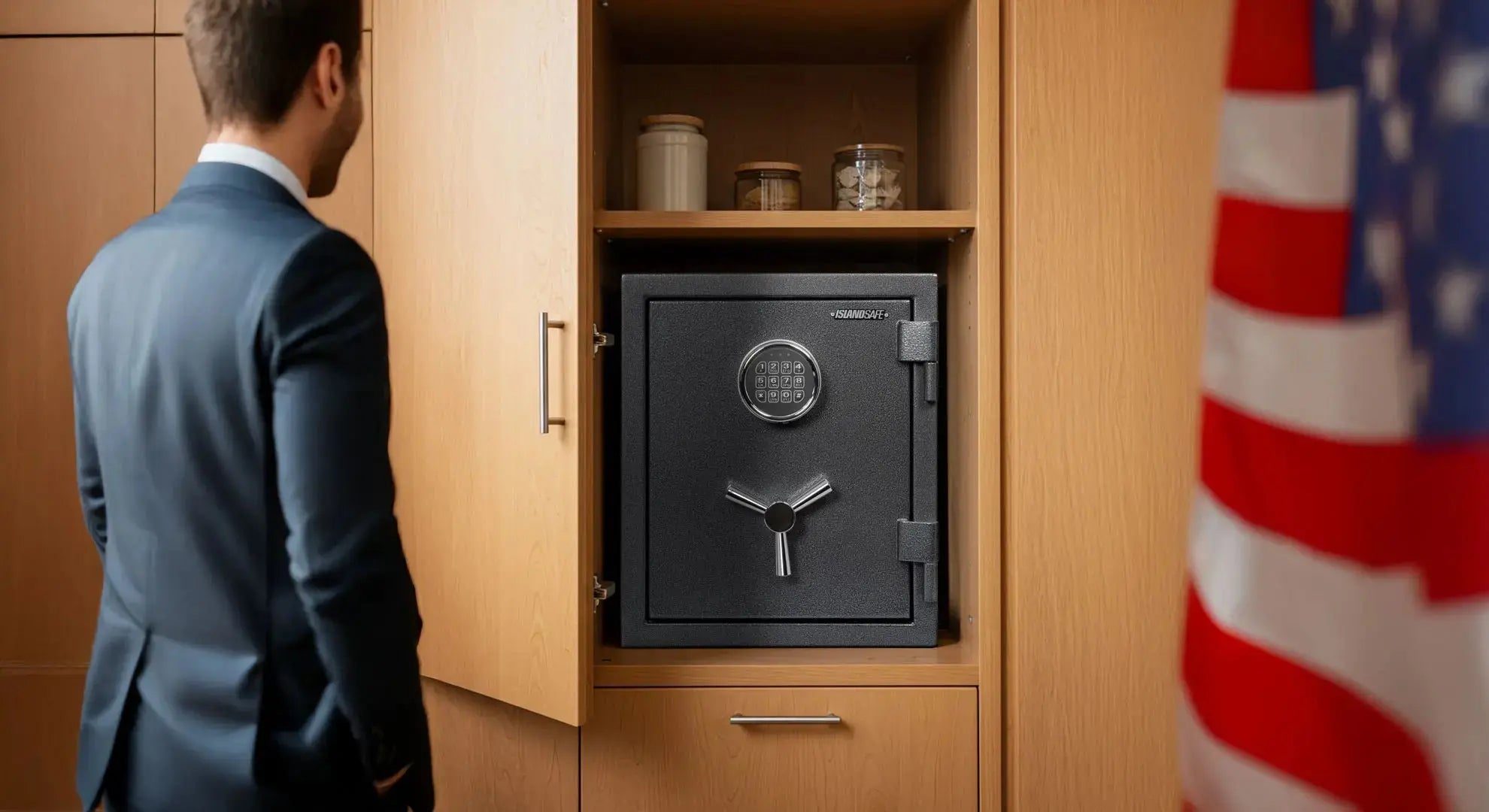
- Double lock – Use a trigger lock plus a gun safe for maximum security.
- Alarm systems – Some biometric locks have built-in alarms for tampering.
- Smart locks – Newer models connect to your phone, sending alerts if unlocked.
- Hidden storage – Keep guns in hidden, locked locations. Don’t advertise where they are.
Non-obvious Insights
Most beginners overlook these points:
- Trigger locks don’t stop theft – They prevent accidental firing, not full theft protection. Use a gun safe for anti-theft.
- Children can be clever – Kids sometimes figure out locks faster than adults expect. Always combine locks with education and supervision.
- Trigger locks can damage guns – Cheap locks with rough edges can scratch or dent your firearm. Check for smooth surfaces and good fit.
Choosing For Different Needs
Every gun owner has unique needs. Here’s how to pick the best lock for your situation:
Families With Children
Choose a lock with tough materials and certification. Avoid cheap models. Combination locks are good, but teach children about gun safety.
Hunters And Travelers
Biometric locks give fast access in the field. Always carry spare batteries. For long trips, cable locks may be better.
Collectors
If you own rare or valuable guns, use locks that don’t scratch or damage. Look for soft padding inside the lock.
Apartment Dwellers
Universal cable locks fit most guns and are easy to use. Combine with a small safe for extra security.
Making Your Final Choice
After comparing features, types, and brands, decide what matters most to you. Think about:
- Who needs access?
- How quickly do you need to unlock?
- What is your budget?
- Do you need certification for insurance or legal reasons?
- Is battery life a concern?
Take your time. Read reviews, check compatibility, and don’t be afraid to invest in quality.
Frequently Asked Questions
What Is The Difference Between A Trigger Lock And A Gun Safe?
A trigger lock blocks access to the trigger, preventing accidental firing. A gun safe stores the entire firearm, protecting against theft and unauthorized access. Trigger locks are quick and affordable, while safes offer full security.
Can Trigger Locks Be Used On All Gun Types?
Most trigger locks fit common handguns, rifles, and shotguns. However, some models are made for specific guns. Always check compatibility before buying.
Are Combination Trigger Locks Safer Than Keyed Locks?
Both types offer similar safety if made well. Combination locks avoid key loss, but codes can be guessed. Keyed locks are reliable, but keys can be lost or copied. Choose based on your preference and needs.
What Should I Do If My Biometric Lock’s Battery Dies?
Most biometric locks have backup access options, like a key or code. Always check before buying. Carry spare batteries, and test regularly to avoid lockouts.
Is A Trigger Lock Enough For Gun Safety?
A trigger lock is a good start, but not complete protection. Combine locks with a gun safe, hidden storage, and education for best safety.
Gun safety is about making smart choices and staying alert. Choosing the right trigger lock is an important step, but it’s only part of the solution. Always stay informed, teach your family, and check your equipment often. With careful planning and the right tools, you can enjoy your firearms safely and responsibly.