
Installing a trigger lock on a gun is one of the simplest, most effective ways to improve firearm safety at home. Many gun owners know about trigger locks, but few understand how to install them correctly. This guide will walk you through every step, clarify common mistakes, and help you choose the best trigger lock for your needs.
Whether you are new to firearms or just want to upgrade your safety habits, learning proper installation is a smart move.
Gun accidents are preventable. According to the Centers for Disease Control and Prevention, over 500 accidental gun deaths happen in the US each year, and thousands more are injured. Many of these cases involve children or unauthorized users getting access to an unsecured firearm. A trigger lock doesn’t make a gun “childproof,” but it greatly reduces risk. Installing one takes only a few minutes, but the protection it offers can last for years.

Exclusive Deals
Limited-time Exclusive Deals. Check current discount on Amazon.
Check Price on Amazon As an Amazon Associate I earn from qualifying purchases.Let’s explore how trigger locks work, how to choose the right one, and the exact steps for installation. By the end, you’ll feel confident about installing a trigger lock, and you’ll know how to avoid mistakes that could compromise safety.
What Is A Trigger Lock?
A trigger lock is a simple device designed to block or cover the trigger of a firearm, making it difficult or impossible to fire the gun accidentally. It is not a substitute for safe storage, but it adds an extra layer of security.
Types Of Trigger Locks
Trigger locks come in several forms:
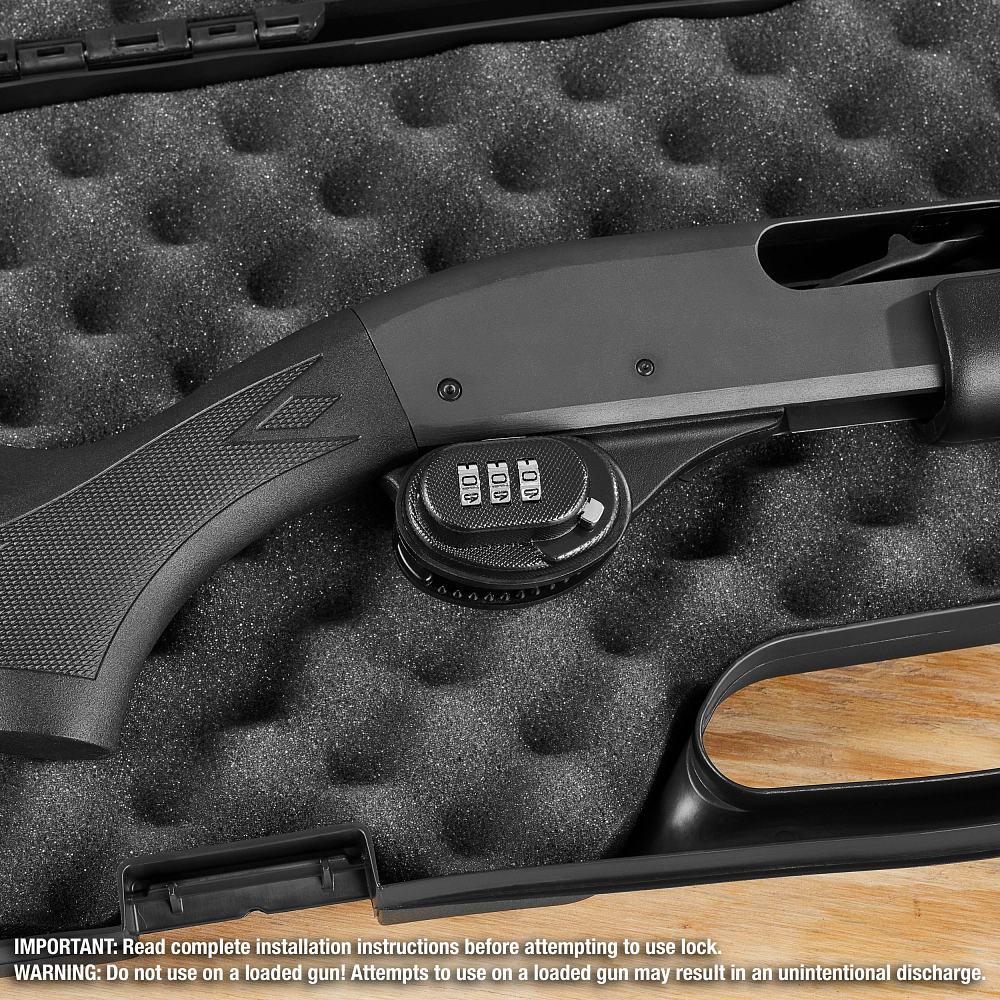
- Two-piece mechanical lock: This is the most common type. It consists of two parts that clamp around the trigger and lock together with a key or combination.
- Cable lock: A steel cable runs through the action of the gun and locks with a padlock or combination lock.
- Electronic lock: Some advanced models use electronic mechanisms or biometric sensors.
- Combination lock: Instead of a key, you use a number code.
Most gun owners use the two-piece mechanical lock because it fits many firearm types and is affordable.
Exclusive Deals
Limited-time Exclusive Deals. Check current discount on Amazon.
Check Price on Amazon As an Amazon Associate I earn from qualifying purchases.How Trigger Locks Work
When installed, the trigger lock covers the trigger or blocks movement. Even if someone tries to pull the trigger, it cannot move far enough to fire. Some models also prevent loading ammunition.
A trigger lock is not a substitute for a gun safe or locked cabinet. It is meant to reduce risk when guns are stored temporarily or when a safe is not available.
Why You Should Use A Trigger Lock
Installing a trigger lock is about more than following rules. It’s about real-life safety.
Exclusive Deals
Limited-time Exclusive Deals. Check current discount on Amazon.
Check Price on Amazon As an Amazon Associate I earn from qualifying purchases.- Prevent unauthorized use: Children or visitors cannot fire the gun without unlocking it.
- Reduce accidental discharge: If someone picks up the gun, the trigger lock stops them from firing.
- Legal compliance: Some states require trigger locks on stored firearms.
- Peace of mind: You feel safer knowing your gun is secured.
According to a study by the National Shooting Sports Foundation, over 70% of gun owners believe trigger locks are effective for home safety. Yet, only about 40% use them regularly. This gap often comes from misunderstanding installation or believing locks are hard to use.
Choosing The Right Trigger Lock
Not all trigger locks are equal. Picking the right one can make installation easier and improve safety. Let’s compare some popular trigger lock types:
| Lock Type | Security Level | Ease of Use | Price Range |
|---|---|---|---|
| Keyed two-piece | Medium | Easy | $8–$25 |
| Combination two-piece | Medium-high | Moderate | $12–$30 |
| Cable lock | High | Moderate | $10–$35 |
| Electronic/Biometric | Very high | Advanced | $40–$120 |
Key Factors When Choosing
- Compatibility: Check if the lock fits your gun’s trigger guard.
- Reliability: Avoid locks that feel flimsy or jam easily.
- Ease of unlocking: Choose a lock you can open quickly in emergencies.
- Durability: Look for steel or tough plastic, not thin metal.
Some locks are made for specific gun models. Always read the packaging to ensure compatibility.
Common Mistakes When Buying
Many beginners buy the cheapest lock, thinking all locks are the same. Cheap locks may not fit snugly, can be forced open, or may jam. Another mistake is buying a lock that only fits one type of gun, leaving other firearms unprotected.
Preparing To Install A Trigger Lock
Before installing a trigger lock, you need to prepare carefully. Rushing this step is a mistake many beginners make.
Safety First
Always unload your firearm before installing any lock. Remove all ammunition from the chamber, magazine, and area. Double-check visually and physically. Never try to install a lock on a loaded gun.
Gather Materials
You will need:
- The trigger lock
- The key or combination code (if required)
- A clean, safe workspace
- Your unloaded firearm
If you have the gun manual, keep it nearby. Some manuals include instructions for compatible locks.
Inspect The Lock And Gun
Check the trigger lock for damage. Make sure all parts are present. Inspect your gun’s trigger guard for dirt or debris. Clean the area if needed.

Step-by-step Guide: Installing A Trigger Lock
Installing a trigger lock is not complicated, but small mistakes can reduce its effectiveness. Follow these steps for safe installation.
Step 1: Unload And Inspect The Firearm
- Remove all ammunition. Take out the magazine, check the chamber, and make sure the gun is empty.
- Inspect the trigger guard. Wipe away dust or oil. The lock works best on a clean surface.
Step 2: Open The Trigger Lock
- For a two-piece lock, separate the two halves.
- For a cable lock, unlock the cable and straighten it.
Step 3: Position The Lock
- Place one half of the lock on one side of the trigger guard. The guard is the loop around the trigger.
- Make sure the lock covers the trigger completely. Do not let the lock touch the trigger directly. It should block access but not press on the trigger.
Step 4: Attach The Second Piece
- Place the other half of the lock on the opposite side.
- Align both halves so the lock closes smoothly.
Step 5: Lock It
- Insert the key or enter the combination. Turn or press as directed.
- Check that the lock is firmly attached. It should not wiggle or slide.
Step 6: Test The Lock
- Try to pull the trigger. It should not move or only move a tiny bit.
- Try to wiggle the lock. If it moves easily, remove and reinstall.
Step 7: Store The Key Safely
- Keep the key in a safe, hidden spot. Avoid places children can reach.
- If using a combination lock, memorize the code. Do not write it where others can find it.
Step 8: Store The Gun Safely
A trigger lock is one layer of safety. Store your gun in a locked cabinet or safe whenever possible.
Common Problems And How To Fix Them
Even experienced gun owners make mistakes when installing trigger locks. Here are some typical issues and solutions.
The Lock Won’t Fit
If the lock doesn’t fit your trigger guard:
- Double-check compatibility. Some locks are made for specific guns.
- Try adjusting the lock’s position.
- If it still won’t fit, you may need a different lock.
The Lock Moves Or Wiggles
If the lock feels loose:
- Make sure both halves are aligned.
- Tighten the lock as directed. Some locks have a screw or button.
- Avoid forcing the lock, as this can damage the gun.
The Trigger Is Still Accessible
If you can touch or pull the trigger:
- Reinstall the lock so it covers the trigger fully.
- Don’t let the lock press on the trigger, as this can cause accidental discharge.
The Key Is Lost
If you lose the key:
- Contact the lock manufacturer. Some offer replacement keys.
- Do not try to force open the lock with tools; this can damage your gun.
Installing Cable Trigger Locks
Cable locks are a bit different. Here’s how to install them:
- Unload the firearm completely.
- Open the action so you can see through the chamber.
- Thread the cable through the chamber and out the magazine well.
- Lock the cable with the padlock or combination.
- Test the lock by trying to close the action; it should not close.
Cable locks are very secure, but they can be tricky for beginners. Always follow the manufacturer’s instructions.
Comparison: Trigger Lock Vs. Gun Safe
Many people wonder if a trigger lock is enough, or if they also need a gun safe. Here’s a quick comparison:
| Feature | Trigger Lock | Gun Safe |
|---|---|---|
| Cost | Low ($8–$40) | High ($90–$600+) |
| Portability | Very portable | Fixed location |
| Security Level | Moderate | Very high |
| Quick Access | Moderate | Slow (unless using quick-access safe) |
| Child Protection | Good | Excellent |
A trigger lock is great for quick, temporary safety. For long-term storage, a gun safe offers much stronger protection.
Practical Tips For Trigger Lock Use
To maximize safety, follow these practical tips:
- Check the lock regularly. Locks can loosen over time.
- Teach family members about gun safety. Don’t rely only on locks.
- Combine with other safety tools. Use a safe, lockbox, or gun cabinet.
- Avoid leaving guns unattended, even if locked.
- Hide the key or code. Many accidents happen because kids find the key.
One non-obvious tip: Some trigger locks work better with certain gun types. For example, revolvers often need smaller locks than semi-automatic pistols.
Another insight: Trigger locks can prevent accidental firing, but they do not stop theft. Always use them as part of a bigger safety plan.
When Not To Use A Trigger Lock
There are situations where using a trigger lock is not recommended:
- In an emergency: If you need quick access for self-defense, a trigger lock may slow you down.
- On loaded firearms: Never install a lock on a loaded gun.
- With certain gun types: Some guns, like antique models, may not have compatible trigger guards.
Always balance safety with accessibility. If you need your gun for home defense, consider a quick-access safe.
Legal Requirements For Trigger Locks
Many states have laws about firearm storage and trigger locks. For example:
- California: Requires all gun sales to include a trigger lock.
- Massachusetts: Guns must be locked when not in use.
- New York: Storage laws require locks if children are present.
Always check your local laws. Violating storage laws can lead to fines or criminal charges.
You can find more information about gun safety laws at Wikipedia: Gun Safety.
Cleaning And Maintenance
A trigger lock is only effective if it works properly. Clean your lock as you clean your gun.
- Wipe the lock with a dry cloth. Avoid water or harsh chemicals.
- Lubricate moving parts with a small drop of oil if recommended.
- Check for rust or damage. Replace locks that show wear.
Locks can jam if dirt gets inside. Regular cleaning keeps your lock reliable.

How To Remove A Trigger Lock
Removing a trigger lock is simple, but must be done with care.
- Ensure the gun is unloaded.
- Insert the key or enter the combination.
- Release the lock and remove both halves or the cable.
- Inspect the gun for damage or residue.
Never force a stuck lock. If you have trouble, contact the manufacturer.
Troubleshooting: Advanced Issues
Sometimes, problems happen even when you follow all steps. Here are advanced troubleshooting tips.
Lock Is Jammed
- Try lubricating the lock.
- Tap gently, but do not force.
- Contact the manufacturer if needed.
Lock Is Damaged
- Replace immediately. Damaged locks are unsafe.
- Do not try to repair with glue or tape.
Gun Won’t Function After Removing Lock
- Inspect the trigger guard for debris.
- Clean the area.
- If problems persist, consult a gunsmith.
Real-life Example
Consider the case of the Johnson family in Texas. They installed trigger locks on all guns after a neighbor’s accident. One day, their child found a gun but couldn’t fire it because the lock was secure. This simple device prevented tragedy.
Frequently Asked Questions
How Often Should I Check My Trigger Lock?
Check your trigger lock monthly. Look for loosening, damage, or wear. Regular checks ensure the lock works when needed.
Can I Use A Trigger Lock On All Types Of Guns?
Most trigger locks fit handguns, rifles, and shotguns. However, some antique or unusual models may not be compatible. Always check the product label.
Are Trigger Locks Safe For Loaded Guns?
No. Never install a trigger lock on a loaded firearm. Always unload the gun first to prevent accidental discharge.
How Do I Reset A Combination Trigger Lock?
Follow the manufacturer’s instructions. Usually, you must unlock the device, press a reset button, and enter a new code. If you lose the code, contact the company.
What If My Trigger Lock Gets Stuck?
Do not force it. Try lubricating the mechanism. If it still won’t open, contact the manufacturer for help or a replacement.
Installing a trigger lock is a small action with a big impact. By following these steps and tips, you make your home safer for everyone. Remember, gun safety is about layers—locks, storage, education, and responsibility. Make trigger locks a regular part of your safety plan.


