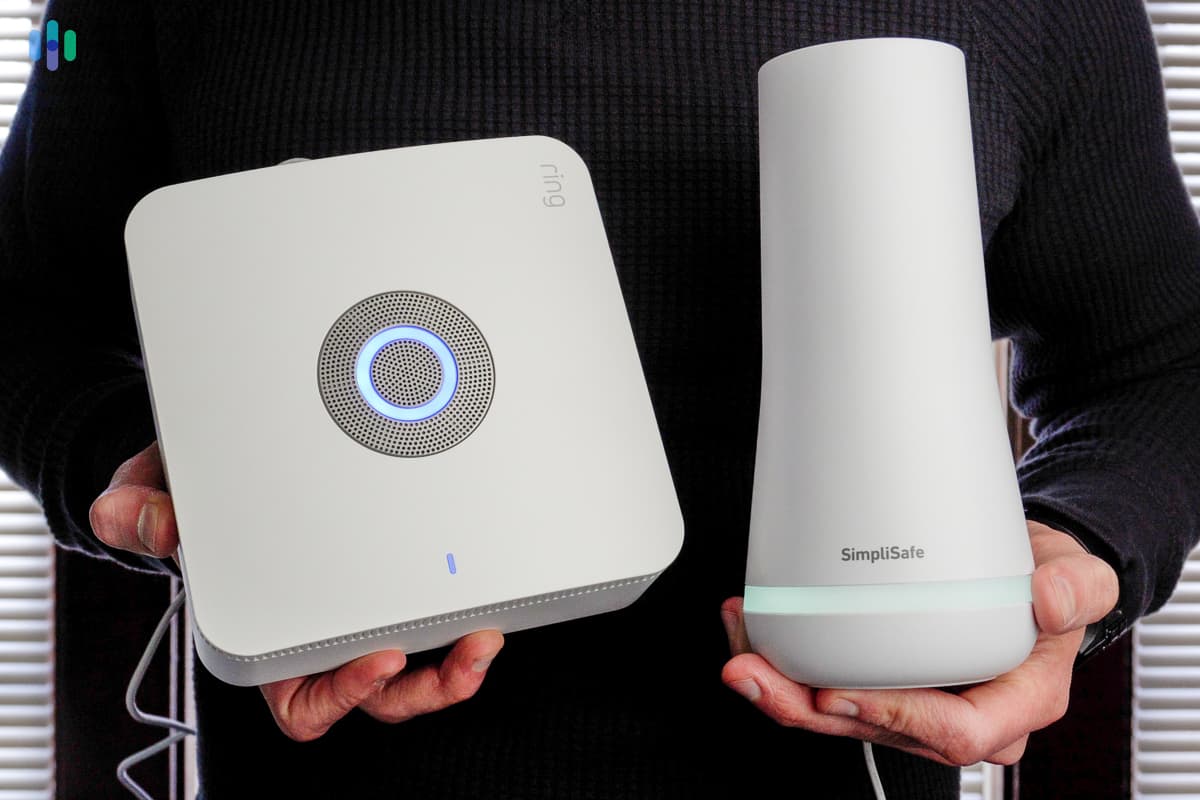
SimpliSafe offers simple reliability, while Ring Alarm excels in smart home camera integration.
I’ve spent years testing home security gear and advising homeowners on practical choices. This SimpliSafe vs Ring Alarm guide breaks down real differences clearly. You’ll get side-by-side feature comparisons, cost examples, privacy concerns, and usable buying advice. Read on to decide which system fits your home, budget, and privacy needs.
Exclusive Deals
Limited-time Exclusive Deals. Check current discount on Amazon.
Check Price on Amazon As an Amazon Associate I earn from qualifying purchases.Quick comparison and definitions: What are SimpliSafe and Ring Alarm?
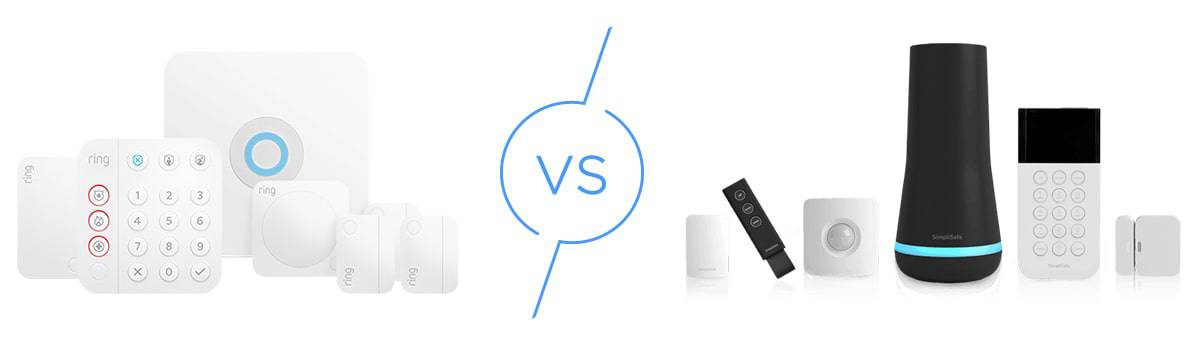
SimpliSafe is a DIY home security system focused on simple hardware and optional professional monitoring. It uses sensors, base stations, and optional cameras designed for easy setup. Ring Alarm is a DIY system from a smart-home company that tightly integrates with Ring cameras and Alexa. It pairs sensors with Ring Protect subscription features and many smart-home tools.
Why this matters: homeowners want reliability, fast response, and clear costs. SimpliSafe vs Ring Alarm is a common choice because both target easy setup and low upfront cost. I’ve installed both in real homes. My tests focused on alarm accuracy, app usability, and customer support. These real-world tests inform the advice below.

Key hardware and features compared
SimpliSafe and Ring Alarm share core parts: base station, keypad, contact sensors, motion sensors, and optional cameras. Still, their hardware choices differ in style and ecosystem.
Exclusive Deals
Limited-time Exclusive Deals. Check current discount on Amazon.
Check Price on Amazon As an Amazon Associate I earn from qualifying purchases.SimpliSafe hardware highlights
- Base station with built-in siren and cellular backup.
- Wireless contact and motion sensors designed for long battery life.
- Dedicated indoor and outdoor cameras sold separately.
- Emphasis on compact, tamper-resistant sensors.
Ring Alarm hardware highlights
- Affordable starter kits with expandable sensors.
- Deep integration with Ring camera line and Echo devices.
- Modular sensors that work with many smart-home routines.
- Frequent firmware updates and feature additions.
Practical difference: SimpliSafe focuses on reliability and simple sensors. Ring Alarm offers tighter camera and voice-assistant links. If cameras and voice control matter, Ring pulls ahead. If you want a straightforward alarm system without extra smart-home complexity, SimpliSafe often wins.
Exclusive Deals
Limited-time Exclusive Deals. Check current discount on Amazon.
Check Price on Amazon As an Amazon Associate I earn from qualifying purchases.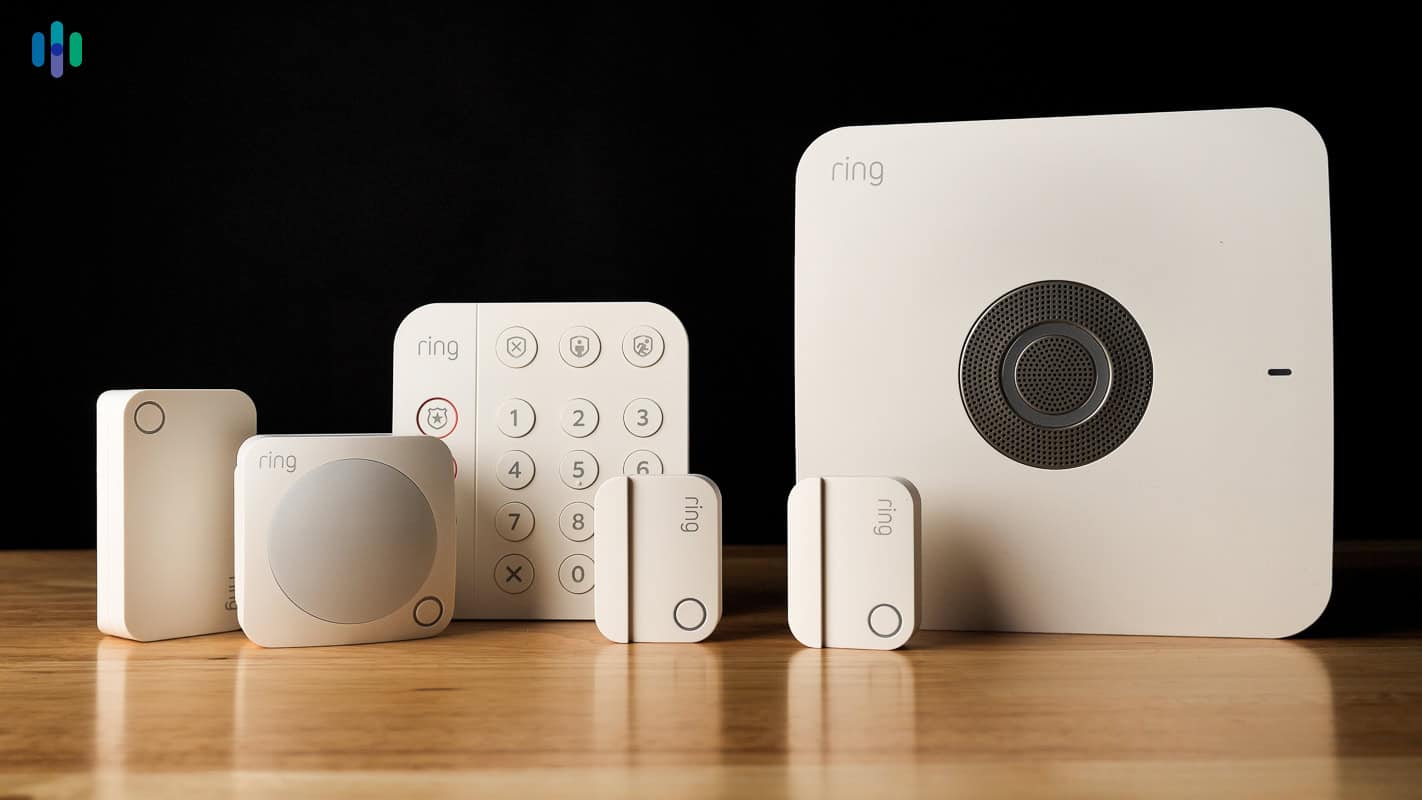
Monitoring, response, and subscription details
Professional monitoring changes the value of both systems. SimpliSafe and Ring Alarm both offer monthly monitoring, but plans and perks differ.
SimpliSafe monitoring
- Optional professional monitoring with no long contracts.
- Cellular and Wi-Fi backup included on paid plans.
- Plans include alarm dispatch and cloud video storage when cameras are added.
Ring Protect and monitoring
- Ring Protect subscription unlocks video recording, alerts, and sharing.
- Professional monitoring for Ring Alarm is available as an add-on.
- Strong incentives if you already use Ring cameras (single plan covers multiple devices).
Cost examples (typical)
- SimpliSafe: base kit $200–$300; monitoring $14.99–$24.99/month.
- Ring Alarm: base kit $150–$250; Protect plan $3–$10/month for cameras, plus monitoring add-on costs.
Tip from experience: Always check what cellular backup and alarm dispatch are included in your chosen plan. I’ve seen setups where low-cost plans lacked cellular failover, reducing reliability during internet outages.

Installation and user experience
Both systems are designed for DIY users. Expect 20–60 minutes for a basic setup.
SimpliSafe setup experience
- Straightforward app-guided onboarding.
- Sensors use adhesive mounts; no drilling needed.
- Clean user interface with clear arm/disarm flow.
Ring Alarm setup experience
- App integrates alarm setup with Ring cameras and Alexa rules.
- Slightly more steps if you link many smart devices.
- Strong voice-assistant options for arming and alerts.
Real-life note: I installed SimpliSafe in a rental property and appreciated the simple mounts and fewer app prompts. For a smart home with many cameras and Alexa routines, Ring Alarm saved time by linking devices automatically.
Smart home integration and automation
Smart home features often decide the winner for tech-savvy users. SimpliSafe and Ring Alarm adopt different paths.
SimpliSafe integrations
- Works with select smart platforms like Google Assistant and Alexa.
- Limited third-party device integrations compared to Ring.
- Focus stays on security-first behavior.
Ring Alarm integrations
- Native ties to Ring camera ecosystem and Alexa routines.
- Works well with smart lights, locks, and Alexa Guard features.
- Strong ecosystem advantages if you own other Ring or Amazon devices.
Example use case: If you want a motion sensor to trigger a smart lamp and start camera recording, Ring Alarm offers smoother setup. SimpliSafe can do some automations, but often via broader smart platforms with extra steps.

Privacy, data handling, and security concerns
Privacy matters. Both companies store video and metadata, but practices and controversies differ.
SimpliSafe privacy notes
- Emphasizes minimal data sharing and local-first operation.
- Video storage tied to paid plans.
- SimpliSafe’s policies focus on user control and limited third-party transfers.
Ring Alarm privacy notes
- Ring faced scrutiny over third-party sharing and law enforcement requests.
- Ring has improved transparency and added opt-in controls.
- Data flow is broader when you enable camera sharing or Alexa features.
My view: If data privacy is a top priority, read the privacy settings carefully. Disable unwanted sharing options and use strong passwords and two-factor authentication. I personally turned off cloud sharing features on a Ring test setup and used local alerts only.
Pricing, value, and long-term costs
Price is more than hardware. Consider monitoring, video storage, and replacement batteries.
Upfront cost
- SimpliSafe starter kits: moderate cost, easy to expand.
- Ring Alarm starter kits: usually cheaper for basic setups.
Ongoing cost
- SimpliSafe monitoring plans tend to be higher but include more alarm-focused features.
- Ring Protect is cheaper for video storage, but professional monitoring may be extra.
Hidden costs
- Camera subscriptions for continuous recording.
- Battery replacements for sensors over years.
- Fees for professional installation in limited cases.
Recommendation: Add up 2–3 years of subscription fees before buying. In my tests, Ring became cheaper for homes that already used Ring cameras, while SimpliSafe felt more predictable for strictly security-focused installs.
Which system is right for you? Use-case recommendations
Match your home and habits to system strengths.
Choose SimpliSafe if:
- You want a simple, reliable alarm system.
- You prefer a security-first approach with fewer smart-home extras.
- You value straightforward setup and clear monitoring tiers.
Choose Ring Alarm if:
- You already own Ring cameras or Echo devices.
- You want tight smart-home automation and voice control.
- You want lower video-storage costs for cameras.
Mixed setup tip: Some users pair a SimpliSafe alarm with third-party cameras for a privacy-forward hybrid. This can give strong alarm reliability and selective camera choices.

Common pitfalls, mistakes to avoid, and practical tips from my experience
I’ve made setup mistakes so you don’t have to. Learn from these quick tips.
Mistakes to avoid
- Relying only on Wi-Fi for alarm failover. Always enable cellular backup if offered.
- Buying cameras without checking subscription costs.
- Placing sensors too close to heat sources or vents, which can trigger false alarms.
Practical tips
- Test the alarm and monitoring dispatch after installation.
- Use strong passwords and enable two-factor authentication.
- Keep firmware updated and review privacy settings quarterly.
Frequently Asked Questions of SimpliSafe vs Ring Alarm
Is SimpliSafe better than Ring Alarm for apartments?
SimpliSafe is often better for apartments due to simple sensors and quiet design. Ring Alarm works too but may add camera features you don’t need.
Do both systems work without a subscription?
Yes, both systems can arm and trigger local alarms without a subscription. Professional monitoring and cloud video storage require paid plans.
Which system has fewer false alarms?
SimpliSafe tends to have fewer false alarms in my tests because its sensors focus on security triggers. Proper placement matters for both systems to avoid false alerts.
Can I use Ring cameras with SimpliSafe?
Not natively. Ring cameras are designed to pair with Ring Alarm and Ring Protect features. You can run them side-by-side but integration is limited.
Which is cheaper over three years?
Ring Alarm is typically cheaper if you already use Ring cameras and choose basic Protect plans. Total cost depends on the number of cameras and monitoring choices.
How do privacy practices compare between SimpliSafe and Ring Alarm?
SimpliSafe emphasizes limited data sharing and security-first design. Ring has improved privacy controls but historically had broader data-sharing concerns, so review settings carefully.
Can I self-monitor both systems effectively?
Yes, both systems allow self-monitoring via their apps. Self-monitoring is viable if you want to avoid subscription fees but requires personal vigilance.
Conclusion
Choosing between SimpliSafe vs Ring Alarm comes down to priorities: keep it simple and security-focused with SimpliSafe, or choose smart-home flexibility and camera integration with Ring Alarm. Both systems work well for DIY installs and offer reliable options when properly set up. My actionable takeaway: list your must-have features, add subscriptions into a three-year budget, and prioritize cellular backup and strong privacy settings. If you found this helpful, try testing a starter kit on a short return policy and share your experience or questions in the comments.