Smart Lock vs Smart Safe: Choose locks for access, safes for secure storage and high-value protection.
I have worked with home security systems, tested smart locks and smart safes, and written guides used by homeowners and small businesses. This article explains Smart Lock vs Smart Safe in clear terms, compares their strengths and limits, and gives practical tips so you can pick the right device for your needs. Read on to learn how each device works, real-world use cases, installation advice, and simple ways to maximize security while staying convenient.
Exclusive Deals
Limited-time Exclusive Deals. Check current discount on Amazon.
Check Price on Amazon As an Amazon Associate I earn from qualifying purchases.How Smart Lock and Smart Safe work
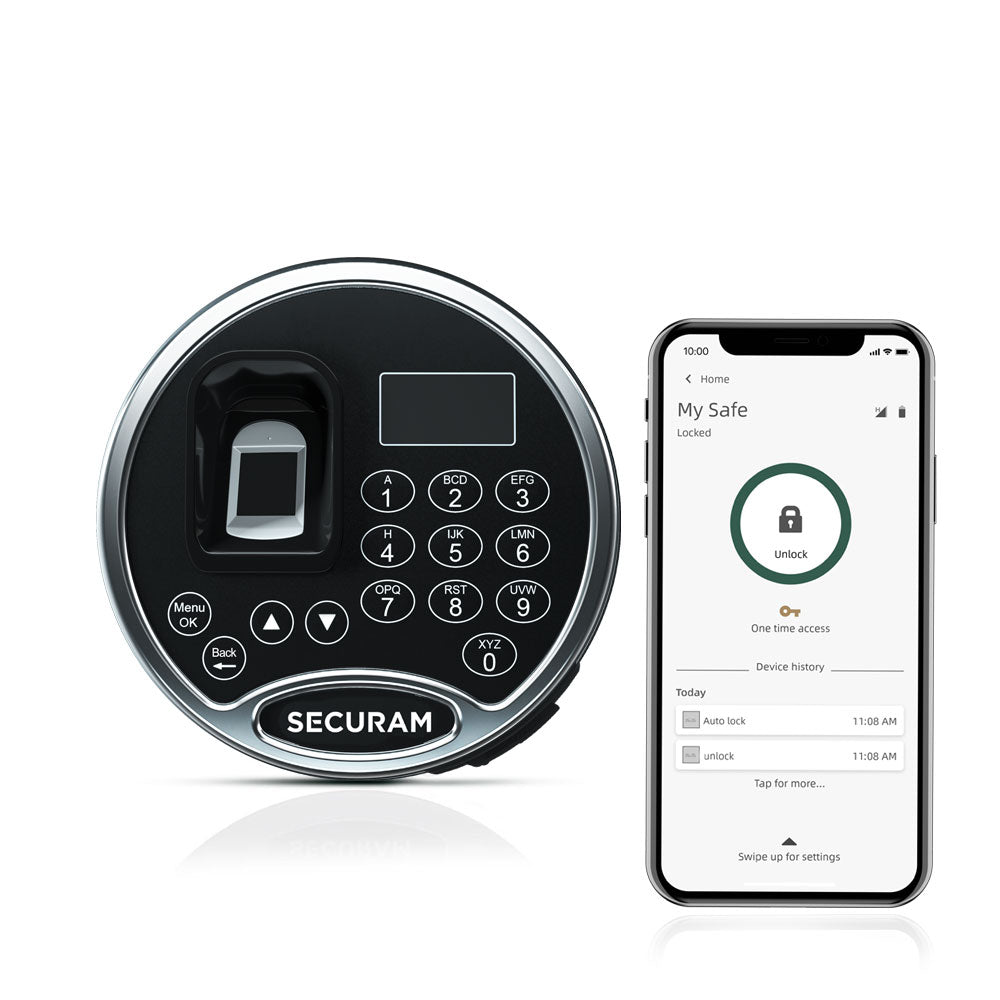
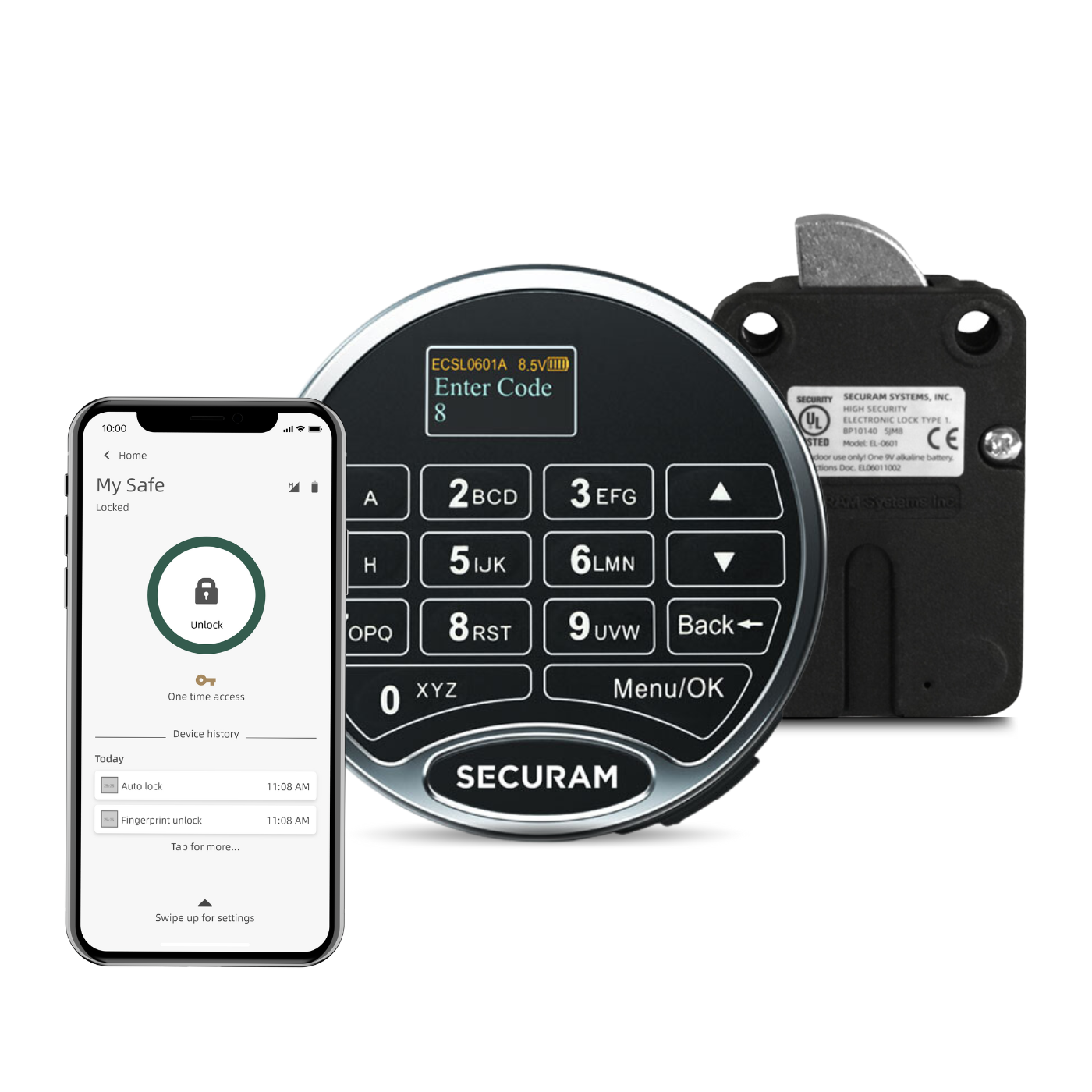
Smart Lock vs Smart Safe serve different security roles. A smart lock replaces or upgrades a door deadbolt so you can lock and unlock doors using apps, codes, biometric scans, or voice assistants. It often connects to Wi-Fi or Bluetooth and can log access events.
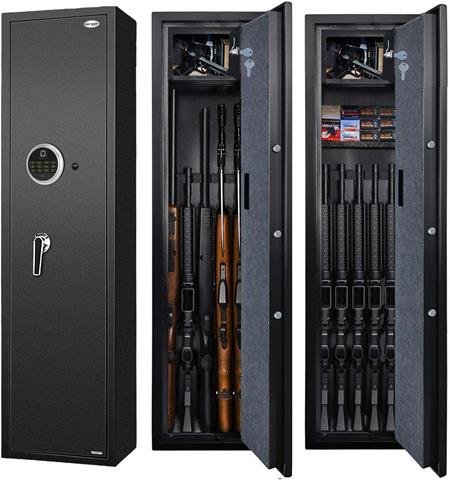
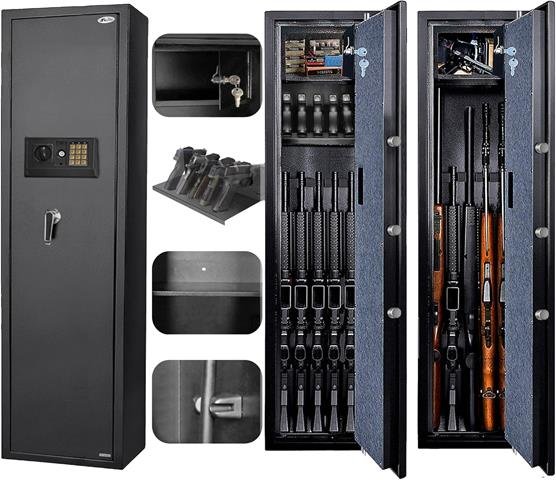
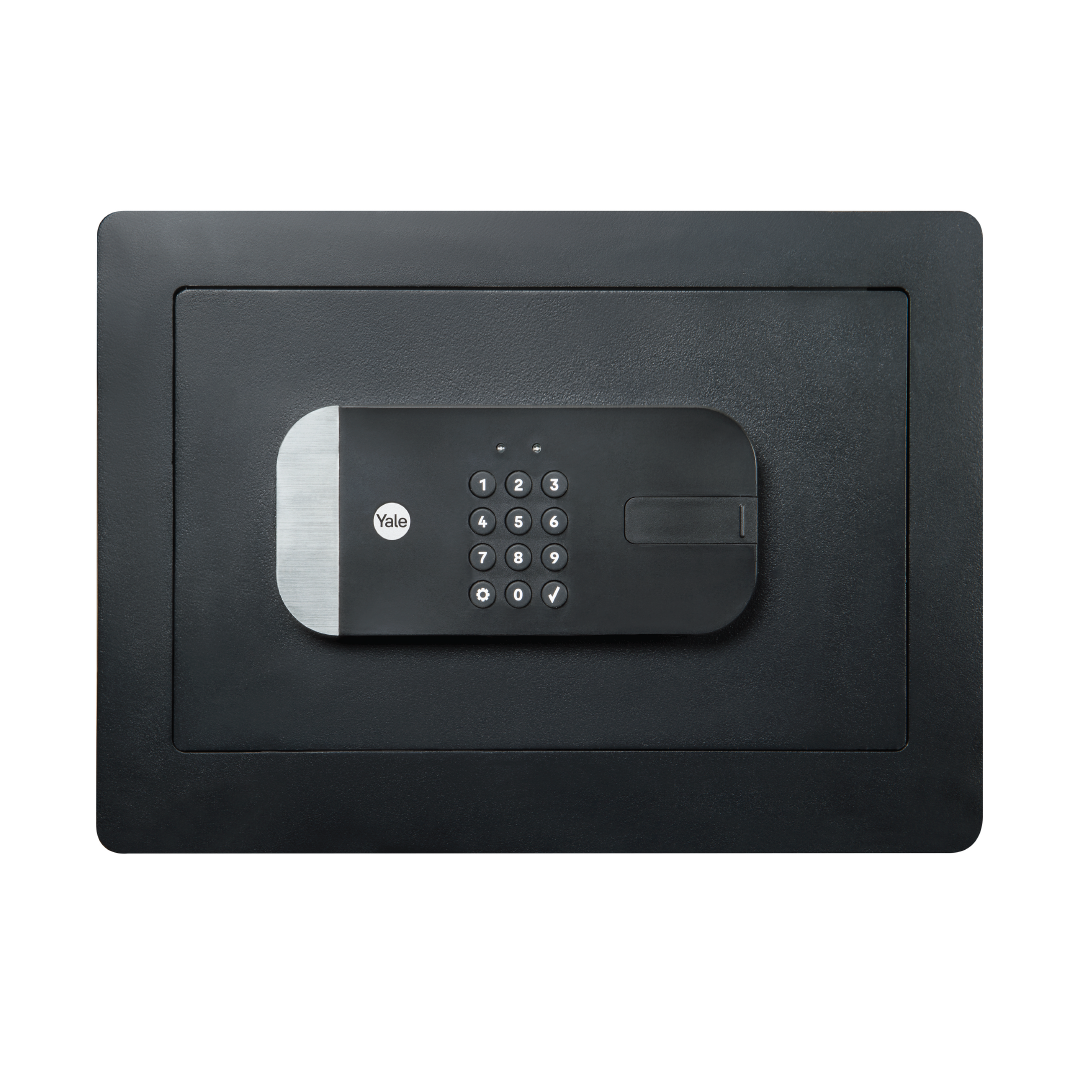
A smart safe is a secure storage box with electronic locking systems, heavy construction, and sometimes fire or burglary ratings. Smart safes add connectivity features like remote alerts, digital auditing, timed access, and integration with alarms.
I tested multiple smart locks and safes in my work. Smart locks feel like convenience tools. Smart safes feel like insurance for valuables. Both can send notifications and keep logs, but safes focus more on resistance to theft and tampering.

Exclusive Deals
Limited-time Exclusive Deals. Check current discount on Amazon.
Check Price on Amazon As an Amazon Associate I earn from qualifying purchases.Key differences: Smart Lock vs Smart Safe
Understanding the difference helps you choose the right product for each need.
-
Purpose
- Smart Lock: Controls entry to a room or building.
- Smart Safe: Protects items inside from theft or damage.
-
Deal
Exclusive Deals
Limited-time Exclusive Deals. Check current discount on Amazon.
Check Price on Amazon As an Amazon Associate I earn from qualifying purchases.- Smart Lock: Designed to resist pick and forced entry, but depends on the door and frame.
- Smart Safe: Built with hardened steel, solid bolts, and fireproof materials.
-
Access control
- Smart Lock: Offers timed codes, geofencing, guest access, and remote unlock.
- Smart Safe: Offers time-delay locks, multi-user codes, and audit trails.
-
Portability and placement
- Smart Lock: Fixed to a door; part of daily flow.
- Smart Safe: Often bolted down; placed where valuables are stored.
-
Typical use cases
- Smart Lock: Home doors, offices, Airbnb rentals.
- Smart Safe: Cash, passports, jewelry, firearms, backup drives.
I recommend thinking of Smart Lock vs Smart Safe as different tools. Use a smart lock to manage who walks in. Use a smart safe to protect what you don’t want anyone to take.

Benefits and limitations
Each device has clear pros and cons. I list them from hands-on experience to help decision making.
Benefits of smart locks
- Convenience: Keyless entry and remote access save time.
- Sharing: Temporary or recurring codes for guests or workers.
- Integration: Works with home automation and voice assistants.
Limitations of smart locks
- Dependent on door strength and installation.
- Vulnerable to network attacks when connected.
- Battery changes are required; backup mechanical keys may be needed.
Benefits of smart safes
- Physical protection: Thick walls and secure bolts deter thieves.
- Fire and water resistance options protect documents and data.
- Audit logs and time-delays improve control over access.
Limitations of smart safes
- Cost: High-quality safes can be expensive and heavy.
- Less convenient for daily access to low-value items.
- Wrong placement or poor anchoring reduces effectiveness.
From my experience, pairing a smart lock with a low-cost safe was the most practical setup for many homeowners. That gives quick access control and protected storage for valuables.

Use cases and scenarios
Here are practical examples to match needs with devices.
-
Family home
- Use a smart lock for main doors to manage kids and cleaners.
- Use a smart safe for passports, cash, and small jewelry.
-
Short-term rental or Airbnb
- Use smart lock codes to rotate guest access without rekeying.
- Offer a small smart safe for guest valuables and keys.
-
Small business
- Use smart locks on office entry and server rooms for audit trails.
- Use a smart safe for cash drops, receipts, and confidential documents.
-
Firearm owners
- Use a certified smart safe to meet safety and legal requirements.
- Use a smart lock on the property entrance for added layered security.
These scenarios show why Smart Lock vs Smart Safe are best when combined in layers. One controls access. The other secures valuables.

Installation, security, and maintenance
Install and maintain both devices correctly to get best results.
Smart lock installation tips
- Verify door and deadbolt compatibility before buying.
- Use reinforced strike plates and long screws in the door frame.
- Keep firmware up to date and enable two-factor authentication when available.
Smart safe installation tips
- Bolt the safe to concrete or a secure floor location.
- Place in a hidden spot to avoid casual discovery.
- Use manufacturer-recommended anchoring and test the locking mechanism periodically.
Security considerations
- Use strong, unique codes and change them after service visits.
- Avoid broadcasting exact safe content on social media.
- Consider offline fail-safes: mechanical keys or backup codes.
I once installed a smart lock on a warped door without reinforcing the frame. The lock worked, but the frame failed under force. Lesson learned: hardware and structure matter as much as electronics.
How to choose between Smart Lock vs Smart Safe
Follow a simple decision flow to decide what you need.
-
Identify what you want to protect
- People and entry control: prioritize a smart lock.
- Valuables and documents: prioritize a smart safe.
-
Evaluate risk level
- High theft or fire risk: choose a rated safe plus reinforced entry.
- Low risk, high convenience need: choose a smart lock with good encryption.
-
Budget and integration
- Set budget for both hardware and recurring services.
- Check compatibility with your home automation and alarm systems.
-
Test and verify
- Read independent test results and user reviews.
- Test battery life and code management before relying on the device.
Practical tip from my work: pick the best safe you can afford for irreplaceable items. Use a smart lock that matches your lifestyle and gives audit logs for peace of mind. This balanced approach solves most needs tied to Smart Lock vs Smart Safe.
Real-world concerns and common questions answered briefly
Can a smart lock be hacked?
- Any connected device has risk. Use strong passwords, keep firmware updated, and choose models with reputable security features.
Will a smart safe replace a bank safe deposit box?
- For many items, a high-quality safe is enough. For extremely valuable or irreplaceable items, a bank deposit box may still be safer.
Do smart locks work during power or internet outages?
- Most smart locks use batteries and local radio like Bluetooth. Some features may fail without internet, but basic locking usually still works.
Can emergency responders access a smart safe?
- No. A safe is designed to resist forced access. Consider leaving emergency access instructions with trusted contacts.
Is remote access always necessary?
- Not always. Remote access is convenient but adds attack surface. Choose models that let you disable remote features if you prefer local control.

Frequently Asked Questions of Smart Lock vs Smart Safe
What is the main difference between a smart lock and a smart safe?
A smart lock controls who enters a space, while a smart safe protects items inside with heavy construction and secure locks. They serve complementary roles in security.
Can a smart lock be used to secure valuables like a safe?
Smart locks secure doors but do not offer the same physical protection, fire resistance, or tamper resistance as a safe. For valuables, a safe is recommended.
Are smart safes vulnerable to hacking like smart locks?
Smart safes with network features can be targeted, but the physical barrier adds strong protection. Keep firmware updated and disable unnecessary connectivity if security is a priority.
How often should I change access codes for smart locks and safes?
Change codes after service visits, guest stays, or when users leave. Regularly rotating codes every few months improves security.
Do smart safes require professional installation?
Many safes can be installed by owners, but heavy or boltable safes may need professional help to ensure proper anchoring and safety. Professional installation can improve effectiveness.
Conclusion
Choosing between Smart Lock vs Smart Safe is not an either-or decision. Use a smart lock to manage access and convenience. Use a smart safe to protect valuables and sensitive items. Together they create layered security that balances ease and protection. Start by listing what you need to protect, pick devices with strong security features, and follow installation best practices. Try one upgrade at a time, test it, and refine your setup based on how you and your family use it. If this guide helped, consider subscribing for more practical home security tips or leave a comment sharing your experience.