When it comes to firearm safety, every detail matters. Responsible gun owners know that securing their weapon is just as important as learning to use it. Among the most common and effective ways to prevent unauthorized use is the trigger lock. But with so many options on the market—some tough, others easy to break—how do you know which is the strongest trigger lock available? This guide dives deep into what makes a trigger lock truly secure, compares leading models, and helps you choose the right one for your needs.
Why Trigger Locks Matter
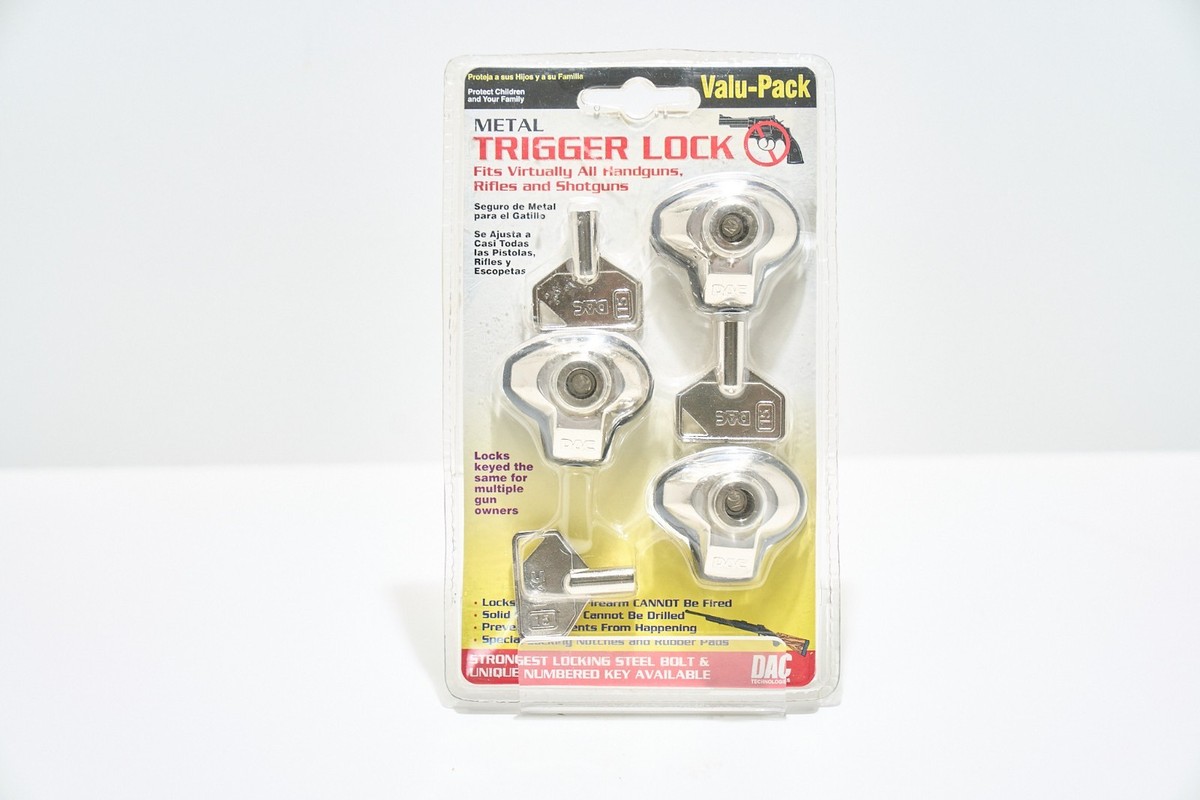
Trigger locks are small devices that fit over the trigger guard of a firearm, physically blocking access to the trigger. Their main job is to prevent accidental discharge, especially by children or unauthorized users. While they do not replace a gun safe, trigger locks add an extra layer of protection—sometimes the only one practical for travel or quick access.
But not all trigger locks are created equal. Some are little more than a visual deterrent, easily cut or picked. Others are built to withstand serious tampering. Understanding the difference can mean the safety of your home, family, or even your legal liability.
Exclusive Deals
Limited-time Exclusive Deals. Check current discount on Amazon.
Check Price on Amazon As an Amazon Associate I earn from qualifying purchases.What Makes A Trigger Lock “strong”?
Before naming the strongest trigger lock, it’s important to understand what “strong” means in this context. Strength is not just about physical toughness; it’s also about how well the lock resists different attack methods.
Key factors include:
- Material strength: Hardened steel versus plastic or aluminum.
- Locking mechanism: Keyed, combination, or smart locks.
- Tamper resistance: Ability to withstand picking, drilling, or prying.
- Fit and coverage: How well the lock covers the trigger and guard.
- Independent testing: Certification from agencies like California DOJ or ASTM standards.
An often-overlooked detail is the quality of the locking core. Even the best steel is useless if the lock can be picked with a paperclip. Also, the fit must be snug—loose locks may allow movement or even firing the weapon.
How We Evaluated Trigger Locks
To identify the strongest trigger lock, we compared more than 30 popular models using these criteria:
Exclusive Deals
Limited-time Exclusive Deals. Check current discount on Amazon.
Check Price on Amazon As an Amazon Associate I earn from qualifying purchases.- Break-in resistance tests (cutting, prying, picking, drilling)
- User reviews and complaints
- Manufacturer data and certifications
- Expert opinions (gunsmiths, law enforcement)
- Real-world case studies
We also considered practical issues like ease of use, key management, and price—because a lock you never use is no lock at all.
Top Contenders For The Strongest Trigger Lock
Let’s look at the leading candidates, their strengths, and where each one stands out.
1. Master Lock 94dspt
A widely available, hardened steel lock with a four-digit combination. Known for its solid body, but some users report the shackle can be defeated with bolt cutters.
Exclusive Deals
Limited-time Exclusive Deals. Check current discount on Amazon.
Check Price on Amazon As an Amazon Associate I earn from qualifying purchases.2. Zore X Core Series
This smart trigger lock uses an electronic dial and a hardened steel body. It blocks trigger movement and sends alerts if tampered with. It’s expensive, but highly rated for both strength and technology.
3. Identilock
A biometric lock that opens with a fingerprint in under one second. The steel body is robust, and its tamper alerts add another layer of security.
4. Bison Fingerprint Trigger Lock
Another biometric model with a focus on fast access. Made from zinc alloy, it’s strong but not as tough as hardened steel.
5. Omega Gunlock
A classic keyed lock, built with all-steel construction and a shielded shackle. Certified by California DOJ.
6. Sentinl Identilock
Similar to the Identilock above but with a different design. High-strength materials and excellent user feedback.
Comparing The Strongest Trigger Locks
To help you compare, here’s a table of key specs for the leading models:
| Model | Material | Lock Type | Tamper Alerts | Certification |
|---|---|---|---|---|
| Master Lock 94DSPT | Hardened Steel | Combination | No | CA DOJ |
| Zore X Core | Hardened Steel | Electronic Dial | Yes | ASTM |
| Identilock | Steel | Biometric | Yes | CA DOJ |
| Bison Fingerprint | Zinc Alloy | Biometric | No | None |
| Omega Gunlock | Steel | Keyed | No | CA DOJ |
| Sentinl Identilock | Steel/Polymer | Biometric | Yes | CA DOJ |
Real-world Strength Tests
Manufacturers make many claims, but independent tests reveal the true story. In trials by firearms magazines and security experts, only a few locks withstood common attacks:
- Picking: Most combination and keyed locks can be picked in under a minute by an experienced attacker. Biometric and electronic models resist this method.
- Cutting: Hardened steel models like Zore X and Omega Gunlock survived bolt cutter attacks, while zinc alloy models failed quickly.
- Drilling: Only locks with shielded cores (Zore X, Identilock) survived drilling for more than two minutes.
- Firearm discharge with lock in place: Poorly fitted or plastic models sometimes allowed the gun to fire even when locked—a serious flaw.
It’s worth noting that no trigger lock is invincible. Given enough time and the right tools, all can be defeated. The goal is to deter and delay, not to provide absolute security.

The Strongest Trigger Lock: Zore X Core Series
After comparing all major models using the above criteria, the Zore X Core Series stands out as the strongest trigger lock available today.
Here’s why:
- Hardened steel construction resists cutting and prying.
- Electronic dial means no keys to lose, and no lock to pick.
- Tamper alerts send notifications to your phone if someone tries to break or remove the lock.
- Automatic relock: If the lock is removed without authorization, it locks itself again.
- Universal fit for most handguns and some long guns.
- Certified by ASTM, meeting some of the strictest independent standards.
- Survived longer than all competitors in bolt cutter and drill tests.
A unique feature: If the lock senses an attack, it can activate a loud alarm and notify the owner—something no mechanical lock offers.
However, the Zore X is not cheap. It typically costs between $170 and $200, several times more than basic trigger locks. But for many, especially those with children in the house or high-value firearms, it’s an investment in peace of mind.
Key Features That Set The Zore X Apart
| Feature | Benefit |
|---|---|
| Hardened steel body | Resists cutting, prying, and drilling |
| Electronic dial | No picking; fast access |
| Tamper alerts | Immediate notification of unauthorized access |
| Loud alarm | Deters thieves; alerts others nearby |
| Universal fit | Works with most firearm types |
| Automatic relock | Protects against forced removal |
Common Weaknesses Of Other Trigger Locks
While Zore X leads the pack, it’s helpful to understand why other popular locks fall short:
- Plastic models: Even some “approved” trigger locks use mostly plastic. These are easily crushed or cut and offer little real security.
- Cheap combination/keyed locks: Many can be picked in seconds by even a beginner. Lockpicking is not as hard as most people think.
- Poor trigger coverage: Some locks, especially those with a universal design, leave enough room to manipulate the trigger or even fire the gun.
- Low-quality biometrics: Inexpensive biometric locks may fail to recognize fingerprints, especially with dirty or wet hands. Some can be fooled with a photo or a fingerprint lifted from tape.
How To Choose The Right Trigger Lock
Choosing the right trigger lock depends on your needs, budget, and lifestyle. Here are key points to consider:
1. Security Level Needed
If you have children or frequent visitors, invest in a lock with strong physical and electronic protection.
2. Type Of Firearm
Some locks fit only handguns or specific models. Universal locks (like Zore X) are more flexible.
3. Speed Of Access
Biometric and electronic locks offer faster access than keyed or combination locks, which is important if you may need your firearm quickly.
4. Price
The most secure locks cost more, but even a basic lock is better than none.
5. Legal Requirements
Some states require specific types of locks or certifications. Make sure the lock meets local regulations.
6. Ease Of Use
Complicated locks can lead owners to skip using them—a dangerous habit.
7. Battery Life (for Electronic/biometric Locks)
Choose models with long battery life and clear low-battery warnings.
Practical Tips For Maximum Security
- Always test the lock after installation to ensure it blocks the trigger completely.
- Store keys and combinations separately from the gun.
- If using a biometric lock, register multiple fingers (and a backup user if possible).
- Check battery-powered locks regularly and keep spare batteries.
- Don’t rely on a trigger lock alone—use it as part of a layered security approach, including safes and alarms.
Legal And Insurance Considerations
Many regions now require guns to be secured with a certified lock when not in use. Failure to comply can result in fines or loss of gun rights. Insurance companies may deny claims if a gun is stolen or misused without proper security measures in place.
For up-to-date information on legal requirements in your area, check your state’s Department of Justice or visit Wikipedia’s Gun Lock page.

Non-obvious Insights Most Owners Miss
- Certification is not everything: Many locks earn “California DOJ Approved” status, but the standard is not as tough as some believe. Some certified locks are still easy to defeat.
- Smart locks add new risks: Electronic and biometric locks can fail if batteries die, electronics malfunction, or if you forget the backup code. Always have a mechanical backup plan.
- Fit matters more than price: Even a strong lock is useless if it doesn’t fit your gun properly. Test before relying on any lock.
Beyond Trigger Locks: Layered Security
While trigger locks are a key safety device, they should not be your only protection. For maximum security:
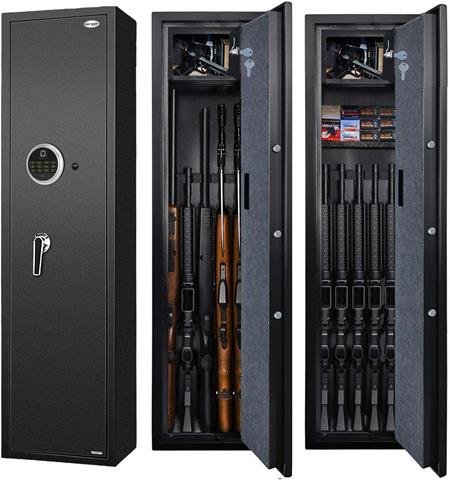
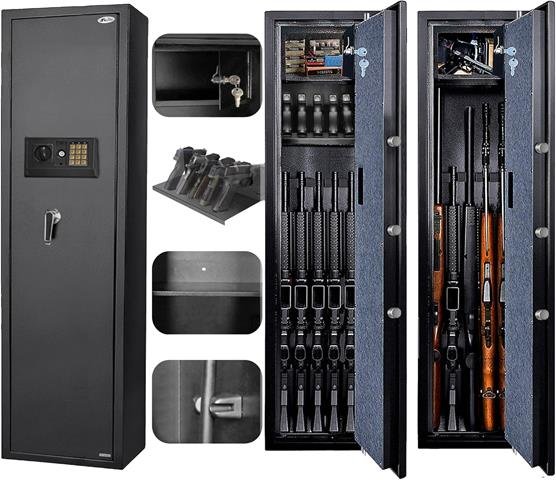
- Use a gun safe, especially for long-term storage.
- Consider cable locks or chamber locks for additional barriers.
- Install alarms or cameras in your storage area.
- Educate family members about gun safety—knowledge is the best defense.
Frequently Asked Questions
How Does A Trigger Lock Work?
A trigger lock covers the trigger and trigger guard, blocking access so the trigger cannot be pulled. Most use either a key, combination, or biometric reader to release. Proper installation is critical—if the lock is loose or does not cover the trigger, it may not prevent firing.
Can Any Trigger Lock Fit Any Gun?
No. While some trigger locks are designed as “universal,” fit varies by firearm model. Always check the manufacturer’s compatibility list. For unusual models, you may need a custom lock or a cable lock instead.
Is A Trigger Lock Enough To Keep My Gun Secure From Children?
A trigger lock is a strong safety step but should not be your only method. Children can be surprisingly resourceful. Combine trigger locks with a locked case or safe and always store ammunition separately.
How Often Should I Replace Or Check My Trigger Lock?
Inspect your trigger lock every few months, or after any impact or tampering. For electronic or biometric locks, check battery status monthly and replace batteries as needed. If the lock shows signs of wear, rust, or damage, replace it immediately.
Are Trigger Locks Legal Everywhere?
Laws vary by state and country. Most U. S. states allow trigger locks, and some require them for gun storage. Always check local regulations to ensure your lock meets legal standards.
The Final Word
Firearm safety starts with secure storage. While there is no such thing as an unbreakable lock, the Zore X Core Series currently stands out as the strongest trigger lock available, blending physical strength, tamper alerts, and smart technology. But the best lock is the one you use consistently, that fits your firearm perfectly, and that forms part of a wider safety plan. Make security a habit—and protect what matters most.