
Every home needs protection from invisible dangers. Smoke and carbon monoxide are two silent threats that can cause serious harm to your family. Most people install smoke detectors to catch fires early. But what about carbon monoxide? Many homeowners wonder: do smoke detectors detect carbon monoxide, or do you need a separate device? This question is more important than you might think. Understanding how these detectors work can help you make your home safer and avoid mistakes that could lead to tragedy.

Exclusive Deals
Limited-time Exclusive Deals. Check current discount on Amazon.
Check Price on Amazon As an Amazon Associate I earn from qualifying purchases.Let’s explore how smoke detectors and carbon monoxide detectors function, the differences between them, and what you need to know about choosing the right safety devices for your home. You’ll also find real examples, practical advice, and answers to common questions about these life-saving tools.
What Is A Smoke Detector?
A smoke detector is a device that senses smoke, usually as an indicator of fire. These devices are common in homes, schools, offices, and hotels. They sound a loud alarm when smoke is detected, warning people to leave the building or take action.
There are two main types of smoke detectors:
- Ionization smoke detectors: These detect fast-burning fires. They use a small amount of radioactive material to create an electrical current. When smoke enters, it disrupts the current, and the alarm sounds.
- Photoelectric smoke detectors: These detect slow, smoldering fires. They use a light beam inside the device. When smoke blocks the light, the alarm goes off.
Both types are effective, but they work in different ways. Some modern detectors combine both technologies for better protection.
Exclusive Deals
Limited-time Exclusive Deals. Check current discount on Amazon.
Check Price on Amazon As an Amazon Associate I earn from qualifying purchases.Why Smoke Detectors Matter
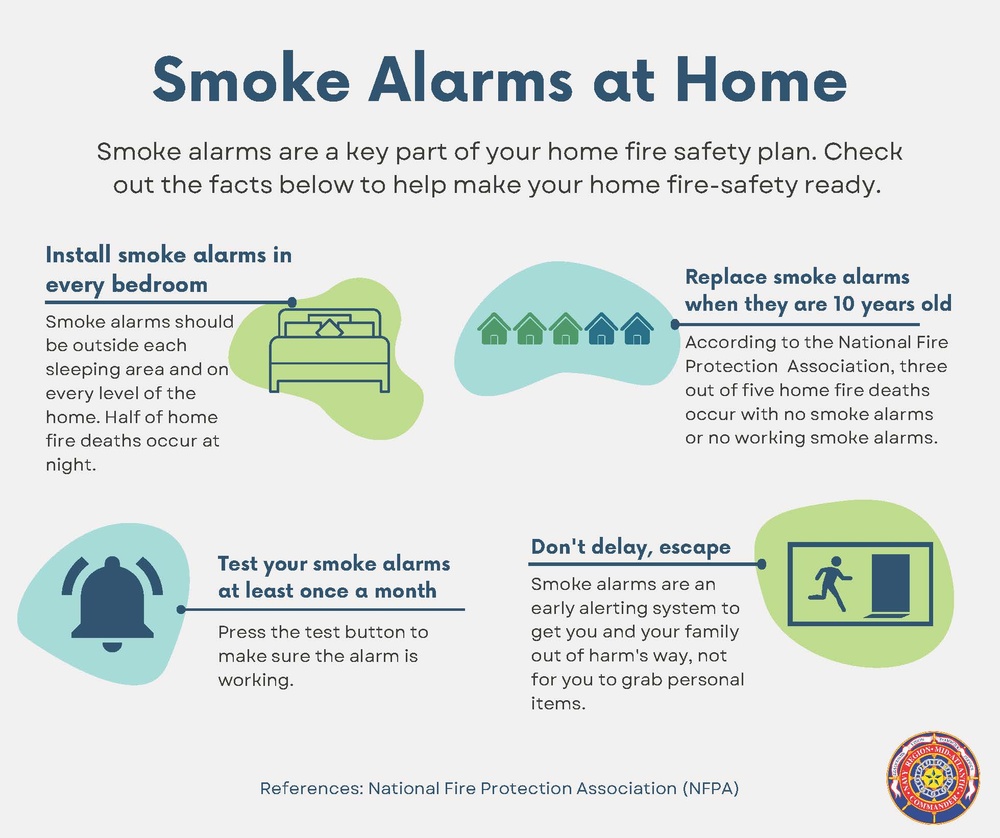
Smoke can fill a room quickly and make it hard to breathe or see. Most fire deaths happen because of smoke inhalation, not burns. According to the National Fire Protection Association (NFPA), nearly three out of five fire deaths happen in homes with no smoke detectors or non-working smoke detectors. Installing these devices saves lives.
What Is Carbon Monoxide?
Carbon monoxide (CO) is a colorless, odorless gas. It is produced when fuel burns incompletely. Common sources include gas stoves, furnaces, fireplaces, cars, and generators. Because you can’t see or smell it, CO is often called the “silent killer.” Breathing in carbon monoxide can cause headaches, dizziness, nausea, confusion, and even death.
How Carbon Monoxide Harms You
When you inhale carbon monoxide, it replaces oxygen in your blood. This starves your organs and brain of oxygen, which can quickly become life-threatening. The Centers for Disease Control and Prevention (CDC) reports that more than 400 people die from accidental CO poisoning every year in the United States. Thousands more are hospitalized.
How Do Smoke Detectors Work?
Smoke detectors use sensors to spot smoke in the air. Here’s a closer look at how the two main types function:
| Type | How It Works | Best For | Common Mistakes |
|---|---|---|---|
| Ionization | Detects particles from fast, flaming fires | Kitchen, living room | Prone to false alarms from cooking |
| Photoelectric | Detects particles from slow, smoldering fires | Bedrooms, hallways | May miss fast fires if used alone |
Smoke detectors do not measure gases. They only react to smoke particles in the air.
Exclusive Deals
Limited-time Exclusive Deals. Check current discount on Amazon.
Check Price on Amazon As an Amazon Associate I earn from qualifying purchases.What Smoke Detectors Don’t Do
Many people think smoke detectors can sense all dangers, but this is not true. Smoke detectors cannot detect carbon monoxide. They are designed for one job: finding smoke from fires.
How Do Carbon Monoxide Detectors Work?
A carbon monoxide detector is made to sense CO gas in the air. It uses special sensors that react to carbon monoxide molecules. When CO levels rise, the detector sounds an alarm.
There are three main sensor types:
- Electrochemical sensors: These use chemicals and electrodes to spot CO. They are the most common and accurate.
- Metal oxide semiconductor sensors: These use a heated sensor to detect CO. They are less sensitive than electrochemical sensors.
- Biomimetic sensors: These use a gel that changes color when exposed to CO. The detector senses the color change and triggers the alarm.
CO detectors are not affected by smoke. They only measure carbon monoxide gas.
Placement Of Co Detectors
CO detectors should be placed near sleeping areas and on every floor of your home. They should not be installed directly above fuel-burning appliances, as this can lead to false alarms.
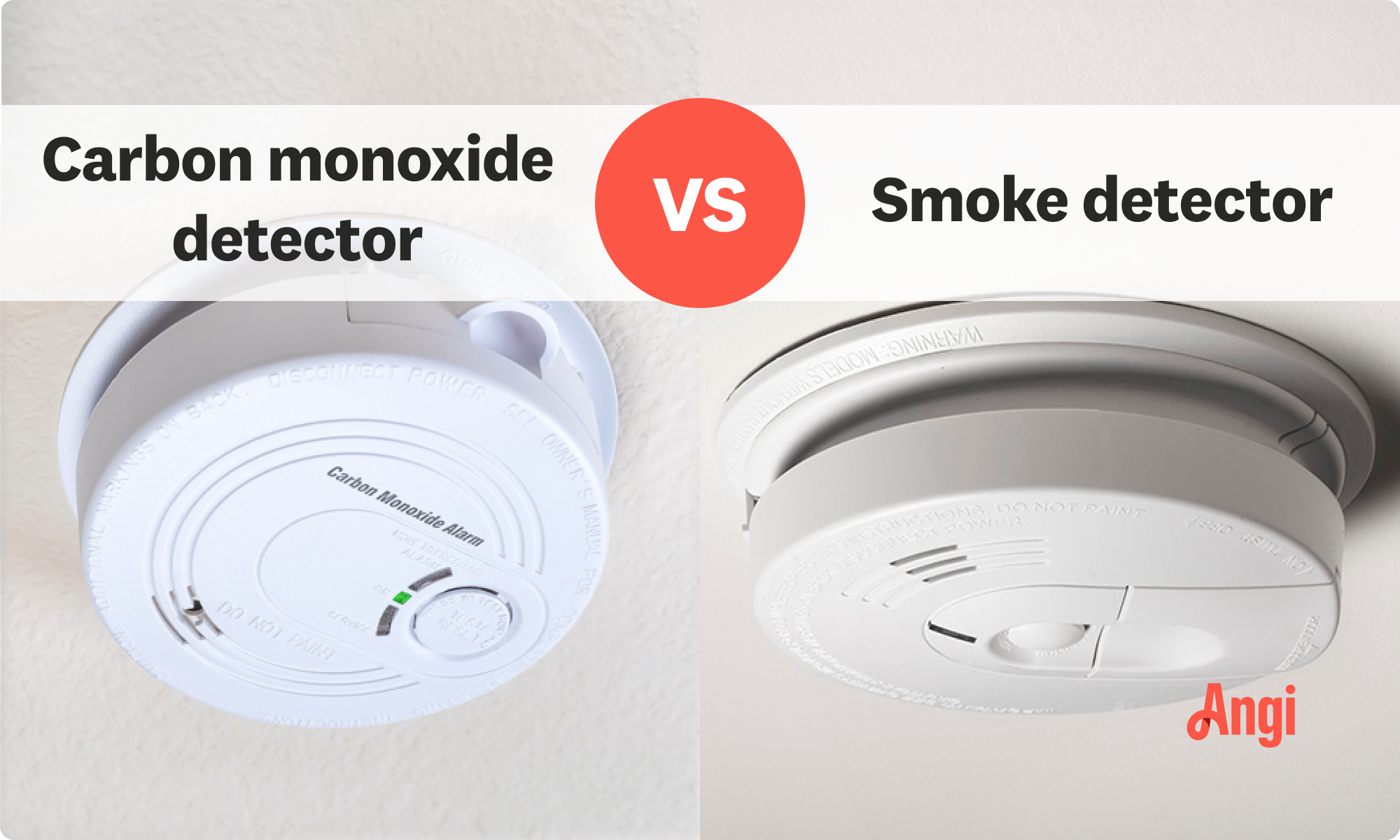
Smoke Detectors Vs Carbon Monoxide Detectors
Understanding the differences is key to choosing the right devices. Here’s a simple comparison:
| Feature | Smoke Detector | CO Detector |
|---|---|---|
| Detects Smoke | Yes | No |
| Detects Carbon Monoxide | No | Yes |
| Alarm Triggered By | Smoke particles | CO gas |
| Common in Homes | Very common | Less common, but growing |
| Maintenance | Test monthly, replace every 10 years | Test monthly, replace every 5-7 years |
Key Differences
- Smoke detectors warn about fires, not carbon monoxide.
- CO detectors warn about carbon monoxide poisoning, not fires.
- Both are needed for complete home safety.
Combination Smoke And Carbon Monoxide Detectors
Some devices combine both functions. A combination detector can sense smoke and carbon monoxide with separate sensors inside one device. This saves space and simplifies installation.
How Do Combination Detectors Work?
Combination units use two sensor systems:
- One sensor detects smoke particles.
- Another sensor measures carbon monoxide gas.
When either threat is found, the device sounds an alarm. Some models also display digital readings of CO levels.
Are Combination Detectors Reliable?
Most combination detectors are tested and certified by safety agencies like UL (Underwriters Laboratories). This means they meet strict standards for both smoke and CO detection. However, not all combination units are equal. Some cheap models may have weak sensors or shorter lifespans.
Benefits And Drawbacks
Benefits:
- Save space and power outlets.
- Easier to maintain.
- Simplifies buying and installation.
Drawbacks:
- May be less sensitive than standalone detectors.
- If the unit fails, you lose both protections.
Why You Need Both Types Of Detectors
Having only smoke detectors is not enough. Fires and carbon monoxide poisoning are two separate risks. According to the CDC, most CO poisoning cases happen in homes with no CO detectors.
Real-life Example
In 2019, a family in Ohio survived a carbon monoxide leak because their CO detector sounded an alarm. The furnace was leaking CO gas, but there was no smoke. Without the CO detector, they would not have known the danger.
Two Devices, Two Jobs
- Smoke detectors catch fires early.
- CO detectors warn about invisible poisoning.
Both are critical for safety. Don’t rely on one to do the other’s job.
Common Myths About Smoke And Co Detection
Many people misunderstand how these devices work. Let’s clear up some myths.
1. “smoke Detectors Also Sense Carbon Monoxide.”
False. Most smoke detectors cannot detect carbon monoxide.
2. “i Only Need One Device For Both Dangers.”
False. Unless you have a combination unit, you need separate detectors.
3. “co Only Comes From Gas Appliances.”
False. CO can come from wood stoves, cars, generators, and even blocked chimneys.
4. “my Smoke Detector Will Always Save Me.”
False. Smoke detectors only warn about fires. You need CO detectors for gas leaks.
5. “co Poisoning Is Rare.”
False. CO poisoning is more common than most people think.
How To Choose The Right Detectors
Selecting the right devices can feel confusing. Here’s what matters:
For Smoke Detectors
- Choose photoelectric detectors for bedrooms.
- Pick ionization detectors for kitchens and living rooms.
- Consider dual-sensor models for best coverage.
For Carbon Monoxide Detectors
- Look for electrochemical sensors for highest accuracy.
- Choose models with digital displays for easy reading.
- Make sure the device is UL-listed for safety.
For Combination Detectors
- Buy from trusted brands.
- Check for certifications.
- Read reviews and test regularly.
Common Buyer Mistakes
- Buying cheap, uncertified detectors.
- Not installing enough devices.
- Forgetting to test or replace batteries.
- Placing detectors in wrong locations.
Installation Tips For Maximum Safety
Proper installation is essential. Follow these tips:
- Install smoke detectors on every level of your home, inside bedrooms, and outside sleeping areas.
- Place CO detectors near sleeping areas and every floor, but not directly above appliances.
- Avoid corners or places where air flow is blocked.
- Don’t install detectors near windows, doors, or vents.
- Test devices monthly and replace batteries twice a year.
Maintenance And Testing
Detectors need regular care. Here’s what you should do:
- Test alarms monthly by pressing the test button.
- Replace batteries every 6 months, or when you hear a low-battery beep.
- Clean sensors with a vacuum or gentle brush to remove dust.
- Replace smoke detectors every 10 years.
- Replace CO detectors every 5-7 years.
Most people forget these steps. This is a mistake that reduces protection. A detector that doesn’t work is useless.
Non-obvious Insight
Even if your detectors are hardwired, they usually have a backup battery. If the battery dies, the device might not work during a power outage.
What Happens If You Have Only One Type?
If you have only smoke detectors, you will not be protected from carbon monoxide. If you have only CO detectors, you will not be warned about fires. This is a common mistake in older homes, apartments, and rental properties.
Legal Requirements
Many states and cities require both smoke and CO detectors in homes and rentals. Check your local laws to avoid fines and protect your family.
The Importance Of Proper Response
Knowing what to do when an alarm sounds is as important as having the right devices.
- Smoke alarm: Leave the building immediately. Call 911.
- CO alarm: Leave the building. Call emergency services. Do not re-enter until it is safe.
Never ignore alarms. Many deaths happen because people assume the device is malfunctioning or the threat is minor.
Comparing Popular Detector Models
Here’s a quick look at three top-rated devices:
| Model | Type | Features | Price Range (USD) | Lifetime |
|---|---|---|---|---|
| First Alert SCO501CN | Combination | Voice alarm, battery powered | $35-$45 | 7 years |
| Kidde KN-COSM-IBA | Combination | Hardwired, backup battery | $40-$55 | 10 years |
| Google Nest Protect | Combination | Wi-Fi, phone alerts, split-sensor | $100-$120 | 10 years |
Choose devices based on your budget, needs, and the layout of your home.
Practical Tips For Families And Renters
Safety starts with awareness. Here are tips for different situations:
- Families: Teach children what alarms sound like and what to do.
- Renters: Check that both smoke and CO detectors are installed and working.
- Older adults: Use models with loud alarms and easy-to-read displays.
- Vacation homes: Test all detectors before your stay.
Non-obvious Insight
If you have pets, they may show symptoms of CO poisoning before humans do. Watch for unusual behavior, especially in the winter.
The Role Of Smart Detectors
Smart detectors connect to Wi-Fi and send alerts to your phone. They can also tell you which room the danger is in. Some models let you silence false alarms from your phone.
Benefits:
- Immediate alerts, even when you’re away.
- Easier maintenance tracking.
- Can link multiple devices for whole-home coverage.
Drawbacks:
- Higher cost.
- Need for reliable internet connection.
Smart detectors are a good choice for tech-friendly homes.
How Detectors Save Lives
Data shows that homes with working detectors have fewer deaths and injuries. According to the NFPA, the risk of dying in a home fire is reduced by half when smoke detectors are present and working. The CDC notes that CO detectors can prevent hundreds of deaths each year.
Many tragedies happen because people think, “It won’t happen to me. ” In reality, fires and CO leaks can occur in any home.
Frequently Asked Questions
Can Smoke Detectors Detect Carbon Monoxide?
No. Smoke detectors cannot detect carbon monoxide. They are designed to sense smoke particles from fires, not gases. You need a carbon monoxide detector for CO protection.
Are Combination Smoke And Carbon Monoxide Detectors Reliable?
Yes, most combination detectors are reliable if they are certified by safety agencies like UL. Always choose trusted brands and check reviews before buying.
Where Should I Install Carbon Monoxide Detectors?
Install CO detectors near sleeping areas and on every floor of your home. Avoid placing them directly above fuel-burning appliances, as this can cause false alarms.
How Often Should I Replace My Detectors?
Replace smoke detectors every 10 years and carbon monoxide detectors every 5-7 years. If your detector sounds a low-battery alert, change the battery immediately.
What Should I Do If My Carbon Monoxide Detector Alarm Goes Off?
Leave your home right away. Call emergency services. Do not re-enter until professionals say it’s safe. Never ignore a CO alarm, even if you don’t feel symptoms.
Final Thoughts
Safety at home depends on using the right tools for the right threats. Smoke detectors and carbon monoxide detectors each protect against different dangers. One cannot replace the other. Combination detectors offer convenience, but only if they are tested and reliable. Regular maintenance, proper installation, and knowing how to respond to alarms are critical steps that many people miss. Whether you own your home or rent, take action now to ensure you have both smoke and CO detectors in place and working. For more safety information and expert guidelines, visit CDC Carbon Monoxide Safety. Your life and the lives of your loved ones may depend on these simple, but powerful devices.