
Most people don’t think much about smoke detectors until an alarm goes off. But these small devices play a big role in keeping homes safe. In many places, laws require them in every house or apartment, but not everyone knows the details.

Exclusive Deals
Limited-time Exclusive Deals. Check current discount on Amazon.
Check Price on Amazon As an Amazon Associate I earn from qualifying purchases.Are smoke detectors required by law in homes? The answer is yes in most cases, but the rules vary. Understanding these laws can help protect your family and make sure you don’t face fines or other problems. In this article, you’ll learn why smoke detectors matter, what the laws say, and how to stay safe and legal.
Why Smoke Detectors Are Important
A smoke detector is a simple device that warns you when smoke is in the air. Smoke often means fire, and fires can spread very quickly. Most deaths in house fires happen because people are asleep or don’t notice the fire soon enough. A smoke detector gives you time to escape.
According to the National Fire Protection Association (NFPA), three out of five fire deaths happen in homes with no smoke detectors or with detectors that don’t work. Having working smoke alarms cuts your risk of dying in a fire by half. This is why governments and safety groups push for smoke detectors in every home.
Many people believe they are safe because they are careful with fire. But fires can start from electrical problems, cooking accidents, candles, or smoking. Even a small fire can fill a house with dangerous smoke in minutes. Smoke detectors alert you before things get out of control.
Exclusive Deals
Limited-time Exclusive Deals. Check current discount on Amazon.
Check Price on Amazon As an Amazon Associate I earn from qualifying purchases.Smoke Detector Laws In The United States
The United States has clear laws about smoke detectors in homes. But the rules are not the same everywhere. States, cities, and even counties can have their own requirements.
Federal Guidelines
There is no single federal law forcing all homes to have smoke detectors. However, some federal programs require detectors in certain situations. For example, homes built with federal funds or rented with federal assistance must have working smoke detectors. The U.S. Consumer Product Safety Commission also recommends smoke alarms in every home.
State And Local Laws
Almost every state has laws about smoke detectors in homes. Some require them in all homes. Others focus on rental properties or newly built houses. Here are some common rules:
- New homes must have smoke detectors in every bedroom, hallway, and on each floor.
- Older homes may need to add smoke detectors when sold or rented.
- Rental homes: Landlords must provide working smoke detectors; tenants must keep them in good condition.
- Battery vs. hardwired: New homes often need hardwired detectors with battery backup, while older homes may use battery-powered alarms.
Example: California
California law says all homes must have smoke detectors in every bedroom and hallway. New homes must use hardwired detectors with battery backup. When selling a home, the seller must show that detectors are installed and working.
Example: New York
New York requires smoke detectors in all homes. Since 2019, new detectors sold must have sealed batteries that last ten years. Apartments and rental homes must have detectors in each sleeping area and on every floor.
Exclusive Deals
Limited-time Exclusive Deals. Check current discount on Amazon.
Check Price on Amazon As an Amazon Associate I earn from qualifying purchases.Example: Texas
Texas law requires smoke detectors in rental homes and apartments. Detectors must be placed in each bedroom and hallway. Landlords must check detectors before a new tenant moves in.
Differences By State
To show how laws differ across the US, see this comparison:
| State | Where Required | Type of Detector | Special Rules |
|---|---|---|---|
| California | Every bedroom, hallway, each floor | Hardwired + battery backup | Required for sale, new builds |
| New York | All homes | 10-year sealed battery | Applies to all sales after 2019 |
| Texas | Rental homes, apartments | Battery or hardwired | Landlord checks before move-in |
| Florida | All homes | Hardwired for new, battery for old | Required for sale |
| Illinois | Every floor, sleeping area | Hardwired for new, battery for old | Special rules for rentals |
Penalties For Not Following Smoke Detector Laws
If you don’t follow smoke detector laws, you may face fines or legal trouble. In some states, selling a home without detectors can delay the sale. Landlords can get fines or lawsuits if tenants are hurt by fire and detectors were missing.
For example:
- In California, fines start at $200 for missing detectors.
- New York can fine landlords up to $500 per unit.
- Texas lets tenants break leases if detectors are missing.
Besides fines, insurance companies may refuse to pay for fire damage if you didn’t follow smoke detector laws. This is one risk many people overlook.
Smoke Detector Laws In Other Countries
Smoke detector laws are not just an American thing. Many countries have rules to protect people from fire.
United Kingdom
Since 2015, all private landlords in England must install smoke detectors on each floor. Scotland requires smoke detectors in every room used for living, including kitchens. New homes must have hardwired detectors.
Australia
All states in Australia require smoke detectors in homes. New homes must have hardwired detectors; older homes can use battery alarms. Landlords must check detectors before renting.
Canada
Canada’s laws vary by province. Ontario requires smoke detectors in every sleeping area and hallway. Quebec has similar rules. Most provinces require detectors in all homes, with landlords responsible for rentals.
| Country | Where Required | Type of Detector | Responsible Party |
|---|---|---|---|
| UK | Each floor (rentals), all rooms (Scotland) | Hardwired for new, battery for old | Landlord for rentals |
| Australia | All homes | Hardwired for new, battery for old | Homeowner, landlord |
| Canada | Sleeping areas, hallways | Hardwired or battery | Homeowner, landlord |
Common Themes
Most countries focus on:
- Protecting renters and buyers
- Using hardwired detectors in new homes
- Making landlords responsible for detectors in rental units
- Requiring detectors in bedrooms, hallways, and every floor
Types Of Smoke Detectors
Not all smoke detectors are the same. Laws often say which type you need.
Ionization Vs. Photoelectric
There are two main types:
- Ionization smoke detectors: Good at sensing fast, flaming fires.
- Photoelectric smoke detectors: Better at catching slow, smoldering fires.
Some laws suggest using both types, or a combination alarm. A combination alarm has both sensors inside.
Power Source
- Battery-powered: Easy to install, but batteries must be changed regularly.
- Hardwired: Connected to the house’s electricity. Often has a battery backup in case power goes out.
New homes usually require hardwired detectors. Older homes may use battery alarms, but some places now require sealed, long-life batteries.
Placement
Laws often say exactly where to put detectors:
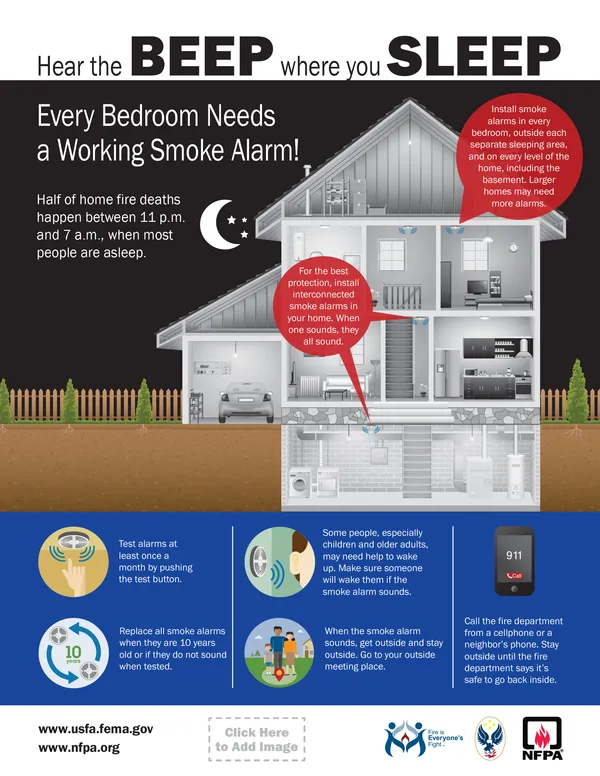
- Inside every bedroom
- Outside sleeping areas
- On every floor, including basements
- In hallways
Some places also require detectors near kitchens or garages.
Special Requirements
If you have hearing loss, there are special smoke alarms with flashing lights or vibrating pads. These are required in some rental homes by law.
How To Comply With Smoke Detector Laws
Following smoke detector laws is not difficult, but there are steps you must take.
For Homeowners
- Check your local laws. Requirements can change from city to city.
- Install smoke detectors in all required spots.
- Use the right type: Battery or hardwired, as the law says.
- Test alarms every month.
- Change batteries at least once a year, unless you have a sealed battery.
- Replace detectors every 10 years.
For Landlords
- Install detectors before renting to a new tenant.
- Explain to tenants how to test and use alarms.
- Check detectors during inspections.
- Fix broken alarms quickly.
- Keep records showing you installed and checked alarms.
For Tenants
- Test alarms every month.
- Tell your landlord right away if an alarm stops working.
- Don’t remove batteries or disable alarms.
Home Sellers
- In many places, you must show that smoke detectors are installed and working before selling.
- Some states require a certificate from the fire department.
Example Checklist
Here is a simple checklist for complying with smoke detector laws:
- Find out your local requirements.
- Buy enough detectors for every bedroom, hallway, and floor.
- Install detectors properly (follow instructions).
- Test alarms monthly.
- Change batteries as needed.
- Replace old detectors after 10 years.
- Keep proof (receipts or photos) showing you followed the law.
Common Mistakes And How To Avoid Them
Many people think they are safe, but miss important points.
1. Not Enough Detectors
Some homes only have one detector in the hallway. Most laws require detectors in each bedroom and on every floor.
2. Wrong Type
New homes often need hardwired detectors. Using only battery-powered alarms in a new home can break the law.
3. Dead Batteries
A detector with no battery is useless. Many fires happen in homes with detectors that do not work because the battery is dead or removed.
4. Poor Placement
Placing a detector too close to the kitchen may lead to false alarms. But skipping the kitchen area can leave you at risk. Follow placement guidelines.
5. Ignoring Local Rules
Laws can change from city to city. Always check your local fire department or city website.
How Smoke Detectors Help Insurance And Safety
Having smoke detectors is not only a legal requirement. It can help you with your home insurance. Many insurance companies ask if you have detectors. Some give discounts if your detectors are hardwired or monitored.
If you have a fire and your detectors are missing or not working, your insurance may not pay for damages. This is a detail many homeowners miss. Keeping your detectors in good shape helps you stay safe and keeps your insurance valid.
Real-life Examples
Saved By Smoke Detector
In 2022, a family in Texas escaped a house fire at night because their smoke detector went off. The fire started in the kitchen, and smoke spread fast. The alarm woke everyone up, and they got out safely.
Legal Trouble For Missing Detector
A landlord in New York was fined $3,000 when a tenant was hurt in a fire. The apartment had no smoke detectors. The tenant sued, and the court ordered the landlord to pay for injuries and fines.
Insurance Denied
A homeowner in California lost $50,000 in fire damage. The insurance company refused to pay because the house had no working smoke detectors, which the law required.
Non-obvious Insights Beginners Often Miss
- Detector Expiry Dates: Smoke detectors don’t last forever. Most last about 10 years. After that, the sensors can fail even if the alarm sounds when you press the test button. Many people keep old detectors and think they are safe.
- Proof of Compliance: Some cities require a certificate from the fire department or proof of installation when selling a home. Keeping records, like receipts or photos, can save trouble later.
- False Security: Many people install detectors but never test them. A detector with a dead battery or broken sensor offers no protection. Monthly testing is key.
Comparing Smoke Detector Laws: Us Vs. Uk Vs. Australia
To make it easier to understand how rules differ, here is a comparison:
| Country | New Homes | Older Homes | Rentals |
|---|---|---|---|
| United States | Hardwired detectors | Battery or hardwired | Landlord must provide |
| United Kingdom | Hardwired detectors | Battery detectors | Landlord must provide |
| Australia | Hardwired detectors | Battery detectors | Landlord must provide |
How To Choose The Right Smoke Detector
Choosing a smoke detector is not only about price. Here’s what really matters:
- Type of sensor: Choose a combination alarm for best protection.
- Power source: Hardwired with battery backup is safest.
- Battery life: Sealed 10-year batteries reduce maintenance.
- Size of home: Larger homes need more detectors.
- Special needs: For hearing loss, get alarms with lights or vibration.
Avoid buying cheap detectors from unknown brands. Look for alarms with UL (Underwriters Laboratories) approval.
Staying Up To Date With Laws
Smoke detector laws change often. New technology, fires, or safety studies can lead to updates. Check your local fire department website or news for changes. For current US laws, you can visit the NFPA Smoke Alarm Resource.
Frequently Asked Questions
Do All Homes Need Smoke Detectors By Law?
Almost all states and many countries require smoke detectors in homes. The rules depend on where you live, but most places say you must have detectors in bedrooms, hallways, and on every floor.
Who Is Responsible For Smoke Detectors In Rental Homes?
Usually, the landlord must install and check smoke detectors before renting. Tenants must test and report problems, but the landlord is responsible for repairs.
How Often Should Smoke Detectors Be Tested?
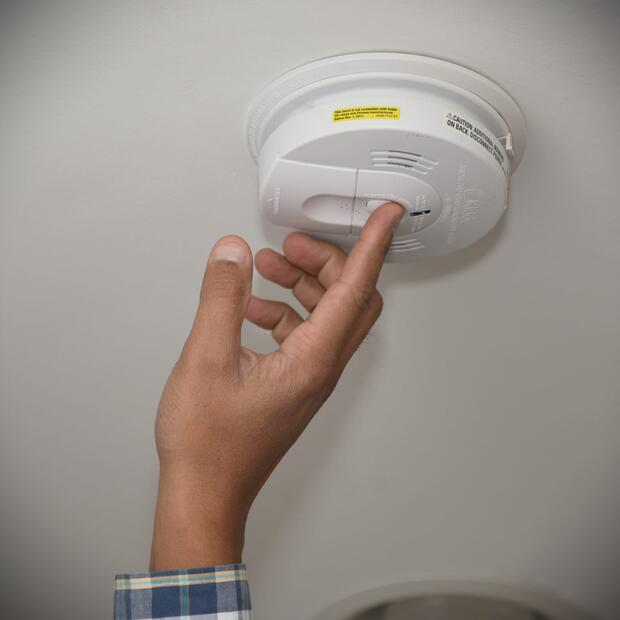
Test smoke detectors at least once a month. This makes sure the alarm works and the battery is good. Change batteries once a year unless you have sealed, long-life batteries.
What Happens If I Don’t Follow Smoke Detector Laws?
You may face fines, legal trouble, or loss of insurance coverage. If a fire happens and detectors are missing or broken, you could be held responsible for injuries or damage.
Are Special Smoke Detectors Needed For People With Hearing Loss?
Yes. Some laws require alarms with flashing lights or vibration for people who can’t hear standard alarms. These are often required in rental homes or apartments.
Smoke detectors save lives and are required by law in most places. The rules can change depending on where you live, the age of your home, and whether you rent or own. Installing and maintaining detectors is simple, but missing this step can lead to serious risks.
By understanding the laws, using the right detectors, and keeping them in good shape, you protect your family and stay on the right side of the law. Make smoke detectors a priority in your home—they are a small step with a big impact.


