A smoke detector alarm is one of the most important devices in any home or building. It can save lives by warning people about fire or smoke. But sometimes, these alarms go off when there is no real danger—like when you burn toast or take a hot shower.

Exclusive Deals
Limited-time Exclusive Deals. Check current discount on Amazon.
Check Price on Amazon As an Amazon Associate I earn from qualifying purchases.The loud sound can be stressful, especially if you do not know how to silence it quickly. This guide explains how to silence a smoke detector alarm safely, why it goes off, and what to do next. You will learn practical tips, common mistakes, and how to keep your smoke detector working properly.
You will also see examples and advice that can help you feel more confident in handling smoke detector alarms.
Why Smoke Detectors Sound Alarms
Understanding why your smoke detector sounds an alarm helps you deal with it better. There are two main reasons:
- Real emergencies: The alarm detects smoke or fire. You must act fast—leave the area and call emergency services.
- False alarms: These happen due to cooking, steam, dust, insects, or low battery. The alarm is loud even if there is no fire.
Most modern smoke detectors use two main technologies:
Exclusive Deals
Limited-time Exclusive Deals. Check current discount on Amazon.
Check Price on Amazon As an Amazon Associate I earn from qualifying purchases.- Ionization detectors: Sensitive to small smoke particles from fast-burning fires. These detectors are often triggered by tiny particles produced during cooking, even if there is no visible smoke.
- Photoelectric detectors: Better for slow, smoldering fires. They respond more to larger smoke particles, such as those from burning fabric or wood.
- Some detectors combine both. Knowing your detector type helps you understand its sensitivity and how it reacts to different sources.
Non-obvious insight: Many people do not realize that humidity and aerosols (like hair spray) can also trigger smoke detectors. If you use these products near a detector, it may go off unexpectedly.
Immediate Steps To Silence A Smoke Detector Alarm
If your smoke detector alarm starts ringing, follow these steps. The sequence depends on whether you are sure it is a false alarm.
Step 1: Check For Real Fire Or Smoke
Never assume the alarm is false. Look for:
- Visible smoke
- Burning smell
- Flames
If you notice any of these, evacuate immediately. Do not try to silence the alarm. Call 911 or your local emergency number. Even if you think the alarm is just a mistake, always check carefully. Fires can start in hidden places, such as inside walls or behind furniture.
Extra tip: If you have children or elderly people at home, help them leave first. Practice fire drills regularly so everyone knows what to do when the alarm sounds.
Exclusive Deals
Limited-time Exclusive Deals. Check current discount on Amazon.
Check Price on Amazon As an Amazon Associate I earn from qualifying purchases.Step 2: If There Is No Fire
If you are certain there is no danger, you can silence the alarm.
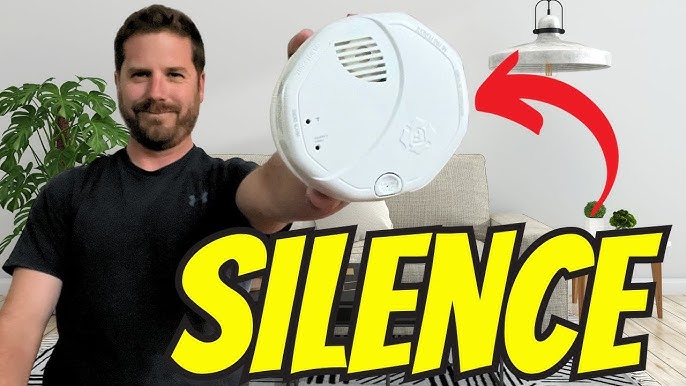
1. Press The Silence Or Reset Button
Most detectors have a silence button or reset button. It is usually marked clearly.
- Press the button firmly.
- The alarm will stop for a short time (often 8–10 minutes).
- If smoke or steam is still present, the alarm may sound again.
Some detectors require you to hold the button for several seconds. If you are unsure, check the manual or look for instructions printed on the device. Sometimes, the silence button is combined with the test button.
2. Remove Smoke Or Steam
If the alarm was triggered by cooking or shower steam:
- Open windows and doors to let fresh air in.
- Use a fan to blow smoke or steam away from the detector.
- Turn off the stove or source of steam.
- Move any burning candles away from the detector.
For homes with poor ventilation, lingering smoke or steam may cause repeated alarms. Try to create airflow by opening multiple windows or placing a fan facing outward.
3. Remove The Detector (if Needed)
If the alarm will not stop:
- Twist or slide the detector off its mounting bracket.
- Disconnect the battery or power source.
- Wait for a few minutes before reconnecting.
Warning: Removing the detector leaves you unprotected. Only do this if the alarm will not silence and you are sure there is no real fire.
Extra insight: If you have hardwired detectors, you may need to turn off the circuit breaker. Always make sure you know which circuit controls your detector before an emergency happens.
Step 3: Check For Causes Of False Alarms
Common causes include:
- Cooking smoke
- Steam from showers
- Dust or dirt inside the detector
- Insects in the detector
- Low battery
Identifying the cause helps prevent future false alarms. For example, if you notice the detector sounds only after cleaning or renovation, dust may be the culprit. If it sounds after you spray aerosol, move the detector away from those areas.
How To Silence Different Types Of Smoke Detectors
Not all smoke detectors work the same way. Here’s how to silence common types.
Battery-powered Smoke Detectors
- Find the silence or reset button.
- Press it for 3–5 seconds.
- If it does not stop, remove the battery.
Some older models do not have a silence button. In this case, removing the battery is the only option, but remember to reconnect the battery soon.
Hardwired Smoke Detectors
- Press the silence button.
- If still ringing, turn off power at the electrical panel.
- Remove the detector from its base.
Hardwired detectors are usually interconnected. Silencing one may silence all connected alarms. If multiple alarms sound, check each one for smoke or steam.
Smart Smoke Detectors
- Use the app to silence the alarm (if available).
- Press the physical silence button.
Smart detectors can also send notifications to your phone, so you know why the alarm sounded. Some models provide voice alerts, telling you the location of the alarm.
Dual Sensor Detectors
- Follow the same steps as above.
- Some dual sensor alarms are more sensitive—make sure you clear the area of smoke or steam.
Practical example: If you have a dual sensor detector near the kitchen, you may get more false alarms. Try moving it further away or switching to a photoelectric type.
Data: Smoke Detector Response Times
To understand why detectors sound, let’s look at typical response times.
| Detector Type | Typical Response Time | Sensitivity |
|---|---|---|
| Ionization | 15–30 seconds | Fast-burning fires |
| Photoelectric | 30–60 seconds | Smoldering fires |
| Dual Sensor | 15–60 seconds | Both fire types |
Ionization detectors are more likely to trigger false alarms from cooking, while photoelectric detectors are less sensitive to small amounts of smoke.
Extra tip: If you want faster response to all types of fires, use dual sensor detectors in main living areas.
Common Mistakes When Silencing Alarms
Many people make mistakes when trying to silence a smoke detector. Here are some to avoid:
- Ignoring the alarm: Never assume it’s a false alarm without checking.
- Removing batteries permanently: This leaves you unprotected.
- Disabling the detector: Only do this as a last resort.
- Covering the detector: This blocks smoke and prevents it from working.
- Not cleaning detectors: Dust and insects can cause false alarms.
Another mistake: forgetting to test the alarm after silencing. Always press the test button to make sure the detector still works.
Practical Tips For Preventing False Alarms
You can reduce false alarms with a few simple actions.
- Place detectors away from kitchens and bathrooms.
- Clean detectors every 6 months.
- Use exhaust fans when cooking or showering.
- Install photoelectric detectors near kitchens.
- Replace batteries regularly.
For homes with pets, keep detectors away from areas where pets stir up dust or hair. If you do renovations, cover detectors temporarily with a plastic bag (remove it after work).
How Often Should You Test And Maintain Smoke Detectors?
Proper maintenance is essential. The U.S. Fire Administration recommends:
- Test alarms once a month.
- Replace batteries every 6–12 months.
- Clean detectors twice a year.
- Replace detectors every 10 years.
These steps keep your alarms working and reduce false alarms.
Extra insight: When testing, use the built-in test button. Do not use real smoke, as this can leave residue and affect sensitivity.
Data: Smoke Detector Failure Rates
Let’s see how often smoke detectors fail due to lack of maintenance.
| Reason for Failure | Percentage of Cases |
|---|---|
| Dead battery | 47% |
| Disconnected | 24% |
| Failed sensor | 18% |
| Other | 11% |
Nearly half of failures happen because the battery is dead. Regular checks are important. If you travel often, set reminders to check detectors before leaving and after returning.
Quick Comparison: Silence Methods
Here’s a simple comparison of ways to silence smoke detectors.
| Method | Effectiveness | Risk Level |
|---|---|---|
| Press silence button | High | Low |
| Open windows/doors | Medium | Low |
| Remove battery | High | Medium |
| Disconnect detector | High | High |
Pressing the silence button is safest. Removing the detector or battery should be temporary. If you must remove the detector, make a note to reinstall it soon.
Real-life Examples
False alarms are common. Here are a few real examples:
- Cooking smoke: Sarah was frying chicken. Her smoke detector went off. She pressed the silence button, opened a window, and the alarm stopped.
- Shower steam: In a small apartment, John’s detector sounded after a hot shower. He used the bathroom fan and pressed the silence button. The alarm stopped after a few minutes.
- Dust from renovation: After sanding walls, Lisa’s detector went off. She cleaned the detector and reset it, stopping the alarm.
Extra example: During a birthday party, Tom’s detector sounded after candles were blown out. He waited until the smoke cleared, pressed the silence button, and the alarm stopped.
These stories show how simple actions can stop false alarms.
What To Do After Silencing A Smoke Detector Alarm
After you silence the alarm, follow these steps:
- Check the area: Make sure there is no hidden fire. Look behind furniture and appliances.
- Ventilate: Remove lingering smoke or steam.
- Inspect the detector: Clean it if needed. Use a soft brush or vacuum.
- Test the alarm: Press the test button to confirm it works.
- Replace batteries: If the alarm keeps sounding, change the battery.
These steps ensure your detector is ready for future emergencies. If the alarm sounds again after testing, consider moving or replacing the detector.
When Should You Replace A Smoke Detector?
Smoke detectors do not last forever. Replace them:
- Every 10 years (even if working)
- If they keep sounding false alarms
- If the test button fails
- If the detector is damaged
Older detectors may not respond quickly to smoke. If you see yellowing or cracks, it is time to replace them.
Choosing The Right Smoke Detector For Your Home
Picking the right smoke detector reduces false alarms and keeps you safe.
- Photoelectric detectors: Best near kitchens and bathrooms.
- Ionization detectors: Good for bedrooms and hallways.
- Dual sensor detectors: Provide broad protection.
- Smart detectors: Send alerts to your phone and allow remote silencing.
When shopping, look for UL-listed devices. This means they meet safety standards. Avoid buying detectors without certification, as they may not work properly.
Non-obvious insight: Smart detectors are useful for people with hearing problems. They can send alerts to phones or smart watches.
Smoke Detector Placement Tips
Where you place your smoke detector matters.
- Install detectors on every level of your home.
- Place one outside each sleeping area.
- Avoid placing detectors near stoves, ovens, or bathrooms.
- Mount detectors on the ceiling, at least 4 inches from the wall.
For multi-story homes, install detectors at the top and bottom of stairways. In basements, place detectors near the stairs, not near laundry appliances.

Common Questions About Smoke Detector Alarms
People often wonder about silencing alarms, maintenance, and safety. Here are answers to the most frequent questions.
Frequently Asked Questions
How Long Will A Smoke Detector Stay Silenced After Pressing The Silence Button?
Most smoke detectors stay silenced for 8–10 minutes after you press the silence button. If smoke or steam remains, the alarm may sound again. Some smart detectors let you silence the alarm for up to 15 minutes using an app.
Can I Remove The Battery To Silence The Alarm?
Yes, removing the battery will silence most battery-powered detectors. However, this leaves you unprotected. Always replace the battery and reinstall the detector as soon as possible. For hardwired detectors, you may need to turn off power at the circuit breaker.
Why Does My Smoke Detector Go Off When I Cook?
Cooking produces small smoke particles and sometimes steam, which can trigger ionization detectors. You can prevent this by using exhaust fans and keeping the detector at least 10 feet from the stove. Photoelectric detectors are less sensitive to cooking smoke.
Is It Safe To Disconnect A Smoke Detector?
It is safe to disconnect a smoke detector temporarily if you are sure there is no fire. But you should reconnect it quickly. Long-term disconnection increases your risk of missing real fires. Always check local fire safety rules before disconnecting.
What If My Smoke Detector Keeps Sounding False Alarms?
If your detector sounds false alarms often, try these steps:
- Clean the detector
- Move it away from kitchens or bathrooms
- Replace the battery
- Upgrade to a photoelectric or smart detector
If problems continue, replace the detector. For more information, visit the U.S. Fire Administration.
Final Thoughts
Silencing a smoke detector alarm is easy when you know how. Always check for real fire first. Use the silence button or ventilate the area for false alarms. Remove detectors or batteries only if needed, and reconnect them quickly. Regular maintenance prevents most false alarms.
Choose the right detector and place it wisely for fewer interruptions and more safety. Smoke detectors protect lives—keep yours working and respond wisely when it sounds. With proper care, you can trust your alarm to warn you only when it really matters.