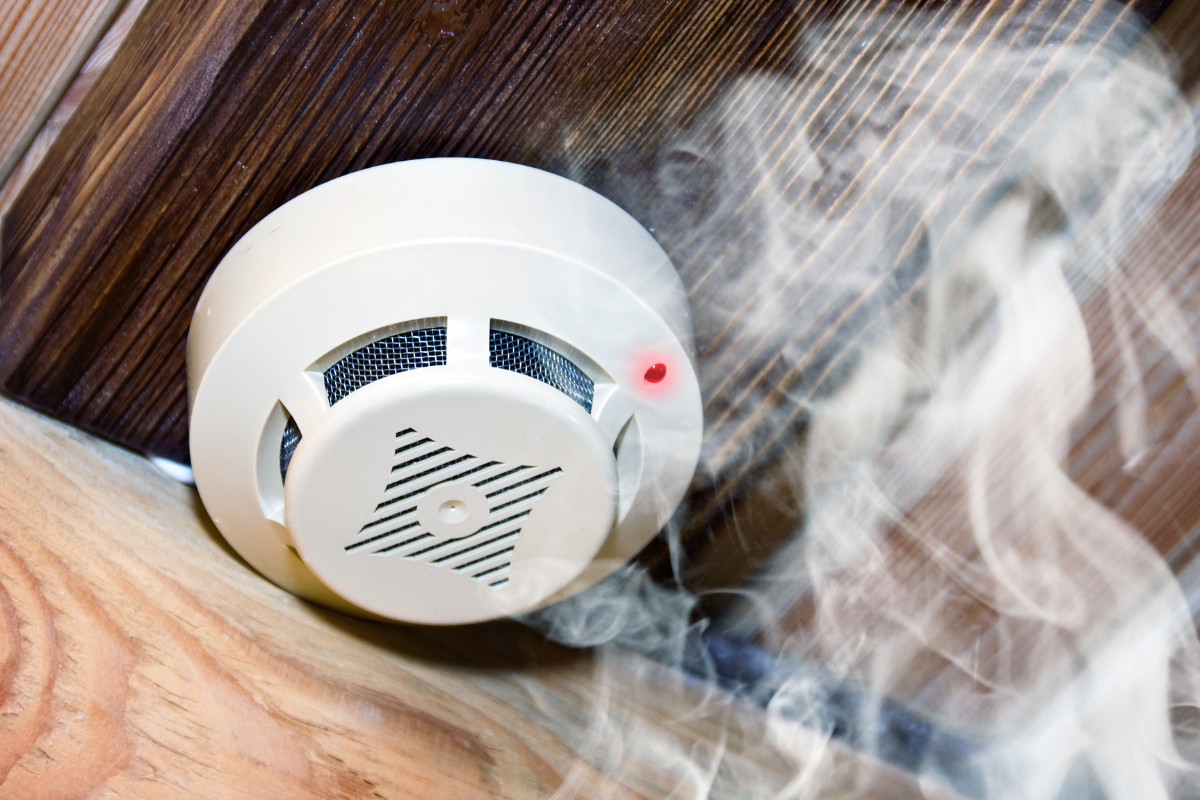
Every home and building depends on smoke detectors to warn people when there’s a fire. But how sensitive are these devices? If you’ve ever had a smoke alarm go off while cooking or wondered why some detectors don’t react to thick cigarette smoke, you’re not alone.
Sensitivity is a crucial part of smoke detector design, and understanding it can help you keep your home safe, avoid false alarms, and know when your smoke detectors are working as they should. Let’s explore how sensitive smoke detectors really are, what affects their performance, and how you can make sure yours are set up to protect you and your family.
What Does Sensitivity Mean In Smoke Detectors?
Sensitivity is the detector’s ability to react to smoke or fire particles in the air. In simple terms, it’s about how quickly and easily the detector sounds an alarm when smoke is present. High sensitivity means the detector responds to even small amounts of smoke. Low sensitivity means it needs more smoke to activate.
Exclusive Deals
Limited-time Exclusive Deals. Check current discount on Amazon.
Check Price on Amazon As an Amazon Associate I earn from qualifying purchases.But sensitivity isn’t just about being “strong” or “weak. ” It’s a balance. Too sensitive, and the detector will go off for minor things like burnt toast. Not sensitive enough, and it might not warn you soon enough in a real fire.
Types Of Smoke Detectors And Their Sensitivity
There are two main types of smoke detectors used in homes and businesses:
- Ionization smoke detectors
- Photoelectric smoke detectors
Each type has a different way of sensing smoke, which affects their sensitivity.
Ionization Smoke Detectors
These detectors use a small amount of radioactive material to create an electric current between two plates. When smoke enters, it disrupts the current, triggering the alarm. Ionization detectors are:
Exclusive Deals
Limited-time Exclusive Deals. Check current discount on Amazon.
Check Price on Amazon As an Amazon Associate I earn from qualifying purchases.- Very sensitive to small smoke particles, often found in fast, flaming fires.
- Less sensitive to larger smoke particles, like those from smoldering fires.
Photoelectric Smoke Detectors
Photoelectric detectors use a light beam and a sensor. When smoke crosses the beam, it scatters the light onto the sensor, which sets off the alarm. Photoelectric detectors are:
- Sensitive to larger smoke particles from slow, smoldering fires.
- Less likely to trigger false alarms from cooking smoke.
Comparison Of Detector Sensitivity
Here’s a simple comparison table showing how each type reacts to different fires:
| Detector Type | Fast Flaming Fires | Smoldering Fires | Cooking Smoke |
|---|---|---|---|
| Ionization | High sensitivity | Low sensitivity | High false alarms |
| Photoelectric | Medium sensitivity | High sensitivity | Low false alarms |
How Smoke Detector Sensitivity Is Measured
Manufacturers use standards to measure sensitivity. In the United States, detectors must meet the UL 217 standard for home use.
Exclusive Deals
Limited-time Exclusive Deals. Check current discount on Amazon.
Check Price on Amazon As an Amazon Associate I earn from qualifying purchases.Sensitivity is usually measured by:
- Smoke density: The level of smoke (measured as obscuration per meter) needed to trigger the alarm.
- Response time: How quickly the detector activates after smoke enters.
A typical detector will sound the alarm when smoke density reaches 1.5% to 3% obscuration per meter. This means if smoke blocks 1.5%–3% of light in a meter-long space, the detector should react.
Data Table: Smoke Density Activation
| Smoke Detector Type | Activation Smoke Density (%/meter) | Typical Response Time (seconds) |
|---|---|---|
| Ionization | 1.5–2.5 | 15–30 |
| Photoelectric | 2.0–3.0 | 20–60 |
Non-obvious insight: The response time isn’t always the same even for the same density. Factors like air flow and humidity can change how quickly a detector reacts.
What Factors Affect Smoke Detector Sensitivity?
Many things can change how sensitive a smoke detector is. Some are built-in, and others depend on where and how you install your detector.
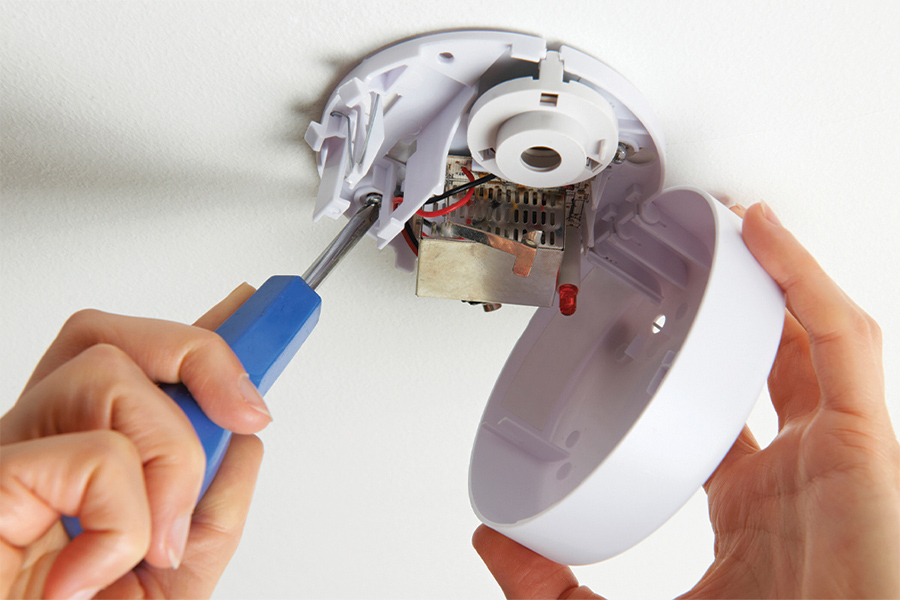
1. Age And Dirt Buildup
Over time, dust, insects, and grease can block sensors. This lowers sensitivity and can cause detectors to miss real fires.
- Detectors should be cleaned every 6–12 months.
- After 10 years, most detectors lose accuracy and should be replaced.
2. Environmental Conditions
Humidity, temperature, and air movement can all affect sensitivity:
- High humidity may cause false alarms, especially for ionization types.
- Low temperatures can slow down sensor reactions.
- Strong air currents can push smoke away from the detector, delaying activation.
3. Placement And Installation
Where you put your smoke detector matters:
- Placing detectors near kitchens or bathrooms increases false alarms.
- Installing detectors too close to windows or vents lowers sensitivity to actual fires.
4. Power Source
Battery-powered detectors may lose sensitivity as batteries weaken. Wired detectors may be more reliable but still need regular testing.
5. Type And Quality
Higher-quality detectors from trusted brands are usually more stable and reliable. Cheap or old models often have inconsistent sensitivity.
6. Smoke Type
Not all smoke is equal. Thick, oily smoke from cooking may trigger a detector differently than thin, dry smoke from burning paper.
Non-obvious insight: Some newer detectors can be adjusted for sensitivity, but setting them too low or high can be dangerous. Always follow manufacturer instructions.
False Alarms Vs. Missed Alarms: The Sensitivity Balance
A smoke detector that is too sensitive will cause false alarms. This can be annoying and may lead people to disable the device, which is risky. On the other hand, a detector that isn’t sensitive enough can miss actual fires.
Common Causes Of False Alarms
- Cooking smoke or steam
- Dust or insects inside the detector
- High humidity
Common Causes Of Missed Alarms
- Old or dirty detectors
- Poor placement (too far from fire sources)
- Weak batteries
Practical tip: If you get frequent false alarms, clean your detector and check placement. If your detector rarely goes off, test it with smoke from a match or smoke test spray.
Sensitivity Standards And Regulations
Smoke detectors are regulated to ensure they work well and keep people safe. The UL 217 standard sets rules for home detectors, while UL 268 covers commercial devices.
These standards require:
- Response to a set amount of smoke in a fixed time
- Resistance to common false alarm causes
- Clear instructions for installation and maintenance
Sensitivity Testing Table
Manufacturers use controlled tests to check sensitivity:
| Test Condition | Required Detector Response | Pass/Fail Criteria |
|---|---|---|
| Normal room air | No alarm | Must not trigger |
| Set smoke density | Alarm within 60 sec | Must trigger |
| Steam/humidity | No alarm | Must not trigger |
Real-world Examples: How Sensitive Are Smoke Detectors?
Let’s look at some practical examples:
- Burnt toast in the kitchen: If the smoke rises directly to the detector, most ionization alarms will sound within 30 seconds. Photoelectric detectors may not react unless the smoke is thick.
- Cigarette smoke: Most detectors do not react unless smoke is blown directly onto the sensor, because cigarette smoke is not dense enough.
- Smoldering sofa fire: Photoelectric detectors will usually sound within 60 seconds. Ionization may take longer unless there are flames.
Data: Fire Response Times
According to the National Fire Protection Association (NFPA), smoke detectors reduce fire deaths by over 50% when used correctly. Early warning is critical, and sensitivity makes the difference between escaping and being trapped.
How To Test Smoke Detector Sensitivity
You can check your detector’s sensitivity using simple methods:
- Press the test button: This checks the alarm sound, not sensitivity.
- Use smoke test spray: Available at hardware stores, this simulates real smoke.
- Light a match or candle and blow it out under the detector: If it doesn’t react within 30–60 seconds, it may need cleaning or replacing.
Steps For Proper Testing
- Inform everyone in your home that you are testing alarms.
- Use smoke test spray or a blown-out match near the detector.
- Wait up to 60 seconds for the alarm to sound.
- If there is no response, clean the detector and test again.
- Replace batteries if needed. If still unresponsive, replace the detector.
Improving Smoke Detector Sensitivity And Reliability
If you want your smoke detectors to work well, follow these tips:
- Clean regularly: Remove dust, cobwebs, and insects every 6–12 months.
- Test monthly: Use the button and smoke tests.
- Replace batteries: Change batteries every year, even if not dead.
- Install correctly: Place detectors on ceilings, away from kitchens and bathrooms.
- Use both types: Ionization and photoelectric detectors cover different fire risks.
- Upgrade after 10 years: Older detectors lose sensitivity.
Expert advice: For the best protection, install one detector in each bedroom, hallway, and on every floor. Don’t forget basements and attics.

Advanced Smoke Detectors: Adjustable Sensitivity And Smart Features
Newer smoke detectors come with advanced features:
- Adjustable sensitivity: Some models let you set sensitivity for different rooms.
- Smart detectors: Connect to Wi-Fi, send alerts to your phone, and self-test.
- Dual-sensor detectors: Combine ionization and photoelectric sensors for wider coverage.
These features can reduce false alarms and improve reliability, but they must be installed and set up correctly.
Non-obvious insight: Smart detectors may seem better, but if Wi-Fi or power fails, they may lose sensitivity or miss alarms. Always keep backup detectors.
Common Mistakes When Dealing With Detector Sensitivity
Many people make mistakes with smoke detectors, which affects safety.
- Ignoring regular cleaning: Dust buildup lowers sensitivity.
- Placing detectors in wrong spots: Kitchens and bathrooms cause false alarms.
- Not testing often: Waiting until the alarm fails can be dangerous.
- Disabling detectors after false alarms: This leaves you unprotected.
- Using old detectors: After 10 years, sensitivity drops, even if the alarm still sounds.
Smoke Detector Sensitivity In Commercial Buildings
Commercial detectors follow stricter standards. They are often more sensitive and can be adjusted for large spaces.
- Systems use central monitoring and can alert fire departments automatically.
- Commercial detectors are tested more often and cleaned by professionals.
- Sensitivity can be set higher in areas with valuable equipment.
Data: Commercial Detector Performance
Commercial smoke detection systems can sense fires within 10–20 seconds, even in large rooms. This quick response is important for safety and protecting property.
Myths About Smoke Detector Sensitivity
Some common beliefs aren’t true:
- “All detectors are equally sensitive.” False. Types and brands vary.
- “More sensitive detectors are always better.” Not true. Too much sensitivity causes false alarms and makes people ignore warnings.
- “Detectors don’t need maintenance.” Wrong. Dust, insects, and age affect sensitivity.
Experience-based tip: Always read your detector’s manual. Settings and maintenance needs can be different for each model.
How Smoke Detector Sensitivity Saves Lives
The right sensitivity can be the difference between life and death. If a detector warns you early, you have more time to escape. According to the NFPA, most fire deaths happen at night when people are sleeping. A sensitive detector can wake you before smoke gets thick.
Fire Statistics
- Homes with working smoke detectors have half the fire death rate of homes without them.
- Three out of five fire deaths happen in homes with no detectors or non-working detectors.
Key takeaway: Sensitivity isn’t just about technology. It’s about keeping people safe, especially children and the elderly who may not react quickly.
Frequently Asked Questions
How Can I Tell If My Smoke Detector Is Too Sensitive?
If your alarm goes off often from cooking, steam, or small amounts of smoke, it may be too sensitive. Try cleaning it or moving it farther from kitchens and bathrooms. Some detectors let you adjust sensitivity, but always follow manufacturer instructions.
Why Does My Smoke Detector Not React To Cigarette Smoke?
Most smoke detectors are not designed to respond to cigarette smoke, which is less dense than smoke from fires. Unless you blow smoke directly into the sensor, it usually will not trigger the alarm.
Can I Adjust The Sensitivity Of My Smoke Detector?
Some newer models allow sensitivity adjustments, but most home detectors do not. If you need to adjust, check your manual or consider upgrading to a model with this feature. Changing settings incorrectly can reduce safety.
How Often Should I Test My Smoke Detector’s Sensitivity?
Test your smoke detector every month using the test button and a smoke test (match or spray). Clean the detector every 6–12 months, and replace it every 10 years.
Are Smart Smoke Detectors More Sensitive Than Regular Ones?
Smart smoke detectors may offer better features, like self-testing and alerts, but their sensitivity is similar to regular detectors. The main advantage is convenience and extra alerts, not higher sensitivity. Always use backup detectors in case of power or Wi-Fi failure.
—
Smoke detectors are one of the most important safety devices in any home or building. Their sensitivity is carefully designed to protect you from real fires without causing unnecessary alarms. Understanding how sensitive your smoke detector is, what affects its performance, and how to maintain it can help you stay safe. Always test, clean, and replace detectors as needed. If you want more technical details, you can check the National Fire Protection Association for up-to-date fire safety standards and research. Remember, a well-maintained and properly placed smoke detector saves lives.