Ring Alarm vs Abode: Ring wins for ease and price; Abode wins for flexibility and local control.
Exclusive Deals
Limited-time Exclusive Deals. Check current discount on Amazon.
Check Price on Amazon As an Amazon Associate I earn from qualifying purchases.I’ve spent years testing DIY home security systems and advising homeowners on smart-home choices. This Ring Alarm vs Abode guide breaks down real differences you’ll care about: hardware, monitoring, integrations, privacy, and long-term costs. Read on if you want a clear, practical, and experience-backed comparison to pick the system that fits your home and values.

Quick comparison: Ring Alarm vs Abode — core differences and use cases
Ring Alarm vs Abode target slightly different users. Ring Alarm focuses on low cost, simple setup, and tight integration with Ring cameras. Abode aims at power users who want flexible device support, local automation, and third-party integrations.
Key contrasts at a glance
Exclusive Deals
Limited-time Exclusive Deals. Check current discount on Amazon.
Check Price on Amazon As an Amazon Associate I earn from qualifying purchases.- Ease of use: Ring Alarm is straightforward and beginner-friendly.
- Flexibility: Abode supports a wider range of third-party sensors and Z-Wave devices.
- Monitoring: Ring offers low-cost cloud monitoring; Abode offers optional professional monitoring and local automation.
- Privacy: Abode gives more control and local options; Ring is cloud-centric with company-managed accounts.
My experience: I installed both systems in different homes. Ring Alarm was faster to set up and cheaper month-to-month. Abode required more tuning but gave me finer control, especially where I wanted local rules and non-Ring sensors.

Hardware and sensors: what each system offers
Ring Alarm vs Abode differ in device selection and compatibility.
Ring Alarm hardware
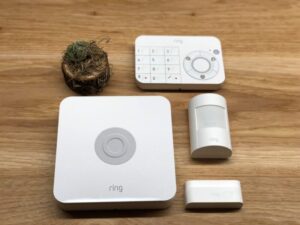
- Base station and contact sensors designed to pair easily.
- Motion sensors optimized for pet tolerance.
- Keypad and range extender options.
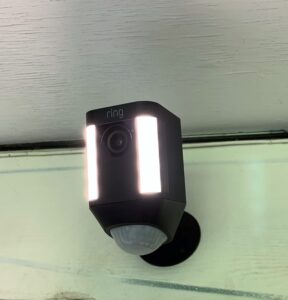
- Strong native pairing with Ring cameras.
Abode hardware
Exclusive Deals
Limited-time Exclusive Deals. Check current discount on Amazon.
Check Price on Amazon As an Amazon Associate I earn from qualifying purchases.- Gateway and wide sensor range that supports Z-Wave and Zigbee.
- Door/window sensors, motions, and environmental sensors.
- Works well with third-party sensors and smart locks from many brands.
Practical notes
- If you already own Z-Wave or Zigbee devices, Abode will likely accept them.
- If you want a single-brand ecosystem with easy camera pairing, Ring Alarm is simpler.
Installation and setup: speed vs customization
Ring Alarm vs Abode setup paths are different.
Ring Alarm setup
- App-guided. Most users complete setup in 20–30 minutes.
- Hardware auto-pairs; simple mounting options.
- Cloud-first configuration means fewer local settings.
Abode setup
- More steps if adding third-party devices or advanced rules.
- Offers local automation and optional advanced configuration.
- Takes longer but rewards users who want custom scenes and third-party gear.
Tip from experience: If you want everyone in the house to operate the system quickly, Ring Alarm’s simple interface reduces confusion. If you like to tinker, Abode’s setup time is time well spent.
Monitoring, subscriptions, and hidden costs
Ring Alarm vs Abode both are DIY-first but use different business models.
Monitoring plans and pricing
- Ring Alarm offers a low-cost monthly plan that adds professional monitoring and video recording.
- Abode has multiple tiers, including a plan with local automation and full cloud monitoring. Abode’s high tiers include more advanced integrations.
Hidden costs to watch for
- Add-on sensor prices and extras for either system.
- Video storage costs if you use cameras intensively.
- Professional monitoring contracts or long-term discounts.
Practical guidance
- Calculate 12–24 month total cost: hardware + subscription + extra sensors.
- For budget buyers, Ring Alarm often costs less monthly. For advanced setups, Abode’s flexibility can justify higher fees.
Smart home integration and automation
Ring Alarm vs Abode differ in ecosystem openness.
Ring Alarm integrations
- Tight integration with Ring and Amazon ecosystems.
- Works with Ring cameras and Alexa. Routine-based automations are simple.
- Less native support for Z-Wave or Zigbee devices outside the Ring family.
Abode integrations
- Robust support for Z-Wave and Zigbee devices.
- Works with many third-party brands and services.
- Offers local rules to run automations even if cloud access fails.
Example use cases
- Ring Alarm: arm your alarm when you say “goodnight” to Alexa and view camera clips instantly.
- Abode: run a local rule to lock a non-proprietary smart lock and turn off lights without cloud latency.
Security, privacy, and data control
Security and privacy are core differences when comparing Ring Alarm vs Abode.
Privacy posture
- Ring Alarm relies heavily on cloud services for recording and remote access. That means convenience but less local control.
- Abode prioritizes local automation and gives options for how and where your data flows.
Security features
- Both systems encrypt communications and offer account-level controls.
- Abode’s local options reduce reliance on company servers during outages.
- Ring’s broad user base attracts more scrutiny; they have robust update cycles but also more public privacy concerns historically.
My take: If local control and minimal cloud dependency matter, choose Abode. If you accept cloud services for ease and integration with Ring cameras, Ring Alarm is fine.
Performance and reliability in real homes
Real-world testing shows practical differences in Ring Alarm vs Abode reliability.
Sensor behavior
- Ring Alarm sensors are consistent for typical door/window and motion events.
- Abode’s compatibility with many devices can introduce variability if mixing brands, but well-chosen hardware is stable.
Connectivity and uptime
- Ring’s system is cloud-centric and performs well with stable internet.
- Abode’s local automation can maintain security rules during internet outages.
Personal example: During a short ISP outage, my Abode system kept running local arming rules and triggered alarms; the Ring setup lost remote control until my internet returned.
Pros and cons: concise view
Pros of Ring Alarm
- Low cost to start.
- Fast setup and easy app.
- Excellent camera pairing if you use Ring cameras.
Cons of Ring Alarm
- Heavy cloud reliance.
- Less support for non-Ring devices.
- Ongoing privacy concerns for some users.
Pros of Abode
- Wide device compatibility.
- Local automation and greater privacy control.
- Good for advanced smart-home users.
Cons of Abode
- Can be more expensive for advanced features.
- Setup and tuning require more effort.
- Some third-party device quirks possible.
Which should you choose: scenarios and recommendation
When to pick Ring Alarm vs Abode depends on your priorities.
Choose Ring Alarm if
- You want quick setup and lower monthly cost.
- You already use Ring cameras or Alexa.
- You prefer minimal maintenance and a simple app.
Choose Abode if
- You want local control, Z-Wave/Zigbee support, and deeper automation.
- You plan to mix many third-party devices.
- Privacy and local failover matter to you.
My recommendation: For most renters or first-time buyers, start with Ring Alarm for its simplicity. For tech-savvy owners or those with existing smart devices, Abode delivers more long-term flexibility.
Cost comparison checklist
Compare total costs before you buy.
Consider these items
- Initial kit price for Ring Alarm vs Abode.
- Number of extra sensors you need.
- Monthly monitoring and video storage fees.
- Replacement and battery costs over 3–5 years.
- Any professional installation fees (rare for these DIY systems).
Practical budgeting tip: Add 25% to your hardware estimate for extra sensors and two years of monitoring. This avoids surprises.
Integration examples and real setups
Two real setups from my experience.
Simple starter home (Ring Alarm)
- Base kit, two contact sensors, one motion sensor, Ring stick-up camera.
- Setup completed in 30 minutes. Monthly bill low. Great for renters.
Advanced smart home (Abode)
- Abode gateway, Z-Wave locks, smart thermostat, third-party sensors, and local rules.
- Took several evenings to tune automations. Result: reliable local automations and broad device control.
Practical tips and mistakes to avoid
From hands-on tests and installs.
Tips
- Test sensors before mounting to avoid rework.
- Map sensor placement on paper to avoid blind spots.
- Keep backups of admin credentials and enable two-factor authentication.
Mistakes to avoid
- Don’t buy the cheapest sensors without checking compatibility.
- Don’t assume cloud-only systems work during outages if local control matters.
- Avoid mixing too many third-party brands without reading compatibility notes.
Frequently Asked Questions of Ring Alarm vs Abode
What is the main difference between Ring Alarm vs Abode?
The main difference is ecosystem focus: Ring Alarm favors simple, cloud-first setups with Ring camera integration, while Abode emphasizes local control and broad third-party device compatibility. This makes Ring easier and Abode more flexible.
Which system is cheaper to run monthly: Ring Alarm vs Abode?
Ring Alarm usually has lower monthly monitoring and cloud fees for basic plans. Abode can be costlier at higher tiers but offers features like local automation that may justify the price for power users.
Can I use non-brand sensors with Ring Alarm vs Abode?
Ring Alarm works best with its native devices and selected compatible sensors. Abode supports many Z-Wave and Zigbee devices, so it has wider third-party compatibility.
Which system is better for privacy: Ring Alarm vs Abode?
Abode offers better local control and fewer mandatory cloud dependencies, which tends to improve privacy. Ring relies more on cloud services and centralized accounts.
Which system is easier to install: Ring Alarm vs Abode?
Ring Alarm is generally easier and faster to install thanks to streamlined app guidance. Abode can take longer if you add third-party devices or complex rules.
Will Ring Alarm vs Abode work during internet outages?
Abode can continue to run local automations during outages if configured for local control. Ring Alarm is more cloud-dependent and may lose some remote features until internet access returns.
Conclusion
Ring Alarm vs Abode gives you two strong DIY security choices. Ring Alarm wins for simplicity, fast setup, and cost. Abode wins for device flexibility, local control, and privacy-focused users. Decide by listing what matters most: ease and price or integration and local control.
Takeaway: Match your choice to your lifestyle. If you want a quick, budget-friendly system, choose Ring Alarm. If you want deep customization and local rules, pick Abode. Try a starter kit, test sensors, and compare monthly plans to make a confident choice.
If this helped, leave a comment about your setup, subscribe for more hands-on comparisons, or ask a question below.