Outdoor sirens deter intruders outside; indoor sirens notify and guide people inside.
Exclusive Deals
Limited-time Exclusive Deals. Check current discount on Amazon.
Check Price on Amazon As an Amazon Associate I earn from qualifying purchases.I’ve worked with security systems for years, installing and testing both outdoor and indoor alarms. This guide breaks down Outdoor Siren vs Indoor Siren with clear definitions, real-world pros and cons, technical specs, installation tips, and practical advice so you can make a confident choice for your home or business.

Source: arlo.com
Outdoor Siren vs Indoor Siren: What they are and why they matter
An outdoor siren is a loud alert device made to warn neighbors and deter intruders from outside a property. An indoor siren is placed inside to alert occupants and trigger internal responses like lights or local panic. Both devices often link to alarm panels, monitoring services, or smart home systems and serve different but complementary roles in a security plan.
Outdoor Siren vs Indoor Siren matters because each type addresses different risks. External visibility and loudness reduce crime risk at the perimeter. Indoor alerts improve occupant response time and reduce confusion during an event. Knowing how each works helps you design a layered and effective security system.
Exclusive Deals
Limited-time Exclusive Deals. Check current discount on Amazon.
Check Price on Amazon As an Amazon Associate I earn from qualifying purchases.
Source: amazon.com
Outdoor Siren vs Indoor Siren: Key differences at a glance
Here are the core differences to understand when comparing Outdoor Siren vs Indoor Siren.
- Sound level and purpose: Outdoor sirens focus on high decibels to deter and notify the public. Indoor sirens focus on clarity for occupants and integration with home alerts.
- Weatherproofing and housing: Outdoor sirens are built to resist rain, temperature swings, and UV. Indoor sirens are designed for aesthetics and sound clarity.
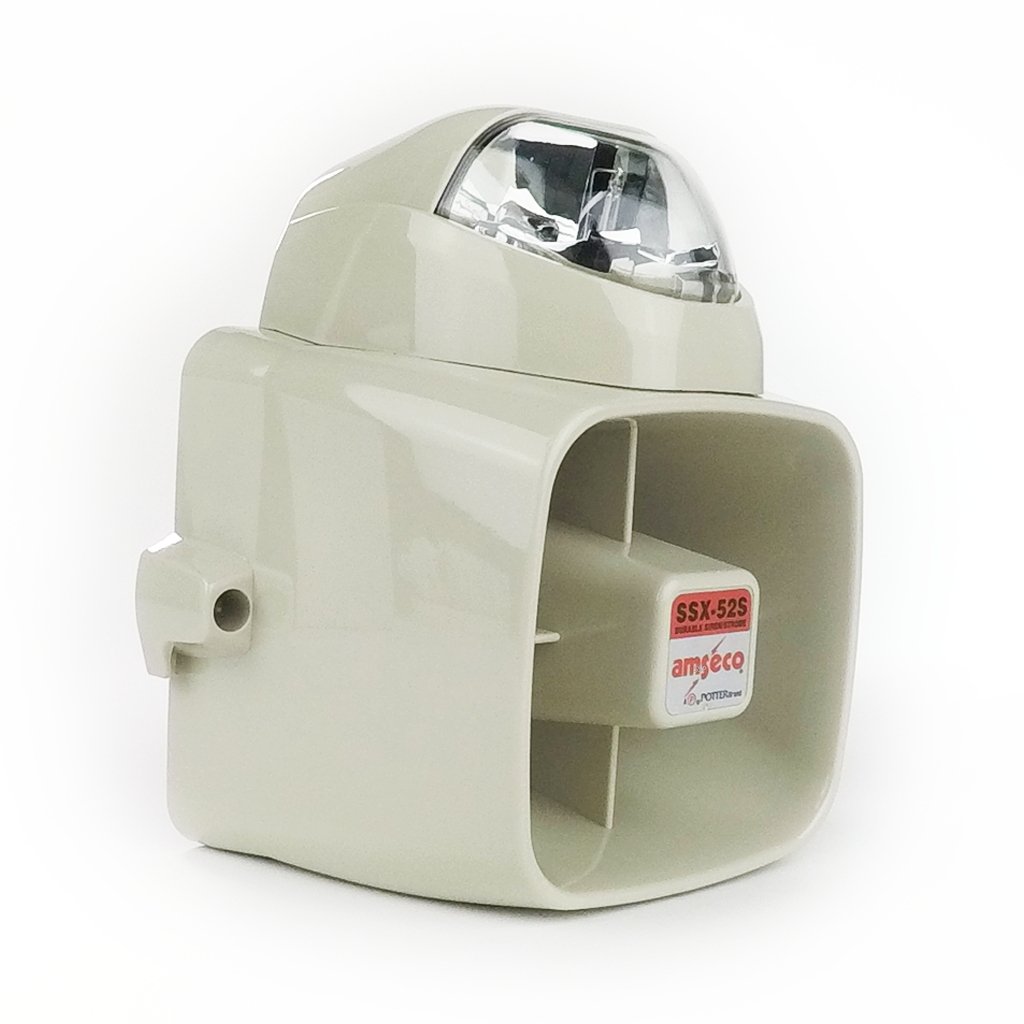
- Visibility and deterrence: Many outdoor units include flashing lights and visible housings to act as a crime deterrent. Indoor sirens are usually out of sight or matched to interior decor.
- Power and installation: Outdoor sirens often require harder wiring or robust battery solutions and may need a separate power source. Indoor sirens can be simpler to wire or battery operated.
- Sound patterns and signaling: Outdoor sirens may have louder, continuous tones; indoor sirens use varied chimes, voice prompts, or distinct tones for burglar, fire, or panic.

Source: arlo.com
Technical specs to compare for Outdoor Siren vs Indoor Siren
Focus on these technical details when evaluating units.
- Decibel ratings: Outdoor sirens often range from 100 to 120+ dB. Indoor sirens usually sit between 70 and 100 dB for safe, clear alerts.
- Frequency and tone: Outdoor units favor low to mid frequencies that carry far. Indoor units use frequencies chosen for clarity in closed spaces.
- IP rating and weather resistance: Outdoor sirens commonly have IP65 or higher ratings. Indoor sirens usually don’t need weatherproofing.
- Power options: Outdoor sirens may use mains, separate batteries, or solar backup. Indoor sirens commonly use mains with battery backup or wireless batteries.
- Connectivity: Many modern sirens support wired alarm panels, wireless transceivers, or smart home protocols like Z-Wave or Wi‑Fi.
Source: abilenecityhall.com
Exclusive Deals
Limited-time Exclusive Deals. Check current discount on Amazon.
Check Price on Amazon As an Amazon Associate I earn from qualifying purchases.Benefits and limitations of Outdoor Siren vs Indoor Siren
Outdoor siren benefits
- Strong deterrent effect visible to passersby.
- Long-range sound not limited by walls.
- Often includes bright strobe lights to increase noticeability.
Outdoor siren limitations
- Can trigger neighborhood complaints if not well managed.
- Weather exposure increases maintenance needs.
- Higher installation complexity and cost.
Indoor siren benefits
- Clear immediate alert for occupants to act fast.
- Ability to use voice messages or multi-tone signals.
- Easier installation and lower maintenance.
Indoor siren limitations
- Less useful for deterring intruders outside.
- Sound can be muffled in large homes or noisy environments.
- Risk of occupants not hearing siren if doors are closed or hearing impaired.

Source: amazon.com
Installation and placement best practices for Outdoor Siren vs Indoor Siren
Correct placement is essential for each siren type.
Outdoor placement tips
- Mount high on an exterior wall facing the street for best deterrence.
- Avoid placing directly under eaves that block sound projection.
- Ensure wiring runs are protected and sealed against moisture.
Indoor placement tips
- Place central to living areas or near sleeping rooms.
- Avoid areas with heavy background noise like HVAC units.
- Consider multi-zone indoor sirens for large homes.
Wiring and wireless considerations
- Verify power needs and local code for outdoor mains wiring.
- For wireless systems, ensure strong signal between panel and siren.
- Use tamper switches and supervised connections to avoid false negatives.
Source: alarmsystemstore.com
Legal, neighborhood, and nuisance considerations for Outdoor Siren vs Indoor Siren
Laws and community rules affect outdoor siren use.
- Noise ordinances: Some towns limit siren volume or hours of activation.
- Permit requirements: Local codes may require permits for permanent outdoor alarms.
- False alarm penalties: Repeated false alerts can lead to fines or service restrictions.
- Neighborhood relations: Communicate installation plans with neighbors to avoid disputes.
Respecting these rules keeps your system effective and reduces liability. Check local regulations before choosing an outdoor siren and plan for reliable sensors to minimize false alarms.

Source: amazon.com
Cost, maintenance, and expected lifespan for Outdoor Siren vs Indoor Siren
Budget and upkeep differ between types.
- Typical cost range: Indoor sirens often cost less and can start under $50. Outdoor professional-grade sirens commonly range $100–$500 or more.
- Maintenance tasks: Outdoor sirens need periodic checks for corrosion, seals, and battery backups. Indoor sirens need battery checks and firmware updates.
- Lifespan: Quality outdoor sirens can last 7–15 years with maintenance. Indoor sirens often last 5–10 years depending on usage and electronics.
Plan maintenance schedules and budget for replacement and professional inspections for outdoor installations.
Source: burlesontx.com
How to choose between Outdoor Siren vs Indoor Siren: a practical checklist
Use this checklist to guide your decision between Outdoor Siren vs Indoor Siren.
- What do you want to protect: perimeter, interior, or both?
- Neighborhood layout: are neighbors close or is the street traffic sparse?
- Local laws: check noise and permit rules first.
- Budget and installation complexity: factor labor and wiring.
- Integration needs: does the siren need smart home or monitoring compatibility?
- Power reliability: will you use mains, battery, or solar backup?
PAA-style questions (short answers)
Will an outdoor siren alert neighbors better than an indoor siren?
Yes. An outdoor siren is louder and designed to be heard across streets and lots. It raises public awareness and helps deter intruders.
Can an indoor siren replace an outdoor siren?
Not fully. An indoor siren alerts occupants quickly but will not deter criminals outside or notify distant neighbors. Many setups use both for full coverage.
Is installing an outdoor siren complicated?
It can be. Outdoor siren installation often needs weatherproof wiring, mounting at height, and code compliance. Hiring a professional is usually safer and more reliable.

Source: amazon.com
My experience, lessons learned, and practical tips about Outdoor Siren vs Indoor Siren
I’ve installed both siren types in homes and small businesses. A few lessons stood out.
- Always site the outdoor siren where it is visible. I once mounted a unit behind a large tree and lost deterrence value. Visibility matters.
- Use supervised connections. A battery-only outdoor siren without supervision can fail unnoticed. Supervision prevents silent failures.
- Test frequently and document results. I keep a simple log after each inspection and it saved time during a neighborhood alarm review.
- Combine both sirens when possible. In one house I protected, the outdoor siren scared off a prowler while the indoor siren got family to safety quickly.
Practical tips
- Use voice-capable indoor sirens for complex alerts (fire vs intrusion).
- Consider low-volume strobe options if you live in a dense neighborhood.
- Factor in maintenance costs before choosing the cheapest unit.
Frequently Asked Questions of Outdoor Siren vs Indoor Siren
What volume should an outdoor siren be?
Outdoor sirens should generally be 100–120 dB to ensure long-range notice. Check local noise laws to ensure compliance.
Do indoor sirens need to be loud?
Indoor sirens should be loud enough to wake sleepers and alert occupants, typically 70–100 dB. Use multi-tone or voice alerts for clarity.
Can a single siren serve both indoor and outdoor needs?
A single unit rarely serves both jobs well because outdoor units need weatherproofing and range while indoor units focus on clarity. Using separate units is usually best.
How often should I test my sirens?
Test monthly for function and annually for full inspection, including batteries and wiring. More frequent testing is wise in extreme climates.
Are wireless sirens reliable for outdoor use?
Wireless outdoor sirens can be reliable when designed for exterior deployment and with strong signal strength. Choose devices with supervision and strong range specifications.
Will outdoor sirens attract false alarms from animals or weather?
Poorly configured sensors can cause false alarms, but the siren itself typically reacts only to system triggers. Proper sensor placement and settings reduce false activations.
Conclusion
Choosing between Outdoor Siren vs Indoor Siren means matching goals to gear. Outdoor sirens excel at deterrence and public alerting, while indoor sirens focus on occupant safety and clear communication. Use both when possible for layered protection. Decide based on your property, local rules, budget, and integration needs, and follow best practices for placement and maintenance. If you found this useful, try auditing your current system, share your experience in the comments, or subscribe for more practical security guides.