Alarm systems stop intrusions; security cameras record proof and help identify suspects quickly.
Exclusive Deals
Limited-time Exclusive Deals. Check current discount on Amazon.
Check Price on Amazon As an Amazon Associate I earn from qualifying purchases.I’ve worked with home and small-business security for years, so I know how people ask: which is better, an alarm system or security camera? This article breaks down Alarm System vs Security Camera with clear definitions, real-world pros and cons, costs, installation tips, and how to choose or combine both for stronger protection. Read on for practical advice you can apply today.

What each system is and why the comparison matters
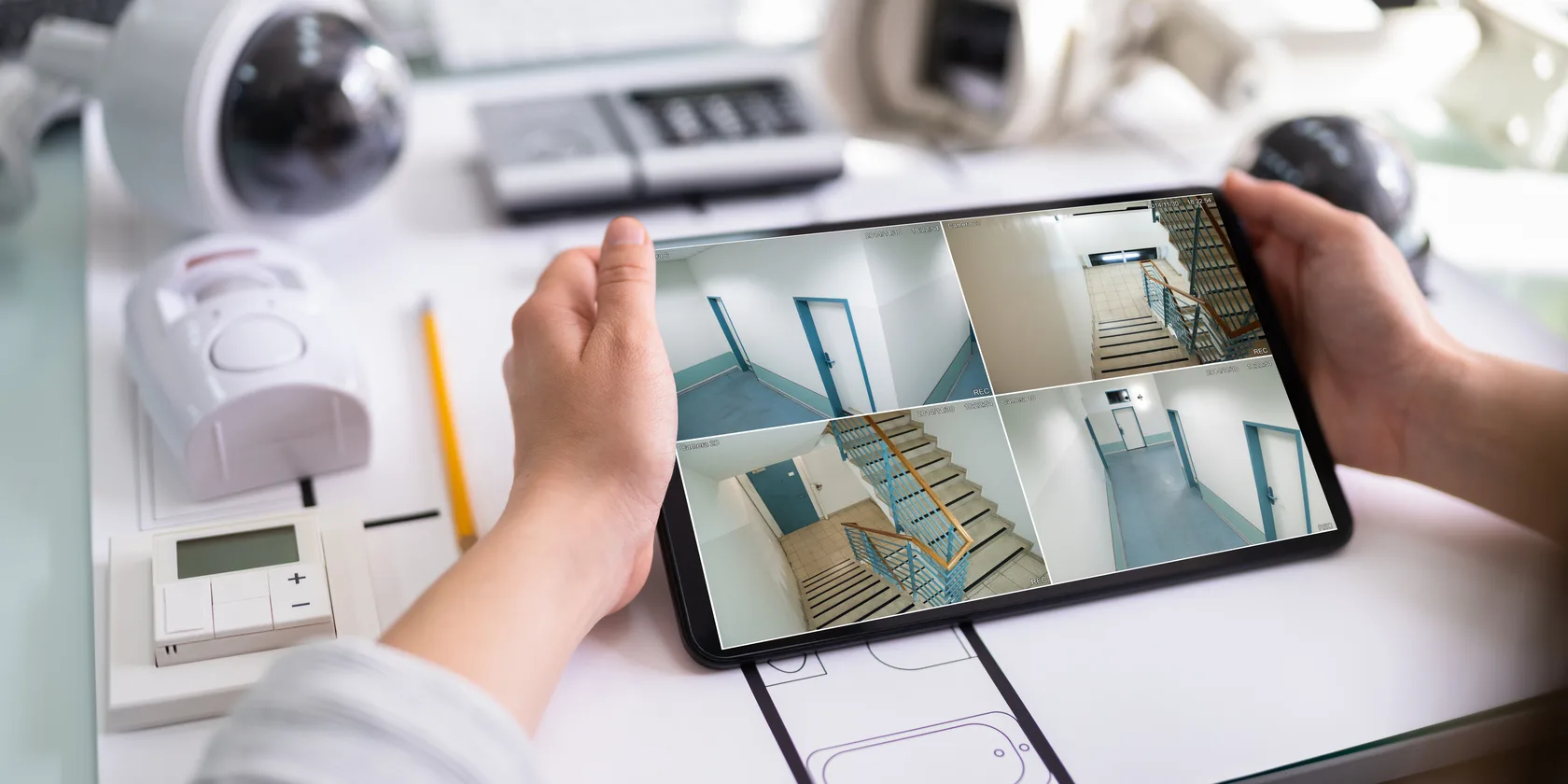
An alarm system is a network of sensors and a central panel that detects unauthorized entry, smoke, or other emergencies and then alerts you or a monitoring service. Alarm systems act as an active deterrent. Security cameras are devices that capture video or still images of activity around your property. Cameras provide visual proof and continuous recording.
Comparing Alarm System vs Security Camera matters because they serve different roles. One warns and can trigger responses. The other documents and helps identify. Together they form a stronger security plan than either alone. This section gives clear, simple definitions you can use when planning security.
Exclusive Deals
Limited-time Exclusive Deals. Check current discount on Amazon.
Check Price on Amazon As an Amazon Associate I earn from qualifying purchases.
How alarm systems and security cameras work
Alarm systems
- Sensors detect doors, windows, motion, glass break, smoke, or carbon monoxide.
- The control panel receives sensor signals and triggers a local siren or a signal to a monitoring center.
- Monitoring centers can call emergency services or designated contacts.
Security cameras
- Cameras capture video and can record to local storage or the cloud.
- Some cameras have motion detection, night vision, and two-way audio.
- Many cameras send push alerts or clips to your phone when they detect motion.
Alarm System vs Security Camera: the core technical difference is that alarms actively call attention and response. Cameras passively record and provide evidence. Both use power and network connections. Consider these when choosing hardware and placement.

Exclusive Deals
Limited-time Exclusive Deals. Check current discount on Amazon.
Check Price on Amazon As an Amazon Associate I earn from qualifying purchases.Common short questions about how they work
Can an alarm system notify police automatically?
Yes. Many monitored alarm systems can send alerts to a monitoring center that contacts police. Local laws and monitoring contracts affect response time and protocol.
Do cameras stop crimes or just record them?
Cameras can deter crime when visible, but they mainly record evidence. Combining cameras with alarms increases deterrence and response.
Benefits and limitations: Alarm System vs Security Camera
Alarm systems — benefits
- Immediate alerts when a breach occurs.
- Loud alarms can scare off intruders and notify neighbors.
- Professional monitoring adds a human response layer.
- Good for quick detection of break-ins and fire or CO hazards.
Alarm systems — limitations
- False alarms can lead to fines or delayed responses.
- Sensors do not provide visual context.
- Some systems require professional installation and monthly fees.
Security cameras — benefits
- Provide visual proof for police and insurance claims.
- Help identify suspects and track events over time.
- Remote viewing offers peace of mind and real-time checks.
Security cameras — limitations
- Cameras alone don’t force intruders to leave.
- Video can be tampered with or obscured if not well placed.
- Cloud storage may have ongoing costs and privacy concerns.
When weighing Alarm System vs Security Camera, think of alarms as a call-to-action tool and cameras as a fact-finding tool. Most effective plans use both.

Choosing the right setup for your needs
Start by asking simple questions:
- What do you want to protect? Home, small business, garage, or shed.
- Do you need immediate response or mostly evidence collection?
- What’s your budget for upfront cost and monthly fees?
- Do you prefer DIY installation or professional service?
Decision tips
- For fast alert and response, prioritize an alarm system with monitoring. This is critical for people who want help when they’re not home.
- For evidence and identification, prioritize high-quality cameras with good night vision and storage.
- If budget allows, combine both: alarm sensors at entry points plus cameras covering approaches and high-value areas.
- Consider smart home integration for remote control and automation.
Alarm System vs Security Camera: pick what addresses your top risk first, then layer the second system for full coverage.

Installation, costs, and ongoing fees
Typical cost factors
- Hardware: sensors, panels, cameras, mounts, cables.
- Installation: DIY or professional labor.
- Monitoring and storage: monthly fees for alarm monitoring or camera cloud storage.
- Maintenance: battery replacements, firmware updates, and occasional repairs.
Ballpark numbers (varies by region and brand)
- Basic DIY alarm kit: low hundreds.
- Professional alarm system with installation: mid to high hundreds, plus monthly monitoring $15–$50.
- Single good-quality camera: $50–$300.
- Full multi-camera system with cloud storage: several hundred to over a thousand, plus storage fees.
Tips to save
- Start small and expand. Protect main entry points first.
- Choose systems with no-contract monitoring if you need flexibility.
- Compare data caps and storage duration for camera cloud plans.
When comparing Alarm System vs Security Camera costs, consider both one-time hardware prices and ongoing fees. That total cost often decides which system you can realistically maintain.

Integration and best practices
How to combine systems
- Put alarm sensors on doors and windows and cameras covering approaches and common areas.
- Use visible cameras to deter, and hidden cameras to record blind spots if legally allowed.
- Integrate alarm and camera systems so alerts trigger camera clips and snapshots.
Placement tips
- Mount cameras 8–10 feet high for a wide field and to avoid tampering.
- Face cameras toward entry paths and away from direct sunlight to reduce glare.
- Install alarm sensors on all ground-level doors and accessible windows.
Privacy and legal notes
- Avoid pointing cameras at neighbors’ windows, public streets, or private spaces where people expect privacy.
- Check local laws on audio recording and notice requirements for cameras.
Alarm System vs Security Camera: integrating them gives you instant alerts and visual proof. That combo improves safety and the chance of recovery after a loss.
My real-world experience, mistakes to avoid, and practical tips
Personal story
- Early in my career I installed cameras without adding alarms. A break-in occurred; cameras recorded it, but the intruder left before police arrived. I learned that cameras alone don’t stop a crime. I now recommend alarms plus cameras.
Lessons learned
- Test sensors and cameras regularly. A dead battery or offline camera is useless when needed.
- Label zones and contact lists to avoid confusion during an alarm event.
- Place a visible sign or sticker showing your property is monitored—this simple step deters many opportunistic intruders.
Practical tips
- Start with a single alarm panel and two cameras. Expand as needed.
- Use motion zones in cameras to cut down on false alerts from passing cars or trees.
- Keep firmware up to date and change default passwords to protect systems from hackers.
These tips come from years of hands-on installs and troubleshooting. They save money and improve real security when you test and maintain your systems regularly.
Frequently Asked Questions of Alarm System vs Security Camera
Which is better for deterring burglars: an alarm system or cameras?
Both help, but alarms usually deter more because they create immediate noise and risk for the intruder. Visible cameras add deterrence and provide footage if a crime occurs.
Can I use cameras instead of an alarm system to save money?
You can, but cameras alone may not stop a break-in. Cameras record evidence, while alarms can trigger a faster response and scare intruders away.
Do both systems require internet?
Many modern cameras and alarms rely on the internet for remote alerts and cloud storage, but wired backups and cellular monitoring options exist for both. Cellular backup is recommended for reliability.
Will an alarm system and cameras lower my insurance premium?
Often yes. Insurance companies commonly offer discounts for monitored alarms and verified video surveillance. Check with your insurer to confirm specific savings and requirements.
How do I limit false alarms from an alarm system?
Use properly placed sensors, set entry delays, and program motion zones carefully. Regular maintenance and testing help reduce false triggers.
Are smart home systems as reliable as professional systems?
Smart systems are convenient and often cheaper, but professional systems can offer faster verified response and lower false alarm rates. Choose based on your need for local control versus professional monitoring.
Final thoughts and next steps
Alarm System vs Security Camera is not an either-or choice for most people. Alarms alert and prompt action. Cameras record and provide proof. Combining both gives the best protection, faster responses, and stronger evidence when you need it. Start by protecting your main entry points with sensors, add a camera to cover approaches, and expand as your budget allows.
Takeaway: pick the system that fixes your biggest gap first, then layer the other. Test everything often, keep passwords and firmware updated, and consider monitored services if you need 24/7 response. If this helped, try one upgrade this month—install a new sensor or mount a camera—and share your experience below or subscribe for more practical security tips.