Removing a trigger lock safely is a vital skill for anyone who owns firearms. Trigger locks help prevent accidents and unauthorized use, but knowing how to take them off without risk is just as important. Many gun owners, especially those new to firearms, worry about damaging their gun or hurting themselves during the process.
Exclusive Deals
Limited-time Exclusive Deals. Check current discount on Amazon.
Check Price on Amazon As an Amazon Associate I earn from qualifying purchases.This guide will show you, step by step, how to remove a trigger lock safely, avoid common mistakes, and understand the tools and techniques involved. Whether you use your gun for hunting, sport, or home protection, handling trigger locks correctly builds confidence and keeps everyone safer.
What Is A Trigger Lock?
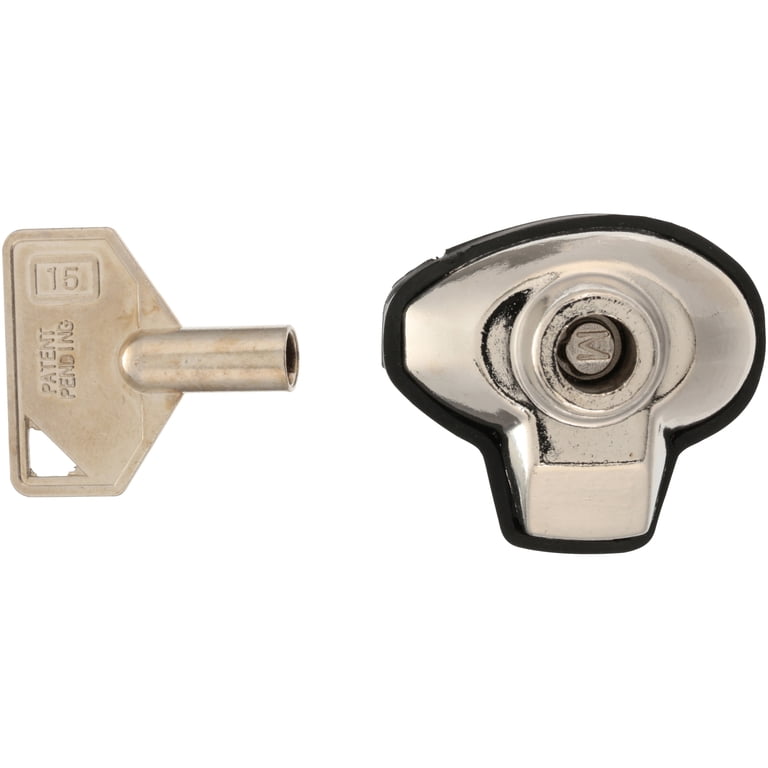
A trigger lock is a small security device that fits over a gun’s trigger area, making it impossible to pull the trigger. Most trigger locks are either keyed or use a combination code. They are designed to prevent children, thieves, or anyone without permission from firing the gun. Trigger locks are affordable and easy to use, which is why many gun owners rely on them as their main safety tool.
Key insights:
- Trigger locks are not substitutes for full gun safes.
- Some states require trigger locks for legal storage.
Types Of Trigger Locks
Understanding the type of trigger lock you have will help you remove it safely. Here are the most common options:
Exclusive Deals
Limited-time Exclusive Deals. Check current discount on Amazon.
Check Price on Amazon As an Amazon Associate I earn from qualifying purchases.- Keyed trigger lock: Requires a physical key to open.
- Combination trigger lock: Opens with a number code.
- Cable lock: Uses a flexible cable threaded through the gun.
- Smart trigger lock: Unlocks with fingerprint or app.
Each type has its own removal process, but the basic safety steps are similar.
| Lock Type | Opening Method | Typical Price | Security Level |
|---|---|---|---|
| Keyed | Physical Key | $10–$30 | Medium |
| Combination | Number Code | $15–$40 | Medium |
| Cable | Key/Code | $20–$50 | High |
| Smart | Fingerprint/App | $70–$150 | Very High |
Why Safe Removal Matters
Taking off a trigger lock the wrong way can cause serious problems. If you force the lock, you might damage your gun. If you try to remove the lock with the gun loaded, you risk an accidental discharge. In rare cases, people injure their hands or fingers when the lock slips.
Safe removal is important for legal reasons too—some insurance companies will not cover accidents if safety rules are ignored.
Example: A Common Mistake
A new gun owner once tried to remove a keyed trigger lock with pliers after losing the key. The lock broke, but the metal scratched the trigger guard and left the gun unsafe to use. He had to pay $120 for repairs.
This story shows why patience and the right tools matter.
Exclusive Deals
Limited-time Exclusive Deals. Check current discount on Amazon.
Check Price on Amazon As an Amazon Associate I earn from qualifying purchases.Preparing For Safe Trigger Lock Removal
Preparation is the first step to safe removal. Before you start, gather what you need and set up a safe space.
What You Need
- The original key or combination code
- Protective gloves
- Safety glasses
- A clean table or workbench
- Gun cleaning cloths
- Owner’s manual (if available)
Setting Up Your Workspace
Choose a place with good lighting and no distractions. Always keep the gun pointed in a safe direction, away from people and pets. Make sure there are no bullets in the chamber or magazine. Double-check this even if you think the gun is unloaded.
Non-obvious tip:
- Lay a soft towel under the gun to prevent scratches during removal.
Step-by-step Guide: Removing Each Type Of Trigger Lock
Now, let’s walk through the removal process for each type. Follow these steps carefully.
Keyed Trigger Lock
- Unload the gun: Remove all ammunition and check the chamber.
- Insert the key: Place the key in the lock.
- Turn gently: Rotate the key slowly. If it feels stuck, do not force it.
- Separate the lock halves: Once unlocked, pull apart the two pieces.
- Inspect the gun: Check for scratches or debris.
Pro tip:
- If the key is lost, contact the manufacturer for a replacement. Avoid using force.
Combination Trigger Lock
- Unload the gun: Safety first, always.
- Enter the code: Rotate the dials to your combination.
- Press the release button: This opens the lock.
- Remove the lock halves: Take apart the device.
- Check the trigger area: Clean if needed.
Non-obvious insight:
- If you forget the code, manufacturers often provide a reset process if you can prove ownership.
Cable Lock
- Unload the gun: Remove all ammo.
- Unlock the cable: Use the key or code to open the lock.
- Slide out the cable: Gently pull the cable from the gun.
- Inspect for wear: Check the gun for any marks or damage.
- Store the cable safely: Keep it away from children.
Smart Trigger Lock
- Unload the gun: Confirm it’s empty.
- Activate unlocking method: Use your fingerprint, app, or code.
- Wait for confirmation: Most smart locks light up or beep.
- Remove the lock: Separate the device from the trigger area.
- Check battery level: Make sure the lock’s batteries are charged for next use.
Practical tip:
- Always keep backup access for smart locks, like a spare key or extra battery.
Common Problems And How To Fix Them
Even with the right tools, you might run into issues. Here’s how to handle them.
Lost Key Or Forgotten Code
- Contact the lock manufacturer. Most can mail a new key if you provide proof of purchase.
- For combination locks, some companies have master reset codes.
- Never try to force the lock with tools—this can damage your gun.
Stuck Or Jammed Lock
- Apply a small amount of gun-safe lubricant to the lock.
- Tap the lock gently, not hard, to loosen stuck parts.
- If it still won’t open, ask a gunsmith for help.
Damaged Trigger Area
- If removing the lock leaves scratches, clean the area with a soft cloth and gun oil.
- Deep scratches should be repaired by a professional.
| Problem | Safe Solution | What Not to Do |
|---|---|---|
| Lost Key | Order replacement from manufacturer | Use pliers or force |
| Forgotten Code | Contact manufacturer for reset | Try random codes |
| Stuck Lock | Lubricate and tap gently | Hit with heavy tools |
| Scratched Gun | Clean with gun oil | Ignore deep damage |
Safety Tips You Should Never Ignore
Removing a trigger lock is not just about technique—it’s about safety. Here are some rules to always follow:
- Never remove a lock with the gun loaded.
- Keep the muzzle pointed in a safe direction.
- Avoid distractions while working.
- Wear protective gear to prevent injuries.
- Store trigger locks and keys separately from the gun.
Expert advice:
- Always lock your gun again after cleaning or maintenance, especially if children are present.

Comparing Trigger Lock Brands
Not all trigger locks are created equal. Some brands offer better reliability and support. Here’s a comparison of three popular brands:
| Brand | Lock Type | Warranty | Customer Support | Average User Rating |
|---|---|---|---|---|
| Master Lock | Keyed/Combination | Lifetime | 24/7 phone support | 4.7/5 |
| Remington | Cable | 5 years | Email support | 4.5/5 |
| Identilock | Smart | 2 years | Live chat | 4.8/5 |
Non-obvious insight:
- Brands with good support can help you solve lost key or reset issues much faster.
Legal Considerations
Trigger lock laws are different in every state. In California, for example, it’s illegal to store a gun without a trigger lock if children could access it. In Texas, trigger locks are encouraged but not required. Always check your local laws before removing or storing your gun without a lock.
Did you know?
- The CDC reports that secure storage, including trigger locks, reduces the risk of accidental shootings by up to 73%.
For more legal details, visit the official CDC Injury Prevention resource.
After Removal: What To Do Next
Once the trigger lock is off, there are important steps to follow.
Inspect The Gun
Look for any signs of damage. If you see scratches or dents, clean the area and check the gun’s function.
Store The Lock
Keep the trigger lock and keys in a safe place, away from children and visitors. Some people use a small locked box for this.
Update Your Safety Routine
Review your gun safety habits. If you clean your gun, always lock it again afterward. If you use a different gun, make sure the trigger lock fits properly.
When To Ask A Professional
Sometimes, it’s best to let a gunsmith or expert remove the lock. This is true if:
- The lock is severely stuck or damaged.
- You lost the key or code and can’t get a replacement.
- The gun is expensive or antique.
A professional can remove the lock without harming your firearm. Many gun shops offer this service for a small fee.
Trigger Lock Removal: Myths Vs Facts
There are many myths about trigger locks. Let’s clear up some confusion.
Myth: “you Can Always Break A Trigger Lock With Tools.”
Fact: Many locks are made of hardened steel and cannot be broken without damaging the gun.
Myth: “trigger Locks Are Useless.”
Fact: Studies show they greatly reduce accidental shootings, especially in homes with children.
Myth: “removing A Lock Is Always Easy.”
Fact: Some locks jam or break, making safe removal tricky.
Real-life Example: Safe Removal Success
A hunter in Minnesota kept his gun locked for months. When he wanted to use it, he found the lock stuck. Instead of forcing it, he called customer support and received a new key in three days. He removed the lock smoothly, avoiding damage.
This story shows that patience and following safe steps pays off.
Frequently Asked Questions
How Do I Remove A Trigger Lock If I Lost The Key?
Contact the lock manufacturer. Most will send a replacement key if you can prove ownership. If not, ask a gunsmith for help. Never try to force the lock—it can damage your gun.
Is It Safe To Remove A Trigger Lock With The Gun Loaded?
No. Always unload your gun first. Removing a lock from a loaded gun is dangerous and could cause an accidental discharge.
Can I Use Oil Or Lubricant To Help Open A Stuck Trigger Lock?
Yes, but use gun-safe lubricants only. Apply a small amount and try again. Do not use excessive force, and avoid household oils that can harm gun parts.
What Should I Do If My Trigger Lock Scratches My Gun?
Clean the area with a soft cloth and gun oil. For deep scratches, consult a gunsmith. Prevent scratches by laying a towel under your gun during removal.
Are Smart Trigger Locks More Difficult To Remove?
Smart locks require electronic access, like a fingerprint or app. If the batteries die or the electronics fail, use backup access or contact the manufacturer. Always keep spare batteries.
Final Thoughts
Removing a trigger lock safely is simple if you follow the right steps. Preparation, patience, and attention to detail protect your firearm and your fingers. Remember, never force a lock or rush the process. If you lose your key or forget your code, manufacturers and gun experts can help.
Always keep safety first—unload your gun, work in a quiet space, and store your locks and keys securely. These habits make gun ownership safer for you and those around you. By understanding the process, you keep your firearm ready when you need it and secure when you don’t.