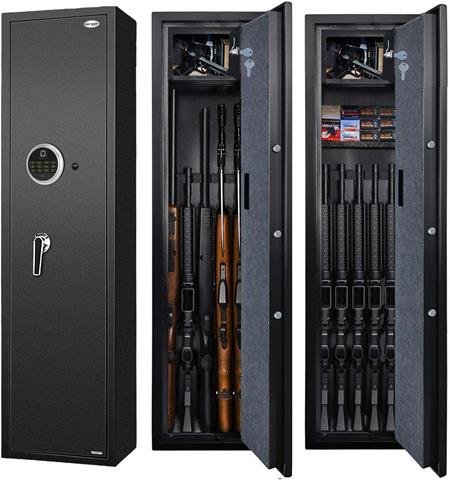
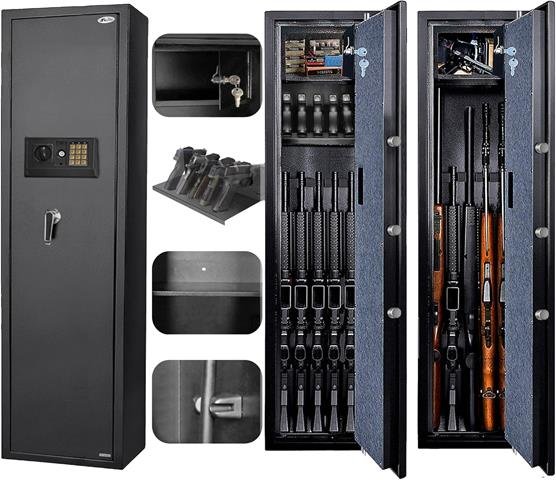
The topic of trigger locks on seized firearms is not only technical, but also deeply connected to law, safety, and police procedures. Many people wonder: can police use trigger locks on guns they confiscate? The answer depends on legal rules, practical needs, and even the type of firearm. In this article, you’ll learn how police handle seized weapons, why trigger locks matter, and what rights and risks are involved. If you’re curious about gun safety or work in a field related to law enforcement, understanding this topic is important. We’ll break it down clearly, using simple words, real examples, and practical advice.
Exclusive Deals
Limited-time Exclusive Deals. Check current discount on Amazon.
Check Price on Amazon As an Amazon Associate I earn from qualifying purchases.What Is A Trigger Lock?
A trigger lock is a device that fits over a gun’s trigger to prevent the trigger from being pulled. It’s designed to make the firearm safer by keeping it from firing accidentally or by unauthorized persons. Trigger locks come in several types, but most use a two-piece design that clamps onto the trigger guard. Some require a key, others use a combination.
Key purposes of trigger locks:
- Prevent accidental discharge
- Protect children and unauthorized users
- Enhance safe storage
While trigger locks are not the only safety tool (safes, cable locks, and smart guns exist), they are one of the most affordable and common ways to secure firearms. In the context of police work, the use of trigger locks on seized guns raises questions about safety, legal rights, and evidence handling.
Why Police Seize Firearms
Police seize firearms for several reasons. Understanding these helps explain why safety and security are so important.
Exclusive Deals
Limited-time Exclusive Deals. Check current discount on Amazon.
Check Price on Amazon As an Amazon Associate I earn from qualifying purchases.- Crime evidence: Guns are often seized as evidence in crimes like robbery, assault, or homicide.
- Illegal possession: Police may confiscate firearms from people who cannot legally own them, such as felons or minors.
- Public safety: Weapons found during traffic stops, domestic disputes, or in public areas may be taken to protect the community.
- Expired permits: Sometimes, guns are seized if the owner’s permit is expired or invalid.
When police take possession of a firearm, they must keep it safe, secure, and in the same condition until it is needed for court or returned to the owner.
Legal Framework: Can Police Use Trigger Locks?
The use of trigger locks by police on seized firearms is not always straightforward. Laws vary by state, and local police departments may have their own rules.
Federal Laws
There is no specific federal law that requires or bans police from using trigger locks on seized guns. However, federal guidelines recommend safe storage of all firearms, especially those used as evidence.
State And Local Laws
Many states have laws about gun safety devices, but most focus on private gun owners. Some states, like California and Massachusetts, require trigger locks for guns stored or sold, but do not directly address police use on seized weapons. Police departments often develop their own protocols.
Example: In California, Penal Code Section 23635 requires that firearms sold or transferred must have a safety device like a trigger lock, but doesn’t mandate their use for evidence storage.
Exclusive Deals
Limited-time Exclusive Deals. Check current discount on Amazon.
Check Price on Amazon As an Amazon Associate I earn from qualifying purchases.Police Department Policies
Departments set policies based on local law, safety needs, and the type of evidence. Some require all seized guns to have trigger locks; others use safes, racks, or cable locks. The main goal is to prevent accidents and tampering.
Evidence Law Considerations
Seized guns are evidence. Changing their condition—even by adding a trigger lock—can be controversial. Courts expect evidence to remain “as is” until trial. If a lock scratches, damages, or alters the gun, it may affect the case.
Key legal concerns:
- Preservation of evidence integrity
- Avoiding changes to gun’s physical condition
- Chain of custody documentation
Police Procedures For Handling Seized Firearms
When police seize a firearm, they follow strict steps to keep it safe and legal. Here’s how the process typically works:
- Initial seizure: Officer removes the gun from the scene, ensures it is unloaded, and records its condition.
- Transport: The gun is taken to the police station or evidence storage.
- Evidence tagging: Information like serial number, make, model, and case number is logged.
- Storage: Weapons are stored in secure rooms, safes, or racks. Some departments use trigger locks, others use cable locks or locked cabinets.
Police must balance safety with evidence rules. For example, if the gun is loaded, it may be carefully unloaded before storage. Any change—such as adding a trigger lock—should be documented.
Practical Reasons For Using Trigger Locks
Police often use trigger locks on seized firearms for several practical reasons:
- Safety of officers and staff: Prevents accidental firing when handling or moving guns.
- Protection against theft: If someone breaks into evidence storage, trigger locks make guns harder to use.
- Child safety: Police stations sometimes have public areas; trigger locks add another layer of safety.
- Legal liability: If a gun is stolen and used, police may be held responsible if it was not secured.
Trigger locks are not foolproof, but they are a simple, effective way to reduce risk. Many departments combine trigger locks with other devices, such as cable locks or locked storage.
Risks And Limitations Of Trigger Locks
While trigger locks improve safety, they also have limitations and risks:
- Damage to evidence: Trigger locks can scratch or mark the gun. This may matter in court if the gun’s condition is important.
- Evidence alteration: If the gun is used in a crime, adding a lock could be seen as changing evidence.
- Not all guns fit: Some firearms, like old revolvers or rare models, may not accept standard trigger locks.
- False sense of security: Trigger locks do not stop all theft or misuse. Determined thieves may remove them.
Police must weigh these risks before using trigger locks. Documentation is critical—if a lock is added, it should be noted in the evidence log.
Comparison: Trigger Locks Vs. Other Safety Devices
Police can choose from several safety devices for seized firearms. Here’s how trigger locks compare to other options:
| Device | Ease of Use | Damage Risk | Security Level | Cost |
|---|---|---|---|---|
| Trigger Lock | Easy | Low/Medium | Medium | Low |
| Cable Lock | Moderate | Low | High | Low |
| Gun Safe | Difficult | None | Very High | High |
| Racks | Easy | None | Medium | Medium |
Trigger locks are fast and cheap, but cable locks offer more security. Gun safes protect against theft and damage, but are expensive and harder to use for large numbers of guns.
Case Studies: Real-life Examples
Looking at real cases helps understand how police use trigger locks on seized firearms.
Example 1: Small Town Police Department
A police department in Ohio seized several handguns after a domestic dispute. Their policy required trigger locks on all seized guns before storage. The locks prevented accidental discharge, but one lock scratched the gun’s finish. In court, this was noted, but the judge ruled it did not affect the case.
Example 2: Large City Evidence Room
A big city police force handles hundreds of guns each month. Instead of trigger locks, they use cable locks and store guns in locked racks. They found that cable locks fit more gun types and did not damage evidence. Trigger locks are used only if cable locks are unavailable.
Example 3: Courtroom Evidence
In a Texas homicide case, the defense argued that a trigger lock added after seizure changed the gun’s condition. The prosecution showed evidence logs and photos taken at the scene. The court accepted the trigger lock as a safety device, not an alteration, because all changes were documented.
Non-obvious Insights: What Beginners Miss
Most beginners think trigger locks are always safe and legal for police use. In reality, there are some important details:
- Evidence chain is critical: Every change to a gun must be recorded. If not, the case can be challenged.
- Different guns, different needs: Not all firearms fit standard trigger locks. Police must have several types available.
- Legal advice is needed: Police departments should consult legal experts before setting policies on trigger locks.
Many assume police can use any safety device without restriction. However, rules about evidence handling are strict and vary across states.
Guidelines For Police Departments
If you work in a police department or advise one, here are practical guidelines for using trigger locks on seized firearms:
- Check local laws: Review state and city rules about gun safety and evidence handling.
- Consult legal counsel: Get advice from department lawyers on evidence policy.
- Document everything: Log every change, including adding or removing trigger locks.
- Use the right device: Choose locks that fit the gun and do not damage evidence.
- Train staff: Teach officers and evidence staff safe handling and logging procedures.
- Review policies annually: Update protocols as laws and technology change.
Following these steps helps avoid legal problems and improves safety for everyone.
Impact On Evidence And Court Cases
The main concern with trigger locks on seized firearms is evidence integrity. Courts expect guns to be presented as they were found.
- Photos at seizure: Officers should photograph the gun before adding any safety device.
- Documentation: Every step should be logged, including who handled the gun and what was done.
- Expert testimony: In court, police may need to explain why a trigger lock was added and how it affected (or didn’t affect) the evidence.
If a trigger lock alters the gun, the defense may argue it changed key evidence. Good documentation and careful handling help prevent these challenges.
Comparison: Evidence Handling With And Without Trigger Locks
Here’s a clear comparison of handling evidence with and without trigger locks:
| Aspect | With Trigger Lock | Without Trigger Lock |
|---|---|---|
| Safety | High | Medium |
| Evidence Integrity | Risk of minor alteration | Original state |
| Legal Challenge | Possible | Less likely |
| Storage Security | High | Medium |
| Documentation Needed | More detailed | Standard |
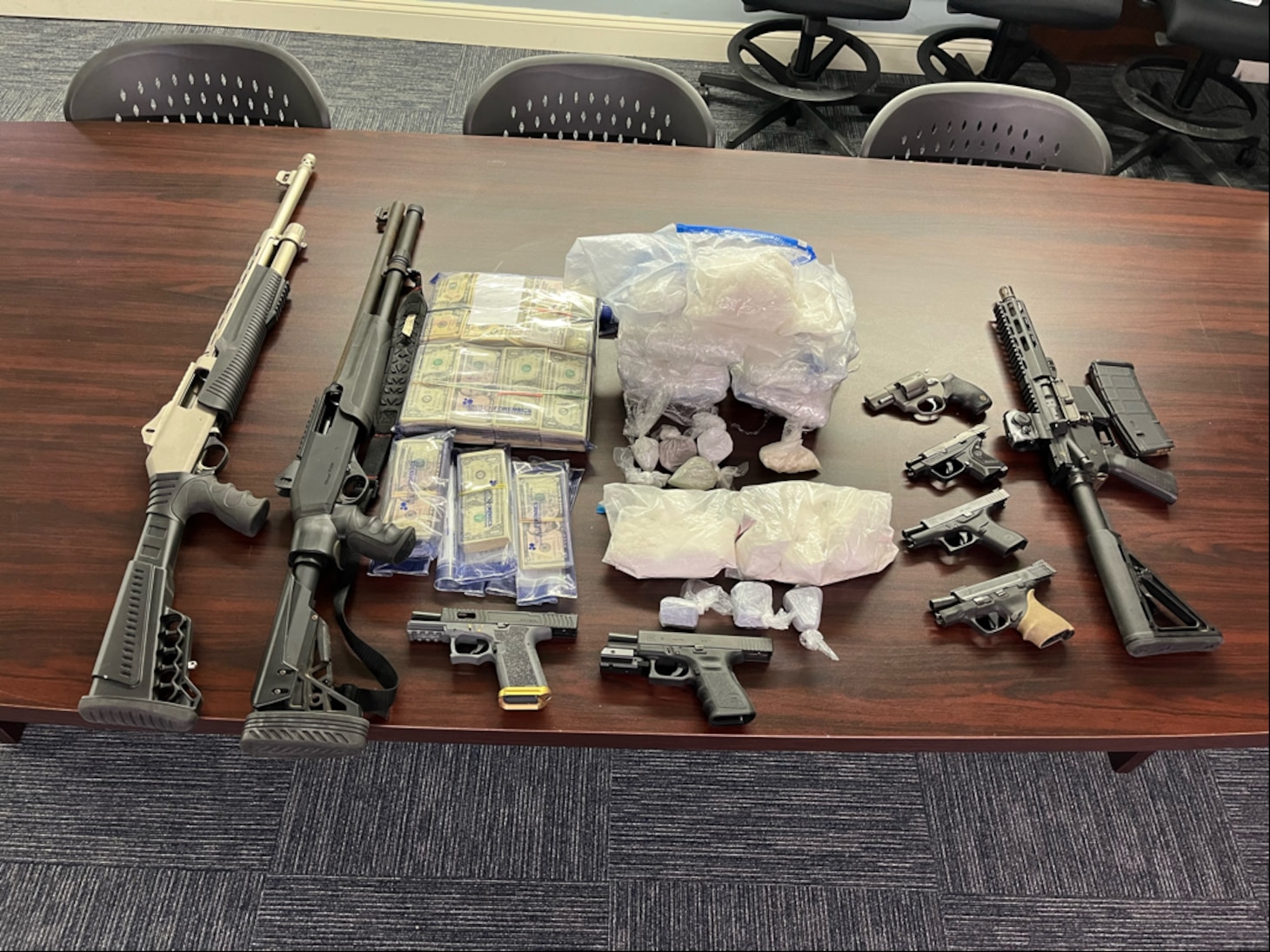
Alternatives To Trigger Locks For Police
Police departments can use other methods to secure seized firearms:
- Cable locks: Run through the gun’s action, making it impossible to fire.
- Gun safes: Heavy, secure storage for multiple guns.
- Evidence lockers: Locked cabinets or rooms with strict access control.
- Tagging and sealing: Evidence tags and seals to prevent tampering.
Some departments combine these tools for maximum safety.
Statistics: Police Firearm Safety
Data on police evidence rooms and firearm safety shows why trigger locks matter:
- Over 300,000 guns are seized by US police each year (Bureau of Justice Statistics).
- Accidental discharges in evidence rooms are rare, but do occur. Most are preventable with safety devices.
- Child safety: In one survey, over 20% of evidence rooms were accessible to non-officers at some point, raising concerns.
These numbers highlight the importance of safety measures like trigger locks.
Policies In Different States
Let’s look at state-level differences in police trigger lock use:
| State | Trigger Lock Policy | Alternative Devices | Legal Requirements |
|---|---|---|---|
| California | Recommended | Cable locks, safes | Safety device required for sale |
| Texas | Optional | Racks, safes | No mandate for police |
| New York | Department policy varies | Locks, safes | Safety device required for storage |
| Florida | Rarely used | Evidence lockers | No specific rule |
Policies depend on local law and department needs. Always check your state’s requirements.
What Happens When Guns Are Returned?
If a seized gun is returned to its owner (after trial or investigation), police must remove any safety devices and restore the gun to its original condition. Owners may be asked to sign paperwork confirming the return. If a trigger lock damaged the gun, owners may seek compensation—but this is rare.
Police must document the return, including the removal of trigger locks.
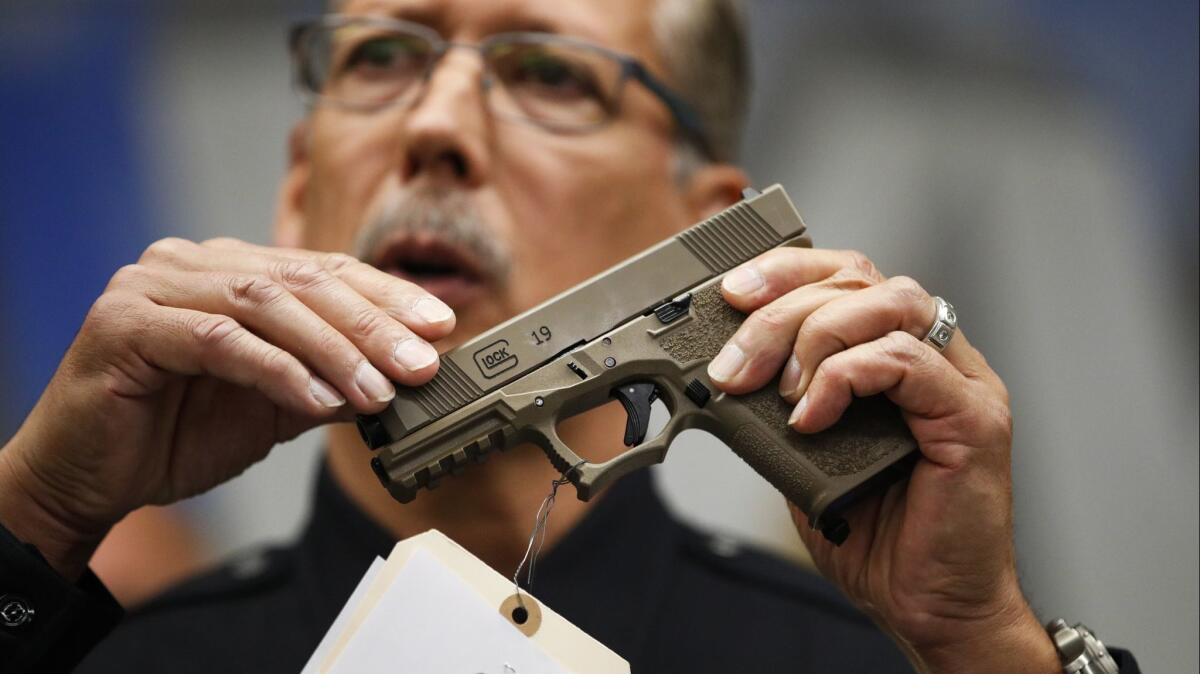
Global Perspective: Police Use Of Trigger Locks Outside The Us
In countries like Canada, UK, and Australia, police use similar safety devices. However, rules for evidence handling are stricter, and trigger locks are less common. Most police use safes and cable locks, focusing on preserving evidence without alteration.
Expert Recommendations
Experts recommend the following for police departments:
- Use trigger locks when safety risk is high, but document every change.
- Prefer cable locks or safes if evidence integrity is a concern.
- Review local laws and consult legal experts before setting policy.
- Train all staff in safe evidence handling.
These steps help balance safety and legal needs.
Frequently Asked Questions
Can Police Use Trigger Locks On All Types Of Firearms?
No, not all firearms accept standard trigger locks. Some guns, like old revolvers or rare models, may need special devices or other safety tools.
Will Adding A Trigger Lock Damage The Gun?
Sometimes. Trigger locks can scratch or mark a firearm. Police should use padded locks or select devices that fit well to avoid damage.
Is It Legal For Police To Use Trigger Locks On Seized Guns?
Usually, yes. There is no federal law banning trigger locks, but departments must follow local rules and document every change for evidence purposes.
What Happens If A Trigger Lock Alters Evidence?
If a trigger lock changes the gun’s condition, it may be challenged in court. Good documentation and photos help protect the case.
Are Trigger Locks The Best Safety Tool For Police?
They are useful, but not always best. Cable locks, safes, and evidence lockers offer higher security and less risk of evidence alteration.
Police officers and evidence staff must balance safety, legality, and evidence integrity. Trigger locks are one tool among many, and their use depends on local policy, the type of gun, and the needs of the department. By understanding the risks, legal rules, and alternatives, law enforcement can make better decisions about securing seized firearms. For more information on gun safety laws and devices, visit Wikipedia.