Storing firearms safely is one of the most important responsibilities of a gun owner. If you have a gun in your home, you need to make sure it’s secured—not just to comply with the law, but to protect your family, visitors, and anyone else who might come into contact with it. Using a trigger lock is a popular method for preventing unauthorized use. But is a trigger lock enough? How do you use it correctly? And what else should you know to properly store a gun with a trigger lock? Let’s explore the essentials and go beyond the basics for true peace of mind.
Why Proper Gun Storage Matters
Every year in the United States, thousands of accidental shootings happen in homes, many involving children who find unsecured guns. According to the CDC, in 2021, there were over 500 unintentional firearm deaths, and many more non-fatal injuries. Most of these incidents could have been prevented with secure storage.
Proper storage also helps prevent theft, suicide, and illegal access.
Exclusive Deals
Limited-time Exclusive Deals. Check current discount on Amazon.
Check Price on Amazon As an Amazon Associate I earn from qualifying purchases.Laws in many states require safe storage, especially if children are present. Even if your state doesn’t, responsible gun owners understand that safe storage saves lives. A trigger lock is a good starting point, but it’s only part of a complete safety plan.
Understanding Trigger Locks
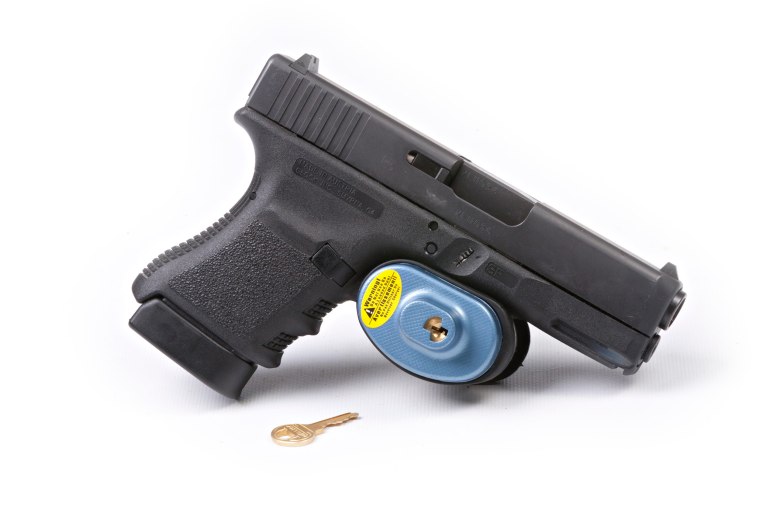
A trigger lock is a simple device that fits around the trigger of a firearm to block its movement. The idea is to stop anyone from pulling the trigger while the lock is in place. Trigger locks come in several designs, but all share the same purpose: to make the gun inoperable until the lock is removed.
Some key facts about trigger locks:
- They are usually made of metal or hard plastic.
- Most models use a key or combination to unlock.
- Trigger locks are available for handguns, rifles, and shotguns.
- They are affordable and easy to find at most gun shops.
However, a trigger lock does not prevent someone from stealing the gun, and it won’t stop a determined person from eventually removing it with tools. That’s why it’s important to use trigger locks as just one part of your firearm storage plan.
Exclusive Deals
Limited-time Exclusive Deals. Check current discount on Amazon.
Check Price on Amazon As an Amazon Associate I earn from qualifying purchases.Types Of Trigger Locks
There are several types of trigger locks, each with its pros and cons. Here’s a quick comparison to help you choose the right one for your needs:
| Type | How It Works | Security Level | Pros | Cons |
|---|---|---|---|---|
| Keyed Trigger Lock | Requires a physical key to unlock | Medium | Easy to use, affordable | Lose the key, lose access |
| Combination Trigger Lock | Uses a code for access | Medium | No key needed, share code if needed | Can forget code, slower to open |
| Integrated Trigger Lock | Built into gun, often with a special tool | Medium-High | Always with the gun, hard to lose | Limited to some models |
Most new firearms come with a basic trigger lock included. Still, not all locks are created equal. Higher-quality locks have better tamper resistance and fit more securely.
Step-by-step: How To Properly Apply A Trigger Lock
Using a trigger lock may seem straightforward, but mistakes are common. Here’s a practical guide to make sure you do it right, every time:
Exclusive Deals
Limited-time Exclusive Deals. Check current discount on Amazon.
Check Price on Amazon As an Amazon Associate I earn from qualifying purchases.1. Unload The Gun Completely
Before handling any firearm, always check if it’s loaded. Remove the magazine if there is one, open the action, and double-check the chamber. Physically and visually inspect the gun to confirm it is empty. Never skip this step.
2. Choose The Right Trigger Lock
Not all locks fit every gun. Some are too bulky for small triggers, while others are too loose for rifles or shotguns. Read the manufacturer’s recommendations and test the fit before relying on the lock for security.
3. Position The Trigger Lock Correctly
Place the lock so it fully covers the trigger and trigger guard. For most designs, one half goes on each side of the trigger, then they snap or screw together. Make sure the lock cannot move up or down or be wiggled off.
If you can still squeeze the trigger with the lock on, it’s not installed correctly.
4. Secure And Test The Lock
Lock the device using the key or combination. Try to move the lock and pull the trigger to ensure the gun cannot be fired. If the trigger can still move, remove and reapply the lock.
5. Store The Key Or Combination Safely
Do not leave the key in the same place as the gun. Store it in a secure location known only to responsible adults. If using a combination, avoid codes that are easy to guess, like birthdates.
6. Regularly Inspect The Lock
Over time, locks can become damaged or worn. Make it a habit to check the lock’s condition every few months and replace it if you notice rust, cracks, or loose parts.
Pro Tip: Never install a trigger lock on a loaded gun. The pressure from the lock can sometimes pull the trigger during installation, causing an accidental discharge.
Best Places To Store A Gun With A Trigger Lock
A trigger lock is only the first layer of protection. Where you store the gun matters just as much. Here are the main options:
Locked Gun Safe
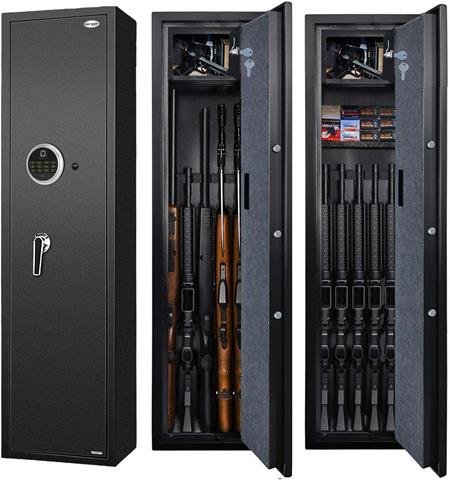
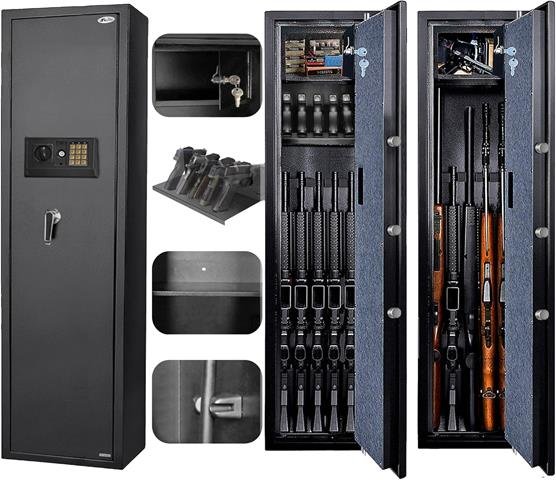
A gun safe is the gold standard for firearm storage. It offers high security against theft and keeps guns away from children and unauthorized users. Safes come in many sizes and prices, from small handgun boxes to large vaults for multiple rifles.
Lockbox Or Security Case
If you don’t have room for a full safe, a lockbox is a good alternative. Look for boxes with sturdy locks and steel construction. Many models are small enough to hide in a closet or under a bed, but still offer reasonable protection.
Hidden Storage
Some gun owners use hidden compartments or furniture with built-in gun storage. While this can keep guns out of sight, it’s not as secure as a locked safe or box. Always use a trigger lock in addition to hidden storage.
Avoid Common Mistakes
- Never store a gun with a trigger lock in an unlocked drawer, glove box, or closet.
- Do not leave guns in vehicles unless absolutely necessary, and always lock them up if you do.
Comparing Storage Methods: Security And Accessibility
It’s important to balance security and quick access. Here’s how various methods compare:
| Storage Method | Security Level | Access Speed | Best For |
|---|---|---|---|
| Gun Safe + Trigger Lock | Very High | Slower | Homes with children, theft prevention |
| Lockbox + Trigger Lock | High | Moderate | Quick access, apartments |
| Trigger Lock Only | Low-Medium | Fastest | Temporary storage, transport |
| Hidden Storage + Trigger Lock | Medium | Fast | Concealment, but not theft protection |
Insight: Many beginners think a trigger lock alone is enough, but experienced owners know that layered security is best. Use a lock, plus a secure storage location, for real safety.
Legal Requirements And Recommendations
Gun storage laws vary by state and even by city. Some places require all firearms to be locked up if children are in the home. Others have penalties if a child or prohibited person gains access because of poor storage.
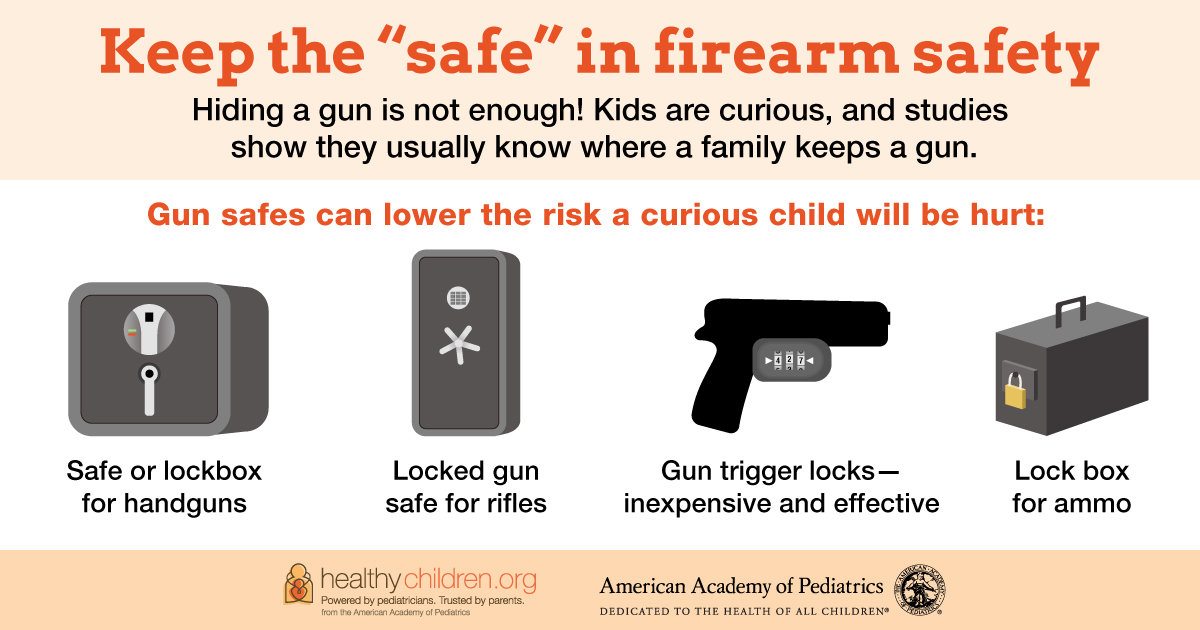
The National Shooting Sports Foundation and the American Academy of Pediatrics both recommend that all guns be stored unloaded, locked, and separate from ammunition. This is the safest approach, even if not required by law.
Quick Reference: State Laws On Gun Storage
This table summarizes general requirements in select US states:
| State | Trigger Lock Required? | Safe/Lockbox Required? | Penalty for Violation |
|---|---|---|---|
| California | Yes (if children present) | Yes (if children present) | Fines, jail time |
| Texas | No | No | Liability if child accesses gun |
| Massachusetts | Yes (all guns) | Yes (all guns) | Fines, possible jail |
| Florida | No | No | Liability for accidents |
Tip: Always check your local laws, as they change often and can be stricter than state requirements.
Common Mistakes To Avoid With Trigger Locks
Many well-meaning gun owners make simple errors that reduce the effectiveness of their trigger locks. Here’s what to watch out for:
- Leaving the gun loaded when applying the lock. This can cause accidental discharge.
- Choosing a poor-fitting lock that can be wiggled off or bypassed.
- Forgetting to test the lock after installation. Always try to pull the trigger to confirm it’s secure.
- Storing the key or code with the gun. This defeats the purpose of the lock.
- Relying only on a trigger lock without using a safe or lockbox.
Insight: Even experienced owners sometimes get too comfortable and skip steps. Treat every storage session with the same care as the first time.
Advanced Tips For Extra Safety
Want to go the extra mile? Here are some advanced tips that many beginners don’t consider:
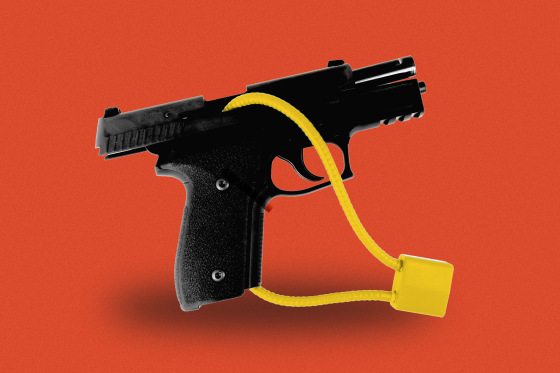
- Use cable locks in addition to trigger locks. Cable locks thread through the action, making it impossible to load or fire the gun until removed.
- Store ammunition separately from your firearms, ideally in a separate locked container.
- Install a small alarm or motion sensor near your gun storage area for extra security.
- Teach family members about gun safety and what to do if they find a gun.
- Rotate your storage locations if you have multiple firearms, so no one gets used to where you keep everything.
- Photograph your firearms and locks for insurance and police records in case of theft.
When To Use A Trigger Lock (and When Not To)
A trigger lock is ideal for:
- Transporting firearms in a vehicle or while traveling.
- Short-term storage where a full safe isn’t possible.
- Adding an extra layer of security inside a safe or lockbox.
Avoid using a trigger lock if:
- The gun is loaded (risk of discharge).
- You need instant access for self-defense (a lock may slow you down).
- The lock does not fit the firearm securely.
Pro Insight: Some home defense experts recommend storing your self-defense firearm in a quick-access lockbox instead of using a trigger lock, so you can respond quickly if needed.
Teaching Children And Guests About Gun Safety
Even with the best locks and storage, education is crucial. Explain to children that guns are not toys and should never be touched. Teach them to leave the area and tell an adult if they find a gun.
For guests, especially those with children, inform them about your storage practices and ask them to respect your security measures. It’s better to have an awkward conversation than a tragic accident.
How To Check If Your Trigger Lock Is Working Properly
Regular checks are important for peace of mind. Here’s a simple routine:
- Inspect the lock for damage or tampering signs.
- Test the key or combination every few months to be sure you can still open it.
- Try to move the trigger with the lock in place to confirm it’s still secure.
- Replace old or rusted locks promptly.
If you notice anything unusual, stop using the lock and replace it immediately.
Real-life Example: Averted Tragedy With Proper Storage
In 2020, a Michigan father stored his handgun with a trigger lock and kept it in a locked safe. One afternoon, his 7-year-old son’s friend found the safe but couldn’t open it, and even if he had, the trigger lock would have prevented the gun from firing. The father credits both layers of security for preventing a potential tragedy. Stories like this show why double protection is worth the small extra effort.
Where To Buy Reliable Trigger Locks
Most gun shops, sporting goods stores, and online retailers offer trigger locks. Look for brands that are certified by the California DOJ or meet ASTM standards. Avoid cheap, off-brand locks with poor reviews.
Some police departments and community groups give out free trigger locks as part of safety programs. Check with your local authorities to see if these are available in your area.
Combining Trigger Locks With Smart Technology
Modern gun safes and storage devices sometimes include biometric locks or smartphone access. While these are great for convenience and speed, they should be combined with traditional trigger locks for backup security. Electronics can fail, but a physical lock is always there.
For more information on safe gun storage, see the Project ChildSafe website.
Frequently Asked Questions
How Does A Trigger Lock Work?
A trigger lock fits around the trigger and trigger guard of a gun, blocking access to the trigger. It is usually locked with a key or combination. When correctly installed, it prevents the trigger from being pulled, making the gun unable to fire.
Can A Trigger Lock Be Used On A Loaded Gun?
No. You should never install a trigger lock on a loaded gun. The installation process can sometimes move the trigger, which could cause an accidental discharge. Always unload your firearm before applying any locking device.
Is A Trigger Lock Enough To Prevent Gun Theft?
A trigger lock alone does not prevent theft. It only stops the gun from being fired. For theft prevention, store the gun in a locked safe or lockbox in addition to using a trigger lock.
What Should I Do If I Lose The Key Or Forget The Combination?
Contact the manufacturer of the trigger lock. Many companies can help you recover the combination or provide a replacement key after you prove ownership. Never try to force the lock off, as this can damage your gun.
Are Trigger Locks Required By Law?
Some states and cities require trigger locks or other locking devices, especially if children are present in the home. Check your local laws to know what is required in your area.
Storing your firearm with a trigger lock is a responsible first step, but true safety comes from layered protection, careful storage, and ongoing education. With the right habits, you can enjoy the benefits of gun ownership while protecting your loved ones and your community.