Can You Use A Trigger Lock With Loaded Guns
Guns are powerful tools, but they also carry real risks. Securing firearms is not just about rules—it’s about protecting lives, especially in homes with children or visitors. One common device people use is a trigger lock. But a serious question often comes up: can you use a trigger lock with loaded guns? Many gun owners want a quick solution for safety, but they also want their firearm ready in an emergency. This article will help you understand the facts, risks, and best practices when it comes to trigger locks and loaded firearms.
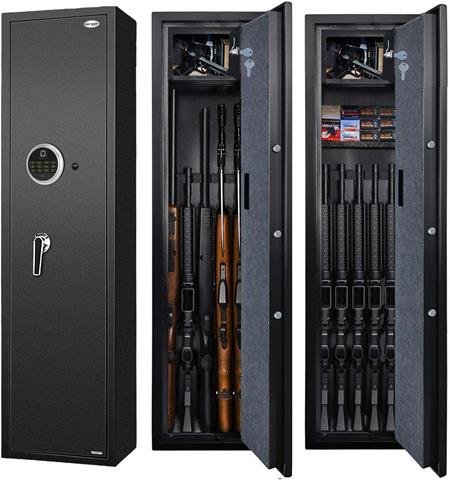
Exclusive Deals
Limited-time Exclusive Deals. Check current discount on Amazon.
Check Price on Amazon As an Amazon Associate I earn from qualifying purchases.What Is A Trigger Lock?
A trigger lock is a safety device designed to prevent the trigger of a firearm from being pulled. Most trigger locks are two-piece mechanisms that clamp around the trigger guard, usually with a key or combination lock. They are widely available, inexpensive, and often included with new guns.
Trigger locks are not designed to make a gun inoperable or unload it. Instead, their main goal is to block access to the trigger, so no one can fire the gun quickly or easily. Some locks are universal, while others are made for specific models.
Types Of Trigger Locks
Trigger locks come in several forms:
- Keyed trigger locks – These require a physical key to unlock. They are simple but can be lost or duplicated.
- Combination trigger locks – These use a number code. No key is needed, but codes can be forgotten.
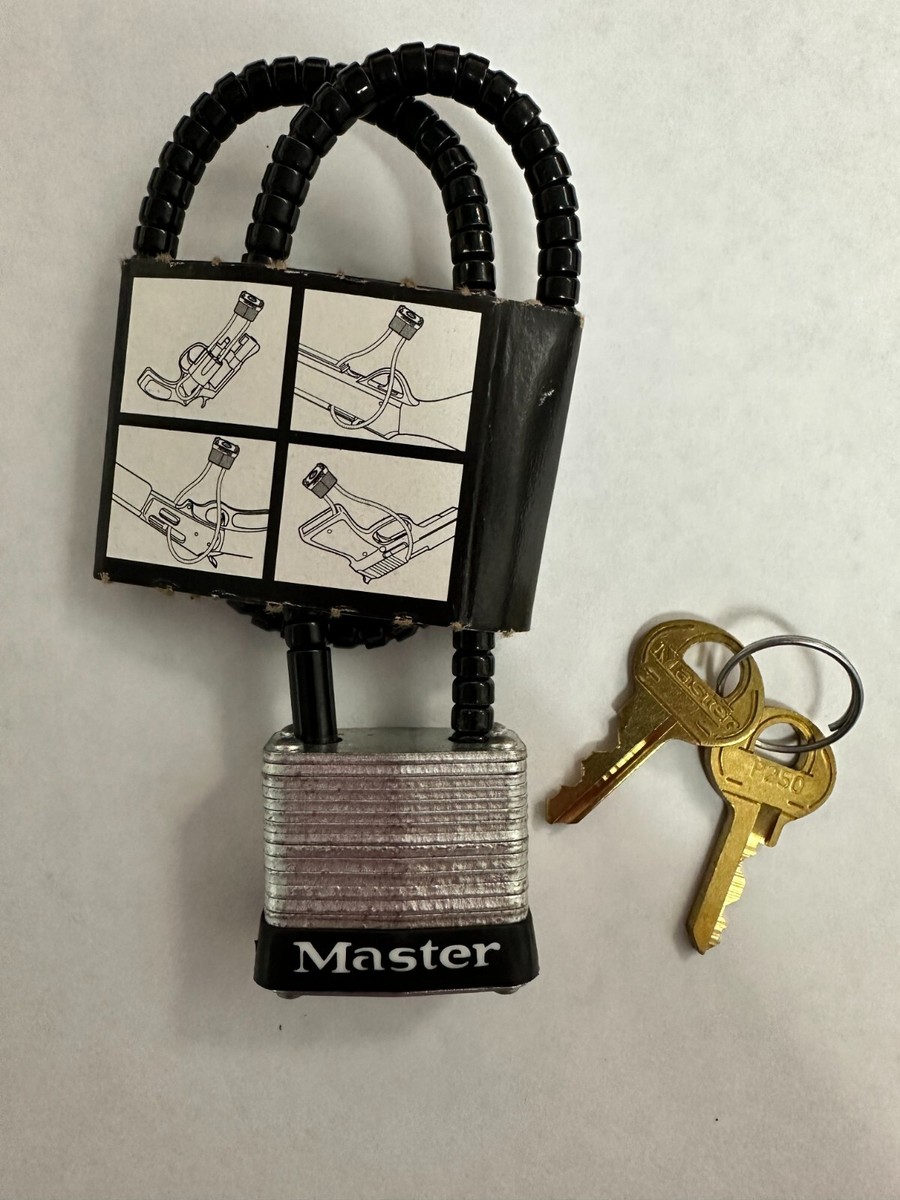
- Cable-style locks – A flexible cable runs through the action and out the ejection port, preventing the gun from being loaded or fired.
Each type has advantages and limitations, but all are meant to stop accidental discharges or unauthorized use.
Exclusive Deals
Limited-time Exclusive Deals. Check current discount on Amazon.
Check Price on Amazon As an Amazon Associate I earn from qualifying purchases.Why People Use Trigger Locks
The main reason people use trigger locks is safety. Here are some situations where they are especially helpful:
- Homes with children: Kids are curious, and even hidden guns can be found.
- Visitors or guests: Friends and family may not know your gun safety rules.
- Legal requirements: Some states require guns to be locked if not in use.
Trigger locks are also used for transporting firearms. Laws often demand guns be secured during travel, and a lock can help you stay compliant.
However, a trigger lock is not a perfect solution. It should be one part of a larger safety plan, not your only layer of protection.
Can You Use A Trigger Lock With A Loaded Gun?
This is a critical question with safety at its core. In short, it is possible to physically attach most trigger locks to a loaded gun. But the real issue is whether you should do this.
How Trigger Locks Work On Loaded Guns
When you put a trigger lock on a loaded firearm, the lock itself does not unload the gun. The cartridge stays in the chamber, and the gun is ready to fire if the trigger is pulled. The lock simply blocks the trigger from moving, so firing is (in theory) not possible until the lock is removed.
Exclusive Deals
Limited-time Exclusive Deals. Check current discount on Amazon.
Check Price on Amazon As an Amazon Associate I earn from qualifying purchases.But there are serious risks and warnings from gun safety groups, manufacturers, and law enforcement.
Manufacturer Recommendations
Most major gun manufacturers and organizations like the National Shooting Sports Foundation advise against using trigger locks on loaded guns. Their manuals and safety guides often say:
- Always unload the firearm before installing any lock.
- Never rely on the lock alone for safety.
- Store ammunition separately from the firearm.
These are not just suggestions—they are based on real-world accidents and mechanical realities.
Risks Of Using Trigger Locks With Loaded Guns
The idea of locking a loaded gun may seem like a good way to balance safety and readiness. But in practice, it brings serious dangers.
Accidental Discharge
Installing or removing a trigger lock on a loaded gun can cause the trigger to move. Many accidents have happened this way. For example, if the lock is forced or the mechanism slips, the gun can fire unexpectedly.
Some trigger locks fit tightly around the trigger guard. If the lock presses the trigger even a little, it can cause the gun to discharge, especially with lighter trigger pulls.
False Sense Of Security
A trigger lock gives a visual sign of safety, but it does not make the gun inert. Someone with enough force, tools, or time can still remove the lock. If the gun is loaded, this creates a dangerous situation.
Emergency Access Problems
People often lock a loaded gun thinking they can quickly unlock it in an emergency. In reality, stress, poor lighting, or lost keys make unlocking slow and difficult. Seconds matter in a crisis, and fumbling with a lock could cost lives.
Legal And Insurance Issues
In some places, using a trigger lock with a loaded gun may not meet the legal standard for safe storage. If an accident happens, you could face civil or criminal penalties, and insurance may not cover damages.

Data And Real-world Incidents
Accidental shootings are a major concern in the US. According to the Centers for Disease Control and Prevention (CDC), hundreds of unintentional firearm deaths happen each year. Many involve children or guests who find loaded, unsecured guns.
A 2021 study found that 38% of gun owners store at least one loaded gun unlocked at home. Trigger locks, when used correctly (with unloaded guns), can reduce these risks. But when used improperly, they may actually increase the chance of an accident.
Here’s a simple table comparing the risk levels:
| Storage Method | Risk of Accidental Discharge | Child Access Risk |
|---|---|---|
| Loaded gun, no lock | High | High |
| Loaded gun, trigger lock | Medium | Medium |
| Unloaded gun, trigger lock | Low | Low |
| Unloaded gun, safe storage (safe/vault) | Very Low | Very Low |
Common Myths And Misunderstandings
Many gun owners believe that trigger locks can make a loaded gun completely safe. This is a dangerous myth. Here are some common misunderstandings:
- “If the lock is on, the gun can’t fire.”
In fact, some locks can slip or be bypassed, especially if not installed correctly.
- “Trigger locks are childproof.”
Some older children can figure out simple locks or find the key.
- “I can unlock my gun instantly in an emergency.”
Under stress, even simple actions become difficult. Combination locks are especially hard to open quickly.
- “The lock protects against theft.”
Most trigger locks can be cut or forced open with basic tools.
Understanding these myths can help you make better decisions about firearm storage.
Comparing Trigger Locks With Other Safety Devices
Trigger locks are just one type of safety device. Let’s compare them to other popular options:
| Device | Works With Loaded Gun? | Childproof | Quick Access | Prevents Theft |
|---|---|---|---|---|
| Trigger Lock | Yes (not recommended) | Partial | No | No |
| Cable Lock | Sometimes | Partial | No | No |
| Gun Safe/Vault | Yes | Yes | Some models (biometric) | Yes |
| Lock Box | Yes | Yes | Some | Partial |
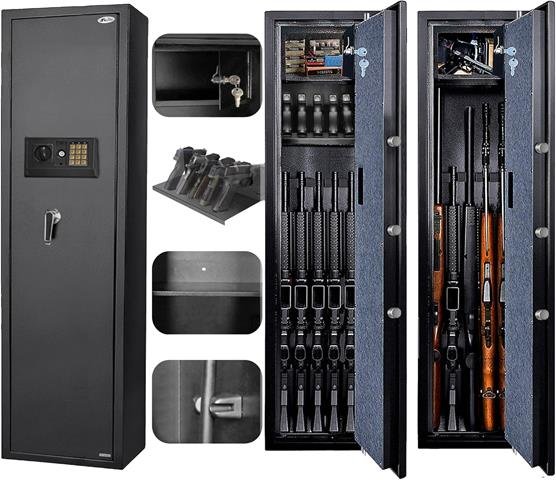
As the table shows, trigger locks are not the strongest choice for loaded gun storage. Safes and vaults offer more protection and can be opened quickly with modern technology (like fingerprint scanners).
Legal Considerations In The United States
Gun storage laws vary widely by state and sometimes by city. Here are key points to know:
- Some states require guns to be stored unloaded and locked if children live in the home.
- In places like Massachusetts, all firearms must be locked when not in use.
- Insurance policies may not cover accidents if storage rules are ignored.
Here’s a quick look at some state rules:
| State | Loaded Gun With Trigger Lock Legal? | Must Store Unloaded? |
|---|---|---|
| California | No (if minors present) | Yes (if minors present) |
| Texas | Yes (but not recommended) | No |
| Massachusetts | No | Yes |
| New York | No (in most cases) | Yes (if children present) |
| Florida | Yes | No |
Always check your local laws before choosing a storage method.
Expert Recommendations For Safe Gun Storage
Experts almost always agree: never attach a trigger lock to a loaded gun. Here are the main guidelines:
- Always unload your firearm before installing any lock.
- Store ammunition in a separate, locked location.
- Use a gun safe or lock box for best protection.
- Teach everyone in your home about gun safety, even if you use locks.
If you need quick access for self-defense, consider a biometric safe. These can open in seconds with your fingerprint but still keep the gun secure from children or guests.
Non-obvious Insights
- Some modern handguns have internal safeties that block firing without the trigger being fully pressed. But these do not replace proper storage.
- In rare cases, a poorly fitted trigger lock can actually damage your firearm or jam the trigger mechanism, making the gun unsafe.
Practical Tips For Gun Owners
If you choose to use a trigger lock, follow these steps:
- Unload the firearm completely. Double-check the chamber and magazine.
- Read the manufacturer’s instructions for both the gun and the lock.
- Install the lock carefully so it does not touch or press the trigger directly.
- Test the lock with the gun pointed in a safe direction (unloaded) to ensure it cannot be fired.
- Store keys or combinations away from the gun but where you can find them in an emergency.
- Educate all household members about the presence of firearms and rules for handling them.
Remember, no device replaces safe habits and training.
Alternatives To Trigger Locks For Loaded Guns
Many gun owners want both security and fast access. Here are some alternatives:
- Biometric safes – Open with a fingerprint, fast and secure.
- Rapid-access lock boxes – Some open with a special key or code in seconds.
- Smart gun technology – Guns that only fire for authorized users (still rare but growing).
- Hidden storage – Furniture or walls designed to hide guns from view (use with care, not a true lock).
Each option has pros and cons. Test them and choose what fits your needs, family, and local laws.
What To Do In An Emergency
If you ever need your firearm quickly, a trigger lock will slow you down. In high-stress situations, even simple keys or combinations can be hard to use. Practice unlocking your storage device under realistic conditions (low light, stress). This practice can help you stay calm and act safely if needed.
The Bottom Line
Can you use a trigger lock with a loaded gun? Yes, physically, you often can. But the real answer is: you should not. The risks are high, the benefits are questionable, and there are much safer, more effective ways to secure a loaded firearm. Every year, lives are lost or changed forever because of improper gun storage. The best choice is to use multiple layers of security—unloading guns, using quality safes, and teaching safety to everyone around you.
If you want more details about safe gun storage and best practices, check resources like the National Shooting Sports Foundation.
Frequently Asked Questions
Is It Ever Safe To Use A Trigger Lock On A Loaded Gun?
No, it is not considered safe. While the lock may block the trigger, installing or removing it can cause accidental discharge. Always unload your gun before using a trigger lock.
Are There Any Trigger Locks Designed Specifically For Loaded Guns?
Most trigger locks are not designed for use with loaded guns. Some modern gun safes allow loaded storage but keep the trigger fully protected. Always check the device instructions and follow safety guidelines.
What Should I Do If I Must Store A Loaded Gun For Quick Access?
Use a biometric gun safe or a rapid-access lock box. These options keep the gun ready but secure from unauthorized users. Never rely on a trigger lock alone for loaded guns.
Can Children Open Trigger Locks?
Some trigger locks can be bypassed by older children, especially with tools or enough time. No lock is completely childproof. The best defense is a combination of secure storage and education.
Do Trigger Locks Meet Legal Requirements For Gun Storage?
In some states, trigger locks are accepted, but often only with unloaded guns. Always check your state and local laws to be sure your storage method is compliant.
Gun safety is everyone’s responsibility. Secure your firearms wisely, understand the risks, and choose the safest options for your situation.