Every gun owner wants to keep their firearms safe. But when it comes to theft, the question is simple: Do trigger locks prevent theft? Many people believe a trigger lock is enough to keep a gun secure. Others say it only stops someone from firing the weapon, not from stealing it. With gun safety so important, understanding what trigger locks can and cannot do is critical. This article looks closely at trigger locks and whether they actually prevent theft, using real data, practical comparisons, and clear explanations.
Exclusive Deals
Limited-time Exclusive Deals. Check current discount on Amazon.
Check Price on Amazon As an Amazon Associate I earn from qualifying purchases.What Are Trigger Locks?
A trigger lock is a small device that attaches to the trigger or trigger guard of a firearm. Its purpose is to keep the trigger from being pulled. Most trigger locks are made from metal or hard plastic. They are usually secured with a key or a combination lock. When the lock is in place, the gun cannot be fired unless the lock is removed.
There are several types of trigger locks:
- Two-piece locks clamp around the trigger guard and cover the trigger.
- Cable locks thread a cable through the action and out the chamber, preventing firing.
- Integrated locks are built into the gun by the manufacturer.
Trigger locks are often included with new firearms. In some states, gun sellers must provide a lock with every sale. Their main purpose is to prevent accidents or unauthorized use, especially by children.
How Trigger Locks Work
To understand if trigger locks prevent theft, it’s important to know how they work. The device covers or blocks the trigger. Some locks fit tightly, others may leave small gaps. Most locks can be removed with a key or combination.
Exclusive Deals
Limited-time Exclusive Deals. Check current discount on Amazon.
Check Price on Amazon As an Amazon Associate I earn from qualifying purchases.The lock does not attach the gun to anything; it only blocks the trigger.
Here’s a quick summary of how trigger locks operate:
- Locking mechanism: A physical barrier blocks the trigger.
- Detachment: The lock is not fixed to a wall, safe, or any secure object.
- Removal: The lock can be opened by someone with the key or combination, or by force.
This means a person cannot fire the gun if the lock is in place, but they can still pick up and carry the gun.
Comparing Trigger Locks To Other Gun Security Devices
To see if trigger locks prevent theft, it helps to compare them with other security devices. Here’s a simple table that shows how trigger locks stack up against other options:
| Device | Prevents Firing | Prevents Theft | Cost | Installation |
|---|---|---|---|---|
| Trigger Lock | Yes | No | $10-$30 | Easy |
| Cable Lock | Yes | No | $10-$40 | Easy |
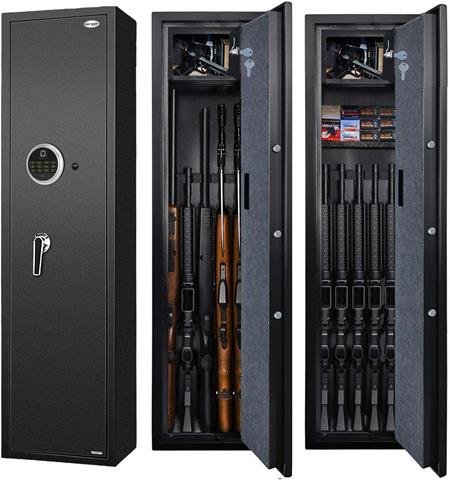
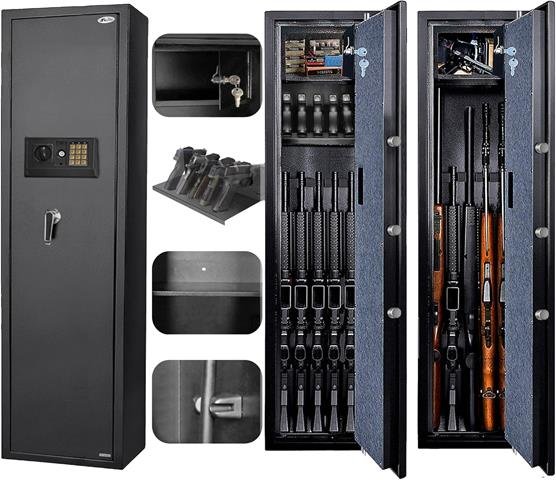
| Gun Safe | Yes | Yes | $150-$2,000+ | Moderate |
| Lock Box | Yes | Yes | $30-$300 | Easy |
| Wall Mount | No | Yes | $20-$100 | Moderate |
Key insight: Trigger locks and cable locks can stop accidental firing, but they do not secure the gun from being taken. Gun safes and lock boxes offer real theft protection because they physically secure the gun to a heavy or locked container.
Exclusive Deals
Limited-time Exclusive Deals. Check current discount on Amazon.
Check Price on Amazon As an Amazon Associate I earn from qualifying purchases.Do Trigger Locks Prevent Theft? The Reality
Now to the main question: Do trigger locks prevent theft? The honest answer is no. A trigger lock does not stop someone from stealing a gun. It only prevents the gun from being fired right away.
Here’s why:
- Trigger locks are portable. They do not attach the firearm to a fixed object. A thief can simply take the gun with the lock still on.
- Locks can be removed. Many trigger locks can be broken or picked with basic tools. In tests, simple locks have been opened with screwdrivers or wire cutters.
- No delay for theft. Most locks offer no resistance to taking the gun, just to firing it.
In fact, the National Shooting Sports Foundation states, “A trigger lock is not a theft prevention device. ” Many police departments and gun safety organizations agree.
Data And Statistics On Gun Theft And Trigger Locks
Looking at real-world data gives a clearer picture. According to the Bureau of Justice Statistics, about 232,400 guns are stolen in the US each year. Most thefts happen in homes, often during burglaries.
- Gun safes: Homes with gun safes are much less likely to lose firearms to theft.
- Trigger locks: There is no strong evidence that trigger locks reduce gun theft rates.
A study from the Harvard School of Public Health showed that homes using safes or lockboxes had much lower rates of gun theft compared to homes using only trigger locks. In one survey, over 60% of gun owners who experienced theft had only used trigger locks or cable locks.
Another important insight: Thieves often target guns because they are easy to sell. If a gun is locked in a safe, it takes too long to steal. If it only has a trigger lock, the thief just carries it away.
Common Misconceptions About Trigger Locks
Many people believe that a trigger lock is enough. Here are some common misconceptions:
- “The gun is locked, so it’s safe from theft.” Not true. The gun can still be stolen, just not fired immediately.
- “A trigger lock will slow down a thief.” Only slightly. Most locks can be removed quickly with basic tools.
- “My gun is hidden, so the trigger lock is extra protection.” Hiding a gun is not the same as securing it.
An overlooked point: Some criminals steal guns with the lock still on, then remove the lock later or sell the gun “as is.” The lock does not stop the theft; it only delays use.
Real-life Examples
Here are some real situations:
- Home burglary: A thief breaks into a home, finds a gun with a trigger lock, and takes it. The lock is removed later.
- Car theft: A gun owner leaves a locked handgun in the glove compartment. The car is stolen, and so is the gun.
- School incident: A child finds a gun with a trigger lock at home. The lock stops the child from firing, but the gun is still taken outside the house.
In all cases, the trigger lock stopped immediate firing but did not prevent the gun from being stolen.
How To Improve Gun Theft Prevention
If you want to prevent theft, trigger locks are not enough. Here are practical steps you can take:
- Use a gun safe: A heavy, locked safe cannot be easily carried away or opened.
- Secure guns in lockboxes: These boxes are portable but can be locked to furniture or walls.
- Install wall mounts or cable systems: These attach guns to a fixed object, making theft difficult.
- Hide and secure: Keep guns out of sight and locked.
- Use alarms or cameras: Home security systems can deter thieves.
One non-obvious tip: Some safes have quick-access features, so you can get your gun fast in an emergency but still keep it secure from theft.
Pros And Cons Of Trigger Locks
Every safety device has pros and cons. Here’s a simple table to help you compare:
| Pros | Cons |
|---|---|
| Prevents accidental firing | Does not prevent theft |
| Cheap and easy to use | Can be removed with tools |
| Required by law in some places | Not enough for home security |
| Fits most guns | May damage trigger if forced |
Key takeaway: Trigger locks are useful for safety, but not for theft protection.
Legal Requirements For Gun Locks
Some states require that guns be sold with locks. The law often specifies that the lock must prevent firing. In California, Massachusetts, and New York, for example, every gun sold must include a lock or safe storage device.
However, these laws focus on preventing accidental discharge, not theft. Police often recommend using a gun safe in addition to any legal locks.
A hidden insight: Insurance companies may offer discounts for owners with gun safes, but not for trigger locks alone.

Are Trigger Locks Ever Enough?
There are cases where trigger locks are helpful:
- Homes with children: Prevents accidental firing.
- Temporary storage: Useful when moving guns between places.
- Travel: Some airlines require a locked gun for transport.
However, for theft prevention, trigger locks are not enough. Combining them with stronger security is always better.
Alternatives To Trigger Locks For Theft Prevention
If stopping theft is your goal, consider these alternatives:
- Gun safes: Heavy, secure, and usually bolted down.
- Lockboxes: Portable but can be attached to walls.
- Alarmed storage: Boxes with built-in alarms.
- Smart locks: Electronic locks with codes or fingerprints.
Here’s a comparison of three popular gun storage options:
| Storage Type | Security Level | Prevents Theft | Ease of Access |
|---|---|---|---|
| Trigger Lock | Low | No | High |
| Gun Safe | High | Yes | Moderate |
| Lock Box | Medium | Yes | Moderate |
Smart tip: Always bolt your safe or lockbox to the floor or wall. This makes it much harder for a thief to carry it away.
The Role Of Trigger Locks In Gun Safety
Trigger locks do play an important role in gun safety. They are best at preventing accidents. For example, if a child finds a gun, a trigger lock can stop them from firing it. Many gun owners use trigger locks as a first line of safety. But when it comes to theft, locks are not enough.
Trigger locks should be used with other security measures. They can help prevent accidents, but only safes and lockboxes can truly keep guns from being stolen.
What Really Works Against Theft?
Let’s look at what really works:
- Heavy gun safes: Hard to carry away, tough to break into.
- Home security systems: Cameras and alarms scare thieves and record evidence.
- Hidden storage: Concealing guns makes them harder to find.
- Bolt-down lockboxes: Even small boxes can be secured to prevent theft.
A helpful insight: Thieves usually spend less than 10 minutes in a home. If it takes longer to access your gun, they are likely to leave it behind.
Mistakes Gun Owners Make
Some mistakes are common when trying to prevent theft:
- Relying only on trigger locks
- Leaving guns in cars
- Not bolting down safes
- Using weak locks
- Advertising gun ownership (stickers, signs)
Avoid these errors to improve your security.
Expert Opinions
Most gun safety experts agree: Trigger locks do not prevent theft. Police and security professionals recommend using heavy safes and lockboxes. The National Rifle Association suggests combining trigger locks with secure storage for best results.
One expert tip: Consider insurance for your firearms. Even with strong security, theft can happen.

Practical Guidance For Gun Owners
If you own guns, here’s what you should do:
- Use trigger locks for safety, especially in homes with children.
- Store guns in a locked safe or box to prevent theft.
- Hide your safe or lockbox, and bolt it down.
- Consider alarm systems for extra protection.
- Keep records of your guns (serial numbers, photos).
If you travel with guns, follow airline rules and use approved locks.
Frequently Asked Questions
Do Trigger Locks Stop Thieves From Stealing Guns?
No, trigger locks do not prevent theft. They only stop someone from firing the gun immediately. A thief can take the gun with the lock still on and remove it later.
Are Trigger Locks Required By Law?
In many states, trigger locks are required with every gun sale. The law usually focuses on preventing accidental discharge, not theft. Always check your local regulations.
What Is The Best Way To Prevent Gun Theft?
The best way is to use a heavy gun safe or a bolted lockbox. Hiding guns and using security systems also help. Trigger locks are not enough for theft prevention.
Can Trigger Locks Be Broken Or Picked?
Yes, most trigger locks can be broken or picked with basic tools. They are not designed to resist strong force or skilled thieves.
Should I Use A Trigger Lock And A Safe Together?
Yes, using both gives maximum safety. The trigger lock prevents accidental firing, and the safe prevents theft. Combining devices is always better than using just one.
Final Thoughts
Trigger locks are a good tool for gun safety. They help prevent accidents and unauthorized use. But when it comes to theft, they are not enough. Thieves can take a gun with the lock still on, then remove it later. If you want real security, use a gun safe, lockbox, or other strong storage. Combine safety devices for best results. Always remember: protecting your firearms means protecting your family and your community.
For more information about gun safety and storage, visit the Wikipedia Gun Safety page.
Gun owners should stay informed and use the best practices to keep their firearms secure. Trigger locks are a start, but not the final answer to theft prevention.