Can A Trigger Lock Damage A Firearm?
Keeping firearms secure is a top priority for gun owners, especially those with families or who store guns at home. One common safety device is the trigger lock. It’s easy to use, affordable, and widely recommended for preventing unauthorized access. But some shooters worry—can a trigger lock actually damage a firearm? This is a smart question, and the answer isn’t as simple as “yes” or “no.” Let’s look closely at how trigger locks work, the risks involved, and how to protect both your gun and your peace of mind.
What Is A Trigger Lock And Why Use One?
A trigger lock is a device designed to prevent the trigger from being pulled. It typically clamps around the trigger guard, blocking access. Most trigger locks are made of metal or hard plastic, and they use a key or combination to open.
Many states and countries require some form of gun lock for storage, especially if children are present. The main reasons for using a trigger lock are:
Exclusive Deals
Limited-time Exclusive Deals. Check current discount on Amazon.
Check Price on Amazon As an Amazon Associate I earn from qualifying purchases.- Preventing accidental discharge
- Stopping theft or unauthorized use
- Meeting legal requirements for firearm storage
Trigger locks are cheap, often costing between $10 and $30. They are easy to install and remove, making them a popular safety option.
How Trigger Locks Work
The basic mechanism is simple. A trigger lock comes in two pieces that fit on either side of the trigger guard. When locked, the device keeps the trigger from being pressed. Some models are universal, while others are designed for specific gun types.
There are three main types:
- Cable locks: A cable threads through the action and prevents the gun from firing.
- Padlock-style trigger locks: Two halves clamp around the trigger guard and lock in place.
- Combination locks: Similar to padlock style, but use a number code instead of a key.
Here’s a comparison of common trigger lock types:
Exclusive Deals
Limited-time Exclusive Deals. Check current discount on Amazon.
Check Price on Amazon As an Amazon Associate I earn from qualifying purchases.| Type | Mechanism | Pros | Cons |
|---|---|---|---|
| Cable Lock | Cable through action | Fits most guns, prevents loading | May not fit all models, slower to install |
| Padlock-Style | Clamps trigger guard | Easy, quick, affordable | May not fit snugly, risk of movement |
| Combination Lock | Clamps trigger guard (number code) | No key needed, convenient | Code can be forgotten, some models flimsy |

Can Trigger Locks Cause Damage?
This is where things get interesting. While trigger locks are designed for safety, improper use or a poor-quality lock can cause problems. Let’s look at what kind of damage is possible, and what factors increase the risk.
Physical Damage To Firearm Parts
Trigger locks clamp onto the trigger guard—the small loop protecting the trigger. If a lock is too tight, made from rough material, or poorly designed, it can scratch, dent, or even bend this area. Damage is more likely if:
- The lock doesn’t fit the gun model
- The gun is made from softer metal or plastic
- The lock is installed with excessive force
Some trigger locks have sharp edges or hard corners that dig into the finish. Over time, repeated use can cause wear marks, especially on blued or painted surfaces.
Exclusive Deals
Limited-time Exclusive Deals. Check current discount on Amazon.
Check Price on Amazon As an Amazon Associate I earn from qualifying purchases.Internal Stress And Function Issues
A less obvious risk is stress on internal parts. If the lock pushes against the trigger, it can put pressure on springs or sears inside the gun. This may lead to:
- Trigger sticking or failing to reset
- Unusual wear on moving parts
- Decreased reliability
This is rare, but possible—especially with cheap locks or improper installation.
Example: 1911 Pistols
Owners of classic 1911-style pistols sometimes report trigger lock issues. Because the trigger guard is small and the trigger sits close, some locks press against the trigger itself. Over time, this can affect the feel of the trigger or damage the finish.
Cosmetic Damage
Cosmetic damage is the most common issue. Scratches, scuffs, or chipped paint often happen when the lock is forced onto the gun or moved around while locked.
Table: Risk Factors For Trigger Lock Damage
| Risk Factor | Damage Type | How to Avoid |
|---|---|---|
| Improper fit | Scratches, bending | Choose lock designed for your gun model |
| Overtightening | Finish wear, trigger stress | Install snugly, not tightly |
| Poor material | Dents, sharp marks | Pick locks with smooth surfaces |
| Repeated use | Cosmetic wear | Inspect lock and gun regularly |
Who Should Be Concerned About Trigger Lock Damage?
Most gun owners won’t see major harm from a trigger lock if they use it carefully. But some groups should be more careful:
- Collectors: If you own rare or valuable guns, even small scratches matter.
- Competition shooters: Performance can suffer if trigger parts get damaged.
- Home defense owners: You need the gun to work reliably in emergencies.
- Hunters: Cosmetic damage can affect resale value.
Real-world Examples And Data
Research on trigger lock damage is limited, but there are reports from gun forums and shooting clubs. For example, a survey of handgun owners by the National Shooting Sports Foundation found that:
- 27% reported cosmetic wear after using trigger locks for more than two years
- 6% noticed changes in trigger feel or function
- 1% had to repair or replace a part due to lock damage
These numbers are small, but not zero. The risk is higher with universal locks and cheaper products.
Notable Case: Smith & Wesson Revolvers
Some Smith & Wesson revolver owners have noticed that certain trigger locks don’t fit the rounded trigger guard well. After repeated use, the guard showed visible wear, and in rare cases, the lock pressed the trigger enough to cause internal stress.
Common Mistakes When Using Trigger Locks
To avoid damage, it’s important to steer clear of some common mistakes:
- Using the wrong size lock: Universal locks are not always truly universal.
- Installing too tightly: More force is not safer.
- Ignoring material differences: Some guns have softer finishes or delicate parts.
- Leaving the lock on for months at a time: This increases wear.
- Forgetting to check the gun and lock for signs of damage
Many beginners assume that “tighter is better. ” In reality, a snug fit is safest. Locks should never press directly on the trigger.
How To Choose A Safe Trigger Lock
Picking the right lock is the best way to protect your firearm. Here are practical tips:
- Check compatibility: Look for locks designed for your specific gun model.
- Inspect the surfaces: Choose locks with smooth, rounded edges.
- Read reviews: Look for user feedback on long-term use.
- Test the fit: Try before you buy, if possible.
- Avoid ultra-cheap options: Quality matters.
Alternatives To Trigger Locks
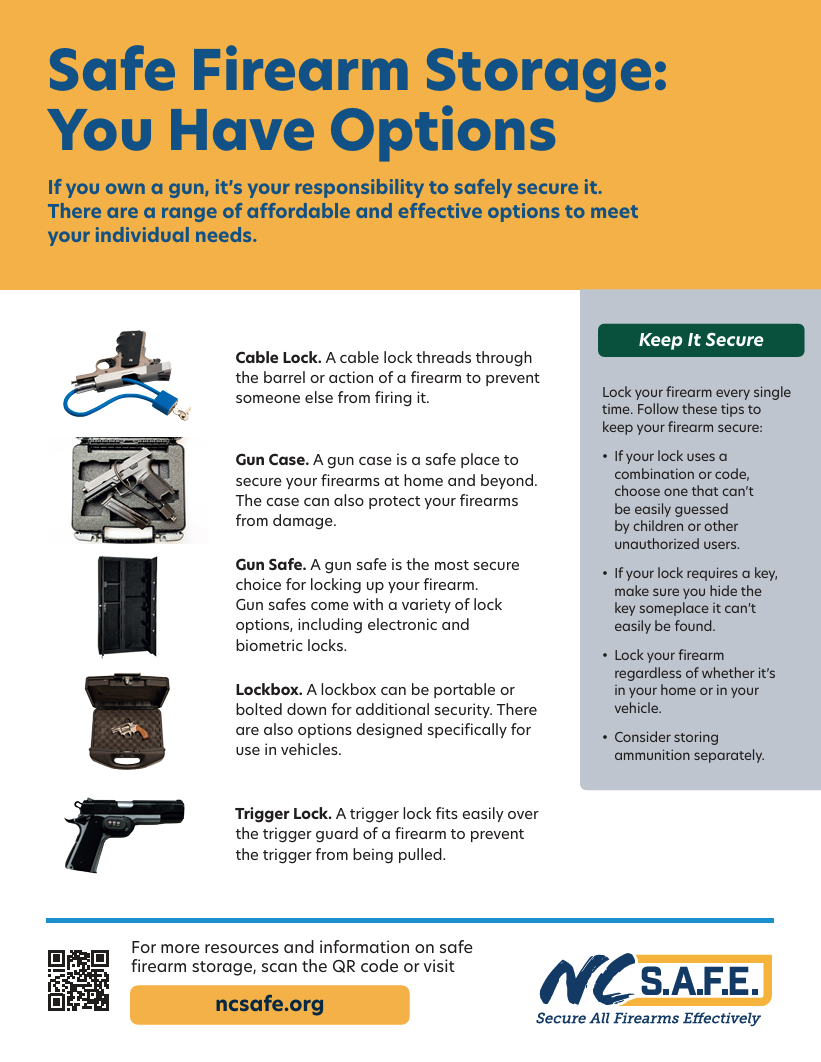
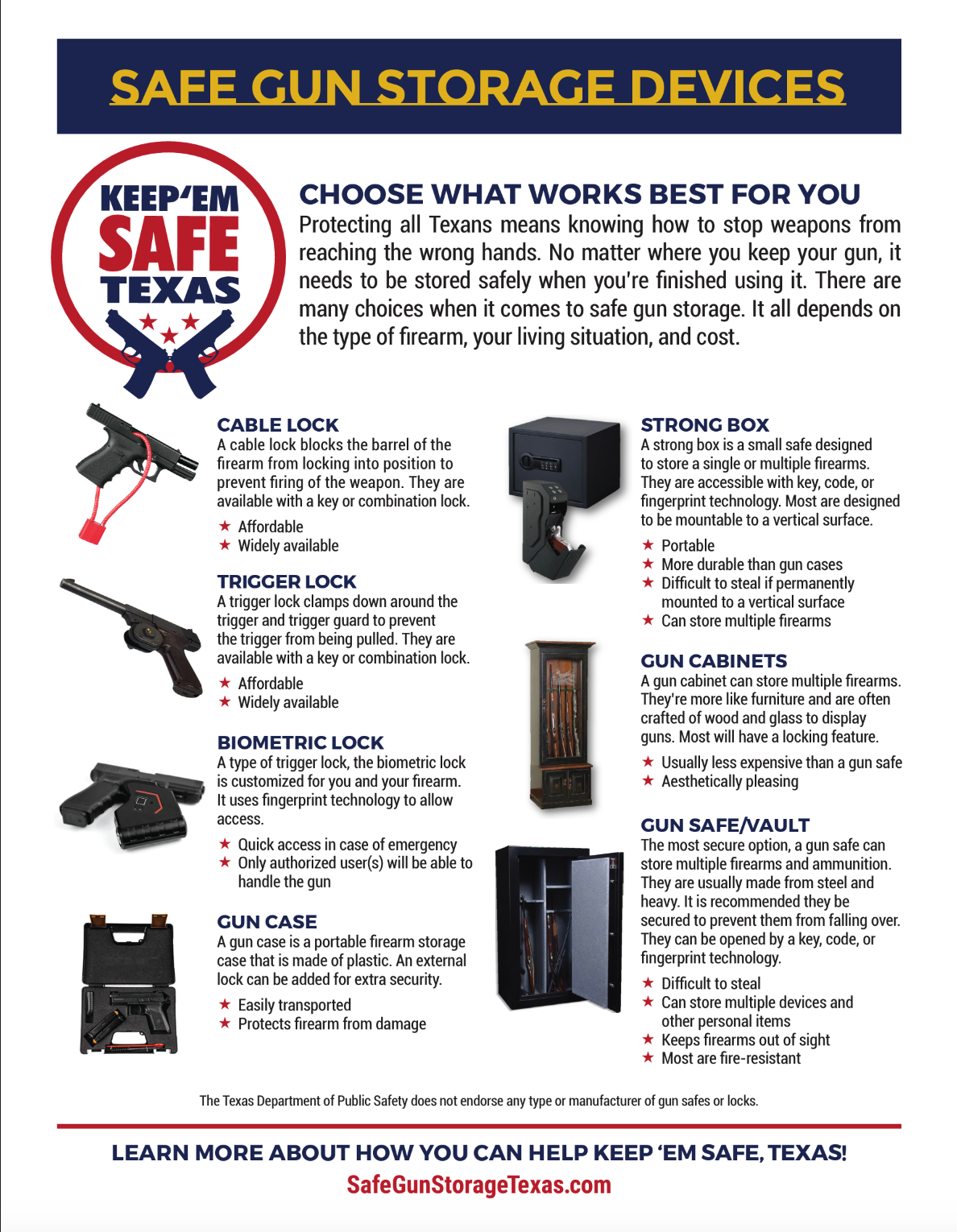
If you’re worried about trigger lock damage, other storage solutions can offer safety without direct contact:
- Gun safes: The most secure option, protects from theft and damage.
- Cable locks: Often recommended by police, less likely to touch sensitive parts.
- Chamber flags: Visually show the gun is unloaded, but not a security device.
- Lock boxes: Portable, less risk of scratching.
Here’s a comparison of trigger locks and alternatives:
| Device | Contact with Gun | Security Level | Risk of Damage |
|---|---|---|---|
| Trigger Lock | Direct (trigger guard) | Medium | Low–medium |
| Cable Lock | Through action | Medium–high | Low |
| Gun Safe | No direct contact | High | Very low |
| Lock Box | No direct contact | Medium–high | Very low |
Tips For Preventing Trigger Lock Damage
You can use trigger locks safely by following these guidelines:
- Clean the gun before locking: Dirt or grit can increase scratching risk.
- Inspect the lock before each use: Look for sharp edges or worn surfaces.
- Install gently: Never force the lock into place.
- Remove periodically: Don’t leave a lock on for months—check for wear.
- Store in a padded case: Extra protection from bumps or movement.
- Use a lock with rubber or padding: Some models include soft inserts.
A non-obvious insight: temperature changes can cause expansion or contraction, making a lock fit tighter or looser. If you store your gun in a hot or cold place, check the lock regularly.
Should You Use A Trigger Lock? Realistic Advice
For most owners, trigger locks are a good balance between safety and convenience. Damage is unlikely if you use the right lock and check regularly. But they are not perfect. If you have a valuable, rare, or competition firearm, think carefully about the risk.
It’s also important to remember that trigger locks are only one part of safe gun storage. Combining a lock with a secure location—like a safe or lock box—offers much better protection.
Legal And Insurance Considerations
Some states require trigger locks by law, especially if you have children in the home. Insurance companies may ask about your storage methods, too. If you skip using a lock, you could face penalties or lose coverage.
But insurance rarely covers cosmetic damage from locks. If you collect guns, ask your provider about coverage for wear and tear.
How Manufacturers View Trigger Locks
Most gun makers support using trigger locks and often include one with new guns. But they warn owners to use only locks that fit their models. Some companies, like Ruger and Glock, provide detailed instructions and recommend checking for wear.
Manufacturers rarely cover trigger lock damage under warranty. If you notice damage, contact them for advice before attempting repairs.
Expert Opinions And Recommendations
Gun experts, gunsmiths, and safety instructors agree:
- Trigger locks are safe if used properly
- Damage is rare, but possible
- Fit and material matter most
- Regular inspection prevents problems
A gunsmith’s advice: “Don’t use a lock that presses on the trigger or doesn’t fit snugly. If you see scratches or feel a change in the trigger, stop using that lock.”
Summary: Key Points To Remember
- Trigger locks can cause minor damage, mostly cosmetic, if used incorrectly.
- Internal damage is rare but possible with tight or poorly fitting locks.
- Check compatibility and material before buying.
- Inspect your firearm and lock regularly.
- Alternatives like safes and cable locks offer more protection.
- Legal and insurance rules may require trigger locks.
For more background on firearm storage safety, visit the National Shooting Sports Foundation.
Frequently Asked Questions
Can A Trigger Lock Cause Permanent Damage To A Gun?
Permanent damage is very rare, but possible. Most issues are cosmetic, like scratches or dents. Internal damage can happen if a lock presses directly on the trigger for a long time or if it’s installed too tightly. Check your gun regularly and use a lock that fits well.
Is It Safe To Use A Trigger Lock On All Types Of Firearms?
Most guns can use a trigger lock, but not every lock fits every model. Some locks don’t fit well on small trigger guards or unusual shapes. Always check the manufacturer’s instructions and test the lock before regular use.
Are Cable Locks Safer For The Gun Than Trigger Locks?
Yes, cable locks usually touch less of the gun and don’t press on the trigger or guard. They are often recommended for long-term storage because they reduce the risk of scratches and internal stress.
How Often Should I Check My Firearm For Trigger Lock Damage?
Inspect your firearm every time you remove the lock, or at least once a month if the lock stays on. Look for scratches, dents, or changes in trigger feel. Early detection prevents bigger problems.
What Should I Do If I Notice Trigger Lock Damage?
Stop using the lock immediately. Clean the area and check for deeper issues. If you see internal damage or a change in trigger function, contact a gunsmith or the gun manufacturer for advice. If it’s only cosmetic, you may be able to touch up the finish.
Protecting your firearm is about balancing safety, convenience, and care. With the right trigger lock and regular checks, you can keep your gun secure without risking damage. Always choose quality over price, and remember: your firearm’s value and function depend on how you treat it.