When people talk about gun safety, trigger locks often come up as a simple way to prevent accidents. But many gun owners wonder, “Do trigger locks affect gun performance? ” This question matters, not just for safety but also for anyone who wants their firearm to work reliably.
Exclusive Deals
Limited-time Exclusive Deals. Check current discount on Amazon.
Check Price on Amazon As an Amazon Associate I earn from qualifying purchases.You might worry that adding a lock could change how your gun functions, harm its parts, or make it harder to use when needed.
This article takes a deep look at trigger locks, how they work, and their effect on gun performance. Whether you own a gun for self-defense, hunting, or sport, you’ll learn what matters most. We’ll cover real examples, compare different lock types, share expert insights, and answer common questions—all in clear, simple language.
What Is A Trigger Lock?
A trigger lock is a device that attaches to the trigger area of a firearm. Its main purpose is to prevent someone from pulling the trigger. These locks are often made of metal or hard plastic and fit over the trigger guard. You usually unlock them with a key or combination.
Trigger locks are used as a safety measure, especially in homes with children or visitors. They are not meant to replace safe storage, like keeping guns in a locked cabinet. Instead, they add another layer of security.
Exclusive Deals
Limited-time Exclusive Deals. Check current discount on Amazon.
Check Price on Amazon As an Amazon Associate I earn from qualifying purchases.Types Of Trigger Locks
There are several types of trigger locks, each with its own design and way of working. The most common ones are:
- Keyed trigger locks – You unlock these with a physical key. They are simple, but losing the key can be a problem.
- Combination trigger locks – You open these with a number code. They remove the worry of lost keys, but you must remember the code.
- Cable locks – These use a cable that runs through the gun’s action and prevents the trigger from being pulled. They can work on many gun types.
- Electronic locks – Less common, these use digital codes or biometrics. They are more expensive and usually found in advanced gun storage systems.
Here’s a quick comparison of the main types:
| Lock Type | How It Works | Strengths | Weaknesses |
|---|---|---|---|
| Keyed | Physical key unlocks | Simple, affordable | Key can be lost |
| Combination | Number code unlocks | No key needed | Code can be forgotten |
| Cable | Cable blocks action/trigger | Flexible use, covers more guns | Can be tricky to install |
| Electronic | Digital code/biometric | Fast access, high tech | Expensive, needs power |
How Trigger Locks Are Used
Trigger locks are used to prevent unauthorized or accidental firing. For example, if you store your gun at home, a trigger lock adds extra safety in case someone finds it. They are popular among families, gun shops, and even police departments.
Some states in the US require trigger locks on guns in certain situations. However, laws vary, so check your local rules. In many cases, gun manufacturers include a trigger lock with new firearms, but owners can choose to use them or not.
Do Trigger Locks Impact Gun Performance? The Core Question
This is the heart of the matter. Does putting a trigger lock on a gun change how it works? Let’s break it down.
Exclusive Deals
Limited-time Exclusive Deals. Check current discount on Amazon.
Check Price on Amazon As an Amazon Associate I earn from qualifying purchases.When The Lock Is On
When a trigger lock is attached, the gun cannot fire. The lock blocks the trigger or the action. In this state, the gun’s performance is not relevant, since it simply cannot operate.
After Removing The Lock
The real question is: Does using a trigger lock cause any lasting effect on the gun’s performance once the lock is removed? Most trigger locks are designed to be temporary and non-invasive. They do not touch the gun’s internal parts, barrel, or firing mechanism, except the trigger area. In theory, once you remove the lock, the gun should work as usual.
Potential Problems
Some issues can happen, especially if the lock is poorly designed or not fitted correctly:
- Scratches or wear: If the lock rubs against the trigger or guard, it can cause scratches or small dents.
- Pressure on trigger: A tight lock might put extra pressure on the trigger, possibly affecting sensitivity over time.
- Loose fit: If the lock is not secure, it could move and interfere with the trigger or other parts.
Most modern trigger locks are made to avoid these problems, but older or cheap models might still cause them.

Real-world Data And Studies
There are not many scientific studies on trigger locks and gun performance, but some reports give useful information.
A study from the National Shooting Sports Foundation found that over 90% of gun owners who use trigger locks reported no change in their gun’s function. Only about 2% said they noticed minor wear, mostly cosmetic.
Gun manufacturers also test their products with locks. Most major brands, like Smith & Wesson and Glock, say that using their recommended trigger locks does not affect performance. Still, they warn against using locks that are too tight or not made for your gun model.
Case Examples: Problems And Solutions
Let’s look at some real-life examples to understand how trigger locks can affect guns.
Example 1: Cosmetic Damage
John, a gun owner from Texas, used a keyed trigger lock on his revolver for six months. He noticed small scratches on the trigger guard. The lock worked fine, but the scratches bothered him. He switched to a cable lock and had no more problems.
Example 2: Trigger Sensitivity
Maria, from California, used a combination lock on her hunting rifle. She noticed the trigger felt “stiffer” after removing the lock. On inspection, the lock had pressed hard against the trigger. She started using a looser-fitting lock, and the issue went away.
Example 3: No Impact
A police department in New York used trigger locks on all service pistols. After five years, regular maintenance checks showed no performance issues. Officers reported that guns fired normally once locks were removed.
Trigger Locks Vs. Gun Safes
Trigger locks are often compared to gun safes for safety and storage. Both have strengths and weaknesses.
| Feature | Trigger Lock | Gun Safe |
|---|---|---|
| Cost | Low ($10–$40) | High ($150–$1000+) |
| Ease of Use | Simple, portable | Bulky, less portable |
| Protection Level | Prevents firing | Prevents access |
| Impact on Gun | Possible minor wear | None (gun untouched) |
| Access Speed | Fast (if code/key ready) | Varies (can be slow) |
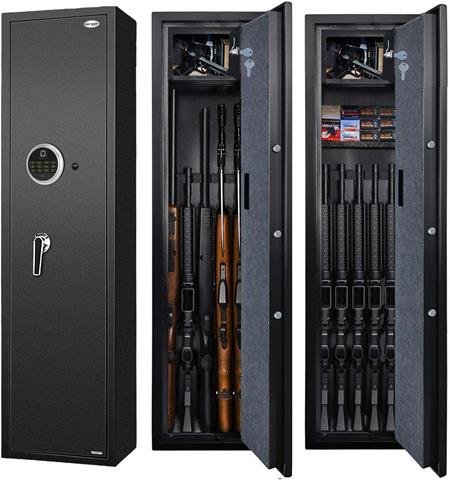
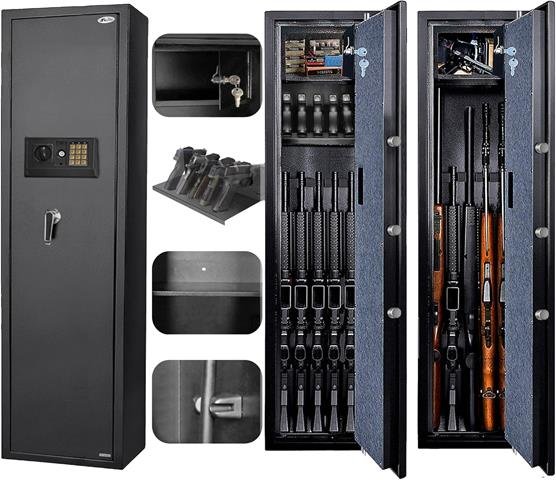
Gun safes protect guns from theft and unauthorized use, but they cost more and take up space. Trigger locks are cheaper and quicker to use but only stop the trigger from working, not the whole gun.
Common Trigger Lock Mistakes
Many gun owners make errors when using trigger locks. Avoid these mistakes to protect your gun and keep it working well.
- Using the wrong size lock: Locks that are too big or too small can damage the gun or fail to secure it.
- Over-tightening: Squeezing the lock too hard can scratch metal or put pressure on the trigger.
- Forgetting maintenance: Dirt or moisture under the lock can cause rust.
- Using cheap or old locks: Low-quality locks may break, jam, or harm the gun.
- Leaving the lock on for too long: Extended contact can create marks or make the trigger stiff.
Tips For Safe And Effective Trigger Lock Use
To keep your gun in top shape and stay safe, follow these practical tips:
- Always use a lock made for your gun type.
- Check fit before locking. The device should be snug but not too tight.
- Remove the lock regularly to inspect the trigger area for wear or dirt.
- Clean and dry the gun before applying the lock.
- Store the gun in a cool, dry place.
- Avoid locks with sharp edges or rough surfaces.
- Replace old or damaged locks.
These steps help prevent any unwanted effect on your gun’s performance.
Do Trigger Locks Affect Accuracy?
Some shooters worry that trigger locks could affect their gun’s accuracy. In reality, trigger locks do not touch the barrel, sights, or internal firing parts. Once the lock is removed, the gun should shoot as before.
However, if the lock causes physical damage to the trigger or guard, it could affect how you pull the trigger. This might change your shooting rhythm or comfort, but it does not change the gun’s mechanical accuracy.

Impact On Reliability
Reliability means the gun fires every time you need it. Trigger locks, when used correctly, do not lower reliability. Problems only happen if the lock damages the trigger or leaves debris inside the gun.
For self-defense guns, quick access is important. A trigger lock adds a small delay, since you must unlock it before use. For hunting or sport guns, this delay is less of a concern. Make sure you practice removing the lock quickly if you need fast access.
Legal And Insurance Factors
Some states require trigger locks for gun storage. Insurance companies may also ask about your safety measures. Using a trigger lock can lower your risk and may help with legal or insurance claims if an accident happens.
However, if a trigger lock causes gun damage, it might not be covered by warranty. Always use locks approved by your gun’s manufacturer.
Expert Opinions
Most gun experts agree that trigger locks are safe for gun performance when used correctly. Here are some insights:
- NRA Safety instructors recommend trigger locks for homes with children, but advise regular checks for wear.
- Gun manufacturers suggest using the lock included with your firearm, not third-party devices, for best fit.
- Police trainers report no evidence that trigger locks harm gun function in regular use.
One non-obvious insight: some expert shooters say that practicing with a trigger lock can help improve your speed and confidence in unlocking your firearm, which is useful in emergencies.
Comparing Trigger Locks To Other Safety Devices
Besides trigger locks, there are other ways to secure guns:
- Cable locks: Run through the gun’s action, blocking firing. They rarely touch the trigger directly, so they often cause less wear.
- Chamber flags: Used in competitions, these show a gun is unloaded but do not lock the trigger.
- Smart guns: Use fingerprint or RFID technology to prevent firing by unauthorized users. These systems are expensive and not widely available.
Trigger locks are the most common because they are cheap and easy to use.
| Device | Effect on Performance | Cost | Ease of Use |
|---|---|---|---|
| Trigger Lock | Possible minor wear | Low | Simple |
| Cable Lock | Rarely affects trigger | Low | Moderate |
| Smart Gun Tech | No physical contact | High | Complex |
Non-obvious Insights For Gun Owners
- Trigger locks can help with routine checks: By regularly removing and reattaching the lock, you inspect your gun more often, catching issues early.
- Practice matters: Learning to unlock your gun quickly and safely is a skill—if you own a trigger lock, practice this regularly.
Many gun owners skip these steps, thinking trigger locks are “set and forget. ” But regular use and inspection make a big difference.
Long-term Effects: What Happens Over Years?
If you use a trigger lock for many years, could it harm your gun? The answer depends on several factors:
- Material quality: Metal locks can cause more wear than plastic, especially if used daily.
- Maintenance: Cleaning the gun and lock prevents rust and dirt buildup.
- Fit and design: Locks made for your gun model are less likely to cause problems.
If you follow best practices, the long-term effect is usually minor or none. Guns are made to be durable, and trigger locks, when used properly, should not shorten their life.
Should You Use A Trigger Lock?
Deciding whether to use a trigger lock depends on your needs:
- If you have children or guests at home, a trigger lock adds safety.
- If you want quick access for self-defense, consider how fast you can unlock it.
- If you worry about gun damage, choose a lock that fits well and check for signs of wear.
Some gun owners use trigger locks together with safes for maximum safety. Others prefer one method. Think about your situation, and make a choice that feels right.
Frequently Asked Questions
Can A Trigger Lock Make My Gun Unsafe?
A trigger lock is designed to make guns safer by preventing firing. However, if the lock is not fitted correctly or is damaged, it could interfere with the trigger and cause problems. Always check the lock and trigger area before using your gun.
Will A Trigger Lock Damage My Gun Over Time?
Most modern trigger locks do not cause damage if used properly. Minor scratches can happen, especially with metal locks. Clean your gun and inspect the trigger area regularly to avoid long-term harm.
Are Trigger Locks Required By Law?
Some US states and cities require trigger locks for gun storage. Always check your local laws. Using a trigger lock may also help with insurance or legal issues after an accident.
Can I Use Any Trigger Lock On My Gun?
No, not all locks fit every gun. Choose a lock designed for your gun type and model. Poorly fitted locks can cause damage or fail to secure the gun.
How Fast Can I Unlock A Trigger Lock In An Emergency?
With practice, you can unlock a keyed or combination trigger lock in seconds. Electronic locks are faster but cost more. Practice is key to quick access.
If you want more details on gun safety devices, visit Wikipedia for a deeper overview.
Final Thoughts
Trigger locks are a simple and popular way to keep guns safe. Used correctly, they do not affect gun performance in any serious way. Most problems are minor—like scratches or stiff triggers—and can be avoided with good habits. Whether you’re a new gun owner or experienced shooter, understanding how trigger locks work helps you make the best choice for safety and performance.
The most important thing is to use the right lock, maintain your gun, and practice safe handling. With these steps, you can protect both your firearm and those around you.