Anyone who owns a firearm knows that safety is not optional—it’s a responsibility. Whether you keep guns for home defense, hunting, or as collectibles, preventing unauthorized access is critical. Among the many options for securing firearms, trigger locks are one of the simplest and most affordable solutions. But a common question arises: Do trigger locks fit all gun types? The answer is more complex than a simple yes or no. Understanding how trigger locks work, which guns they fit, and where they fall short can help gun owners make safer choices.
Exclusive Deals
Limited-time Exclusive Deals. Check current discount on Amazon.
Check Price on Amazon As an Amazon Associate I earn from qualifying purchases.What Is A Trigger Lock?
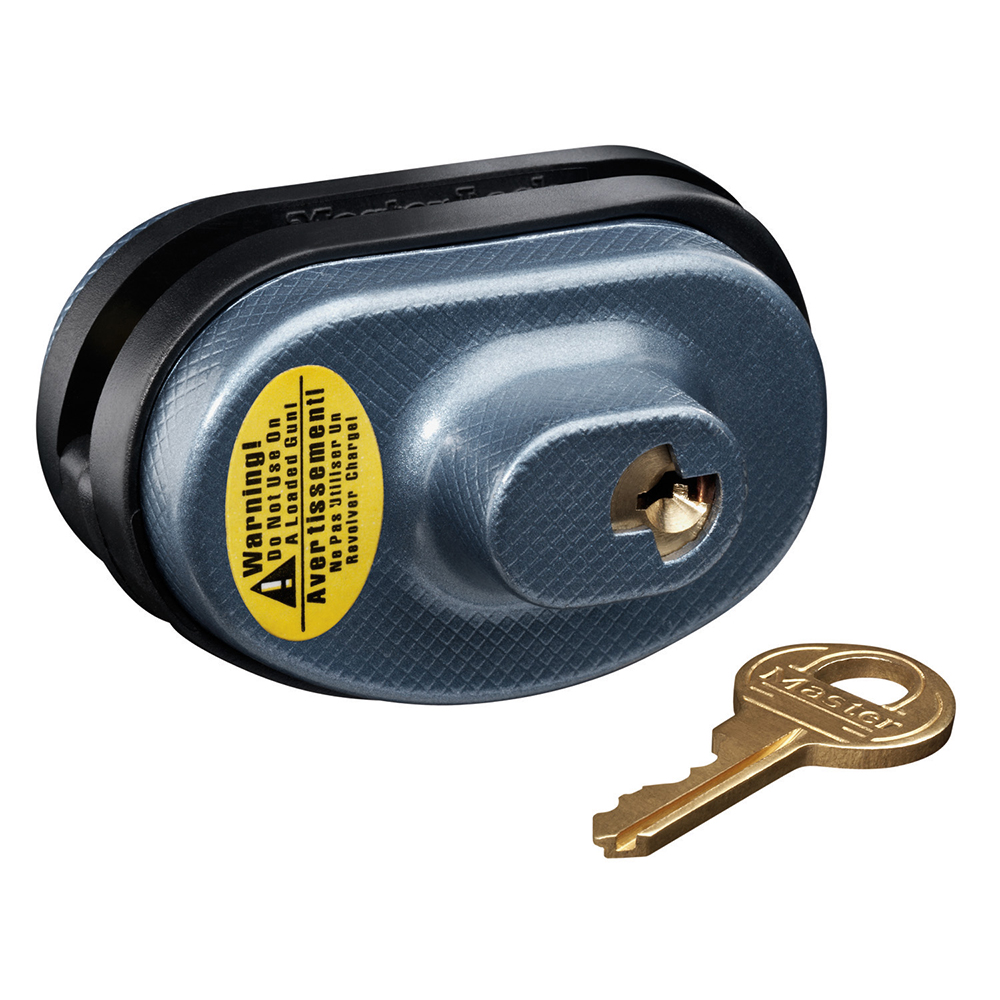
A trigger lock is a device designed to prevent a gun from being fired by blocking or securing the trigger. Most trigger locks consist of two pieces that clamp together over the trigger guard, and they can be opened with a key or a combination code. Their main purpose is to stop accidental discharges, especially in homes with children or inexperienced users.
Trigger locks are not meant to replace secure storage, like a gun safe. Instead, they add an extra layer of safety. They are small, portable, and usually inexpensive—making them an attractive option for many gun owners.
Different Types Of Trigger Locks
Not all trigger locks are the same. There are several designs, each with unique features and compatibility. Understanding these types helps explain why some may or may not fit certain guns.
1. Keyed Trigger Locks
These are the most common. They use a traditional key to lock and unlock the device. Keyed trigger locks are simple, but losing the key can be a problem.
Exclusive Deals
Limited-time Exclusive Deals. Check current discount on Amazon.
Check Price on Amazon As an Amazon Associate I earn from qualifying purchases.2. Combination Trigger Locks
Instead of a key, these require entering a combination, similar to a bike lock. They are good for people who don’t want to keep track of a small key.
3. Cable-style Trigger Locks
A cable lock threads through the action of the gun, blocking it from closing. These are often included with new firearms. Cable locks are more versatile than clamp-style trigger locks.
4. Biometric Trigger Locks
A newer, high-tech option, these locks open with a fingerprint. They are quick to use but more expensive.
How Trigger Locks Work On Different Gun Types
To answer whether trigger locks fit all gun types, it helps to look at the main categories of firearms: handguns, rifles, and shotguns. Each has a different shape, size, and trigger design.
Handguns
Handguns are usually compatible with most standard trigger locks. Both revolvers and semi-automatic pistols have trigger guards that fit the clamp-style locks. However, there are exceptions for very small or uniquely shaped pistols. Some compact handguns have tiny trigger guards, making it hard for a lock to fit securely.
Exclusive Deals
Limited-time Exclusive Deals. Check current discount on Amazon.
Check Price on Amazon As an Amazon Associate I earn from qualifying purchases.Rifles
Many rifles accept trigger locks, especially hunting rifles and bolt-action models. But the trigger guard size and shape can vary. Some tactical rifles, like AR-15s, have larger trigger areas or unique designs that may not work well with standard locks.
Shotguns
Shotguns often have bigger trigger guards, especially pump and semi-auto types. While most trigger locks claim to fit shotguns, the fit is sometimes loose or awkward. Certain double-barrel shotguns or models with unusual trigger shapes can be a poor match.
Specialty Firearms
Guns with unique features—such as lever-action rifles, derringers, or antique firearms—may not accept standard trigger locks at all. The device might not fit, or it could interfere with parts of the gun.
Are Trigger Locks Universal?
The short answer is no, trigger locks are not universal. While manufacturers design them to fit a wide range of guns, there’s no “one size fits all” guarantee.
Some brands advertise “universal” trigger locks, but this mainly means they fit most common modern firearms. They may not work on:
- Vintage guns with odd trigger shapes
- Tiny subcompact pistols
- Guns with integrated trigger safeties
- Firearms with oversized trigger guards
A trigger lock must fit snugly and cover the trigger completely to be effective. If it’s too loose, the gun might still fire, or the lock could fall off.
Example: Trigger Lock Compatibility Chart
This simple table shows how three popular types of trigger locks tend to fit with different gun categories.
| Firearm Type | Clamp Trigger Lock | Cable Lock | Biometric Trigger Lock |
|---|---|---|---|
| Full-Size Handgun | Usually Fits | Usually Fits | Usually Fits |
| Compact Handgun | Sometimes Fits | Usually Fits | Sometimes Fits |
| Bolt-Action Rifle | Usually Fits | Usually Fits | Rarely Fits |
| Shotgun | Sometimes Fits | Usually Fits | Rarely Fits |
| Lever-Action Rifle | Rarely Fits | Sometimes Fits | Rarely Fits |

Why Some Trigger Locks Don’t Fit Certain Guns
The main reason trigger locks may not fit is the size and shape of the trigger guard. Trigger locks are designed to clamp over this part, but if the guard is very thick, thin, or shaped differently, the lock may not close or may leave gaps.
Some guns have double triggers, making it hard to cover both triggers with a single device. Others have curved or oversized trigger guards that block the lock’s mechanism. Even the placement of gun parts, like magazine releases, can get in the way.
Example: Compact Pistols
Subcompact pistols, such as the Glock 43 or Ruger LCP, are so small that many trigger locks cannot fit securely. The lock may wiggle or even slide off, which defeats its purpose.
Example: Lever-action Rifles
Lever-action rifles, such as the Winchester 94, have a lever that sits around the trigger guard. Most clamp-style trigger locks interfere with the lever, so they can’t be attached properly.
Comparing Trigger Lock Features
Not all trigger locks are created equal. Here’s a comparison of some important features to consider when choosing a trigger lock for your firearm.
| Feature | Clamp Lock | Cable Lock | Biometric Lock |
|---|---|---|---|
| Price | Low | Low | High |
| Ease of Use | Easy | Moderate | Very Easy |
| Compatibility | Moderate | High | Low |
| Security Level | Basic | Moderate | High |
| Quick Access | Slow | Slow | Fast |

How To Check If A Trigger Lock Fits Your Gun
Choosing the right trigger lock is about more than picking the cheapest or most popular option. Here’s how you can make sure a trigger lock fits your firearm safely:
- Measure the Trigger Guard: Use a ruler or caliper to check the width, height, and thickness of your trigger guard. Compare these measurements with the trigger lock’s specifications.
- Test the Fit: Before relying on the lock, try attaching it to your unloaded gun. Make sure it covers the trigger completely and does not move around.
- Check for Interference: See if the lock blocks access to other controls (like magazine releases or safeties). It should only block the trigger, not other important parts.
- Read the Manufacturer’s Instructions: Some trigger locks are not designed for certain gun types, and this is usually noted in the instructions.
- Consider the Model: If your gun is a rare or antique model, contact the gun or lock manufacturer for compatibility advice.
Example: Fitting A Cable Lock
Cable locks are usually more versatile. To use one, you thread the cable through the open action of the gun (for example, through the ejection port and out the magazine well of a pistol). This method works for most guns, but very short barrels or unusual designs may still be a problem.
Common Problems And Mistakes With Trigger Locks
Trigger locks are simple, but some issues can reduce their effectiveness or even create new risks.
Not Testing The Fit
Many owners buy a trigger lock and assume it fits all their guns. They don’t check if the lock is secure. A loose lock can fall off, and a too-tight lock could damage the gun or block other features.
Relying On The Lock Alone
A trigger lock is not a substitute for a safe storage solution. If the gun is left loaded and accessible, a determined person may still remove the lock. Locks are a deterrent, not an absolute barrier.
Using The Wrong Lock Type
Trying to use a clamp lock on a gun with an unusual trigger guard can damage the firearm or make the lock useless. Always match the lock type to the gun design.
Not Unloading The Firearm
Always unload the gun before attaching or removing a trigger lock. Failing to do so increases the risk of accidental discharge.
When Trigger Locks Are Not Enough
While trigger locks can help prevent accidents, they are not the gold standard for gun safety. They are best used as part of a broader safety plan.
Limitations Of Trigger Locks
- Not childproof: Many older children or teenagers can defeat basic trigger locks with tools.
- No theft protection: Trigger locks do not secure the entire firearm; a thief can still steal the gun and remove the lock later.
- Slow access: In an emergency, unlocking a trigger lock takes time.
When To Choose A Gun Safe Instead
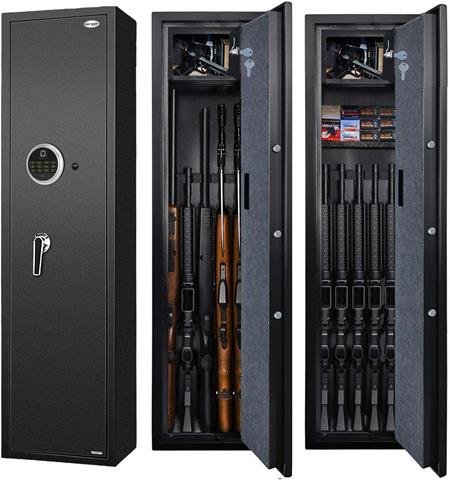
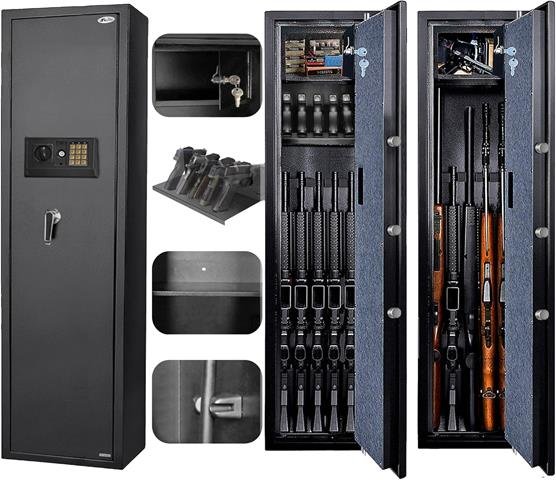
If you have multiple firearms, live with children, or are concerned about theft, a gun safe is a better solution. Modern gun safes can store several guns, protect against fire, and offer quick access with digital or biometric locks.
Trigger locks are most useful for:
- Travel (when you need to secure a gun temporarily)
- Keeping a single firearm safer in a locked location
- Adding a second layer of security to guns already stored in a safe
Legal Requirements For Trigger Locks
In some places, using a trigger lock is required by law. For example, California requires all gun sales to include a California-approved safety device, which often means a trigger lock or cable lock. Other states have similar rules, especially where children are present.
Check your local laws to understand what’s required. Some laws specify the type of lock, while others only require that guns be “secured. ”
Example: Canadian Law
In Canada, firearms must be unloaded and locked when not in use, often with a trigger or cable lock, especially during transport.
Safety Standards
The California Department of Justice maintains a list of approved safety devices. Look for locks that meet recognized standards, like ASTM F2369-23, for confidence in their effectiveness.
Real-world Examples And Insights
Manufacturer Recommendations
Many gun makers include a cable lock with new firearms. For example, Glock and Smith & Wesson provide basic cable locks that fit most of their models. However, these may not fit other brands or older guns.
Insurance Requirements
Some firearm insurance policies require guns to be locked with a trigger lock or stored in a safe. Not following these rules can void your coverage.
Accidental Discharge Cases
There have been tragic cases where children found unsecured firearms and a trigger lock was not used or was defeated easily. The National Shooting Sports Foundation found that 70% of unintentional child shooting deaths occurred because the gun was loaded and accessible.
Beyond The Trigger Lock: Other Gun Safety Devices
If a trigger lock does not fit your firearm, or you want added protection, consider these alternatives:
- Cable Locks: Fit more guns than clamp locks, especially semi-automatics and rifles.
- Gun Cases: Hard or soft cases with built-in locks add a layer of security.
- Lock Boxes: Small safes or boxes with mechanical or electronic locks.
- Smart Guns: Some new firearms use electronic safety systems tied to fingerprints or radio tags.
Comparison Table: Trigger Locks Vs. Other Devices
| Device Type | Fits Most Guns | Theft Protection | Quick Access |
|---|---|---|---|
| Trigger Lock | Some | No | Slow |
| Cable Lock | Most | No | Moderate |
| Lock Box | Most | Yes | Fast |
| Gun Safe | Most | Yes | Varies |
Tips For Safe And Effective Use Of Trigger Locks
- Always Unload Before Locking: Never attach or remove a trigger lock on a loaded gun.
- Store Keys or Codes Securely: Keep keys or combinations in a safe place, away from children or unauthorized users.
- Check Fit Regularly: Guns can wear or change with use; make sure the lock still fits well.
- Combine with Other Security: Use a trigger lock along with a locked cabinet or safe for best results.
- Educate Family Members: Teach everyone in the home about gun safety and the purpose of trigger locks.
Non-obvious Insights For Gun Owners
- Environmental Factors Matter: High humidity or dust can cause some trigger locks to corrode or jam, especially on guns stored long-term. Check and maintain your locks as you would your firearms.
- Trigger Locks Can Be Defeated: With common tools, many basic trigger locks can be removed in minutes. They’re a deterrent, not an impenetrable barrier.
- Aftermarket Modifications Affect Fit: If you add aftermarket grips, triggers, or guards to your gun, the trigger lock that once fit might not fit now. Always re-check after modifications.
- Legal Cases Have Used Lock Absence as Evidence: In lawsuits after accidental shootings, courts have sometimes considered the lack of a trigger lock as evidence of negligence. Using a lock can be part of demonstrating responsible gun ownership.
Frequently Asked Questions
Do All New Guns Come With A Trigger Lock?
Not all new guns include a trigger lock, but many do, especially in the United States. Federal law requires that all handguns sold by dealers include a safety device, which is often a cable or trigger lock. However, if you buy a used gun, it may not include one.
Can I Use A Trigger Lock As My Only Gun Safety Measure?
A trigger lock is a helpful safety tool, but it should not be your only measure. For best results, combine a trigger lock with safe storage—like a gun safe or lock box—and always keep firearms unloaded when not in use.
Are Trigger Locks Easy To Remove Without A Key Or Code?
Basic trigger locks can be defeated with tools like screwdrivers or pliers, though this takes time and effort. Higher-quality or biometric locks offer more protection, but no lock is totally theft-proof. Always use multiple layers of security.
Will A Trigger Lock Damage My Gun?
If used correctly, trigger locks should not damage your firearm. However, using the wrong size or forcing a lock onto the trigger guard can scratch or bend parts. Always follow the manufacturer’s recommendations and check for fit before regular use.
Where Can I Learn More About Gun Safety Devices?
For more information on safe gun storage and devices, visit the Gun Safety page on Wikipedia or contact your local law enforcement agency for advice.
Securing your firearms is more than just following the law—it’s about protecting your loved ones and your community. Understanding the limits of trigger locks, and using them properly, makes you a safer and more responsible gun owner. Always test the fit, follow best practices, and stay informed about new safety technology for peace of mind.