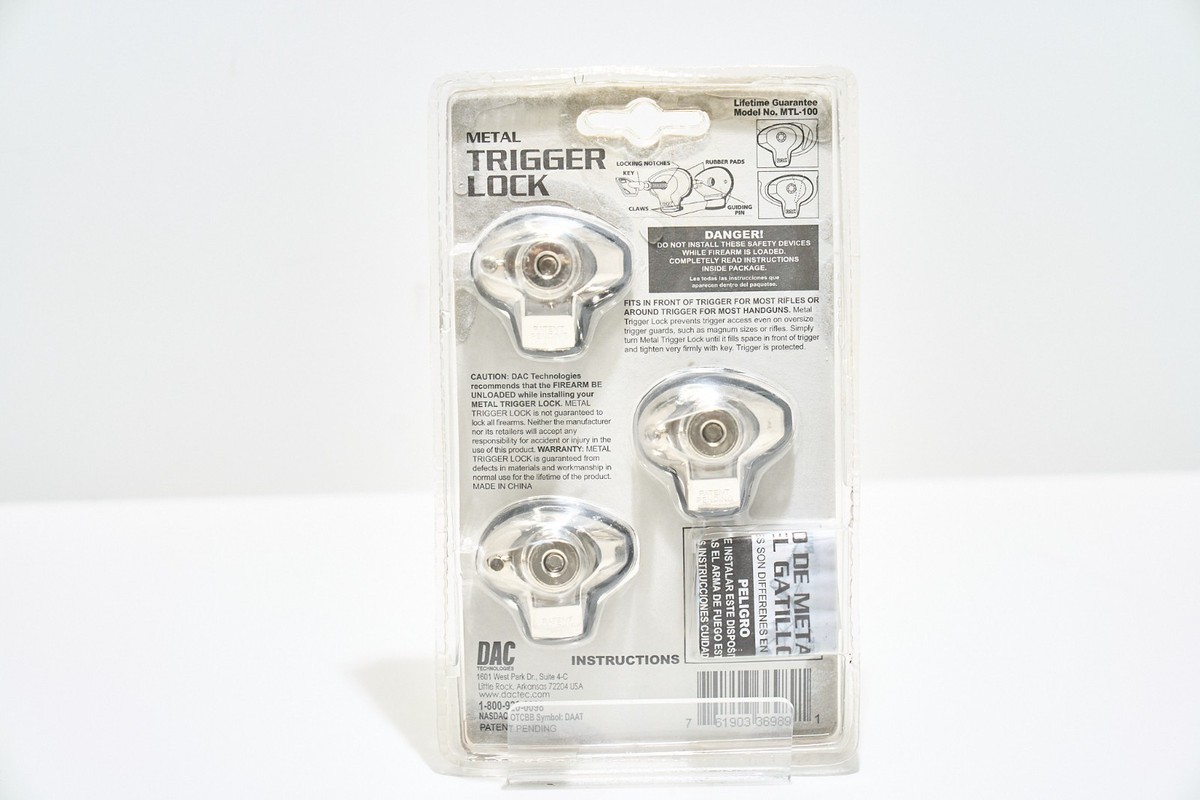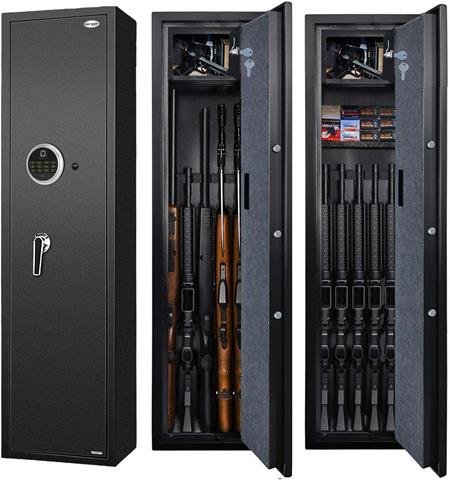
Trigger locks play a silent but vital role in firearm safety. For many gun owners, these small devices are the first line of defense against unauthorized use, accidental discharge, and tragic mistakes. But have you ever wondered what materials give trigger locks their toughness and reliability?
Exclusive Deals
Limited-time Exclusive Deals. Check current discount on Amazon.
Check Price on Amazon As an Amazon Associate I earn from qualifying purchases.The answer is not as simple as “metal” or “plastic. ” In fact, the choice of material affects not just the lock’s durability, but also its price, weight, and even how easy it is to break or bypass. Understanding what trigger locks are made from helps you make informed decisions about firearm safety, especially if you’re new to gun ownership or buying your first lock.
Let’s explore the world of trigger lock materials—from basic metals to advanced composites—and see what makes each option unique. Along the way, you’ll discover strengths, weaknesses, and even a few hidden risks most beginners never consider. By the end, you’ll know exactly what to look for, and you’ll have a clear view of how material science keeps firearms safer in homes, vehicles, and workplaces.
The Role Of Materials In Trigger Lock Safety
The material of a trigger lock is not a small detail. It shapes the lock’s security, cost, feel, and resistance to attacks. A good trigger lock must resist cutting, prying, and hammering. It should also survive daily wear and exposure to humidity or chemicals without breaking down.
But not all materials perform equally in these areas.
Exclusive Deals
Limited-time Exclusive Deals. Check current discount on Amazon.
Check Price on Amazon As an Amazon Associate I earn from qualifying purchases.Material choice also affects user experience. A heavy steel lock may offer more security, but it can be uncomfortable to handle or carry. On the other hand, a lightweight plastic lock is easier to use, but may not stop a determined thief.
In a world where every second counts, the right material can be the difference between safety and disaster.
Common Materials Used In Trigger Locks
Trigger locks are made from a range of materials, each with its own properties. Here are the main types you’ll find on the market:
- Hardened steel
- Zinc alloys
- Aluminum
- High-strength plastics
- Composite materials
- Rubber or synthetic coatings
Let’s break down each material in detail.
Hardened Steel
Hardened steel is one of the most trusted materials for trigger locks. This is not the same steel used in kitchen knives or car frames. Hardened steel goes through a special heat treatment process that makes it much tougher and more resistant to cutting or drilling.
Exclusive Deals
Limited-time Exclusive Deals. Check current discount on Amazon.
Check Price on Amazon As an Amazon Associate I earn from qualifying purchases.- Advantages: High resistance to cutting, prying, and drilling. Great for securing firearms in risky environments.
- Disadvantages: Heavier than other options. Can rust if not properly coated. Usually more expensive.
A typical hardened steel trigger lock can withstand attacks that would break a basic plastic lock in seconds. But weight and cost are always higher. If you want maximum security, this is often the material of choice.
Zinc Alloys
Zinc alloys are widely used for mid-range trigger locks. These alloys mix zinc with small amounts of other metals, like aluminum or copper, to improve strength and resistance.
- Advantages: Lower cost than steel, lighter weight, good resistance to corrosion.
- Disadvantages: Not as tough as hardened steel. Can be broken with the right tools if enough force is applied.
Zinc alloy locks are common in “universal” trigger locks found in big-box stores. They balance affordability with decent security, making them popular for casual gun owners.
Aluminum
Aluminum is sometimes used in trigger locks, especially when weight is a concern. Aluminum is naturally resistant to corrosion, which makes it good for humid climates or outdoor storage.
- Advantages: Lightweight, rustproof, and easy to handle.
- Disadvantages: Less resistant to cutting or heavy impacts compared to steel. Can deform under strong force.
For most gun owners, aluminum trigger locks are a compromise between security and convenience. They are often combined with steel or zinc in multi-part designs.
High-strength Plastics
High-strength plastics, such as glass-filled nylon or reinforced polycarbonate, are becoming more common in modern trigger locks. These are not the same as regular household plastics. They are engineered to be tough, sometimes even bullet-resistant.
- Advantages: Very lightweight, won’t rust, can absorb impacts without cracking.
- Disadvantages: Vulnerable to melting with heat or being cut with sharp tools. Perceived as “less secure” by some users.
Plastic locks are often used for temporary or travel situations, or as a backup to a main gun safe. They are also popular in homes with children, as they can be brightly colored and easy to spot.
Composite Materials
Composite materials combine two or more substances to create a trigger lock that leverages the best properties of each. For example, a lock might use a steel core with a plastic shell.
- Advantages: Customizable security features, often more comfortable to handle, resistant to environmental damage.
- Disadvantages: Complexity can drive up the price. Quality varies depending on the mix of materials.
These locks are common in premium brands that focus on user experience as well as security. Composite locks can also be designed to defeat common attack methods, such as freezing or picking.
Rubber Or Synthetic Coatings
While not a structural material, rubber or synthetic coatings play a key role in trigger lock design. These coatings cover the outside of the lock to protect the firearm’s finish and improve grip.
- Advantages: Prevents scratches on guns, improves handling, adds weather resistance.
- Disadvantages: Coating can wear off over time. Doesn’t add structural strength.
Most high-quality trigger locks include a soft coating over metal or hard plastic parts. This small detail can make a big difference in daily use.
How Material Choice Impacts Security
Not all trigger locks provide the same level of security. The material is often the main reason for this difference. Some locks are designed for quick access and basic safety, while others are built to survive serious attacks. Here’s how material impacts security in real-world situations:
Resistance To Physical Attacks
A steel or composite lock will usually survive cutting, prying, or hammering much better than a plastic or aluminum lock. For example, a steel lock might resist a bolt cutter, while a plastic lock would break. Some advanced composites can even deflect bullets or absorb heavy impacts.
Durability Over Time
Materials like zinc and aluminum resist rust, making them ideal for long-term use in humid or coastal areas. Steel, if not coated, will eventually rust. Plastics can become brittle with age, especially if left in sunlight. Always consider the environment where you’ll use the lock.
Tamper Resistance
Many trigger locks are vulnerable to picking or bypassing if made from weak materials. Hardened steel and well-designed composites can include complex locking mechanisms that are hard to defeat. Low-cost plastic or zinc locks may have simple keys or combination dials that are easy to trick.
Comparing Common Trigger Lock Materials
To help you see the differences, here’s a comparison of the most common materials used in trigger locks:
| Material | Security Level | Weight | Corrosion Resistance | Cost |
|---|---|---|---|---|
| Hardened Steel | Very High | Heavy | Low (unless coated) | High |
| Zinc Alloy | Moderate | Medium | High | Medium |
| Aluminum | Low to Moderate | Light | Very High | Medium |
| High-Strength Plastic | Low to Moderate | Very Light | Very High | Low |
| Composite | High | Medium | Very High | High |
Real-world Examples Of Trigger Lock Materials
Let’s look at some popular trigger locks and the materials they use. This will help you match product names with the materials discussed.
Master Lock 90trispt
- Material: Zinc body, steel shackle
- Features: Coated for rust resistance, soft rubber pads to protect gun finish
Remington 18491 Trigger Lock
- Material: Hardened steel core, plastic housing
- Features: Combination lock, tough under impact, comfortable grip
Allen Company Trigger Lock
- Material: High-strength polymer
- Features: Lightweight, affordable, simple key system
Key Takeaway
The best material depends on your needs. If you store guns in a humid basement, aluminum or composite is smart. For maximum theft resistance, hardened steel is best. For travel or child safety, a plastic or polymer lock may be enough.
The Science Behind Trigger Lock Materials
Material science has a huge effect on how trigger locks perform. Engineers don’t just pick a metal or plastic at random—they test each option for specific properties:
- Tensile strength: How much force the material can handle before breaking.
- Shear resistance: Ability to resist being cut or snapped.
- Thermal stability: Whether heat or cold weakens the lock.
- Corrosion resistance: How well the material resists rust or chemical attack.
- Fatigue life: How many times the lock can open and close before failing.
For example, hardened steel can reach tensile strengths above 1500 megapascals (MPa), making it extremely hard to cut. Some advanced plastics can handle impacts equal to a hammer blow, but may melt if exposed to a torch.
A key point that many beginners miss: the weakest material in a lock sets the security limit. Even if the outside is steel, a weak plastic core can make the whole lock easy to break.
Environmental Factors And Material Selection
Where and how you use a trigger lock should affect your material choice. Here are some scenarios:
High-humidity Or Coastal Areas
- Best Materials: Aluminum, zinc alloys, high-strength plastics, or composites
- Why: These resist rust and won’t break down in salty air
Cold Or Freezing Climates
- Best Materials: Steel or composites with rubber coatings
- Why: Pure plastics may become brittle and crack in cold weather
Outdoor Use
- Best Materials: Coated steel, aluminum, or composites with UV protection
- Why: Must handle rain, sun, and temperature changes
This table shows how different materials perform in tough environments:
| Environment | Best Material | Worst Material |
|---|---|---|
| Humid/Coastal | Aluminum, Composite | Uncoated Steel |
| Cold Weather | Steel, Composite | Brittle Plastics |
| Outdoor/Travel | Coated Steel, Aluminum | Cheap Plastics |
Coatings And Surface Treatments: The Unsung Heroes
The coating on a trigger lock is often as important as the base material. Even the best steel will rust if exposed to moisture, so most quality locks have a protective layer:
- Powder coating: Thick, durable, resists scratches and rust.
- Electroplating: Uses a thin metal layer (like nickel or chrome) to prevent corrosion.
- Rubberized paint: Adds grip and protects firearm finish.
Some locks use Teflon or similar non-stick coatings to keep out dirt and moisture. These details may seem minor, but they can double the lock’s lifespan.
Innovative And Advanced Materials In Modern Trigger Locks
The world of trigger locks is always changing. Some brands now use carbon fiber composites or even ceramic inserts to fight new break-in techniques. Here are two innovations worth knowing:
- Carbon Fiber Reinforced Locks: Extremely strong, lightweight, and nearly immune to corrosion. Often used in high-end or tactical locks.
- Ceramic Inserts: Placed inside the lock to resist drilling. Ceramics are nearly as hard as diamonds, making them difficult for thieves to break.
These advanced materials are not common in budget locks, but they show how material science is pushing safety forward.
What Beginners Often Overlook About Trigger Lock Materials
Many first-time buyers focus on price or style, not material. Here are two crucial insights that most miss:
- Key strength is not just the outside. Thieves often attack the inside of a lock, where weak materials can be easily bypassed.
- Environmental stress is real. A lock that works fine in your home may fail if used outdoors or in a car trunk for months.
Always research the materials in every part of the lock—not just the shell. And consider where you’ll use the lock most often.
Selecting The Right Material For Your Needs
Choosing the best trigger lock material is not one-size-fits-all. Ask yourself:
- Who or what am I protecting against—children, thieves, or both?
- Will the lock stay indoors or be exposed to weather?
- How often will I need to unlock and relock it?
- Am I willing to pay more for extra security or convenience?
If you need the highest security, choose hardened steel or advanced composites. For everyday home use, zinc alloy or high-strength plastic may be enough.
Popular Brands And Their Material Choices
Leading brands often publish what materials they use. For example:
- Master Lock: Mainly steel and zinc alloy, with rubber coatings.
- Remington: Steel core, polymer shell.
- Allen Company: High-strength polymer.
You can find more details and user reviews on Wikipedia’s trigger lock page, which covers a wide range of models and materials.

Common Myths About Trigger Lock Materials
There are a few myths that can confuse buyers:
- “All metal locks are strong.” Not true—some metals are soft and easy to bend.
- “Plastic locks are useless.” High-strength polymers can resist impacts, but only if engineered well.
- “Coatings don’t matter.” A poor coating can ruin a good lock by letting in moisture or dirt.
Always look past marketing claims and check for independent testing or certifications.
Frequently Asked Questions
What Is The Strongest Material Used For Trigger Locks?
Hardened steel is generally the strongest material used in trigger locks. It resists cutting, drilling, and prying better than most other materials. Some advanced locks use steel cores with protective coatings for even more security.
Are Plastic Trigger Locks Safe?
High-strength plastic trigger locks can be safe for preventing child access or accidental discharge. However, they are less secure against determined attacks compared to metal or composite locks. Always match the material to your security needs.
Can Trigger Locks Rust?
Trigger locks made from uncoated steel can rust if exposed to moisture. Zinc alloys, aluminum, and most plastics do not rust. Always look for locks with corrosion-resistant coatings if you live in a humid area.
How Do I Know What Material My Trigger Lock Is Made From?
Check the product packaging or manufacturer’s website for material details. Many brands list the main materials used. If it’s not clear, look for visible signs like weight, color, or magnetic attraction (steel is magnetic, aluminum and plastic are not).
Do Coatings Really Make A Difference For Trigger Locks?
Yes, coatings protect against rust, scratches, and environmental damage. They also improve grip and prevent marks on your firearm. A good coating can double the life of a trigger lock, especially in tough environments.
Trigger lock material is about more than just “metal vs. plastic. ” It’s a careful balance of security, cost, comfort, and environment. By understanding what materials are used—and why—you can choose a lock that fits your needs and keeps your firearms as safe as possible.