A home should feel safe. But for many people, the fear of burglary is real. Every year, millions of homes are broken into, leading to stolen valuables, damaged property, and a loss of peace. The question is, can home alarm systems really prevent burglaries? Many homeowners wonder if investing in such technology will make a difference. In this article, we’ll explore how alarm systems work, what the data shows, and whether they actually keep burglars away. You’ll learn the facts, see comparisons, and understand the strengths and limits of modern alarm systems. If you’re thinking about protecting your home, or simply curious, you’ll find practical answers here.
Understanding Home Alarm Systems
Home alarm systems have changed a lot in the past few decades. Early systems simply made noise if a door or window was opened. Today’s systems use advanced sensors, cameras, and connections to monitoring centers. But what are the main parts, and how do they work together to stop burglars?
Main Components
Most alarm systems share some basic parts:
Exclusive Deals
Limited-time Exclusive Deals. Check current discount on Amazon.
Check Price on Amazon As an Amazon Associate I earn from qualifying purchases.- Sensors: These are placed on doors and windows. When someone opens them, the sensor triggers the alarm.
- Control Panel: This is the “brain” of the system. It connects all sensors and lets you turn the system on or off.
- Alarm Siren: When triggered, this makes a loud noise to scare burglars and alert neighbors.
- Motion Detectors: These sense movement inside your home.
- Cameras: Many modern systems include security cameras for real-time monitoring.
- Remote Access: You can control the system using your phone, even when you’re away.
- Monitoring Service: Some systems alert a security company that calls the police if an alarm goes off.
How Alarm Systems Work
A typical system works like this: You set the alarm when you leave home or go to sleep. If a door or window is opened, or if motion is detected, the system triggers a siren. With monitored systems, a signal is sent to a security company. If you don’t respond, they call the police. Unmonitored systems rely on loud noise to scare off burglars or warn neighbors.
Modern systems can also send alerts to your phone, record video, and let you check your home from anywhere. Some even let you speak through a speaker to warn intruders.
Do Alarm Systems Really Prevent Burglaries?
This is the core question. Many people install alarms hoping to stop break-ins, but do they actually work?
What The Research Shows
Several studies have looked at this issue. Here are some key findings:
Exclusive Deals
Limited-time Exclusive Deals. Check current discount on Amazon.
Check Price on Amazon As an Amazon Associate I earn from qualifying purchases.- A study by the University of North Carolina at Charlotte found that 60% of convicted burglars said they avoid homes with alarm systems.
- The FBI reports that homes without security systems are up to three times more likely to be broken into.
- Insurance companies often offer discounts to homes with alarm systems, showing they believe alarms reduce risk.
Real-world Examples
Think about two neighbors: one has a visible alarm system, the other does not. Burglars usually choose the easier target. If they see a camera or alarm sign, they may walk away. Police reports often show fewer break-ins at homes with alarms.
But alarms are not magic. Some burglars ignore signs, or try to disable systems. Still, most want a quick, quiet job, and alarms make this much harder.
Data Comparison
Here’s a simple table showing burglary rates based on alarm system presence:
Exclusive Deals
Limited-time Exclusive Deals. Check current discount on Amazon.
Check Price on Amazon As an Amazon Associate I earn from qualifying purchases.| Home Type | Burglary Rate (per 1,000) | Alarm System? |
|---|---|---|
| Home with Alarm | 2.4 | Yes |
| Home without Alarm | 7.1 | No |
This data is based on national averages. Homes with alarms see fewer break-ins.

How Alarm Systems Deter Burglars
So, Why Do Alarms Discourage Burglars? What Makes Them Effective?
Visible Deterrents
Burglars often check homes before acting. If they see:
- Alarm signs
- Security cameras
- Motion lights
They know breaking in will be noisy and risky. Most burglars want to avoid trouble. Alarm systems signal that your home is protected.
Noise And Attention
When an alarm sounds, it does two things:
- It scares the intruder, often making them run away.
- It alerts neighbors, increasing the chance someone calls the police.
Burglars usually want to spend less than 5 minutes inside. Loud alarms make that difficult.
Monitoring Services
Monitored systems add another layer of protection. If an alarm goes off and you don’t answer, the monitoring center contacts authorities. This means help can arrive quickly, even if you’re not home.
Real-time Alerts
With smart alarms, you get phone alerts. You can check cameras and even speak to intruders. This can make burglars leave, knowing they are being watched.
Limits And Weaknesses Of Alarm Systems
Alarm systems are powerful, but they are not perfect. It’s important to know their limits.
False Alarms
Sometimes, alarms go off by mistake. Pets, wind, or faulty sensors can trigger them. Too many false alarms can make people ignore them, or lead to fines from local police.
Skilled Burglars
Some burglars know how to disable alarms. They may cut wires or jam signals. This is rare, but possible. Cheap systems are easier to defeat.
Delayed Response
Even with monitoring, it takes time for police to arrive. If burglars act fast, they may grab valuables before leaving. Alarms reduce time spent inside, but do not stop all theft.
Privacy Concerns
Cameras and sensors can feel intrusive. Some people worry about being watched or recorded. Always choose systems with clear privacy controls.
Comparing Types Of Home Alarm Systems
Not all alarm systems are the same. Let’s compare the main types:
| System Type | Monitoring | Installation | Cost | Effectiveness |
|---|---|---|---|---|
| DIY Wireless | Self or optional | Easy | Low | Moderate |
| Professional Monitored | 24/7 center | Expert | High | High |
| Local Alarm Only | No | Easy | Low | Low |
DIY wireless systems are popular for renters and small homes. They are easy to install and cheaper. Professional monitored systems cost more but offer better support and faster response. Local alarms rely only on noise, with no remote monitoring.
Cost Vs. Benefit Of Home Alarm Systems
Is the investment worth it? Let’s look at the costs and what you gain.
Upfront And Ongoing Costs
- Basic DIY system: $100–$300 upfront, little or no monthly fee
- Professional monitored system: $500–$1,500 upfront, $20–$60 per month
- Insurance savings: Many companies offer 5–20% discounts for alarm systems
Value Of Peace Of Mind
For many, the main benefit is feeling safe. Knowing your home is protected helps you relax, sleep better, and worry less when away. This can be hard to measure, but is very valuable.
Reduction In Losses
Homes with alarms see lower losses from burglary. Burglars spend less time inside and often leave empty-handed. This can save thousands in property and repair costs.
Example: Cost Breakdown
| System | Yearly Cost | Avg. Loss Saved | Insurance Discount |
|---|---|---|---|
| DIY Wireless | $100 | $800 | $40 |
| Professional Monitored | $720 | $1,500 | $120 |
This table shows that even lower-cost systems can save money in the long run.
Smart Alarm Systems And New Technology
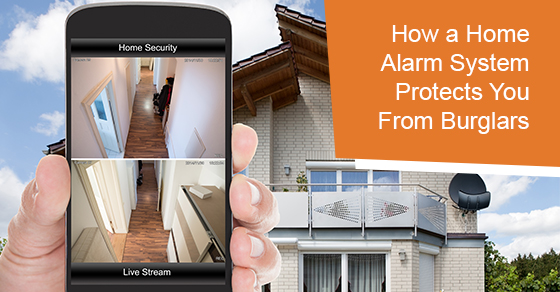
Technology is changing how we protect our homes. Today’s systems are smarter and more connected.
Features Of Smart Systems
- App control: Arm/disarm your system from anywhere
- Video monitoring: Watch live feeds and save recordings
- Voice alerts: Speak to intruders through your phone
- Integration: Connect with smart locks, lights, and other devices
- Automatic updates: Keep your system secure with new features
Benefits
Smart systems are more flexible. If you forget to set the alarm, you can do it from your phone. If a sensor detects movement, you get instant alerts. Some systems even use artificial intelligence to detect suspicious activity.
Practical Example
Imagine you’re on vacation. Your alarm sends a message: “Front door opened.” You check the video feed and see someone unfamiliar. You call the police, and they arrive in minutes. The burglar leaves, and nothing is stolen.
Common Mistakes Homeowners Make
Buying an alarm system is not enough. Many people make mistakes that reduce effectiveness.
Mistake 1: Not Using The System
Some people forget to set their alarms. This makes the system useless. Always arm your system when leaving or sleeping.
Mistake 2: Poor Placement
Sensors and cameras must be placed correctly. Put sensors on all entry points, and cameras where they see doors, windows, and driveways.
Mistake 3: Ignoring Maintenance
Batteries die, sensors break. Test your system monthly, and replace parts as needed.
Mistake 4: Choosing Cheap Systems
Low-cost systems may not work well, or may be easy to disable. Choose systems with good reviews and strong security.
Mistake 5: No Visible Signs
Burglars look for signs of security. Post alarm signs and place cameras where they are visible.
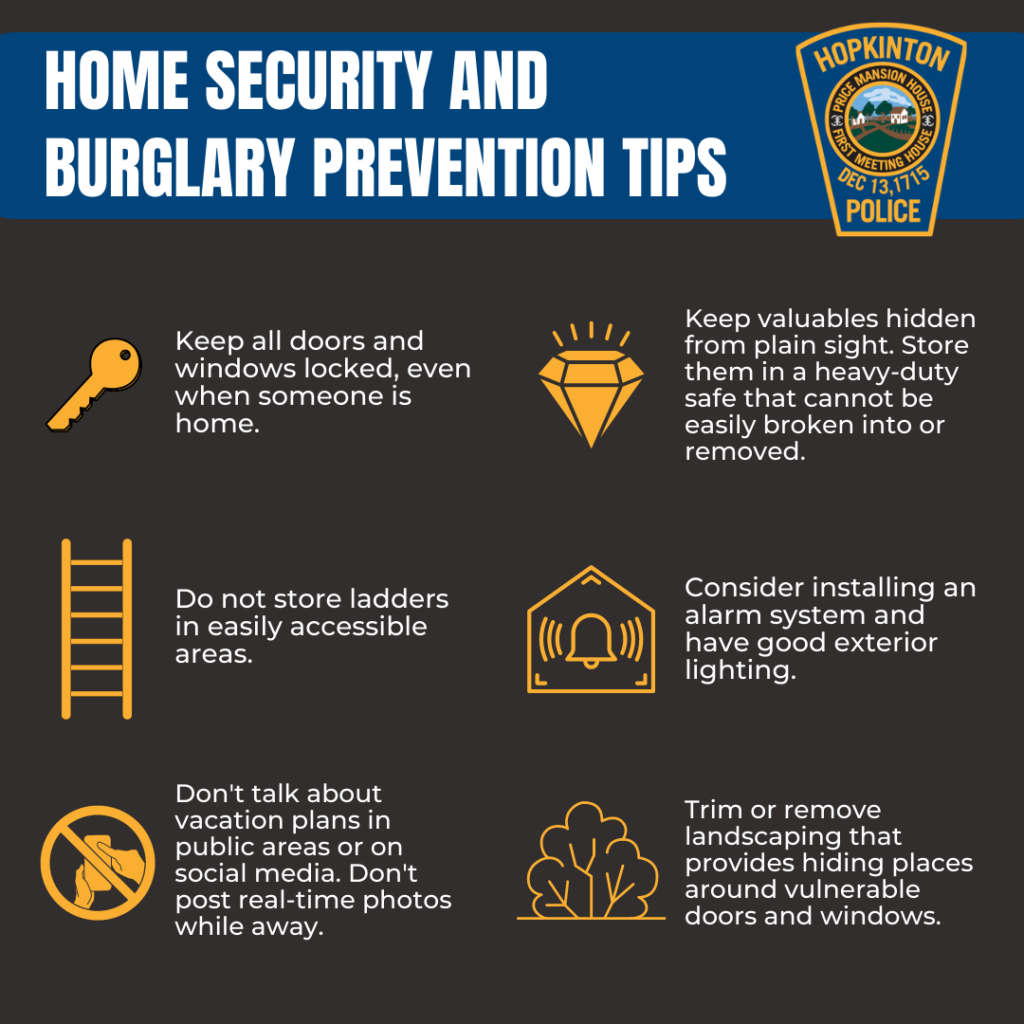
Other Ways To Prevent Burglaries
Alarm systems are important, but they work best with other safety measures.
Physical Security
- Strong locks: Use deadbolts and secure windows
- Reinforced doors: Metal or solid wood doors resist force
- Window bars: Prevent entry through basement or ground-floor windows
Neighborhood Watch
Working with neighbors helps everyone stay safe. Report suspicious activity, share information, and look out for each other.
Lighting
Install motion-activated lights. Burglars hate being seen. Good lighting makes your home less attractive to criminals.
Landscaping
Keep bushes trimmed. Burglars use tall plants to hide. Clear views make your home safer.
When Alarm Systems May Not Be Enough
Sometimes, even the best alarm cannot stop a determined burglar.
High-value Targets
Homes with expensive items may attract skilled burglars. They may plan carefully, disable systems, or use inside information.
Power Outages
If your system relies on electricity, it may fail during outages. Choose systems with battery backup.
Remote Locations
Homes far from neighbors or police may see slower response times. Combine alarms with cameras and strong physical barriers.
Making The Right Choice For Your Home
Every home is different. When choosing an alarm system, consider:
- Your budget
- Size and layout of your home
- Local crime rates
- Whether you want monitoring or self-control
- Privacy needs
Talk to a security expert if you’re unsure. Visit stores, read reviews, and ask neighbors about their experiences. The best system is one you will use regularly, that fits your needs and lifestyle.
Frequently Asked Questions
How Much Does A Home Alarm System Reduce Burglary Risk?
Studies show that homes with alarm systems are up to three times less likely to be broken into. The exact reduction depends on system quality, placement, and whether you use it correctly.
Are Wireless Alarm Systems As Effective As Wired Ones?
Wireless systems are easier to install and use. Modern wireless alarms are very reliable, but can be vulnerable to signal interference. Wired systems are harder to disable but cost more and require professional installation.
What Happens If My Alarm Triggers A False Alarm?
Most systems let you cancel false alarms quickly. If you have a monitored system, the company may call you to check. Too many false alarms can lead to police fines or warnings. Test your system often to avoid mistakes.
Can Burglars Disable Alarm Systems?
Some skilled burglars can disable cheap systems by cutting wires or jamming signals. High-quality systems use tamper-proof sensors, battery backup, and encrypted communication to prevent this.
Is It Worth Paying For Professional Monitoring?
Professional monitoring adds peace of mind and faster response. If you travel often or live in a high-risk area, monitoring is a good investment. If you prefer control and lower cost, self-monitored systems may be enough.
A home alarm system is one of the best tools for preventing burglary. It makes your home less attractive to criminals, reduces losses, and gives peace of mind. But no system is perfect. Combine alarms with strong locks, good lighting, and neighborhood support for the best protection. Remember, the right choice is one that fits your needs and that you use every day. For more research and detailed statistics, you can visit the FBI Crime Data. By understanding your options and making smart decisions, you can keep your home and family safe.