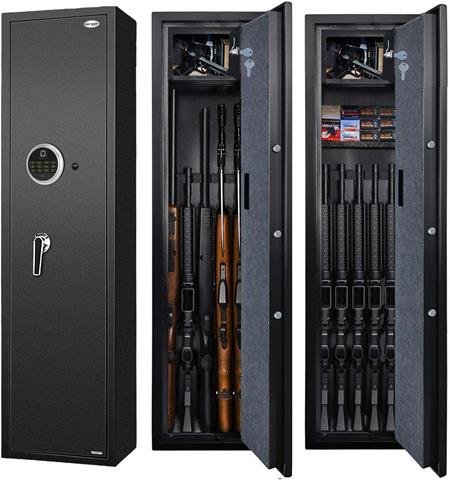
When people think about home safety, smoke detectors are often the first line of defense. These small devices can save lives by alerting you to a fire before it spreads. But many homeowners wonder, “Do smoke detectors need professional installation, or can I do it myself?” This question is important, especially for those who want the best protection without unnecessary costs or complexity. Let’s explore the real facts, common mistakes, and practical advice on smoke detector installation, so you can make the safest choice for your home.
What Are Smoke Detectors And Why Are They Vital?
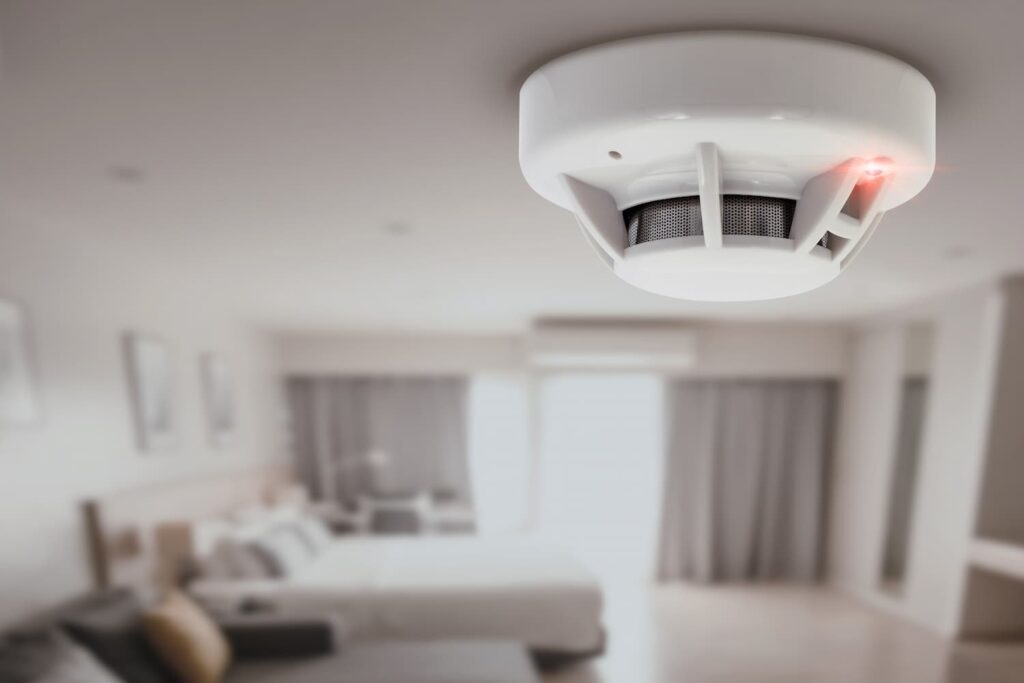
Smoke detectors are electronic devices that sense smoke, usually as an indicator of fire. They are placed on ceilings or high on walls because smoke rises. When smoke is detected, the alarm sounds—often loudly—giving you precious seconds to evacuate or address the situation.
According to the National Fire Protection Association (NFPA), homes without smoke detectors are nearly twice as likely to experience a fatal fire. A working smoke detector reduces the risk of dying in a house fire by 55%. This data shows why having properly installed detectors matters so much.
Exclusive Deals
Limited-time Exclusive Deals. Check current discount on Amazon.
Check Price on Amazon As an Amazon Associate I earn from qualifying purchases.Types Of Smoke Detectors
There are several types to choose from, and knowing the difference helps you decide what’s best:
- Ionization Smoke Detectors – These detect fast-flaming fires best, like those caused by paper or grease.
- Photoelectric Smoke Detectors – These are more sensitive to slow, smoldering fires, such as those from cigarettes or electrical faults.
- Dual-Sensor Smoke Detectors – Combine both ionization and photoelectric sensors for broader protection.
- Smart Smoke Detectors – Connect to Wi-Fi and can alert your phone, even when you’re away.
Choosing the right type is the first step, but proper installation is just as crucial.
Diy Vs Professional Installation: What’s The Real Difference?
Many people ask if smoke detectors require professional installation, or if a DIY approach is safe and effective. The answer depends on several factors—your home’s layout, the detector type, and your comfort with basic electrical work.
Diy Installation: Who Is It For?
Most battery-operated smoke detectors are designed for easy, DIY installation. They come with mounting hardware and simple instructions. If you’re comfortable using a drill or screwdriver and can follow basic steps, you can install these yourself.
Exclusive Deals
Limited-time Exclusive Deals. Check current discount on Amazon.
Check Price on Amazon As an Amazon Associate I earn from qualifying purchases.Common steps for DIY smoke detector installation:
- Choose the right location (ceiling, away from corners).
- Use the provided template to mark holes.
- Drill or screw the mounting plate.
- Insert batteries (if needed).
- Attach the detector to the plate and test the alarm.
These steps usually take less than 30 minutes per unit. Many homeowners prefer this for cost savings and convenience.
Professional Installation: When Is It Needed?
Hardwired smoke detectors (those connected to your home’s electrical system) often require professional installation. This is because:
Exclusive Deals
Limited-time Exclusive Deals. Check current discount on Amazon.
Check Price on Amazon As an Amazon Associate I earn from qualifying purchases.- Electrical wiring must meet local codes.
- Mistakes can lead to faulty alarms or even electrical hazards.
- Interconnected alarms (when one goes off, all do) need careful setup.
New homes often have hardwired detectors installed during construction. If you’re retrofitting these into an older home, it almost always requires an electrician.
Smart smoke detectors may also need professional help, especially if they require integration with home automation systems.
Comparing Diy Vs Professional Installation
To help you decide, here’s a direct comparison of key factors:
| Factor | DIY Installation | Professional Installation |
|---|---|---|
| Cost | Low (only device cost) | Higher (device + labor) |
| Time | Quick (20-30 min/unit) | Depends (may take hours) |
| Skill Needed | Basic tools, reading instructions | Electrical expertise |
| Safety | Safe for battery units | Safer for hardwired units |
| Warranty | Device warranty only | Device + labor warranty |
For most homes, battery-operated detectors are easy to install yourself. But for hardwired or interconnected systems, professional help ensures safety and compliance.
Key Considerations Before Installing Smoke Detectors
Whether you install yourself or hire a pro, some factors must be considered for maximum safety.
Placement Matters
Proper placement is critical. The NFPA recommends:
- At least one detector on every level, including basements.
- One detector inside each bedroom.
- Detectors outside each sleeping area.
- Avoiding installation near bathrooms or kitchens to reduce false alarms.
Placing detectors in corners or near vents can reduce effectiveness. Always follow manufacturer’s guidelines and local codes.
Local Laws And Regulations
Many states and cities have specific rules for smoke detectors. For example:
- New York requires hardwired detectors in new constructions.
- California mandates detectors in every bedroom and hallway.
Check your local requirements before deciding how to install. Sometimes, professional installation is required by law.
Home Layout And Age
Older homes might not have the wiring needed for hardwired detectors, making battery units more practical. Large homes, or homes with multiple floors, benefit from interconnected systems—these usually need professional setup.
Maintenance Requirements
Even after installation, regular maintenance is vital:
- Test alarms monthly.
- Replace batteries at least once a year.
- Replace entire units every 10 years.
Some smart detectors send reminders, but most require manual checks.
Benefits Of Professional Installation
While DIY is often enough for simple setups, professional installation brings extra peace of mind in some situations.
Electrical Safety
Electricians ensure wiring is correct, reducing the risk of electrical fires. They also check for proper voltage and compatibility with your home’s system.
Compliance And Certification
Professionals understand local codes and can provide documentation if required for insurance or selling your home. This is especially important for landlords and businesses.
Troubleshooting And Integration
If you have a complex system or want to integrate smoke detectors with other safety devices (like CO detectors or smart home hubs), professionals can handle the setup and troubleshooting.
Warranty And Support
Professional installers often guarantee their work. If something fails, you have support to fix the issue, which is not the case with DIY.
Common Mistakes In Smoke Detector Installation
Many homeowners make mistakes that reduce the effectiveness of smoke detectors. Here are some examples:
- Wrong Placement – Installing too close to kitchens or bathrooms can cause false alarms or missed fires.
- Not Enough Detectors – One per floor is not enough; each bedroom and hallway should have its own.
- Incorrect Mounting – Detectors must be on the ceiling or high on the wall, not near windows or vents.
- Ignoring Local Codes – Skipping legal requirements can lead to fines or insurance issues.
- Failing to Test – Many people forget to test detectors after installation.
- Mixing Old and New Units – Old detectors may not work reliably with newer interconnected systems.
Avoiding these mistakes is easier with professional guidance, but careful DIYers can also succeed if they follow instructions closely.
Step-by-step Guide: Installing A Smoke Detector Yourself
For those who want to try DIY, here’s a practical step-by-step guide:
Tools And Materials Needed
- Smoke detector unit
- Mounting hardware (usually included)
- Drill or screwdriver
- Batteries (if required)
- Ladder
Steps
- Select Location – Choose a spot on the ceiling or high on the wall. Avoid corners, vents, or areas near bathrooms/kitchens.
- Mark Holes – Use the detector’s mounting plate as a template to mark where screws will go.
- Drill or Screw – Secure the mounting plate with screws.
- Insert Batteries – Put in new batteries if your unit is battery-operated.
- Attach Detector – Snap or twist the detector onto the plate.
- Test Alarm – Press the test button to make sure it works.
Tips For Success
- Use fresh batteries to avoid early failures.
- Test monthly and replace batteries yearly.
- Keep a record of installation and maintenance for insurance or legal purposes.
Professional Installation Process Explained
If you choose professional installation, here’s what to expect:
- Inspection – The installer will check your home’s layout and existing wiring.
- Planning – They’ll recommend the best locations and number of detectors.
- Installation – Hardwired units are connected to your electrical system, often with backup batteries.
- Interconnection – If you want alarms linked together, the installer will set this up.
- Testing – All units are tested to ensure proper function.
- Certification – You may receive documentation for compliance or insurance.
Professional installation usually takes longer, but guarantees safety and compliance.

Smoke Detector Technology: What’s New?
Smoke detectors have evolved. Some newer features make installation and maintenance easier, but also affect who should install them.
Smart Smoke Detectors
These connect to Wi-Fi and send alerts to your phone. Some models can be integrated with home automation systems, which may need professional setup.
Interconnected Systems
If one detector senses smoke, all alarms go off. This is especially useful for large homes or multi-level properties. Installation often needs wiring expertise.
Battery Life Improvements
Newer units have sealed batteries that last up to 10 years, reducing maintenance needs. These are easy to install yourself.
Co Detection
Many modern units combine smoke and carbon monoxide (CO) detection. CO is a deadly gas, and having both protections in one device is a smart move.
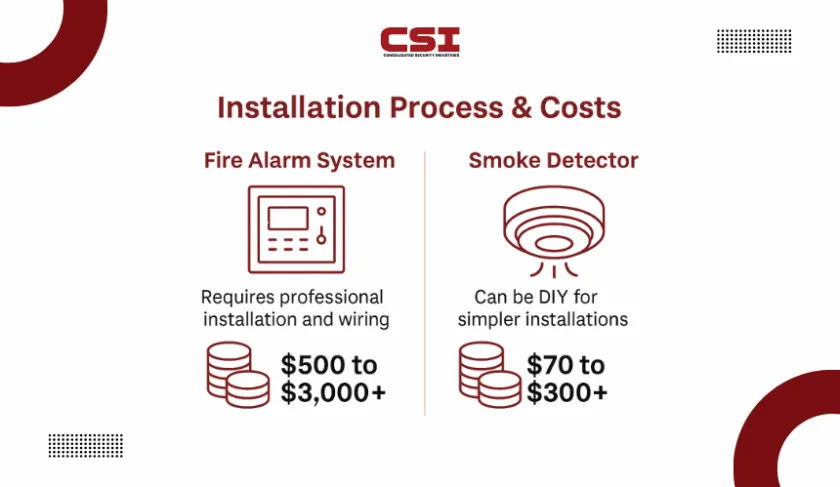
Cost Analysis: Diy Vs Professional Installation
Understanding the cost difference is key. Here’s a breakdown:
| Type | Device Cost | Installation Cost | Total Cost |
|---|---|---|---|
| Battery-Operated (DIY) | $10–$40/unit | $0 | $10–$40 |
| Hardwired (Professional) | $20–$60/unit | $100–$250/unit | $120–$310 |
| Smart Detectors | $40–$100/unit | $100–$250/unit | $140–$350 |
DIY is clearly cheaper, but professional installation brings extra safety and compliance—especially for hardwired and smart systems.
Real-life Examples: When Professional Installation Made A Difference
In 2021, a family in Chicago installed battery-powered smoke detectors themselves. When a fire broke out, the alarms worked, but only in the area where smoke was present. The family escaped, but the fire damage was severe in rooms without detectors.
Contrast this with a home in Dallas, where professionally installed interconnected detectors went off throughout the house. All family members were alerted instantly, and the fire was contained quickly. The difference? Professional installation ensured every area was covered and the alarms worked together.
These examples show that while DIY works, professional installation can enhance protection—especially in larger homes.
Non-obvious Insights Most Beginners Miss
- Interconnection is Key for Large Homes – Many people don’t realize that in a big house, a fire in one room may not trigger alarms elsewhere unless detectors are interconnected. This feature often requires professional setup.
- Local Codes Can Change Often – Regulations for smoke detectors update regularly. If you’re not aware of recent changes, you might install incorrectly and face fines or insurance issues.
- Placement Isn’t Just About Convenience – The best spot isn’t always where it’s easiest to reach. For example, installing near windows or vents can lead to missed alarms due to airflow dispersing smoke.
When Should You Absolutely Call A Professional?
There are situations where DIY is not advised:
- You have an older home with unknown electrical wiring.
- You want interconnected alarms across multiple floors.
- You’re installing smart detectors that integrate with other safety systems.
- Local law requires professional certification.
- You’re a landlord or selling your home and need compliance documentation.
In these cases, the risk of improper installation outweighs any cost savings.
How To Choose The Right Installer
If you decide on professional installation, pick someone with:
- Proper licenses and insurance.
- Knowledge of local codes.
- Good reviews and references.
- Willingness to provide documentation.
Don’t just choose the cheapest option. Quality matters for safety.
The Role Of Smoke Detectors In Insurance And Home Value
Many insurance companies require proof of working smoke detectors. Some offer discounts if you have professionally installed, interconnected units. When selling a home, proper installation can speed up inspections and raise your property’s value.
For more information on fire safety and regulations, check the official NFPA Education Center.
Frequently Asked Questions
Can I Install Smoke Detectors Myself, Or Do I Need A Professional?
You can install battery-operated smoke detectors yourself, as they require simple tools and clear instructions. However, hardwired or interconnected systems usually need a professional due to electrical work and code compliance.
How Often Should Smoke Detectors Be Tested And Maintained?
Test detectors monthly by pressing the test button. Replace batteries at least once a year unless you have sealed units. Replace the entire detector every 10 years, even if it seems to work.
What Are The Signs That A Smoke Detector Was Installed Incorrectly?
Common signs include frequent false alarms, no alarm during smoke exposure, or alarms not working together (for interconnected systems). Improper placement, such as near vents or bathrooms, also suggests wrong installation.
Are Smart Smoke Detectors Harder To Install Than Regular Ones?
Some smart detectors are easy to install, but those that need wiring or integration with home automation often require professional help. Always read the manufacturer’s instructions carefully.
What Happens If I Don’t Follow Local Smoke Detector Laws?
You could face fines, lose insurance coverage, or have trouble selling your home. Local laws may require certain types of detectors or professional installation—always check before installing.
Final Thoughts
Smoke detectors are essential for every home. While DIY installation is safe and effective for most battery-operated units, professional installation is recommended for hardwired or interconnected systems. Proper placement, maintenance, and compliance with local laws are just as important as the installation method.
By understanding the difference, avoiding common mistakes, and knowing when to call a pro, you can protect your family and home from fire risks. Safety is always worth the effort—choose wisely and stay protected.