Every year, thousands of lives are lost to residential fires. Yet, many of these tragedies could be prevented with one simple device: the smoke detector. Most people know they need smoke detectors at home, but few realize just how important their placement is. Putting a smoke detector in the wrong spot can mean it doesn’t work when you need it most. If you want to keep your family safe, understanding where smoke detectors should be installed in a house is crucial.
This guide will help you discover the best locations for smoke detectors, explain why placement matters, and show you how to avoid common mistakes. Whether you’re moving into a new home or updating your safety plan, these tips will help you make smart choices.
Why Smoke Detector Placement Matters
Smoke detectors are designed to alert you before a fire spreads. But they only work if smoke reaches them quickly. If a detector is placed too far from sleeping areas, or in a spot where smoke doesn’t travel, it may not sound the alarm until it’s too late. According to the National Fire Protection Association (NFPA), three out of five home fire deaths happen in homes with no smoke alarms or alarms that don’t work.
Exclusive Deals
Limited-time Exclusive Deals. Check current discount on Amazon.
Check Price on Amazon As an Amazon Associate I earn from qualifying purchases.Proper placement ensures that:
- Smoke is detected early
- Alarms can be heard from bedrooms
- Evacuation is possible before danger grows
A poorly placed detector can miss slow-burning fires, or false alarms may lead you to ignore future warnings. As a calm expert, I’ll help you avoid these risks.
Key Areas For Smoke Detector Installation
Every home is different, but some basic rules apply to all. Let’s look at the most important locations, along with practical examples and data.
Bedrooms And Sleeping Areas
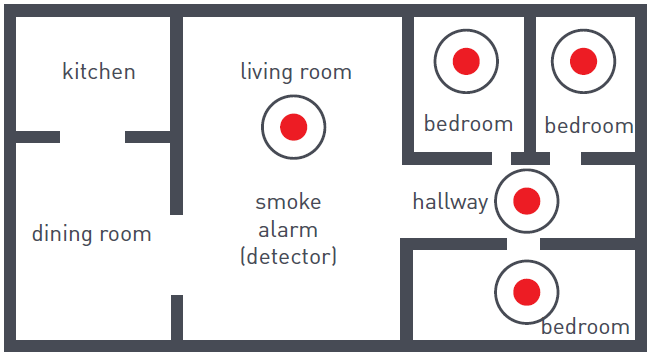
You should always install smoke detectors inside every bedroom. Most deadly fires happen at night, while people are asleep. If the alarm is only in the hallway, smoke may not reach it soon enough to wake someone in a closed room.
Exclusive Deals
Limited-time Exclusive Deals. Check current discount on Amazon.
Check Price on Amazon As an Amazon Associate I earn from qualifying purchases.- Place a detector on the ceiling near the center of the room.
- Keep it at least 4 inches from walls or corners.
- Avoid mounting on walls if possible, but if needed, place it 4–12 inches from the ceiling.
Example
If you have three bedrooms, you need three detectors—one in each room. Don’t assume a hallway detector will protect everyone.
Hallways Outside Sleeping Areas
Install a smoke detector in the hallway outside bedrooms, especially if bedrooms are clustered together. This helps catch fires that start in common spaces or the hallway itself.
- Position it between bedrooms, ideally in the center of the hallway.
- If bedrooms are spread out, consider multiple detectors.
Common Mistake
Some homeowners place a single detector in a hallway for all bedrooms. If the hallway is long or bedrooms are far apart, smoke may not reach the detector fast enough.
Exclusive Deals
Limited-time Exclusive Deals. Check current discount on Amazon.
Check Price on Amazon As an Amazon Associate I earn from qualifying purchases.Living Room And Common Areas
Most fires begin in living rooms or areas with electronics, candles, or fireplaces. Install at least one smoke detector in the main living area.
- Mount on the ceiling, away from air vents.
- If the room is large, place detectors at opposite ends.
Practical Insight
If your living room connects directly to the kitchen, placing a detector too close to cooking appliances may cause false alarms. Position it at least 10 feet from cooking sources.
Stairways
Smoke rises, so stairways act as chimneys during a fire. Install a smoke detector at the top of each stairway. If your home has more than one story, each level needs its own detector.
- For basement stairs, place a detector at the bottom and at the top.
- In split-level homes, install detectors on each level.
Data Table: Detector Placement By Home Level
| Level | Recommended Location | Reason |
|---|---|---|
| Basement | Ceiling near stairs | Smoke rises to upper floors |
| First Floor | Hallway, living room, bedrooms | Protect sleeping and common areas |
| Second Floor | Hallway, bedrooms, stairway top | Quick detection for sleeping areas |
Kitchen (with Caution)
Smoke detectors near kitchens are tricky. You want to catch fires, but not trigger false alarms from cooking. The NFPA recommends placing smoke detectors at least 10 feet from cooking appliances.
- Use a heat detector instead if the kitchen is small.
- If your kitchen is open to other rooms, place the detector in the adjacent area.
Example
In a small apartment, place the detector just outside the kitchen, not directly above the stove or oven.
Utility Rooms And Garages
Fires often start in laundry rooms or garages due to electrical issues or flammable materials. Install smoke detectors in these areas.
- Mount on the ceiling, away from vents.
- In garages, consider a heat detector if fumes cause false alarms.
How Many Smoke Detectors Does Your Home Need?
The number of detectors depends on your home’s size and layout. The NFPA recommends:
- At least one detector on every level
- One in every bedroom
- One outside each sleeping area
For a typical three-bedroom, two-story home, you need at least:
- Three in bedrooms
- Two in hallways (one per floor)
- One in living room
- One in basement or utility room
Total: 7 detectors
Comparison Table: Detector Requirements By Home Size
| Home Size | Bedrooms | Levels | Minimum Detectors |
|---|---|---|---|
| Apartment | 1-2 | 1 | 3 |
| Small House | 2-3 | 1-2 | 5 |
| Large House | 4+ | 2-3 | 8+ |
Non-obvious Insight
Many people forget about rooms not used for sleeping, like home offices or playrooms. Fires can start anywhere, so consider installing detectors in these spaces, especially if electronics are present.
Ceiling Vs. Wall Mounting: Which Is Better?
Smoke rises, so ceiling mounting is best. If you must use a wall, mount the detector 4–12 inches below the ceiling. Avoid placing detectors:
- Near windows or doors (drafts can delay detection)
- In corners (dead air may prevent smoke from reaching the sensor)
Data Table: Ceiling Vs. Wall Placement
| Location | Detection Speed | Common Issues |
|---|---|---|
| Ceiling | Fastest | None if centered |
| Wall (high) | Good | Possible air pockets |
| Wall (low) | Slow | Misses rising smoke |
Avoiding False Alarms
False alarms are frustrating. If they happen often, you may disconnect the detector or ignore real alarms later. To reduce false alarms:
- Keep detectors away from bathrooms (steam triggers alarms)
- Don’t place detectors near air vents or fans
- Choose photoelectric detectors for kitchens and bathrooms—they react less to steam and cooking smoke
Example
If your detector often goes off when you shower, move it farther from the bathroom door or switch to a photoelectric model.
Special Considerations For Unique Homes
Not all homes are built the same. Here are tips for special situations.
Multi-level Homes
Install detectors on every level. Stairways need detectors at both the top and bottom, especially for basements.
Open Floor Plans
Large, open spaces may need more than one detector. Place detectors at each end of the room, and avoid mounting near windows or fans.
Homes With High Ceilings
Smoke may take longer to reach detectors in rooms with high ceilings. Mount detectors on the ceiling, but not directly above air vents or skylights.
Mobile Homes And Rvs
Small spaces still require detectors in sleeping areas and main living spaces. If your RV has a kitchen, place a detector just outside it.
Homes With Elderly Or Hard-of-hearing Residents
Choose detectors with strobe lights or vibration alarms. Install extra detectors in bedrooms and bathrooms.
Interconnected Smoke Detectors: Why They’re Better
Modern homes benefit from interconnected smoke detectors. When one goes off, all alarms sound. This ensures everyone hears the warning, even if they’re far from the fire.
- Interconnected alarms can be wired or wireless.
- If possible, upgrade to interconnected detectors.
Example
In a large home, a fire in the basement may not trigger an alarm loud enough to wake someone upstairs. Interconnected alarms solve this problem.
Maintenance And Testing
A detector is only useful if it works. Test all detectors once a month by pressing the button. Replace batteries at least once a year, or when the detector chirps. Clean detectors to remove dust and cobwebs.
- Replace detectors every 10 years.
- Write the installation date on the device for easy tracking.
Non-obvious Insight
Some detectors are hardwired but still need battery backups. Check both power sources regularly.
Common Mistakes To Avoid
Many homeowners make simple errors that reduce detector effectiveness. Here are a few:
- Placing detectors too close to kitchens or bathrooms: This leads to false alarms.
- Mounting detectors in dead air spaces: Corners and edges may not get enough smoke.
- Ignoring rooms with electronics: Fires can start in offices or entertainment rooms.
- Not testing detectors: A silent detector is useless.
- Using outdated detectors: Sensors degrade over time.
Recommended Smoke Detector Types
There are three main types of detectors:
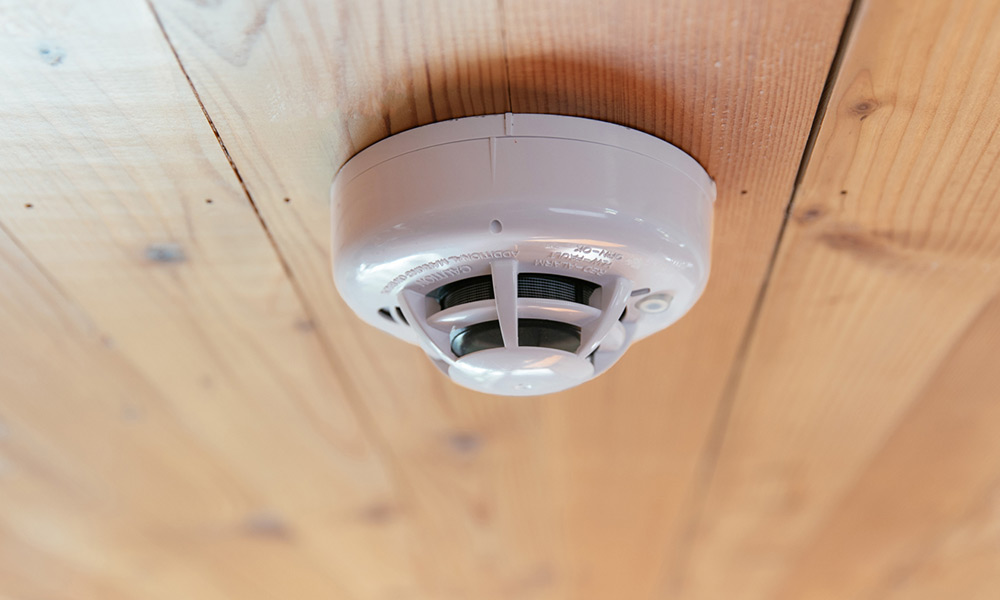
- Ionization: Best for fast, flaming fires. Sensitive to smoke particles.
- Photoelectric: Better for slow, smoldering fires. Less prone to false alarms.
- Dual-sensor: Combines both types for maximum safety.
Most experts recommend dual-sensor detectors for homes.
Legal Requirements And Standards
Different states and cities have laws about smoke detector placement. Always check your local regulations. The NFPA and U. S. Consumer Product Safety Commission offer guidelines.
Some states require:
- Detectors in every bedroom
- Interconnected detectors
- Detectors on every level, including basements
For more details, visit the NFPA Education resource.
Frequently Asked Questions
How Often Should I Test Smoke Detectors?
Test smoke detectors once a month. Press the test button to ensure the alarm sounds. Replace batteries at least once a year.
Where Should Smoke Detectors Not Be Installed?
Avoid placing detectors in kitchens, bathrooms, near windows, doors, or air vents. Steam and cooking smoke cause false alarms.
How Long Do Smoke Detectors Last?
Most detectors last 10 years. Write the installation date on the device and replace it after a decade.
Should Smoke Detectors Be On The Ceiling Or Wall?
Ceiling placement is best. If you must use a wall, mount the detector 4–12 inches below the ceiling, away from corners.
What Is The Difference Between Ionization And Photoelectric Smoke Detectors?
Ionization detectors respond quickly to fast-burning fires, while photoelectric detectors work better for slow, smoldering fires. Dual-sensor detectors offer the best protection.
Placing smoke detectors in the right spots is more than just a safety task—it’s a life-saving strategy. By following these guidelines, you give your family the best chance of escaping a fire safely. Remember, regular testing and smart placement are just as important as having detectors.
Take action today and make your home safer for everyone.