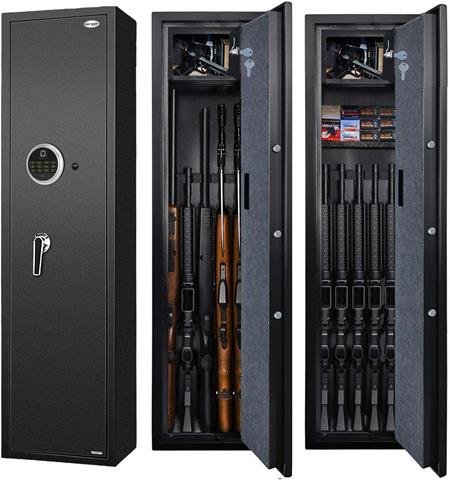
Home safes are portable and versatile; wall safes are hidden and resist quick theft better.
I have spent years helping homeowners choose the right safe. I know the pros and cons of a Home Safe vs Wall Safe from testing, installs, and real use. This guide breaks down fit, safety, cost, and daily use so you can pick the best option for your home. Read on to learn clear, practical advice and real tips you can use today.
Exclusive Deals
Limited-time Exclusive Deals. Check current discount on Amazon.
Check Price on Amazon As an Amazon Associate I earn from qualifying purchases.Quick comparison: Home Safe vs Wall Safe
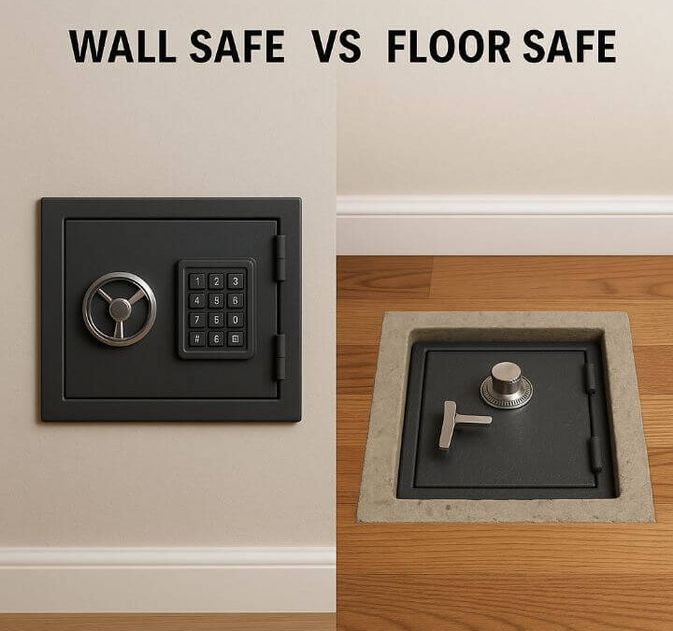
A Home Safe sits on the floor or shelf. It is often heavy and can be bolted down. A Wall Safe mounts inside a wall. It hides behind drywall and a flush door. Both protect items. Each type shines in different ways. The choice comes down to what you need most: ease of use, concealment, or resistance to theft and fire.
What is a home safe?
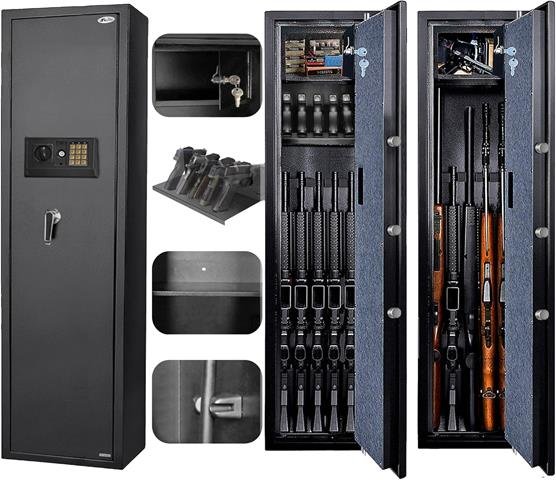
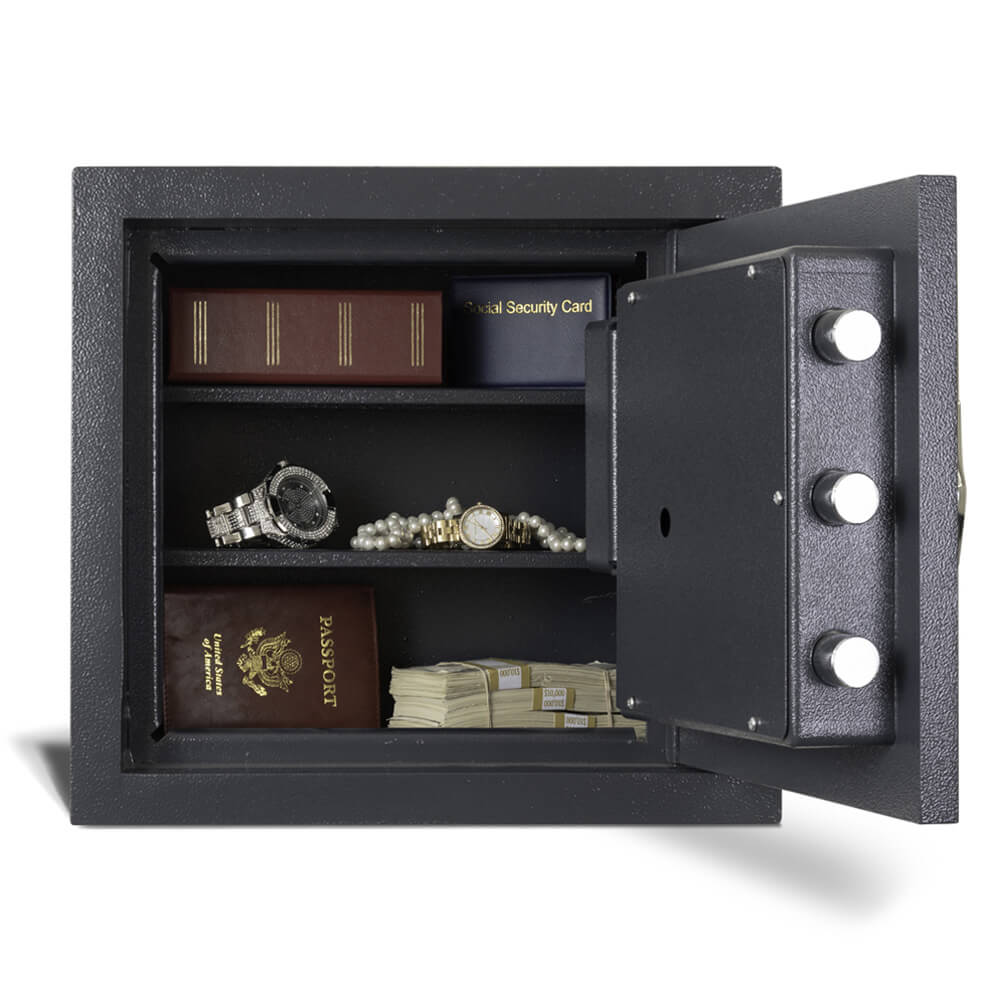
A home safe is a freestanding box for valuables. It can be small or large. Many have fire and burglary ratings. You can lock them with keys, combos, or digital codes. They sit in closets, basements, or on the floor. Some are heavy. Others are light and portable. Home safes are easy to move before you bolt them down. They often hold cash, passports, jewelry, and electronics.

Exclusive Deals
Limited-time Exclusive Deals. Check current discount on Amazon.
Check Price on Amazon As an Amazon Associate I earn from qualifying purchases.What is a wall safe?
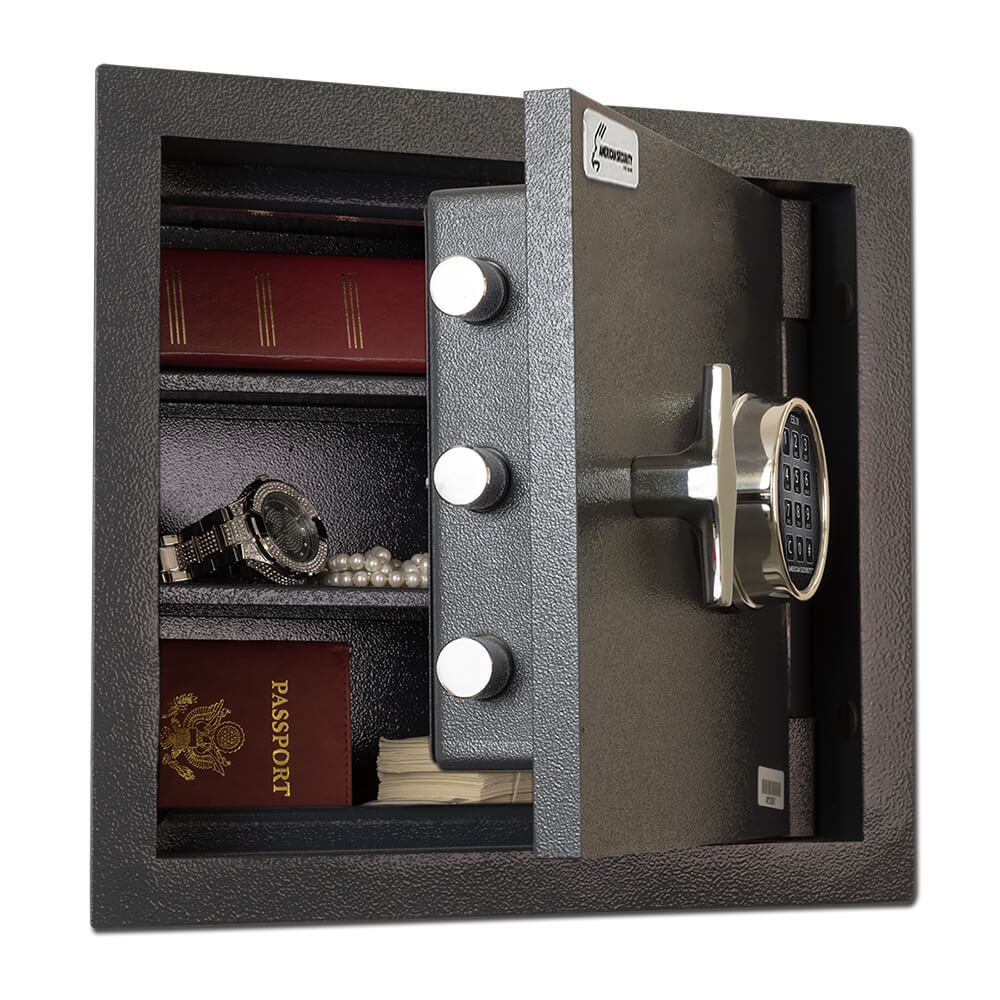
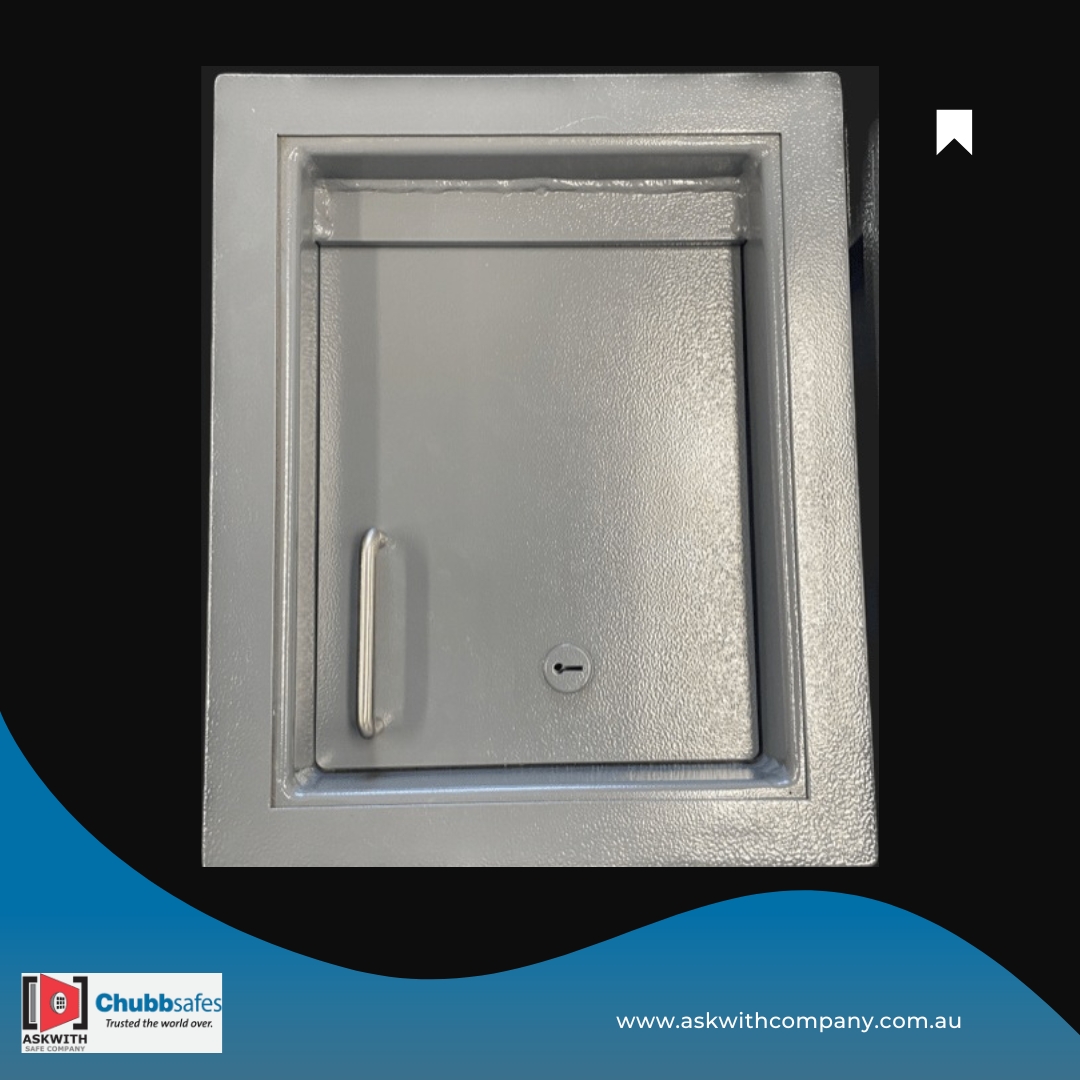
A wall safe fits inside wall studs and stays flush with the wall. It hides behind a picture or mirror. The door sits flat so it is hard to spot. Wall safes save floor space. They offer good concealment. They are best for small to medium items. Wall safes can be harder to upgrade later. They usually hold papers, passports, and small jewelry.

Key factors to compare
Consider these main points when you weigh Home Safe vs Wall Safe.
Exclusive Deals
Limited-time Exclusive Deals. Check current discount on Amazon.
Check Price on Amazon As an Amazon Associate I earn from qualifying purchases.- Size and capacity. Think about what you will store. Home safes come in many sizes. Wall safes fit limited depth and width.
- Fire protection. Look for a fire rating. Ratings tell how long the safe keeps heat out. Home safes often have better fire ratings than wall safes.
- Burglary rating. A safe with a UL or ETL burglary rating is stronger. Home safes can carry higher ratings. Wall safes may lack high burglary ratings due to thin walls.
- Concealment. Wall safes are easier to hide. Home safes can be concealed, but they are bulkier.
- Installation. Home safes are simple to set down and bolt. Wall safes need cutting drywall and secure mounting between studs.
- Access and use. Home safes can hold larger items and may be more convenient. Wall safes keep items in reach but limit size.
- Cost. Wall safes are often cheaper for the safe itself. Full installation can add cost. Home safes vary widely in price based on rating and size.

Fire and burglary ratings made simple
Fire and burglary ratings help you pick the right safe.
- Fire ratings. Look for minutes of protection, like 30, 60, or 120 minutes. This tells how long the safe can endure heat before contents smoke or burn.
- Burglary ratings. Terms like TL-15 or TL-30 mean the safe resists attacks with tools for 15 or 30 minutes. These ratings usually apply to larger home safes.
- No rating? Many wall safes lack official ratings. That does not mean they are useless. It means you should use them for lower-risk items or combine with other security measures.
Installation tips and placement
Good placement raises security and ease of use.
- For home safes
- Place on a concrete floor if possible.
- Bolt the safe to the floor or wall anchors.
- Avoid attics or garages that face theft or heat.
- For wall safes
- Mount between studs for solid support.
- Position behind furniture or art for concealment.
- Hire a pro if you are not comfortable cutting drywall or running wiring.
Always test the door and lock after install. Keep a record of serial numbers and user codes. Consider alarm wiring or a motion sensor nearby.

My experience and lessons learned
I have installed both safe types in many homes. I once helped a client choose after a break-in. They picked a wall safe behind a painting. It stopped the thief from grabbing small items. Another client chose a large home safe with a 60-minute fire rating. That safe saved documents after a kitchen fire.
Lessons I learned
- Never rely on concealment alone. Add bolts or alarms.
- Think long term. Buy a safe that meets future needs.
- Keep spare keys and code resets safe and offline.
- Test locks and change codes once a year.
These real lessons help you choose and live with a safe that works.
Maintenance and care
Simple care keeps a safe effective.
- Check the lock monthly. Try the code and key.
- Lubricate hinges with a dry lubricant as needed.
- Replace batteries in electronic locks every year.
- Keep the seal clear so fire protection works.
- Repaint or patch wall areas around a wall safe to keep it hidden.
Routine checks avoid surprises when you need the safe most.

When to choose a home safe vs wall safe
Use these scenarios to guide your pick.
- Choose a home safe when
- You need large capacity or higher fire rating.
- You want a high burglary rating.
- You plan to store electronics, full binders, or gun safes.
- Choose a wall safe when
- You need concealment and save floor space.
- You store small valuables and papers.
- You want quick access but low visual profile.
- Combine both when
- You want layered security. A wall safe for daily items and a home safe for high-value items works well.
Think about your budget, the value of what you protect, and the room layout.
Related security steps and good habits
A safe is part of a home security plan. Add these habits.
- Use strong, unique codes. Change them on a schedule.
- Pair your safe with an alarm system.
- Keep copies of critical documents off-site or in a safe deposit box.
- Insure high-value items and document them with photos and receipts.
- Teach family members how to use the safe and when to keep codes private.
Small steps boost how well a safe protects your things.
Frequently Asked Questions of Home Safe vs Wall Safe
What is the main difference between a home safe and a wall safe?
The main difference is placement and concealment. A home safe sits on the floor and can offer higher fire and burglary ratings, while a wall safe mounts in a wall and offers better concealment but usually less capacity.
Are wall safes less secure than home safes?
Wall safes can be less resistant to extended attacks because of thinner surrounding structure. Proper installation and concealment help, but heavy home safes often offer stronger rated protection.
Can I install a wall safe myself?
You can install many wall safes yourself if you have basic tools and skill. For accurate fit and wiring, hiring a pro reduces risk and ensures secure mounting.
How important is a fire rating for a home safe?
Very important if you store documents, photos, or digital media. Fire ratings tell how long the safe protects contents from heat. Choose a rating that matches the value of your items.
Should I bolt down a home safe?
Yes. Bolting down a home safe prevents easy removal. Even heavy safes can be moved with the right tools. Bolting increases actual security.
Can I use a wall safe for firearms?
You can, but check local laws and the safe’s internal size. Wall safes can work for handguns and small rifles, but larger gun safes may be needed for full collections.
Conclusion
Choosing between a Home Safe vs Wall Safe comes down to what you need most: size, fire protection, concealment, or rated burglary resistance. Think about what you store, your space, and your budget. Use layered security, test the lock, and keep records of your valuables. If you want a quick step, pick the safe that fits your top need today and plan upgrades later. Share your pick or questions in the comments, or subscribe for more home security tips.