
Smoke detectors are a simple device, but their role in home safety is enormous. These small alarms can save lives, especially during the night when fires are hardest to detect. Most smoke detectors rely on batteries, but how long do smoke detector batteries last?
If you’re unsure, you are not alone. Many people forget about smoke detector maintenance until the low battery chirp starts. In this article, you’ll discover how long smoke detector batteries last, what affects their lifespan, warning signs of a dying battery, and practical tips to keep your home safe.
Why Smoke Detector Battery Life Matters
Every year, fires cause thousands of deaths and injuries worldwide. In the US, smoke detectors are responsible for reducing fire-related deaths by nearly 50%. However, a smoke detector with a dead battery is useless. According to the National Fire Protection Association (NFPA), in 24% of home fire deaths, smoke alarms failed to work, and almost half of those failures were due to dead batteries or missing batteries.
Exclusive Deals
Limited-time Exclusive Deals. Check current discount on Amazon.
Check Price on Amazon As an Amazon Associate I earn from qualifying purchases.This shows the importance of battery life. If you know how long your smoke detector batteries last, you can plan replacements and avoid the risk of a silent detector during a fire.
Types Of Smoke Detector Batteries
Different smoke detectors use different batteries. The battery type affects the lifespan and replacement schedule.
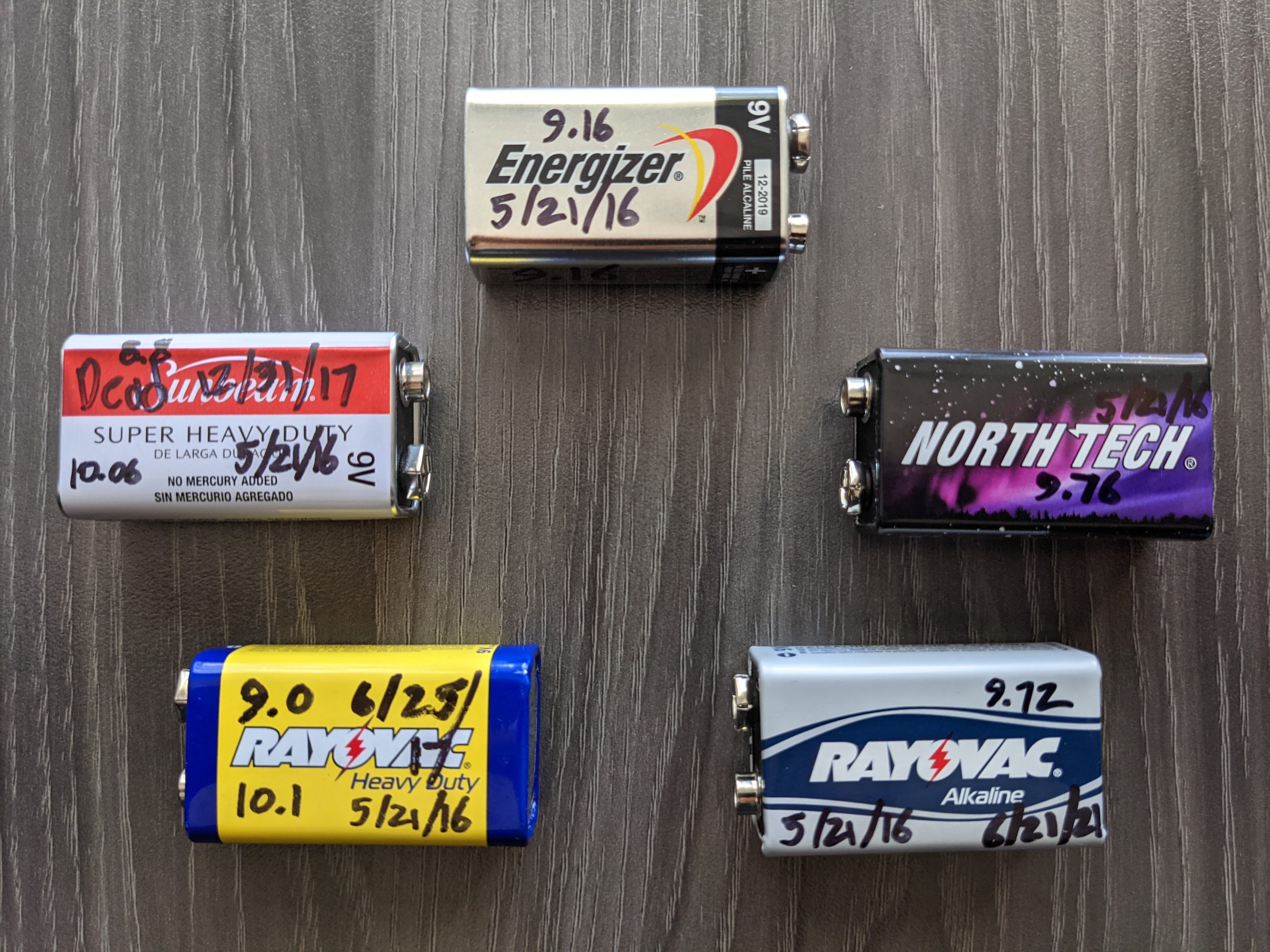
- Alkaline batteries: Most common are 9-volt batteries. They are affordable and easy to find.
- Lithium batteries: These are often used in newer detectors or in sealed units. Lithium batteries can last much longer.
- Rechargeable batteries: Rare in smoke detectors, but some modern models have built-in rechargeable batteries.
Some detectors use AA or AAA batteries, but 9-volt and lithium are the most common.
Battery Type Comparison
Here’s a quick look at how different batteries compare in smoke detectors:
Exclusive Deals
Limited-time Exclusive Deals. Check current discount on Amazon.
Check Price on Amazon As an Amazon Associate I earn from qualifying purchases.| Battery Type | Typical Lifespan | Cost (USD) | Availability |
|---|---|---|---|
| Alkaline 9V | 6-12 months | $1-3 | Very High |
| Lithium 9V | 5-10 years | $7-15 | High |
| AA/AAA Alkaline | 1 year | $0.5-1 | Very High |
| Rechargeable | Varies | $10+ | Low |
Non-obvious insight: Many people think buying the cheapest battery is fine, but lithium batteries can save money and hassle over time. Also, sealed lithium units are often tamper-proof, reducing the risk of someone removing the battery.
How Long Do Smoke Detector Batteries Last?
The exact battery life depends on several factors: battery type, smoke detector model, usage, and environment.
Alkaline Batteries
Alkaline 9-volt batteries are the most common. They usually last between 6 and 12 months in a typical smoke detector. For AA or AAA alkaline batteries, the lifespan is usually about 1 year.
Exclusive Deals
Limited-time Exclusive Deals. Check current discount on Amazon.
Check Price on Amazon As an Amazon Associate I earn from qualifying purchases.Lithium Batteries
Lithium batteries can last 5 to 10 years. Some smoke detectors are sold as “10-year sealed battery” models, which means you don’t have to change the battery for a decade.
Hardwired Detectors With Battery Backup
Some smoke detectors are hardwired into the home’s electrical system but have a battery backup. The backup battery usually lasts about 1 year, because it’s only used when the power goes out.
Real-world Examples
- If you use a regular alkaline 9V in a basic detector, expect to change it every year.
- If you have a 10-year lithium unit, the battery lasts for the lifetime of the detector.
- Hardwired detectors will need battery changes annually, even though the main power is from electricity.
Environmental Factors
Temperature, humidity, and dust can affect battery life. In hot or damp areas, batteries drain faster. Also, frequent false alarms (from cooking, for example) can wear out batteries quickly.
Manufacturer Recommendations
Most manufacturers suggest replacing batteries every 12 months, even if they are not fully drained. Sealed lithium units are an exception; you should replace the entire detector at the end of the battery’s lifespan.
Signs Your Smoke Detector Battery Is Dying
Knowing when to replace batteries is key. Here are warning signs you should not ignore:
- Chirping or beeping: A low battery warning is usually a short chirp every minute.
- No sound during test: If you press the test button and nothing happens, the battery is likely dead.
- Dim indicator light: Most detectors have a light that flashes. If it’s dim or off, the battery may be low.
- Frequent false alarms: Sometimes, a weak battery can cause random alarms.
Non-obvious insight: Some detectors chirp for reasons other than battery. For example, end-of-life warning or a sensor fault. Always check the manual if the chirping continues after battery replacement.
How To Check Smoke Detector Battery Life
Testing your smoke detector battery is simple and should be done monthly.
- Press the test button: The alarm should sound loudly. If it doesn’t, replace the battery.
- Check the indicator light: Most detectors have a small LED that flashes. If the light is off or weak, the battery could be low.
- Listen for chirps: A single chirp every minute means the battery needs replacing.
If your smoke detector is hardwired, still check the battery backup.
Quick Battery Check Guide
- Test every month.
- Replace batteries every year (unless you have a sealed lithium unit).
- Replace the entire detector every 10 years.
How To Replace Smoke Detector Batteries
Changing the battery is easy and takes only a few minutes. Here’s a step-by-step guide:
- Remove the detector: Twist or slide it off its base.
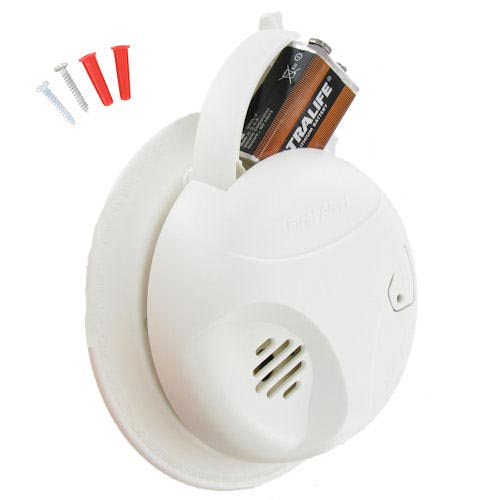
- Open the battery compartment: Usually on the back or side.
- Take out the old battery: Dispose of it properly.
- Insert the new battery: Match the terminals correctly.
- Close the compartment and reinstall: Make sure it clicks back in place.
- Test the detector: Press the test button to confirm it works.
If you have a sealed lithium unit, you cannot replace the battery. The whole detector must be replaced at the end of its life.
Common mistake: Forgetting to test after replacing the battery. Always press the test button before leaving.
Smoke Detector Battery Life Vs. Detector Life
Smoke detector batteries and the detectors themselves have different lifespans.
- Battery: Usually 1 year for alkaline, up to 10 years for lithium.
- Detector: Should be replaced every 10 years, even if it still works.
Over time, sensors lose sensitivity, so old detectors may not detect smoke as well. Always check the manufacture date printed on the back.
Detector Lifespan Comparison
| Detector Type | Battery Life | Detector Life |
|---|---|---|
| Alkaline Battery | 1 year | 10 years |
| Lithium Battery | 10 years | 10 years |
| Hardwired + Battery Backup | 1 year | 10 years |
Non-obvious insight: Many people keep detectors longer than 10 years, but older sensors may not respond quickly to smoke, even if the alarm sounds.
Factors That Affect Smoke Detector Battery Life
Several things can shorten or extend battery life:
- Type of battery: Lithium lasts longest.
- Detector model: Some newer detectors use less power.
- Environment: Heat, cold, humidity, and dust can drain batteries.
- Usage: Frequent alarms or tests use more power.
- Age: Older detectors may drain batteries faster.
Environmental Impact On Battery Life
| Environment | Expected Battery Life | Notes |
|---|---|---|
| Normal (68°F, dry) | Full rated lifespan | Ideal conditions |
| Hot (85°F+) | 20-30% shorter | Heat speeds drain |
| Humid | 15-25% shorter | Moisture causes corrosion |
| Dusty | 10-20% shorter | Dirt increases false alarms |

When Should You Replace Smoke Detector Batteries?
- Annually: Standard recommendation for alkaline batteries.
- 10 years: For sealed lithium battery detectors (replace the whole unit).
- If chirping: Replace immediately.
- After false alarm: If you’re unsure, replace the battery.
Many fire departments suggest changing batteries when you change your clocks for daylight saving time. It’s an easy way to remember.
Practical Tips For Maximizing Battery Life
- Use high-quality batteries. Cheap brands can drain faster or leak.
- Keep detectors clean. Dust and spider webs can cause false alarms.
- Install detectors away from kitchens or bathrooms to avoid frequent alarms.
- Test monthly. If the test fails, change the battery right away.
- Note the installation date. Write it on the detector or keep a record.
Non-obvious insight: Testing monthly may seem frequent, but it’s the best way to catch a dying battery before the detector fails.
Common Mistakes In Smoke Detector Battery Maintenance
- Ignoring chirps: Never wait for days after hearing a low battery warning.
- Using expired batteries: Batteries lose power even on the shelf.
- Installing detectors in poor locations: Near showers or stoves causes false alarms and drains batteries.
- Forgetting to test: Many people install a battery and never check again.
- Mixing battery types: Always use the recommended battery for your detector.
Smoke Detector Battery Myths
- Myth: “If I don’t hear chirping, the battery is fine.” Some batteries die silently, or the detector fails to warn.
- Myth: “Hardwired detectors don’t need batteries.” Backup batteries are vital during power outages.
- Myth: “Any battery will work.” Using wrong battery type may cause malfunction or shorter life.
How To Choose The Right Smoke Detector Battery
Choosing the right battery isn’t just about price.
What Matters Most
- Compatibility: Check your detector’s manual for recommended battery type.
- Quality: Trusted brands last longer.
- Shelf life: Batteries lose power over time, so buy fresh ones.
- Sealed units: If you want less maintenance, consider a 10-year sealed lithium detector.
Key Buying Factors Comparison
| Factor | Alkaline | Lithium |
|---|---|---|
| Initial Cost | Low | Higher |
| Lifetime Cost | Higher (annual replacement) | Lower (1 replacement per decade) |
| Maintenance | Frequent | Minimal |
| Reliability | Good | Excellent |
Safety Regulations And Recommendations
In the US, NFPA and local fire departments recommend:
- Install smoke detectors in every bedroom, hallway, and on every floor.
- Change batteries at least once a year.
- Replace detectors every 10 years.
Some states require sealed lithium battery detectors in new homes. Always check local regulations.
External resource: For the most up-to-date safety guidance, visit the National Fire Protection Association.
Frequently Asked Questions
How Often Should I Replace Smoke Detector Batteries?
Replace alkaline batteries every year. For sealed lithium battery detectors, replace the entire unit every 10 years. If your detector starts chirping, replace the battery immediately.
Can I Use Rechargeable Batteries In My Smoke Detector?
Most smoke detectors are not designed for rechargeable batteries. Rechargeable batteries can lose charge quickly and may not provide the correct voltage. Always use the battery type recommended by the manufacturer.
Why Does My Smoke Detector Keep Chirping After I Change The Battery?
Chirping can mean more than just a low battery. The detector may be at the end of its life, have a sensor fault, or the battery may not be installed correctly. Check the manual, and if chirping continues, consider replacing the detector.
Is It Safe To Install Smoke Detectors Near Kitchens Or Bathrooms?
Installing detectors near kitchens or bathrooms can cause frequent false alarms due to steam or cooking smoke. Place detectors at least 10 feet from stoves or showers, and use photoelectric detectors for these areas if needed.
What Happens If I Ignore A Low Battery Warning?
Ignoring a low battery warning means your smoke detector may not work during a fire. Fires often happen at night, and a working detector is crucial for early warning. Always replace the battery as soon as you hear a chirp.
Smoke detectors are a simple safety tool, but only if their batteries are fresh and reliable. Knowing how long smoke detector batteries last—and how to maintain them—can make your home safer. Regular checks, smart battery choices, and attention to warning signs will ensure your detectors are ready when you need them most.
If you follow these tips, you can feel confident that your smoke alarms are working and your family is protected.