
Smoke detectors are silent guardians in every home, keeping families safe from fire. Yet, many people forget about them once installed. The device may be small, but its importance is massive. Knowing how often smoke detectors should be replaced can save lives and prevent property loss. If you are unsure about the right timing, or want to know best practices, this guide will help you understand everything about smoke detector lifespan, replacement schedules, and why timely action matters.
Why Smoke Detectors Matter
A smoke detector is your first defense against fire. It warns you before flames spread, giving precious seconds to escape. According to the National Fire Protection Association (NFPA), almost three out of five home fire deaths happen in homes with no smoke alarms or with alarms that do not work. This statistic alone shows why keeping smoke detectors in good shape is critical.
Modern smoke detectors are affordable and easy to install. But they are not everlasting. Over time, their sensors age and become less reliable. Dust, insects, humidity, and even cooking fumes can affect their performance. If you ignore their maintenance, you risk living in a home that’s not truly protected.

Exclusive Deals
Limited-time Exclusive Deals. Check current discount on Amazon.
Check Price on Amazon As an Amazon Associate I earn from qualifying purchases.How Long Do Smoke Detectors Last?
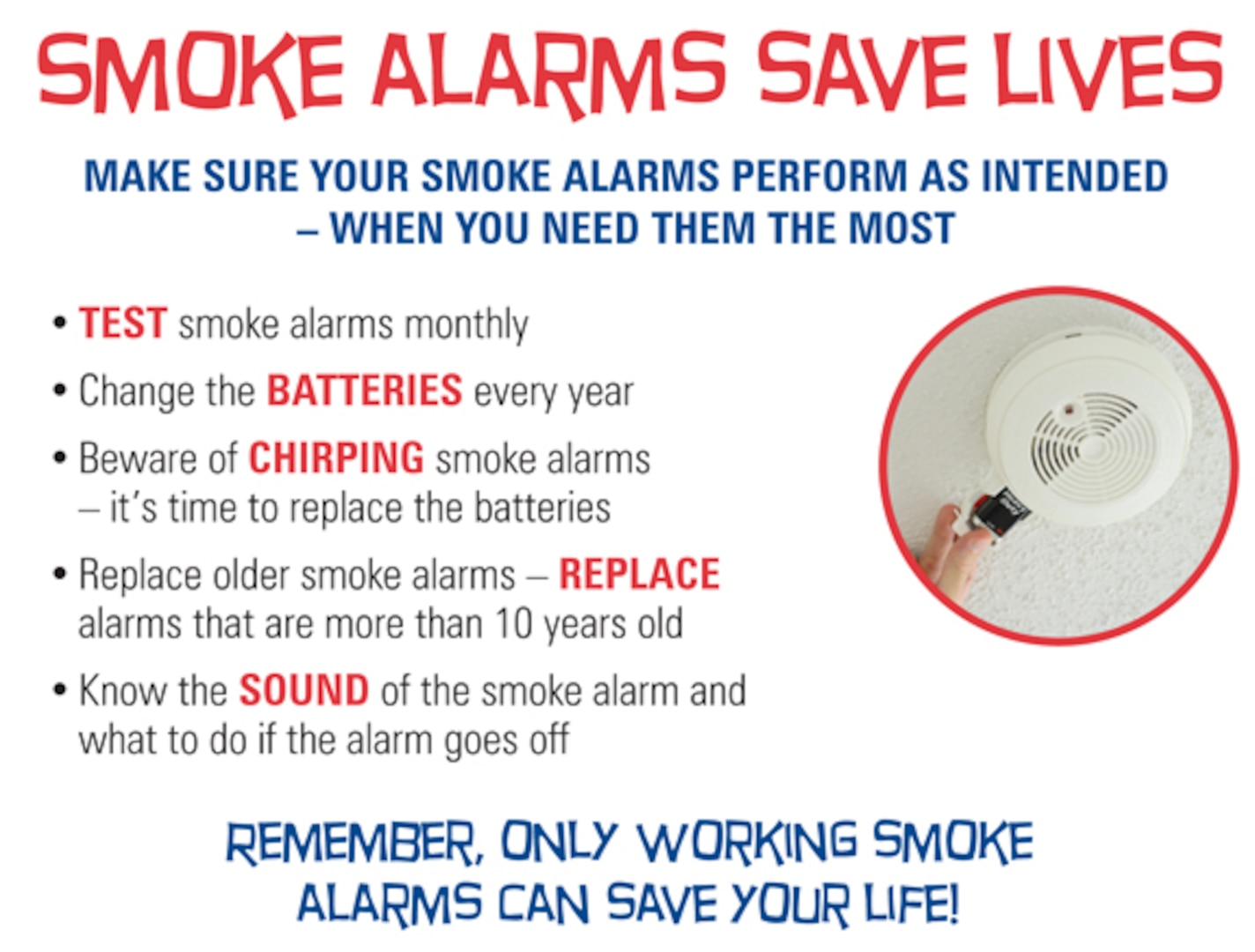
Most smoke detectors do not last forever. Their lifespan depends on the type, environment, and brand. Generally, manufacturers recommend replacing smoke detectors every 10 years. This is not just a suggestion; it’s based on how the sensors degrade over time.
Common Types And Lifespans
- Ionization smoke detectors: These are good at detecting fast, flaming fires. Their sensors become less sensitive after about 10 years.
- Photoelectric smoke detectors: Best for slow, smoldering fires. They also need replacement every 10 years.
- Combination detectors: These combine both technologies and follow the same 10-year rule.
Some high-end models may last slightly longer, but the 10-year guideline is widely accepted for all residential smoke detectors.
Why 10 Years?
The 10-year limit comes from sensor aging. The chemicals and electronic parts inside lose accuracy over time. Studies show that after a decade, even well-maintained detectors can miss dangerous smoke levels. Dust, insects, and moisture speed up this process. This is why replacing your smoke detector is not just about following instructions—it’s about safety.
Signs Your Smoke Detector Needs Replacement
Sometimes, you might need to replace a smoke detector before 10 years. Here are clear signs:
Exclusive Deals
Limited-time Exclusive Deals. Check current discount on Amazon.
Check Price on Amazon As an Amazon Associate I earn from qualifying purchases.- Frequent false alarms: If your detector sounds randomly, it may be malfunctioning.
- Fails to test: When you press the test button and nothing happens, the device is unreliable.
- Yellowing or discoloration: Aging plastic can signal sensor damage inside.
- Physical damage: Cracks, water stains, or exposure to heat can ruin the detector.
- Noisy chirping: Repeated chirping often means battery issues, but if changing batteries doesn’t fix it, the unit may be failing.
- Expired date: Many detectors have a manufacture or expiry date sticker. If yours is past 10 years, replace it.
It’s easy to miss these signs, especially if the detector looks fine. Experts recommend checking detectors every month and cleaning them twice a year.
Smoke Detector Types: What’s The Difference?
To understand replacement schedules, you need to know the types of smoke detectors. Here’s a quick comparison:
| Type | Detection Method | Best For | Usual Lifespan |
|---|---|---|---|
| Ionization | Radioactive material detects smoke particles | Flaming fires | 10 years |
| Photoelectric | Light beam detects smoke | Smoldering fires | 10 years |
| Combination | Both methods | All fire types | 10 years |
| Smart detectors | Internet-connected sensors | Remote monitoring | 10 years |
Ionization detectors react quickly to fast fires, while photoelectric ones respond better to slow, smoky fires. Some homes use both types for better coverage. Smart detectors offer extra features like phone alerts but still follow the same replacement schedule.
Exclusive Deals
Limited-time Exclusive Deals. Check current discount on Amazon.
Check Price on Amazon As an Amazon Associate I earn from qualifying purchases.When To Replace: Key Guidelines
The clear answer for most people is: replace smoke detectors every 10 years. But there are exceptions and special cases.
New Homes
If you move into a new home, check the smoke detectors’ manufacture date. Builders may install detectors before you move in, so they could already be a year or two old. Replace any unit older than 10 years, even if the house itself is new.
Renovated Spaces
Renovations can create dust and debris, which can damage smoke detectors. After major work, inspect and test all units. If they don’t work properly, replace them, no matter their age.
Rental Properties
Landlords must provide working smoke detectors. Tenants should check them monthly. If a detector is old or faulty, request a replacement from the landlord. Local laws may require stricter replacement schedules.
After A Fire Or Water Damage
If your home has experienced fire or water damage, replace all smoke detectors immediately. Heat and moisture can ruin sensors, even if they look fine.
Battery Vs. Hardwired: Does Replacement Differ?
Smoke detectors come in two main types:
- Battery-powered: Easy to install, need battery changes every 6–12 months.
- Hardwired: Connected to house power, often have backup batteries.
Replacement schedules are the same for both: every 10 years. However, battery-powered models may need more frequent attention due to battery life. Hardwired detectors may last longer, but their sensors still degrade.
Battery Replacement Vs. Detector Replacement
Changing batteries does not mean the detector itself is good. Many people think a new battery fixes everything, but the sensor can still fail. Always check the detector’s age and performance.
| Type | Battery Change | Detector Replacement |
|---|---|---|
| Battery-powered | Every 6–12 months | Every 10 years |
| Hardwired | Every 12 months (backup) | Every 10 years |
| Sealed lithium battery | Never (lasts 10 years) | Every 10 years |
Some new detectors use sealed batteries that last the whole life of the device, making replacement easier.
How To Find Your Smoke Detector’s Age
Many people do not know when their smoke detector was installed. Here is how to check:
- Look for a date stamp: Most detectors have a sticker or label on the back with a manufacture date.
- Check the manual: If you have the original instructions, they show the age and recommended replacement.
- Test regularly: If you cannot find the date, and the detector is over 10 years old, replace it.
- Keep a record: Write the installation date on the detector or in your phone calendar.
Many detectors installed years ago may now be expired. If you are unsure, it is safer to replace the unit.
How To Replace A Smoke Detector: Step-by-step Guide
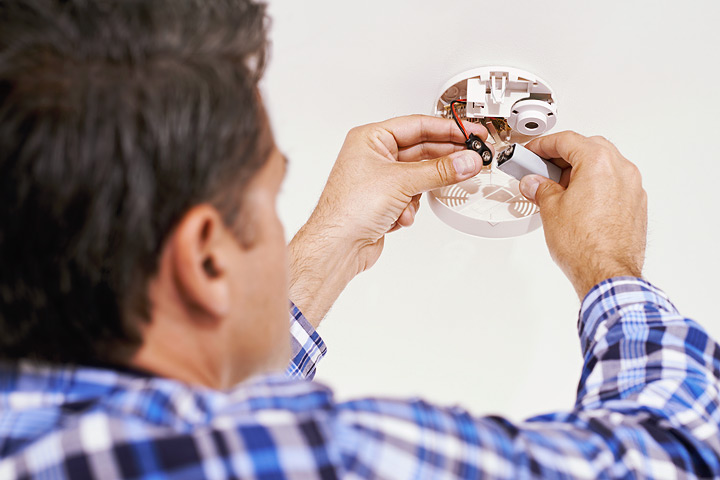
Replacing a smoke detector is simple. Here’s a practical guide for both battery-powered and hardwired models:
Battery-powered Model
- Remove the old detector: Twist or pull it gently from the mounting bracket.
- Disconnect the battery: Take out the old battery, if present.
- Check the wires (if any): For some models, disconnect any attached wires.
- Install the new detector: Fit it onto the bracket, following the manufacturer’s instructions.
- Insert new batteries: If required, use fresh batteries.
- Test the device: Press the test button to make sure it works.
Hardwired Model
- Turn off power: Switch off the circuit breaker for safety.
- Remove the old detector: Unscrew it from the ceiling or wall.
- Disconnect wires: Carefully unplug any connectors.
- Connect the new detector: Match the wires and secure them.
- Mount the device: Screw it back in place.
- Restore power: Turn the circuit breaker back on.
- Test the unit: Press the test button to check function.
Tip: Always follow the manufacturer’s instructions. If you are unsure about wiring, consider hiring a qualified electrician.

Where Should Smoke Detectors Be Installed?
Proper placement is as important as replacement. NFPA guidelines recommend:
- In every bedroom
- Outside each sleeping area
- On every level of the home, including basements
Detectors should be mounted on the ceiling or high on a wall. Avoid placing them near kitchens or bathrooms, where steam and cooking can cause false alarms.
Placement Examples
- In a two-story house with three bedrooms, you need at least five detectors: One in each bedroom, one outside the sleeping area, and one on each floor.
- For apartments, place detectors in the hallway, living area, and bedroom.
Smoke Detector Maintenance: Stay Safe Between Replacements
Replacing smoke detectors is vital, but regular maintenance keeps them reliable. Here are best practices:
- Test monthly: Press the test button to hear the alarm.
- Clean twice a year: Use a vacuum or soft brush to remove dust.
- Replace batteries regularly: Most models need fresh batteries every 6–12 months.
- Avoid painting: Paint can block sensors.
- Check for damage: Inspect for cracks, stains, or discoloration.
Ignoring maintenance leads to silent failures. Some detectors may look fine but not work during a real emergency.
What Happens If You Don’t Replace Smoke Detectors?
Old smoke detectors are risky. Sensors lose accuracy, and the alarm may not sound during a fire. According to the NFPA, homes with working smoke detectors have half the fire death rate compared to homes without them.
Here are dangers of ignoring replacement:
- False security: You think you are safe, but the detector may not work.
- Delayed warning: Slow or no alarm during a fire.
- Legal issues: Some states require working detectors; failing to replace them can lead to fines.
- Insurance problems: Many home insurance policies require working detectors.
Non-obvious Insights Most People Miss
- Sensor decay is invisible: You cannot see or hear sensor aging. Even if the alarm works during a test, it may not detect smoke during a real fire.
- Manufacture date matters more than purchase date: If you buy a detector that was manufactured years ago, its lifespan is already shortened. Always check the date before buying.
Comparing Popular Smoke Detector Brands
Different brands offer varying features, but the replacement schedule is usually the same. Here is a comparison:
| Brand | Type | Recommended Replacement | Special Features |
|---|---|---|---|
| First Alert | Ionization/Photoelectric | 10 years | Battery or hardwired, voice alerts |
| Kidde | Combination | 10 years | Smart models, sealed battery |
| Nest Protect | Smart | 10 years | Wi-Fi alerts, mobile app |
| BRK | Photoelectric | 10 years | Easy install, interconnectable |
Features may help with convenience and monitoring, but do not extend the detector’s lifespan. Always follow the 10-year rule, no matter the brand.
Local Laws And Regulations
Many states and cities in the US require working smoke detectors. Some places specify the type and replacement schedule. For example:
- California: Requires smoke alarms in every bedroom and on every floor.
- New York: Mandates sealed battery detectors for new installations.
- Texas: Landlords must provide working detectors for rentals.
Check your local laws for specific requirements. Some codes may require earlier replacement or special models.
The Cost Of Replacing Smoke Detectors
Replacing a smoke detector is not expensive. Basic models cost $10–$30, while smart detectors range from $50–$120. The price is small compared to the safety they provide.
Budgeting For Replacement
- For a three-bedroom home, expect to spend $50–$150 every 10 years.
- Smart detectors cost more but offer extra features.
If you delay replacement, the cost could be much higher—loss of property or life.
How To Dispose Of Old Smoke Detectors
Smoke detectors contain small amounts of radioactive material (in ionization models) and electronic parts. Do not throw them in regular trash.
- Ionization detectors: Return to manufacturer or local hazardous waste center.
- Photoelectric detectors: Recycle as electronics.
- Smart detectors: Follow e-waste guidelines.
Many manufacturers offer mail-back programs for safe disposal. Check instructions or local waste management websites.
Real-life Example: Timely Replacement Saves Lives
In 2017, a family in Ohio survived a house fire because their smoke detectors worked perfectly. They had replaced all units just months before. The alarms sounded early, giving everyone time to escape. Firefighters later said the detectors prevented tragedy.
Contrast this with cases where detectors failed. In Massachusetts, a fire in 2019 killed two people in a home with outdated detectors. The alarms did not sound, and victims had no warning. These stories show why replacement is not optional.
Expert Tips For Smoke Detector Replacement
- Record the date: Write down when you install new detectors. Set a reminder for 10 years.
- Buy in bulk: Replace all detectors at once for easier tracking.
- Choose sealed battery models: They need less maintenance.
- Check local codes: Some areas require special detectors.
- Hire a professional for hardwired models: If you are unsure, an electrician can help.
Frequently Asked Questions
How Often Should Smoke Detectors Be Replaced?
Most smoke detectors should be replaced every 10 years. This applies to both battery-powered and hardwired models. Always check the manufacturer’s recommendations and the manufacture date on your detector.
Is It Okay To Just Change The Battery Instead Of Replacing The Whole Detector?
No. Changing the battery keeps the alarm powered, but the sensor itself still ages. After 10 years, the detector may not respond to smoke, even with new batteries. Always replace the entire unit as recommended.
What Happens If I Don’t Replace My Smoke Detector?
Old detectors can fail silently. You may not get an alarm during a fire, leading to serious injury or death. Many fire deaths occur in homes with non-working detectors. Insurance claims may also be affected.
Are Smart Smoke Detectors Different When It Comes To Replacement?
Smart smoke detectors offer extra features like phone alerts, but their sensors age just like traditional models. Follow the same 10-year replacement rule, and check the manufacturer’s instructions.
How Do I Safely Dispose Of An Old Smoke Detector?
Ionization detectors should go to hazardous waste centers because they contain radioactive material. Photoelectric and smart detectors can be recycled with electronics. Manufacturers often offer mail-back programs. Check local guidelines for safe disposal.
Keeping your home safe is not just about installing smoke detectors—it’s about replacing them on time and maintaining them properly. If you follow these guidelines, you will protect your family and property from unexpected fire disasters. For more detailed information, visit the NFPA Smoke Alarm Safety page.
Regular replacement is a simple action with a big impact. Don’t wait until it’s too late—check your smoke detectors today and make a plan for timely replacement. Your safety depends on it.


