Storing firearms safely at home is more important than ever. With increased attention on gun safety, many owners turn to trigger locks as a simple, affordable solution. But how secure are these devices, really? This article takes an in-depth look at trigger locks for home storage. We’ll explore how they work, their strengths and weaknesses, and how they compare to other safety options. If you want to know whether trigger locks truly protect your firearms—and your loved ones—read on for a clear, balanced analysis.
What Are Trigger Locks?
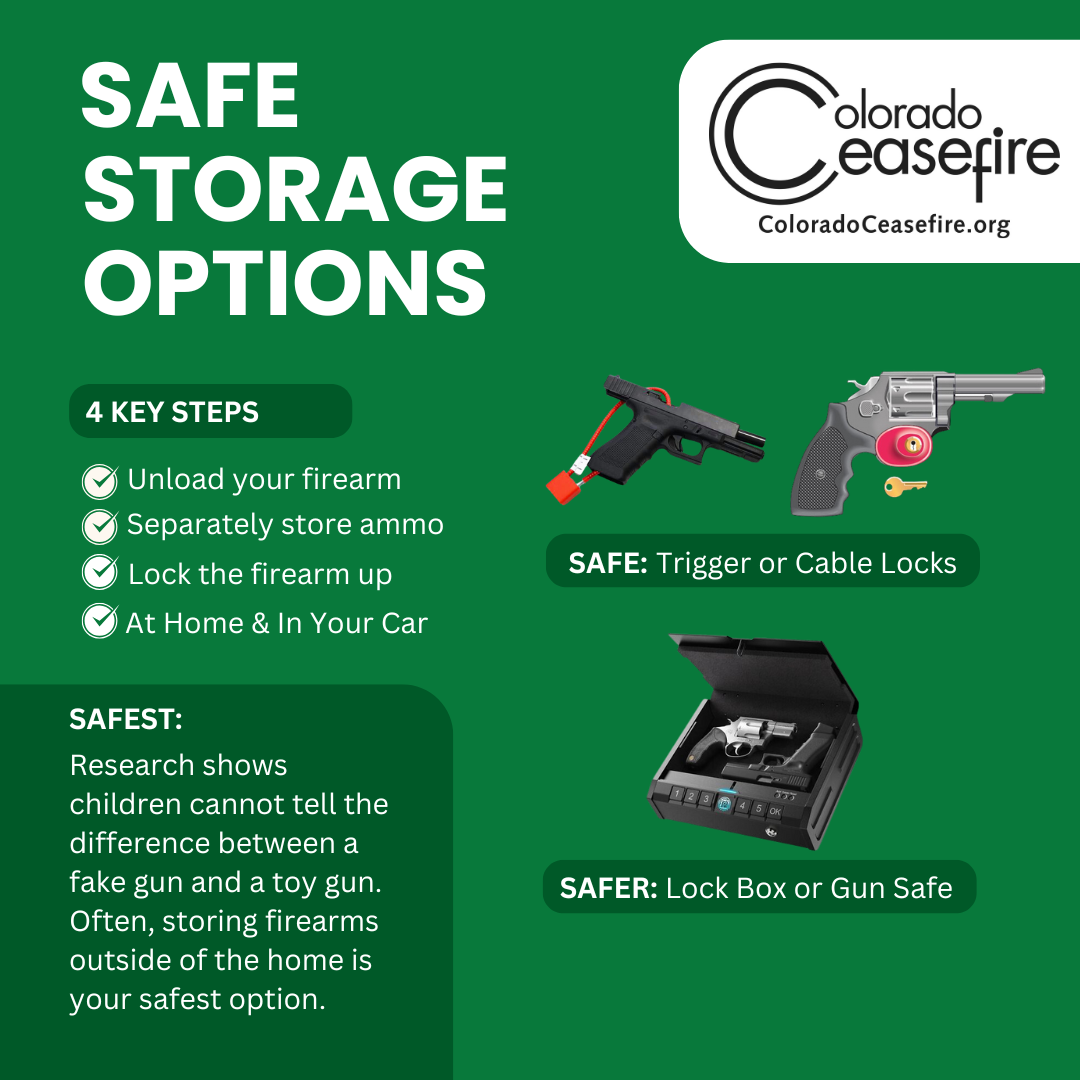
A trigger lock is a device that fits over the trigger of a firearm to block access. The idea is simple: if you can’t pull the trigger, the gun can’t fire. Trigger locks usually come in two main forms:
- Keyed locks use a traditional key to open and close the device.
- Combination locks require entering a code.
They are designed to be easy to install and remove by the gun owner, but difficult for unauthorized users—especially children. Most trigger locks are made of metal or tough plastic, and some are included with new firearms at purchase.
Exclusive Deals
Limited-time Exclusive Deals. Check current discount on Amazon.
Check Price on Amazon As an Amazon Associate I earn from qualifying purchases.Trigger locks are not new; they’ve been around for decades. Their main appeal is affordability and ease of use. A typical trigger lock costs between $10 and $30 and can fit most handguns, rifles, or shotguns.
How Do Trigger Locks Work?
The design is straightforward. A trigger lock usually has two parts that clamp together on either side of the trigger guard. Once locked, it physically blocks the trigger from moving. Here’s what happens step by step:
- Position the lock: Place the two halves around the trigger guard so the trigger is centered.
- Engage the lock: Close the halves together. For keyed locks, turn the key. For combination locks, set the dial.
- Check security: Try to move the trigger. A properly installed lock will prevent any motion.
Some trigger locks are universal, while others are designed for specific gun models. Most manufacturers recommend that the firearm be unloaded before installing the lock.
Types Of Trigger Locks
Trigger locks come in several varieties, each with unique features. Understanding these can help you choose the right one for your needs.
Exclusive Deals
Limited-time Exclusive Deals. Check current discount on Amazon.
Check Price on Amazon As an Amazon Associate I earn from qualifying purchases.| Type | How It Works | Pros | Cons |
|---|---|---|---|
| Keyed Trigger Lock | Opens with a physical key | Simple, reliable, affordable | Key can be lost or copied |
| Combination Trigger Lock | Opens with a numeric code | No key to lose, shareable code | Code can be guessed or forgotten |
| Smart/Biometric Lock | Uses fingerprint or app | Quick access, high tech | Expensive, may fail if battery dies |
| Cable Lock | Cable runs through action | Blocks both trigger and action | May not fit all guns |
Keyed locks are most common, but combination and smart locks are gaining popularity. Smart locks can be useful for fast access but rely on batteries or electronics, which can fail.
Strengths Of Trigger Locks
Trigger locks offer several benefits for home storage, especially compared to leaving a firearm unsecured.
- Affordable: Trigger locks are among the cheapest firearm safety devices. Most gun owners can afford to install one on every firearm.
- Widely Available: Many new guns come with a trigger lock in the box. They are also easy to find at gun shops and online.
- Simple to Use: No special tools or installation are needed. Most people can attach or remove a trigger lock in under a minute.
- Visual Deterrent: Even a simple lock can discourage casual tampering, especially by children or visitors.
- Legal Compliance: Some states require trigger locks or similar devices for guns stored in homes with children. Using one may help you comply with local laws.
For these reasons, trigger locks are a common first step in gun safety for many households.
Exclusive Deals
Limited-time Exclusive Deals. Check current discount on Amazon.
Check Price on Amazon As an Amazon Associate I earn from qualifying purchases.Weaknesses And Limitations
Despite their advantages, trigger locks are not foolproof. Many gun safety experts warn that these devices have important limitations.
Not A Substitute For Secure Storage
The biggest weakness is that trigger locks do not secure the entire firearm—only the trigger. The gun can still be picked up, moved, or even loaded. This means that if someone is determined, they may still be able to misuse the firearm.
Vulnerable To Tampering
Simple trigger locks can sometimes be defeated with basic tools. There have been reports of locks being broken, cut, or picked. For example, some cheap locks can be opened with a screwdriver or even forced off with enough pressure.
Not Always Childproof
While trigger locks are meant to keep children safe, they are not as secure as a locked gun safe. Curious or older children might be able to figure out the mechanism, especially if they have time and opportunity. The Consumer Product Safety Commission has noted cases where children bypassed trigger locks.
May Not Fit All Firearms
Some trigger locks are designed for specific guns. Universal models may not fit properly on all firearms, especially older or non-standard designs. A poor fit can make the lock less effective.
Can Cause Accidental Damage
If a trigger lock is installed on a loaded firearm, there is a risk of accidentally pulling the trigger while attaching or removing the device. This is a serious safety hazard. Most gun safety instructions recommend always unloading the gun before using a trigger lock.
How Trigger Locks Compare To Other Gun Storage Solutions
To understand the value of trigger locks, it helps to compare them to other common storage methods. Here’s a look at how they stack up:
| Device | Security Level | Cost Range | Access Speed | Child Safety |
|---|---|---|---|---|
| Trigger Lock | Low to Medium | $10-$30 | Slow | Medium |
| Cable Lock | Medium | $10-$30 | Slow | Medium |
| Locking Case | High | $40-$200 | Medium | High |
| Gun Safe | Very High | $100-$2000+ | Medium to Fast (biometric) | Very High |
Compared to gun safes or locking cases, trigger locks offer lower security. A safe protects the whole gun, not just the trigger. Locking cases and safes also help prevent theft, fire, or water damage—something trigger locks do not address.
Real-world Effectiveness: Do Trigger Locks Prevent Accidents?
The main purpose of a trigger lock is to prevent accidental discharge, especially by children. Do they work in practice?
Data And Studies
The Centers for Disease Control and Prevention (CDC) reports that unintentional shootings in homes are a real risk, especially among children. Studies show that homes with unlocked, loaded guns are much more likely to have accidental shootings.
A study published in JAMA Pediatrics (2019) found that secure storage—including trigger locks—can reduce the risk of accidental firearm injury by up to 85%. However, the same study also noted that trigger locks are less effective than full gun safes. When a trigger lock is used alone, determined individuals may still be able to fire the gun if the lock is poorly installed or defective.
Case Example
Consider a case in Texas in 2016. A child found a loaded handgun with a trigger lock in a drawer. The lock was not installed correctly, and the child managed to remove it. The gun fired, injuring the child. This tragic example shows that trigger locks must be installed properly and should not be the only line of defense.
Manufacturer Warnings
Even the companies that make trigger locks often include warnings: “Not intended as a substitute for a locked gun safe.” This advice is backed by organizations such as the National Shooting Sports Foundation.
When Are Trigger Locks A Good Choice?
Trigger locks can be a smart option in certain situations. Here’s when they make sense:
- As a first layer of security: They are better than nothing if you don’t have a safe.
- For transport: Some states require guns to be locked during travel. Trigger locks are legal for this purpose in many areas.
- Temporary storage: If you’re cleaning or moving firearms around the home, a trigger lock adds a quick safety measure.
- Budget constraints: If you can’t afford a safe, a trigger lock is an affordable alternative.
However, if you have children or expect guests, a locked safe or case is much more reliable.
Common Mistakes When Using Trigger Locks
Many people use trigger locks incorrectly, reducing their security. Here are mistakes to avoid:
- Installing on a loaded firearm: Always unload the gun first. Installing the lock on a loaded gun can cause a discharge.
- Not checking fit: If the lock doesn’t fit tightly, it can be removed easily. Test the lock after installing.
- Leaving keys or codes nearby: If the key or combination is easy to find, children or thieves may gain access.
- Relying on the lock alone: Don’t use a trigger lock as your only security, especially if you have kids in the house.
- Ignoring maintenance: Locks can get dirty or rusty. Check and clean them regularly.
Insights Most Beginners Miss
There are a few non-obvious things about trigger locks that many first-time buyers overlook:
- Insurance companies may offer discounts for using trigger locks or gun safes. Check with your provider—this can help offset the cost of better security.
- Trigger locks don’t prevent theft. If someone steals your gun with the lock attached, they can defeat it later with tools and time. Always consider overall home security.
- Combination locks can be reset accidentally. If the lock is jostled, the combination could change, locking you out. Keep a record of your code in a safe place.
- Legal requirements vary by state. Some states require trigger locks by law, others do not. Know your local regulations to stay compliant.
Alternatives To Trigger Locks
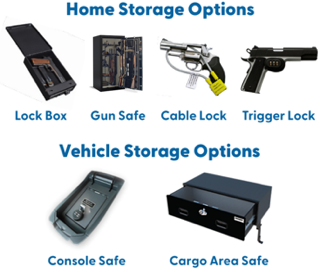
If you want more security, consider these options:
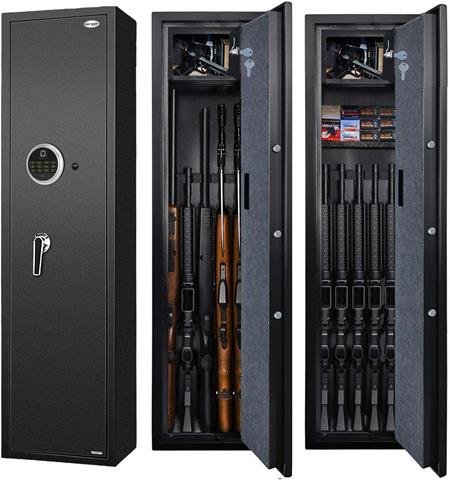
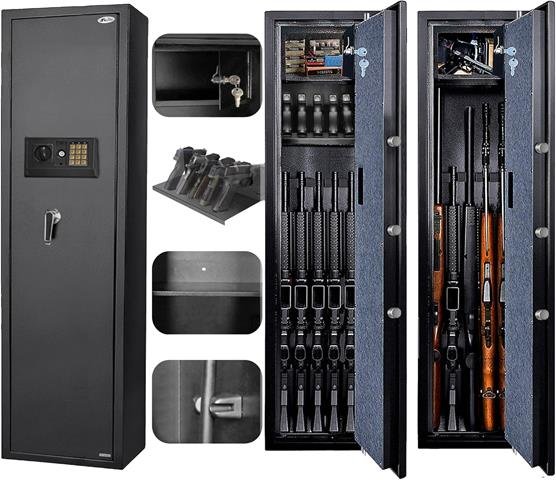
- Gun safes: The gold standard for home gun storage. They protect against theft, fire, and unauthorized access.
- Locking cabinets: Less expensive than full safes but still offer solid protection.
- Biometric safes: Use fingerprint readers for quick access. Excellent for those who need fast retrieval for self-defense.
- Cable locks: These run through the gun’s action, blocking both loading and firing.
Each option has trade-offs in terms of cost, convenience, and security. For maximum safety, use a combination—like a trigger lock plus a safe.
How To Choose A Good Trigger Lock
If you decide a trigger lock is right for you, here’s what to look for:
- Fit: Make sure it fits your gun model securely. Test before relying on it.
- Material: Choose hardened steel or high-quality alloy. Cheap plastic locks are easier to break.
- Locking mechanism: Keyed locks are simple but require managing a key. Combination locks are convenient but can be forgotten.
- Brand reputation: Stick with well-known brands. Read reviews and check for safety certifications.
- Warranty: Some locks come with a warranty or replacement policy.
Don’t be afraid to spend a little more for a higher-quality product. Your safety is worth it.

Proper Use And Maintenance
To get the most from a trigger lock:
- Always unload your gun before installing or removing the lock.
- Follow the manufacturer’s instructions for installation and removal.
- Store keys and codes separately from the firearm.
- Inspect the lock regularly for signs of damage or wear.
- Replace the lock if it becomes hard to operate or shows signs of rust.
A well-maintained trigger lock is more likely to perform when needed.
Trigger Locks And Children: Special Considerations
Children are naturally curious, and firearms are especially tempting. A trigger lock can slow them down, but it is not a guarantee of safety. Here’s what parents should know:
- Education is vital: Teach children never to touch firearms and to tell an adult if they find one.
- Layer your safety: Use both trigger locks and locked storage.
- Supervise access: Know where your keys are and who knows the combination.
- Consider tamper-evident features: Some locks show if someone tried to open them.
Remember, no device replaces responsible adult supervision.
Legal Aspects Of Trigger Locks
Laws about gun storage and trigger locks vary widely. In some states, it’s illegal to leave a gun unsecured in a home with children. Others require a locking device to be included with every gun sale.
- California: Requires approved safety devices for gun sales.
- Massachusetts: Guns must be stored with a trigger lock or in a locked container.
- New York: Similar requirements for homes with children.
Penalties can include fines or even criminal charges if a child accesses a firearm. Always check your state and local laws.
For a deeper look at state-by-state regulations, see the Wikipedia page on U.S. gun laws.
Is A Trigger Lock Enough? Final Thoughts
A trigger lock is better than nothing, but it should not be your only safety measure. Think of it as a layer in a broader security system. For homes with children, guests, or frequent visitors, a gun safe or locking case is much safer.
If you rely on a trigger lock, choose a quality model, install it correctly, and use it alongside other safety practices. Education and responsible ownership make the biggest difference.
Frequently Asked Questions
How Do I Know If My Trigger Lock Is Installed Correctly?
Check that the lock fits tightly around the trigger guard and that the trigger cannot move. Try to wiggle or pull the trigger gently. If there’s any movement, the lock may not fit your gun or is not installed properly.
Can A Trigger Lock Be Picked Or Broken?
Yes, some low-quality locks can be picked or forced open with tools. Choose a sturdy, well-reviewed lock and use it with a locking case or safe for better protection.
Are Trigger Locks Required By Law?
Some states require trigger locks or similar devices, especially in homes with children. Always check your local laws to stay compliant.
Will A Trigger Lock Prevent Theft?
No, trigger locks do not prevent someone from stealing your firearm. They only block access to the trigger. Use a gun safe or locking case for theft protection.
Is It Safe To Keep A Loaded Gun With A Trigger Lock?
It is not recommended. Always unload the gun before installing or removing a trigger lock to avoid accidental discharge.
Storing firearms safely is a serious responsibility. Trigger locks offer basic protection, but real security comes from combining layers—quality locks, secure storage, and ongoing education. Your choice can make a life-changing difference.