
Testing your smoke detector may seem simple, but it’s one of the most important tasks for keeping your home safe. Many people forget this step, or they do it incorrectly. Fires can spread fast—within minutes, a small flame can turn dangerous.
A working smoke detector can give you precious time to escape. In this article, you’ll learn how to test a smoke detector the right way, what to watch out for, and how to make sure your device is reliable. Whether you live in a small apartment or a large house, knowing these steps can make a real difference.
Let’s explore how to test your smoke detector, avoid common mistakes, and understand the facts behind these life-saving devices.

Exclusive Deals
Limited-time Exclusive Deals. Check current discount on Amazon.
Check Price on Amazon As an Amazon Associate I earn from qualifying purchases.Why Testing Smoke Detectors Matters
Most fire deaths happen in homes without working smoke detectors. According to the National Fire Protection Association (NFPA), around 3 out of 5 fire deaths occur where smoke alarms are missing or fail to work. This statistic shows how critical regular testing is.
Smoke detectors alert you before smoke becomes dangerous. When smoke rises, the detector senses it and sounds a loud alarm. If the detector doesn’t work, you may not wake up or notice the fire until it’s too late. Testing your smoke detector is the best way to make sure it will protect you when you need it most.
Types Of Smoke Detectors
Not all smoke detectors are the same. Understanding the differences helps you test each one properly.
Ionization Smoke Detectors
These detect fast-burning, flaming fires. They have a small amount of radioactive material that creates a current. When smoke enters, it disrupts the current and triggers the alarm.
Exclusive Deals
Limited-time Exclusive Deals. Check current discount on Amazon.
Check Price on Amazon As an Amazon Associate I earn from qualifying purchases.Photoelectric Smoke Detectors
These respond best to slow, smoldering fires. They use a light beam and a sensor. Smoke blocks the light, causing the sensor to activate the alarm.
Dual-sensor Smoke Detectors
These combine both technologies. They provide better coverage for different fire types.
Smart Smoke Detectors
These connect to Wi-Fi. Some send alerts to your phone and offer extra features, like voice alarms or integration with smart home systems.
Exclusive Deals
Limited-time Exclusive Deals. Check current discount on Amazon.
Check Price on Amazon As an Amazon Associate I earn from qualifying purchases.Battery-powered Vs. Hardwired
- Battery-powered detectors are easy to install and test.
- Hardwired detectors are connected to your home’s electrical system. They may have backup batteries.
Knowing your detector type helps you choose the right testing method.
How Often Should You Test A Smoke Detector?
Testing is not a once-a-year task. Experts recommend:
- Monthly testing: Press the test button every month.
- Battery checks: Change batteries at least once a year, even if they seem fine.
- Replacement: Replace smoke detectors every 10 years.
Some people skip testing because they forget or think the alarm will last forever. But dust, dead batteries, or faulty parts can cause detectors to fail.
Preparing To Test Your Smoke Detector
Before you start, gather a few items:
- A sturdy step stool or ladder for reaching the detector
- A clean cloth for wiping dust
- A can of smoke detector test spray (optional, for advanced testing)
- New batteries (if your detector uses them)
Let everyone in your home know you’re testing. The alarm will be loud. This prevents panic or confusion.

Step-by-step: How To Test A Smoke Detector
Follow these steps for reliable testing. Doing this regularly builds a safe habit.
1. Locate All Smoke Detectors
Check every room and hallway. Most homes have detectors near bedrooms, in living rooms, and in basements. The NFPA recommends one detector per floor, plus outside sleeping areas.
2. Press The Test Button
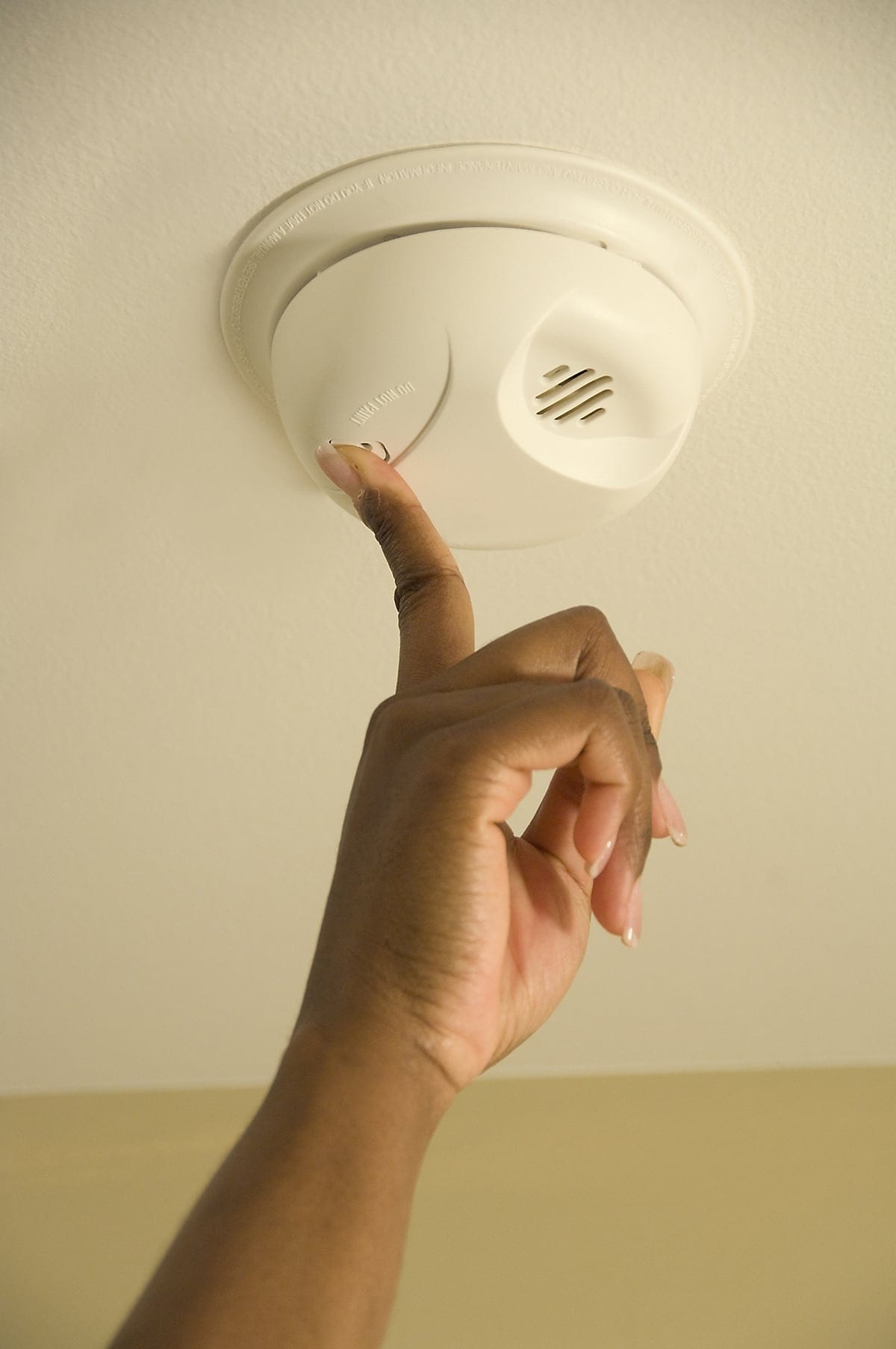
All modern detectors have a test button. Stand on a stool, press the button firmly. The alarm should sound loudly for several seconds. If you don’t hear anything, the detector may need new batteries or replacement.
3. Listen For The Alarm
The sound should be sharp and clear. If it’s weak, delayed, or doesn’t work, change batteries and test again. If it still fails, replace the unit.
4. Check The Indicator Light
Many detectors have a small light that flashes when working. During the test, it often blinks or stays on. If you see no light, check the manufacturer’s instructions.
5. Test With Smoke (optional)
For a more realistic test, use a smoke detector test spray. Spray a small amount near the detector (not directly into it). The alarm should sound after a few seconds.
Never use real smoke or open flames for testing. This can damage the detector or cause a real fire.
6. Inspect For Dust And Debris
Dust can block sensors. Wipe the detector’s exterior gently with a dry cloth. If your detector has a removable cover, open it and clean inside (follow manufacturer guidelines).
7. Replace Batteries If Needed
If your detector fails the test, change batteries. Use the recommended type (often 9V or AA). Insert them properly and repeat the test.
8. Record The Test Date
Keep a log of test dates. This helps you remember and shows you’re maintaining safety.
Comparing Smoke Detector Testing Methods
Let’s compare the main ways to test a smoke detector.
| Method | Ease of Use | Accuracy | Recommended Frequency |
|---|---|---|---|
| Test Button | Very easy | Checks alarm sound, battery | Monthly |
| Smoke Detector Test Spray | Moderate | Simulates smoke, checks sensor | Every 6 months |
| Manual Inspection | Easy | Checks for dust, damage | Monthly |
Most people only use the test button, but using test spray is a more realistic check. Manual inspection is easy but often forgotten.
What If Your Smoke Detector Fails The Test?
If the alarm doesn’t sound, or it’s weak, follow these steps:
- Replace batteries. Try the test again.
- Clean the detector. Dust or insects can block sensors.
- Check wiring. If you have a hardwired unit, look for loose connections.
- Replace the detector. If it’s over 10 years old, buy a new one.
Sometimes, detectors fail even after changing batteries. This often means the sensor is worn out. Old detectors lose sensitivity and may not detect smoke fast enough.
Common Mistakes When Testing Smoke Detectors
Many people make errors that reduce safety. Here are a few to avoid:
- Ignoring the test button. Some skip testing because they think the detector is working.
- Using real smoke or fire. This is dangerous and damages the unit.
- Not cleaning regularly. Dust can block sensors.
- Forgetting battery changes. Batteries can die without warning.
- Testing only once a year. Monthly checks are safer.
- Not replacing old detectors. Sensors age and lose effectiveness.
A surprising insight: Some detectors beep or chirp when batteries are low, but not all do. Relying only on warning beeps is risky.
Smoke Detector Placement And Its Impact On Testing
Proper placement affects both testing and performance. The NFPA recommends these guidelines:
- Place detectors on ceilings or high on walls
- Keep at least 4 inches from corners
- Avoid placing near kitchens or bathrooms (steam can cause false alarms)
- Don’t install near air vents or windows (air flow can affect detection)
Wrong placement can make testing harder. For example, detectors in high or awkward spots may be skipped during monthly checks.
How To Test Hardwired Smoke Detectors
Hardwired units are common in modern homes. They connect to the house’s electricity and often have backup batteries.
Steps:
- Turn off power if you need to inspect wiring.
- Press the test button. All interconnected alarms should sound.
- Check backup batteries. These must be replaced yearly.
- Inspect for loose wires or corrosion.
Some homes have interconnected detectors. When you press the test button on one, all alarms should sound. If only one goes off, check the wiring or consult an electrician.
Testing Smart Smoke Detectors
Smart detectors offer extra features. Here’s how to test them:
- Press the physical test button. The alarm should sound.
- Check app alerts. Many smart units send notifications to your phone.
- Review status in the app. Some show battery levels and sensor health.
- Test voice alarms. Some models use voice instead of beeps.
Smart detectors may have self-testing functions. Still, manual testing is important for peace of mind.
Comparing Battery Types For Smoke Detectors
Battery choice affects reliability. Here’s a comparison:
| Battery Type | Life Span | Cost | Maintenance |
|---|---|---|---|
| 9V | 1 year | Low | Replace yearly |
| AA | 1 year | Low | Replace yearly |
| Lithium | Up to 10 years | Medium | No annual replacement |
Lithium batteries are more expensive but last longer. If you travel often or forget regular maintenance, lithium can be a smart choice.
Advanced Testing: Using Smoke Detector Test Spray
Some people want more than just a button check. Smoke detector test sprays simulate real smoke without danger. These sprays are available at hardware stores.
How to use:
- Read the instructions on the can.
- Stand a few feet from the detector.
- Spray a short burst near the unit.
- Wait for the alarm. It should sound in seconds.
This method checks the sensor, not just the alarm circuit. If the unit fails, clean it and try again. If it still fails, replace it.
An insight many beginners miss: Test sprays can reveal a detector that passes button tests but won’t sense smoke. This is rare but possible, especially as detectors age.
What About False Alarms?
Sometimes detectors go off when there’s no smoke. Common causes:
- Cooking fumes
- Steam from showers
- Dust
- Insects inside the unit
If false alarms happen often, clean the detector and check placement. Move it further from kitchens or bathrooms if needed. Don’t disable the unit—this leaves you unprotected.
Keeping A Smoke Detector Maintenance Log
Many people forget when they last tested their detector. Keeping a simple log helps:
- Write down each test date.
- Record battery changes.
- Note any issues or replacements.
This habit is especially useful for landlords or people managing multiple properties.
How Many Smoke Detectors Should You Have?
The NFPA suggests:
- One detector per bedroom
- One outside each sleeping area
- One per floor (including basement)
For example, a two-story house with three bedrooms should have at least five detectors.
Real-world Examples
Let’s look at two real cases:
Case 1: In 2019, a family in Ohio escaped a fire because their detectors alerted them at 2am. Monthly tests and fresh batteries saved their lives.
Case 2: In a New York apartment, a detector failed to sound during a kitchen fire. The owner had not tested it for two years. Investigation showed dead batteries and a clogged sensor.
These examples show the impact of regular testing.
Comparing Smoke Detector Brands
Some brands are more reliable than others. Here’s a brief comparison:
| Brand | Average Lifespan | Ease of Testing | Smart Features |
|---|---|---|---|
| First Alert | 10 years | Easy | Some models |
| Kidde | 10 years | Easy | Some models |
| Nest Protect | 10 years | Very easy | Yes |
| BRK | 10 years | Moderate | No |
Most major brands are reliable if maintained well. Smart models make testing easier but cost more.

Smoke Detector Testing In Apartments Vs. Houses
Testing steps are similar, but there are differences:
- Apartments: Often have fewer detectors, sometimes managed by landlords. Tenants should test detectors monthly and report issues.
- Houses: Owners are responsible for all detectors. Test each unit, including basements and attics.
Some apartment buildings use central alarm systems. These must be checked by building staff, but individual units still need monthly tests.
How To Dispose Of Old Smoke Detectors
Old detectors contain small amounts of radioactive material (in ionization types). Don’t throw them in the trash.
- Check local regulations for disposal.
- Many hardware stores accept old detectors.
- Remove batteries before disposal.
Proper disposal protects the environment and follows safety laws.
Tips For Reliable Smoke Detector Testing
- Test at the same time each month (e.g., first Saturday).
- Use a calendar reminder or phone alert.
- Change batteries when daylight saving time begins.
- Clean detectors during battery changes.
- Don’t ignore chirping sounds—replace batteries or units immediately.
A non-obvious tip: If your detector is hardwired, test after any electrical work in the home. Power surges can affect performance.
The Role Of Smoke Detectors In Fire Safety
Smoke detectors are the first line of defense against fire. They give early warning, allowing you to escape or call for help. Testing ensures this protection is always ready.
Modern detectors are reliable, but only if maintained. Testing is quick, easy, and proven to save lives. Don’t wait for a fire to find out if your detector works.
For more information on fire safety and smoke detectors, visit the NFPA Smoke Alarm Safety page.
Frequently Asked Questions
How Do I Know If My Smoke Detector Is Working?
Press the test button. The alarm should sound loudly. If it doesn’t, change batteries or replace the detector. Monthly tests are recommended.
Can I Use A Candle Or Cigarette To Test My Smoke Detector?
No. Using real smoke or fire is unsafe and can damage the detector. Use a smoke detector test spray instead.
What Should I Do If My Smoke Detector Keeps Beeping?
Beeping usually means low batteries or another issue. Replace batteries first. If the beeping continues, check for dust or replace the unit.
How Often Should I Replace My Smoke Detector?
Replace smoke detectors every 10 years, even if they still work. Sensors lose sensitivity over time.
Where Should I Install Smoke Detectors In My Home?
Install smoke detectors in every bedroom, outside sleeping areas, and on each floor. Avoid kitchens and bathrooms to reduce false alarms.
Testing your smoke detector is a simple task that can save lives. Make it a habit, teach others in your home, and stay safe every day.


