
Smoke detectors save lives. In the United States alone, three out of five home fire deaths happen in properties without working smoke alarms. Fires move fast and produce toxic smoke within minutes. Early warning from a reliable smoke detector gives you and your family time to escape safely.

Exclusive Deals
Limited-time Exclusive Deals. Check current discount on Amazon.
Check Price on Amazon As an Amazon Associate I earn from qualifying purchases.Yet, not all smoke detectors are the same. Different types use different technologies, have unique strengths, and suit various needs. Choosing the right one can make a crucial difference in an emergency. This guide explains the main types of smoke detectors, how they work, where they fit best, and what you should consider before buying.
Why Smoke Detectors Matter
A working smoke detector is one of the most important safety devices in any building. According to the National Fire Protection Association (NFPA), the risk of dying in a home fire is cut in half when there is a working smoke detector.
Fires today burn faster due to synthetic materials, so every second counts.
But a detector that fits one room may not suit another. Understanding the different types of smoke detectors ensures you choose the right protection for your home or workplace.
Exclusive Deals
Limited-time Exclusive Deals. Check current discount on Amazon.
Check Price on Amazon As an Amazon Associate I earn from qualifying purchases.Main Types Of Smoke Detectors
Smoke detectors are usually grouped by the technology they use to sense smoke. The three primary types are ionization, photoelectric, and dual-sensor detectors. There are also specialized detectors for specific situations.
Ionization Smoke Detectors
Ionization smoke detectors respond quickly to fast-flaming fires, which produce little visible smoke but lots of heat and small combustion particles. Inside, a small amount of radioactive material (usually americium-241) sits between two electrically charged plates. This ionizes the air and creates a small current. When smoke enters, it disrupts the flow of ions, setting off the alarm.
- Best for: Fast-burning fires, such as grease fires or paper fires
- Strengths: Reacts quickly to small smoke particles
- Weaknesses: Prone to nuisance alarms from cooking or steam
- Where to use: Hallways, areas without much cooking or humidity
Non-obvious insight: Many older homes still use ionization detectors, but most people don’t realize they can miss slow, smoldering fires common in bedrooms or living rooms.
Photoelectric Smoke Detectors
Photoelectric smoke detectors use a light beam and a sensor inside a sensing chamber. When smoke enters, it scatters the light onto the sensor, triggering the alarm. These detectors excel at detecting smoldering fires, which produce lots of smoke before flames break out.
- Best for: Slow, smoldering fires from upholstery or electrical faults
- Strengths: Sensitive to larger smoke particles; fewer false alarms from cooking
- Weaknesses: Slightly slower with fast-flaming fires
- Where to use: Bedrooms, living rooms, near kitchens (but not above stoves)
Non-obvious insight: Many people install only one type, not realizing that photoelectric detectors are better for most home fire scenarios, which often start as slow, smoky fires.
Exclusive Deals
Limited-time Exclusive Deals. Check current discount on Amazon.
Check Price on Amazon As an Amazon Associate I earn from qualifying purchases.Dual-sensor Smoke Detectors
Dual-sensor smoke detectors combine ionization and photoelectric technologies in a single unit. This way, they can detect both fast-burning and slow, smoldering fires. Some models allow you to adjust sensitivity or silence the alarm if needed.
- Best for: Comprehensive protection in homes and workplaces
- Strengths: Covers a wider range of fire types; fewer false alarms
- Weaknesses: Usually more expensive; may need more maintenance
- Where to use: Central locations, hallways, shared spaces
Having both technologies in one detector provides faster warning for different types of fires. However, some dual-sensor models are larger and need more space on the ceiling.
Air-sampling Smoke Detectors
An air-sampling smoke detector (also called aspirating smoke detector) constantly draws air into a detection chamber through a network of pipes. Inside, it uses sensitive laser or LED sensors to detect even tiny amounts of smoke.
- Best for: Early warning in large or critical spaces (data centers, museums, server rooms)
- Strengths: Extremely sensitive; detects smoke before it is visible
- Weaknesses: Expensive; complex installation
- Where to use: High-value areas, clean rooms, archives
Practical tip: Air-sampling detectors are not for most homes, but they can be vital for places where even a small fire could cause huge damage.
Heat Detectors
Heat detectors do not sense smoke at all; they respond to changes in temperature. There are two main types: fixed temperature (alarm sounds at a set temperature) and rate-of-rise (alarm sounds if temperature rises quickly). These are not a substitute for smoke detectors but can be useful in certain situations.
- Best for: Kitchens, garages, boiler rooms, dusty or steamy areas
- Strengths: Less likely to trigger false alarms from dust or steam
- Weaknesses: Slower to respond to fires; do not warn about smoke inhalation risk
- Where to use: Areas where smoke detectors would be triggered too often by non-fire sources
Combination Smoke And Carbon Monoxide Detectors
Some devices combine smoke and carbon monoxide (CO) detection in one unit. CO is a deadly, invisible gas produced by burning fuel. These combination units save space and provide broader protection.
- Best for: Homes with fuel-burning appliances (gas stoves, heaters, fireplaces)
- Strengths: Protects against two hazards; convenient installation
- Weaknesses: May cost more than single-purpose units; needs proper placement
Important note: Carbon monoxide detectors should be installed outside sleeping areas and on every level of your home.
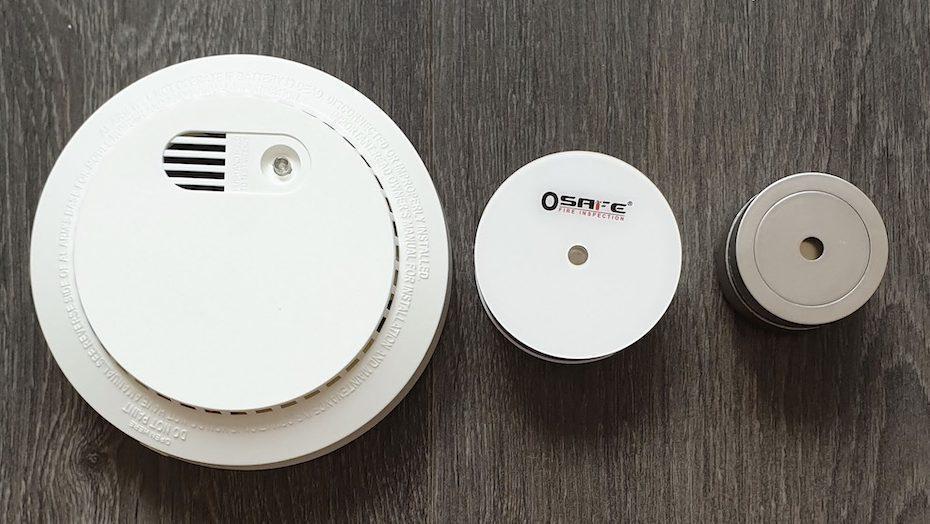
How Smoke Detectors Differ: Key Features Compared
Smoke detectors may look similar, but their performance and features vary. Understanding these differences helps you make a smart choice. Here’s a comparison of the main types:
| Type | Best For | Response Speed | False Alarm Tendency | Cost |
|---|---|---|---|---|
| Ionization | Fast-flaming fires | Very fast | High (cooking/steam) | Low |
| Photoelectric | Smoldering fires | Fast | Low | Medium |
| Dual-sensor | All fire types | Fastest | Low | Higher |
| Air-sampling | Critical spaces | Extremely fast | Very low | Very high |
| Heat detector | High-dust/steam areas | Slow | Very low | Low/Medium |
| Smoke/CO combo | Homes with fuel use | Fast (smoke) | Low | Higher |
Power Sources: Battery Vs Hardwired
Smoke detectors can be powered in different ways, which affects reliability and maintenance.
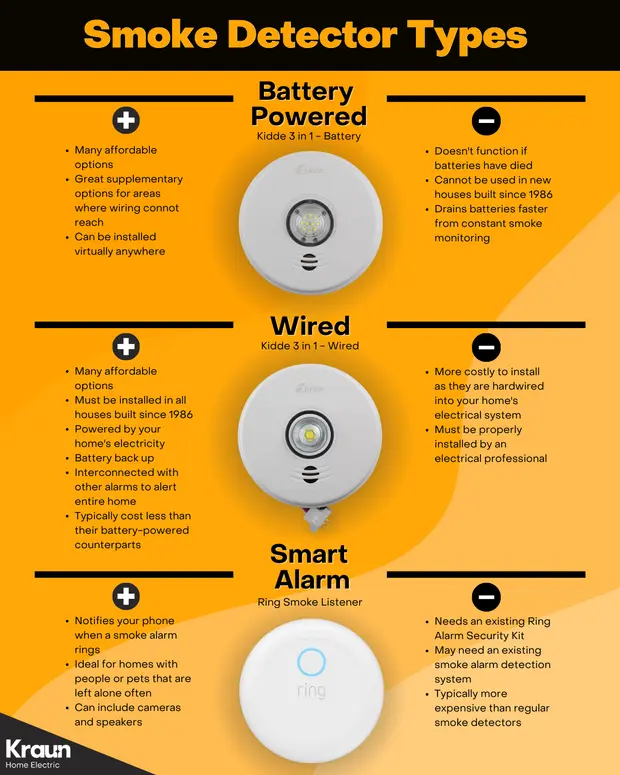
Battery-powered Detectors
These are easy to install and suitable for most homes. Many models use 9-volt batteries, while newer ones have sealed lithium batteries that last up to 10 years. You must test and replace batteries regularly.
Common mistake: People forget to change batteries, leaving detectors inactive. A “chirping” sound is a sign the battery is low.
Hardwired Detectors
These connect to your home’s electrical system and often have a backup battery. They are more reliable and required in many new buildings. When one sounds, all linked alarms go off—a big advantage for large homes.
Insight: Hardwired detectors are safer for multi-story homes because a fire in the basement will trigger alarms upstairs, giving everyone more time to escape.
Smart Smoke Detectors
Smart detectors connect to Wi-Fi or a smart home system. They send alerts to your phone, can be silenced remotely, and sometimes even connect to emergency services.
- Strengths: Remote monitoring, voice alerts, integration with other devices
- Weaknesses: Depend on Wi-Fi and power; higher cost
Smart detectors are especially useful for people who travel often, have rental properties, or care for elderly relatives.
Placement And Maintenance: Get The Most From Your Detector
Proper placement and upkeep are just as important as the type you choose.
Where To Install Smoke Detectors
- Inside every bedroom
- Outside each sleeping area
- On every level of your home, including the basement
- High on walls or ceilings (smoke rises)
- Avoid kitchens and bathrooms where steam or cooking may cause false alarms
For multi-story homes, place alarms at the top of stairways. In large rooms, you may need more than one detector.
Maintenance Tips
- Test monthly: Press the test button to check operation.
- Change batteries at least once a year (unless you have a sealed battery model).
- Clean regularly: Dust and debris can block sensors.
- Replace smoke detectors every 10 years. Old sensors lose sensitivity over time.
- Never paint smoke detectors. Paint can block the sensor.
Example: A detector that looks new but is over 10 years old may not work when you need it most.
Specialized Smoke Detectors
Not every building is the same. Special environments need special detectors.
Wireless Interconnected Detectors
Wireless models link together without hardwiring. If one detects smoke, all alarms sound. This is helpful in older homes where running wires is difficult. It’s also a solution for outbuildings or additions.
Voice Alert Smoke Detectors
Some detectors use a recorded or synthetic voice to announce “Fire! Fire!” rather than just an alarm sound. Research shows children and older adults may respond faster to voice alerts than to loud beeps.
Strobe Light And Vibrating Smoke Detectors
For people who are hard of hearing or deaf, smoke detectors with strobe lights and vibrating pads provide visual or tactile warnings. These can be linked to standard alarms for full coverage.
Smoke Detectors For Different Environments
Choosing the right detector for each space improves safety and reduces false alarms.
| Location | Best Detector Type | Why |
|---|---|---|
| Kitchen | Heat detector | Avoids false alarms from cooking smoke |
| Bedroom | Photoelectric | Detects smoldering fires common in bedding |
| Basement | Dual-sensor | Handles varied fire risks |
| Garage | Heat detector | Dust and car exhaust can trigger smoke detectors |
| Living Room | Photoelectric | Responds to slow, smoky fires |
| Attic | Heat detector | Temperature changes more likely than smoke |
| Hallway | Dual-sensor | Central coverage for both fire types |
| Office/Data Center | Air-sampling | Early warning prevents major losses |
Tip: Always follow manufacturer guidelines and local fire codes for placement.
What To Consider When Choosing A Smoke Detector
Not all detectors suit every need or budget. Consider these factors before you buy:
- Type of Fire Risk: Do you have more flammable materials or risk of slow, smoldering fires?
- False Alarm Sensitivity: Will cooking, dust, or steam cause nuisance alarms?
- Power Source: Do you prefer battery, hardwired, or smart detectors?
- Cost: Is initial price or long-term maintenance more important?
- Special Needs: Do you need voice alerts, strobe lights, or wireless models?
- Maintenance: Are you willing to test and change batteries regularly?
- Local Regulations: Some cities require specific types or interconnected alarms.
Example: If you rent, check with your landlord about preferred or required models.
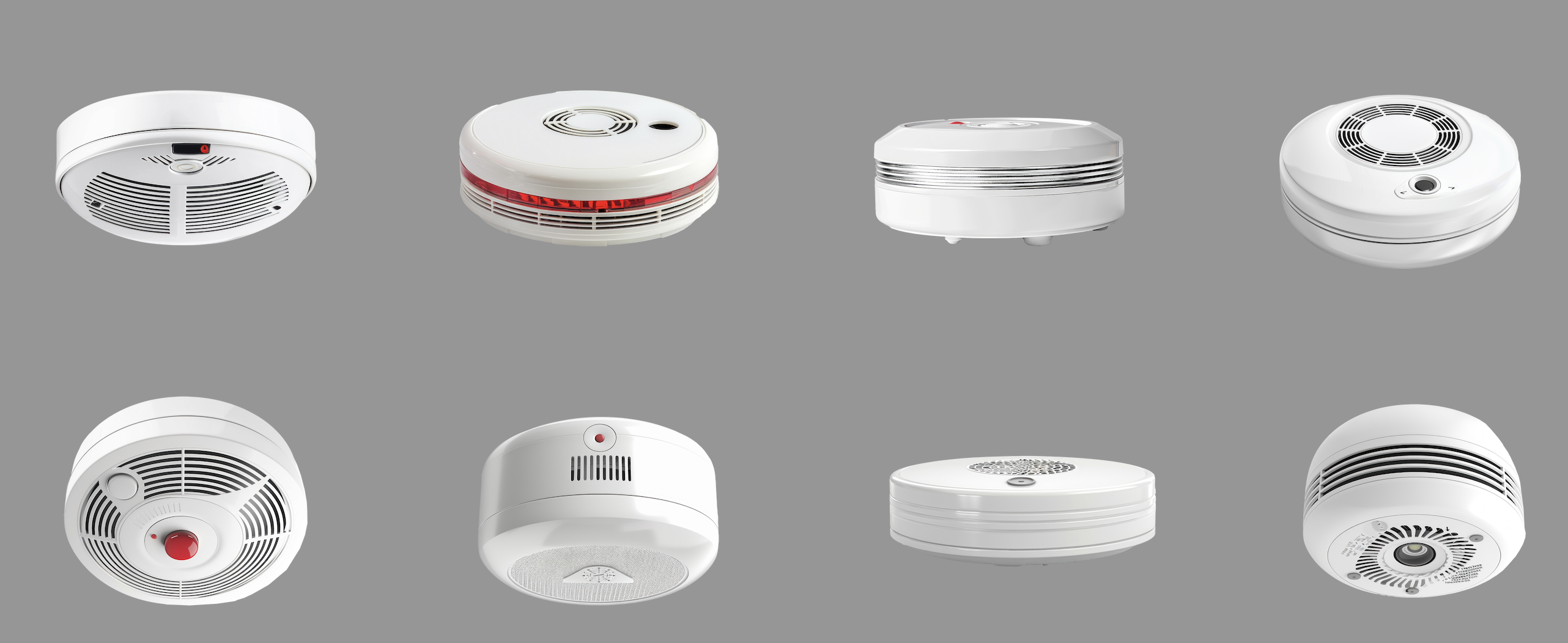
Testing And Replacing Smoke Detectors
Regular testing and timely replacement keep your home safe. Here’s a simple timeline:
- Test alarms monthly by pressing the test button.
- Change batteries every 6–12 months (unless sealed battery).
- Replace entire detector every 10 years.
Common mistake: Relying on a “test beep” alone. Make sure all alarms sound and the sensors are clean.
Real-world Examples: Smoke Detectors In Action
- A family in Illinois escaped a fast-moving kitchen fire at 2 a.m. because their interconnected hardwired smoke detectors sounded throughout the house, waking everyone in time.
- A small business lost thousands in equipment when a smoldering fire was not detected early. A photoelectric or air-sampling detector could have triggered an alarm before the fire spread.
- A landlord in California avoided fines by upgrading to wireless interconnected detectors, meeting new building codes without major renovations.
New Technologies In Smoke Detection
The world of fire safety is always improving. Some new developments include:
- Smartphone integration: Get instant alerts on your phone, even when you’re away.
- Self-testing detectors: Some models test themselves and notify you if there’s a problem.
- Voice assistant compatibility: Connect with Amazon Alexa or Google Home for extra control.
- Environmental sensors: Some detectors now check for air quality, humidity, and even movement.
Note: With new features come new considerations for setup and maintenance.
Frequently Asked Questions
What Is The Most Reliable Type Of Smoke Detector For Homes?
A dual-sensor smoke detector is generally the most reliable because it detects both fast-flaming and smoldering fires. For the best protection, install at least one dual-sensor unit in central areas and supplement with photoelectric detectors in bedrooms and living rooms.
How Often Should I Replace My Smoke Detector?
Replace all smoke detectors every 10 years, even if they appear to work. Sensors lose sensitivity over time, making old alarms less effective. Always check the manufacturer’s instructions for the exact replacement schedule.
Can I Install A Smoke Detector In The Kitchen?
It’s not recommended to put a standard smoke detector directly in the kitchen, as cooking smoke and steam can trigger false alarms. Instead, use a heat detector near—but not above—the stove, and place a smoke detector outside the kitchen entryway.
What Should I Do If My Smoke Detector Keeps Going Off For No Reason?
Frequent false alarms may mean the detector is too close to a kitchen or bathroom, is dirty, or is the wrong type for the location. Try moving it, cleaning it, or switching to a photoelectric or heat detector for that area.
If it’s old, replace it.
Are Smart Smoke Detectors Worth The Extra Cost?
Smart smoke detectors offer features like phone alerts, remote silencing, and integration with other smart devices. They are useful if you travel often, have a large home, or care for others remotely. Their extra features can be worth the investment, but basic detectors still provide solid safety for most people.
For more details on fire safety and the science behind smoke detectors, visit the Wikipedia page on Smoke Detectors.
Smoke detectors are a simple but powerful way to protect lives and property. Choose the right type, install them correctly, and maintain them regularly. The right decision now could save lives later.


