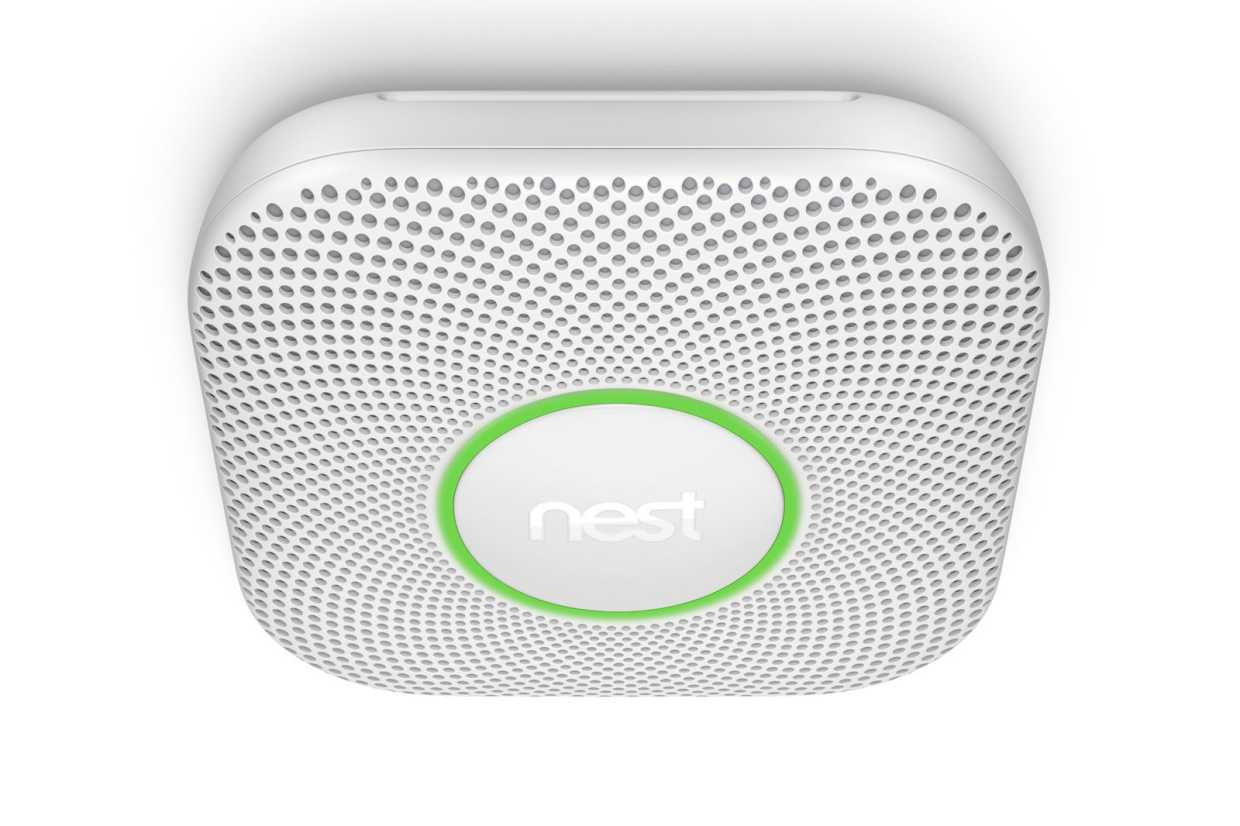
A fire can destroy a home in minutes. The dangerous smoke and toxic gases kill more people than the flames themselves. Most house fires start when no one expects them: late at night, or from something as simple as a forgotten candle. For decades, the best line of defense was the classic smoke detector—a small device with a loud alarm. But as technology improved, so did the tools for keeping families safe. Enter the smart smoke detector.
Exclusive Deals
Limited-time Exclusive Deals. Check current discount on Amazon.
Check Price on Amazon As an Amazon Associate I earn from qualifying purchases.Today’s smart smoke detectors do much more than just make noise. They connect to your phone, tell you exactly where the danger is, and even test themselves. For homeowners, renters, and building managers, understanding how these devices work and why they matter can make the difference between a minor scare and a tragic loss.
This article explores what a smart smoke detector is, how it works, why it’s important, and what to know before choosing one for your space.
What Is A Smart Smoke Detector?
A smart smoke detector is an advanced safety device that uses sensors to detect smoke and, often, carbon monoxide. Unlike traditional smoke alarms, smart detectors are connected to Wi-Fi or Bluetooth. This connectivity allows them to send alerts to smartphones, integrate with other smart devices, and provide more detailed information during emergencies.
These detectors don’t just beep. They can tell you if the danger is in the kitchen or the basement. If you’re not at home, you’ll get a phone alert. Some models even let you silence false alarms (like burnt toast) from your phone. The main goal: faster, clearer warnings and smarter ways to keep people and property safe.
Exclusive Deals
Limited-time Exclusive Deals. Check current discount on Amazon.
Check Price on Amazon As an Amazon Associate I earn from qualifying purchases.How Do Smart Smoke Detectors Work?
At their core, smart smoke detectors use the same types of sensors as traditional alarms: photoelectric (for slow, smoldering fires) and ionization (for fast, flaming fires). Many models use both for maximum accuracy. But smart detectors add a powerful brain—software and wireless chips that connect to the internet and communicate with your devices.
Here’s how a smart smoke detector usually works:
- Detection: The device senses smoke, heat, or carbon monoxide using built-in sensors.
- Analysis: The detector’s software decides if the signal means real danger or just burnt food.
- Alerting: If there’s a threat, the alarm sounds loudly in your home. At the same time, the device sends a notification to your phone or tablet.
- Integration: Some models trigger other smart devices—like turning on lights to help you escape, or unlocking smart locks for firefighters.
- Feedback: You can check the detector’s status, test it, or silence nuisance alarms through a mobile app or voice control.
Key Features Of Smart Smoke Detectors
Smart smoke detectors offer more than just basic fire detection. Here are the features that set them apart:
- Mobile Alerts: Get instant warnings on your smartphone wherever you are.
- Voice Notifications: Some models use a human voice to explain what’s wrong and where.
- Self-Testing: The device automatically checks its battery, sensors, and connection, reducing the risk of failure.
- Multi-Room Linking: All alarms in the home sound together, so everyone is warned at once.
- Carbon Monoxide Detection: Many smart models also check for deadly, invisible CO gas.
- Integration with Smart Home Systems: Connect to Alexa, Google Assistant, or Apple HomeKit for voice control and automation.
- Silence from Phone: Quiet false alarms easily without climbing a ladder.
- Maintenance Reminders: Get alerts for low batteries or when it’s time to replace the unit.
Why Smart Smoke Detectors Matter
Fires and carbon monoxide poisoning are serious risks. According to the National Fire Protection Association (NFPA), working smoke alarms cut the risk of dying in a home fire by half. But traditional detectors have problems: people remove batteries to silence them, forget to test them, or miss alarms if they’re away from home.
Smart smoke detectors solve many of these issues:
Exclusive Deals
Limited-time Exclusive Deals. Check current discount on Amazon.
Check Price on Amazon As an Amazon Associate I earn from qualifying purchases.- More Timely Warnings: If you’re at work or on vacation, you still get alerts.
- Better Information: Know exactly where the danger is, not just that something’s wrong.
- Easier Maintenance: Self-testing and reminders mean fewer dead batteries.
- Fewer False Alarms: Advanced sensors and smarter analysis reduce annoying beeps.
These improvements can prevent injuries, deaths, and property loss. For landlords, parents, and caregivers, smart detectors offer peace of mind that old alarms can’t match.
Types Of Smart Smoke Detectors
Smart smoke detectors come in several types, each with unique features. Understanding these helps you pick the right one for your needs.
By Sensor Technology
- Photoelectric: Best for slow, smoldering fires (like a cigarette burning on a couch). Less likely to trigger false alarms from cooking.
- Ionization: Better for quick, flaming fires (like paper or grease igniting). More sensitive, but can give more false alarms.
- Dual-Sensor: Combines both types for the best overall protection.
By Power Source
- Battery-Powered: Easier to install, but batteries need regular replacement (usually every 1–2 years).
- Hardwired: Connected to home’s electrical system, often with battery backup. More reliable, but harder to install.
By Connectivity
- Wi-Fi: Most common. Connects to your home network for remote alerts and updates.
- Bluetooth: Useful for direct connection to your phone, but usually has shorter range and fewer features.
- Zigbee/Z-Wave: Used in advanced smart homes; requires a hub.
By Additional Features
- CO Detection: Some models include carbon monoxide sensors.
- Air Quality Monitoring: A few devices check for other pollutants or temperature changes.
- Smart Home Integration: Varies by brand (Google Nest, Apple, etc. ).
Smart Smoke Detector Vs. Traditional Smoke Alarm
Choosing between a smart smoke detector and a traditional smoke alarm can be confusing. Here’s a direct comparison to help you see the differences.
| Feature | Traditional Smoke Alarm | Smart Smoke Detector |
|---|---|---|
| Alert Method | Loud siren only | Siren + mobile alerts |
| Remote Monitoring | No | Yes (via app) |
| Self-Testing | Manual only | Automatic |
| False Alarm Silencing | Physical button | From phone/app |
| Smart Home Integration | No | Yes |
| Cost | Low ($10–$40) | Higher ($70–$150+) |
The main advantage of smart detectors is faster, more flexible alerts. However, they cost more and may need a Wi-Fi connection. Traditional alarms are cheaper but lack advanced features.
Benefits Of Using Smart Smoke Detectors
Installing smart smoke detectors brings several important advantages:
- 24/7 Protection Anywhere: Even if you’re not at home, you’ll know if there’s a problem.
- Faster Emergency Response: If you get a mobile alert, you can call for help or warn family members right away.
- Advanced Diagnostics: Get notifications about battery life, sensor status, or device errors.
- Reduced False Alarms: Smart sensors and advanced algorithms help prevent unnecessary beeping.
- Easy Integration: Link your alarm to other smart devices—like lights, cameras, or security systems.
- Accessible for All Ages: Voice alerts and mobile notifications help children and elderly people understand what’s happening.
- Peace of Mind: Regular self-checks and instant alerts reduce worry about hidden dangers.
Common Myths And Misunderstandings
Many people have questions or doubts about smart smoke detectors. Let’s clear up some common myths:
- “Smart detectors are too complicated.” Most models are simple to install and use. The mobile app guides you step by step.
- “Smart alarms need the internet to work.” They always sound a local alarm during danger, even if Wi-Fi is down. Internet is only needed for remote alerts.
- “They’re not reliable.” Leading brands meet strict safety standards, like UL certification. They’re just as dependable as traditional alarms, with added features.
- “You must have a smart home.” Smart smoke detectors work in any home, even if you don’t have other smart devices.
- “They’re expensive and not worth it.” While they cost more upfront, the added safety and convenience can be priceless in an emergency.
How To Choose The Right Smart Smoke Detector
Picking the best smart smoke detector depends on your home, budget, and needs. Here’s what to consider:
1. Sensors And Coverage
- Choose dual-sensor models for better protection.
- Decide if you want CO detection or just smoke alarms.
- Check the coverage area—larger homes may need more units.
2. Connectivity
- Wi-Fi models offer the most features, but require a strong home network.
- If your Wi-Fi is weak, consider models with Bluetooth backup.
3. Power Source
- For renters, battery-powered models are easiest to install.
- Homeowners may prefer hardwired models with battery backup for reliability.
4. Smart Home Compatibility
- If you use Amazon Alexa, Google Assistant, or Apple HomeKit, check if the detector is compatible.
- Integration lets you automate actions (like turning on lights during an alarm).
5. Testing And Maintenance
- Look for self-testing and maintenance reminders.
- Models with replaceable batteries are easier to service, but sealed-battery models can last up to 10 years.
6. Price And Warranty
- Expect to pay $70–$150 per unit.
- Check for a minimum 5-year warranty and UL certification for safety.
7. User Reviews And Ratings
- Read real-world reviews for reliability and ease of use.
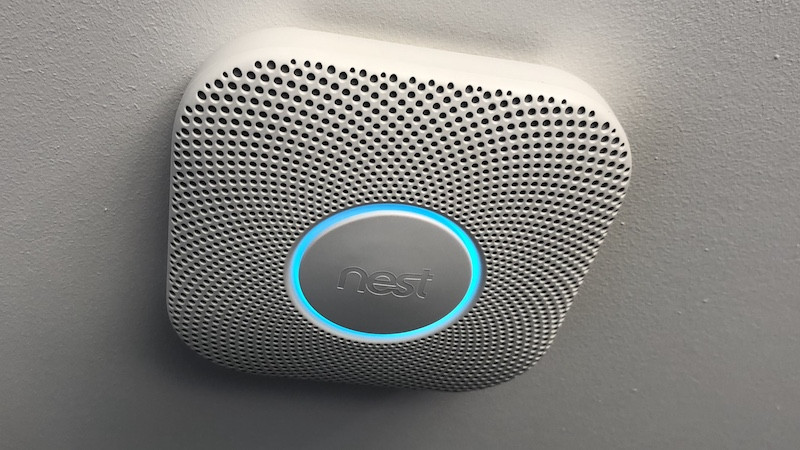
- Brands like Google Nest Protect, First Alert Onelink, and Kidde Smoke + CO Alarm are popular choices.
Installation And Maintenance Tips
Even the best smart smoke detector won’t help if it’s not installed or maintained correctly. Follow these tips for the best protection:
- Placement Matters: Install alarms in every bedroom, outside each sleeping area, and on every level of your home (including basements).
- Ceiling is Best: Mount detectors on the ceiling, at least 4 inches from the wall. If on a wall, place them 4–12 inches from the ceiling.
- Avoid Kitchens and Bathrooms: To reduce false alarms, keep detectors at least 10 feet from stoves or showers.
- Test Regularly: Most smart alarms test themselves, but it’s still smart to check manually once a month.
- Replace Batteries: Follow the app reminders. Most models alert you before batteries run low.
- Replace the Unit: Smoke detectors don’t last forever. Replace them every 8–10 years, or as recommended by the manufacturer.
- Keep Clean: Dust and debris can affect sensors. Gently vacuum around the detector every few months.
Real-life Examples And Case Studies
Understanding the impact of smart smoke detectors is easier with real stories.
- Saved by a Notification: In New York, a family was on vacation when their smart smoke detector sent an alert about smoke in the living room. They called a neighbor, who found an electrical short before a fire started. A traditional alarm would have gone unheard.
- False Alarm Prevention: A college student in California installed a smart detector that could be silenced from his phone. When he burned food, he quickly stopped the alarm without disturbing his roommates.
- Integration with Security Systems: In a Florida apartment complex, smart smoke detectors were linked to the building’s security system. When smoke was detected, hallway lights turned on and emergency doors unlocked, helping everyone escape safely.
Potential Drawbacks And Challenges
No technology is perfect. Here are some disadvantages of smart smoke detectors:
- Higher Cost: Smart detectors cost more than basic models. For large homes, this can add up.
- Dependence on Wi-Fi: Remote alerts require a stable internet connection. In some older homes, Wi-Fi coverage may be weak.
- Privacy Concerns: Some models use microphones for voice control or send data to cloud servers. Always read privacy policies.
- Compatibility Issues: Not all detectors work with every smart home platform.
- Battery Life: Frequent alerts or poor Wi-Fi can drain batteries faster.
To minimize these issues, choose a trusted brand, check compatibility, and use strong Wi-Fi. For privacy, opt for models that don’t use microphones if that’s a concern.
Future Trends In Smart Smoke Detection
Technology is always improving. Here’s what’s coming next for smart smoke detectors:
- AI-Powered Analysis: Advanced models use artificial intelligence to better distinguish between real fires and false alarms.
- Multi-Sensor Devices: Future detectors may check for more dangers—like gas leaks, temperature spikes, or air pollution.
- Integration with Emergency Services: Some systems may automatically contact fire departments or insurance companies in an emergency.
- Longer Battery Life: Improvements in battery tech could mean 10+ years without replacement.
- Voice and Sound Recognition: Detectors may recognize the sound of breaking glass or human voices calling for help.
These trends could make homes even safer and smarter in the coming years.
Smart Smoke Detectors And Building Codes
In many regions, building codes now require smoke alarms in new homes and apartments. Smart smoke detectors usually meet these codes, but always check local laws before installing.
- UL Certification: Look for devices tested to UL 217 or UL 2034 standards.
- Interconnectivity: Some codes require alarms to be interconnected (all sound at once). Many smart detectors offer this feature wirelessly.
- Landlord Requirements: In the US, landlords must provide working smoke alarms for tenants. Smart models can make compliance easier by sending maintenance alerts.
If you’re unsure, ask your local fire department or building inspector.

Cost Comparison: Are Smart Smoke Detectors Worth It?
Let’s look at the real cost differences over time.
| Type | Upfront Cost | Battery Replacement | Lifetime (Years) | Total Cost (10 Years) |
|---|---|---|---|---|
| Traditional Alarm | $20 | $3/year | 10 | $50 |
| Smart Detector | $100 | $0–$5/year | 10 | $100–$150 |
Smart detectors cost more, but the extra features and peace of mind can be worth the investment—especially if you travel often or have children, elderly, or pets at home.
Environmental Impact
Old smoke detectors contain radioactive materials (in ionization models) or batteries that must be disposed of properly. New smart detectors often use sealed, long-life batteries and less hazardous materials. Always recycle old detectors according to local rules. Some manufacturers offer recycling programs.
Final Thoughts
A smart smoke detector is much more than a simple alarm. It’s a connected guardian that watches over your home, sends alerts to your pocket, and helps prevent small problems from becoming disasters. The extra cost brings real advantages: faster warnings, fewer false alarms, easier maintenance, and integration with your smart home.
For most people, especially families, tech-savvy homeowners, and landlords, upgrading to a smart smoke detector is a smart safety choice. But remember: no alarm replaces common sense. Install, maintain, and test your devices regularly. In the end, a small investment in smart safety pays off with peace of mind and real protection for the people and things you care about most.
If you want to learn more about fire safety and prevention, the NFPA offers excellent resources at NFPA Public Education.
Frequently Asked Questions
What Happens If My Wi-fi Is Down During A Fire?
Your smart smoke detector will still sound a loud local alarm, just like a traditional model. You won’t get remote alerts on your phone until the Wi-Fi returns, but people in the home will be warned.
How Often Should I Test My Smart Smoke Detector?
Most smart detectors test themselves regularly, but it’s wise to press the test button once a month. The mobile app usually provides extra status updates and reminders.
Can I Install A Smart Smoke Detector Myself?
Yes. Battery-powered models are easy for most people to install with simple tools. Hardwired models may require an electrician, especially if you’re replacing old wired alarms.
Do Smart Smoke Detectors Work With Other Smart Devices?
Many models integrate with smart home systems like Amazon Alexa or Google Assistant. This lets you automate actions (like turning on lights) or control alarms by voice.
Are Smart Smoke Detectors Safe And Private?
Reputable brands meet strict safety standards and offer clear privacy policies. If privacy is a concern, choose models without microphones or those that store data locally.